Best Room Dividers for Home Office: A Complete Buying Guide
Disclosure: We may earn a commission when you buy through links on this page, at no extra cost to you. As an Amazon Associate we earn from qualifying purchases. Learn more

A practical buying guide to choosing a room divider for a home office, covering privacy, sound dampening, stability, and the main divider types.
A rolling chair and a laptop on a kitchen table do not make a home office. What actually separates work from the rest of the house is a boundary you can see and hear through. Curtains soften a room, but fabric moves with every draft and lets sound slip right through the seams and the floor gap underneath. A freestanding panel divider, whether it is a hinged folding screen or a tall bookcase turned sideways, behaves more like a real wall. It stays in place, blocks the sightline completely, and takes a real bite out of the noise coming from the other side.
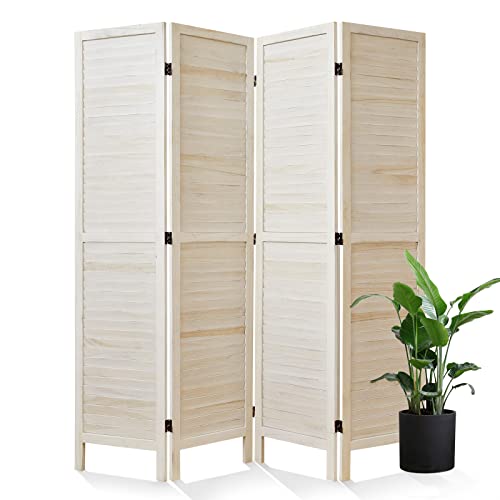
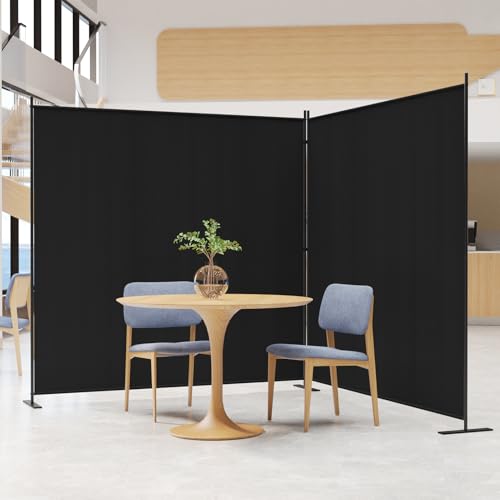
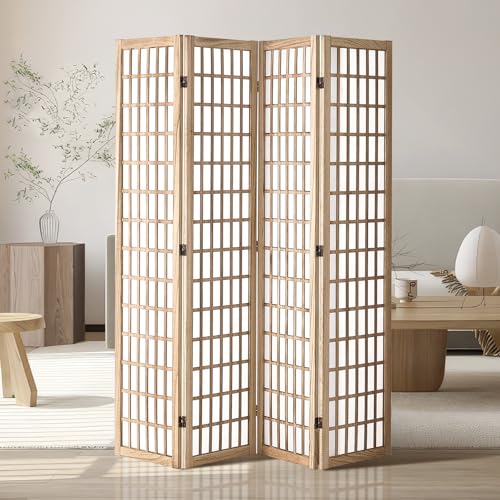
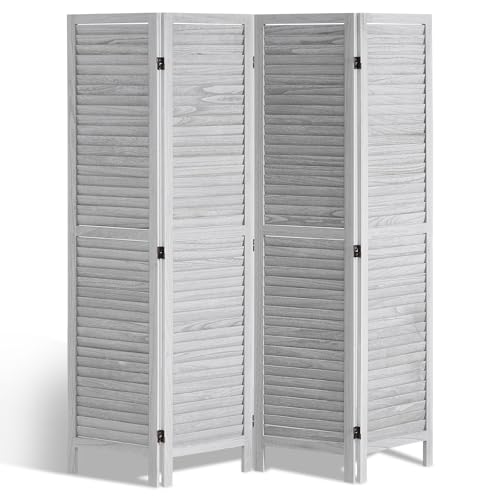
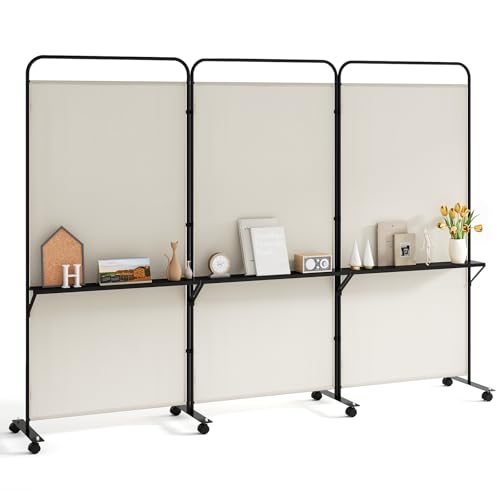
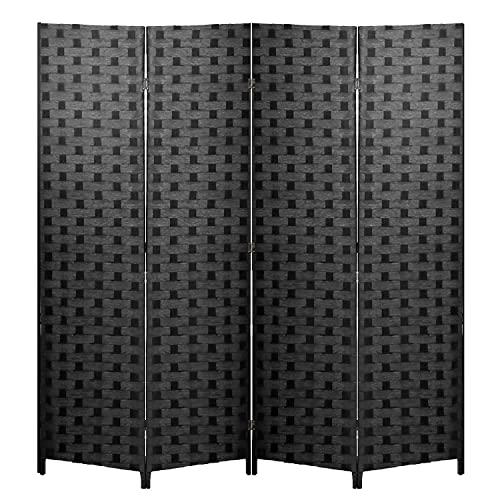
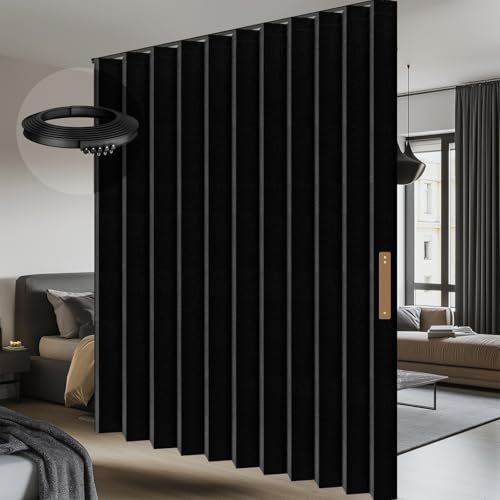
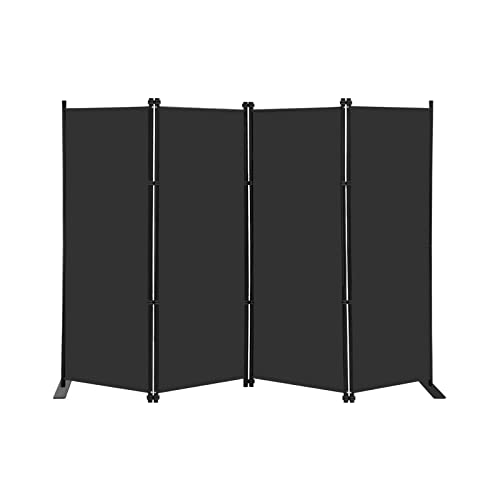
Why a Solid Panel Beats Fabric for Video Calls
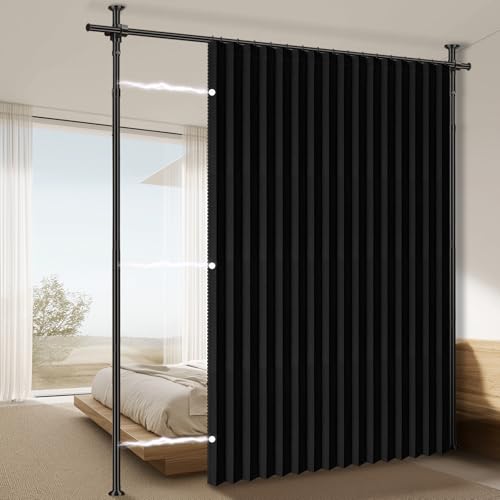
Curtains have their place, and if soft fabric is more your style, the guide to room divider curtains covers that approach in detail. But a rigid panel solves two problems fabric cannot. First, it holds its shape. A curtain shifts every time someone walks past or a vent kicks on, which shows up as motion in the background of a video call. A hinged panel does not move once it is set. Second, density matters for sound. Most curtain fabric weighs a few ounces per square foot. A panel with a foam or PET-felt core packs several times that mass into the same footprint, and mass is what actually stops sound waves rather than just muffling their edges.
None of this means a panel divider turns a room silent. It will not compete with a framed wall and insulation. What it does is knock down the mid-range frequencies of a voice or a television, which is usually the noise that ruins a call.
Folding Screens vs. Bookcase Dividers: Picking the Right Type
Two styles dominate the freestanding category, and they solve slightly different problems.
Hinged Folding Panels
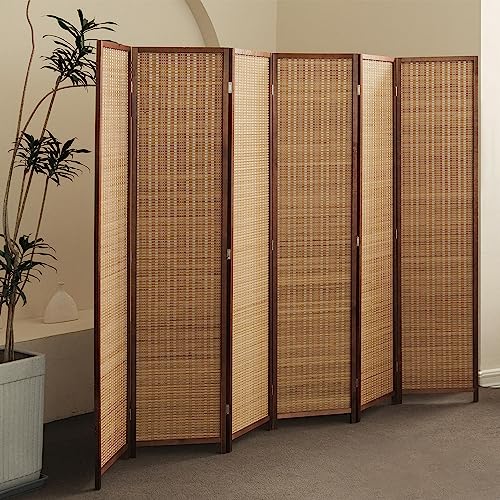
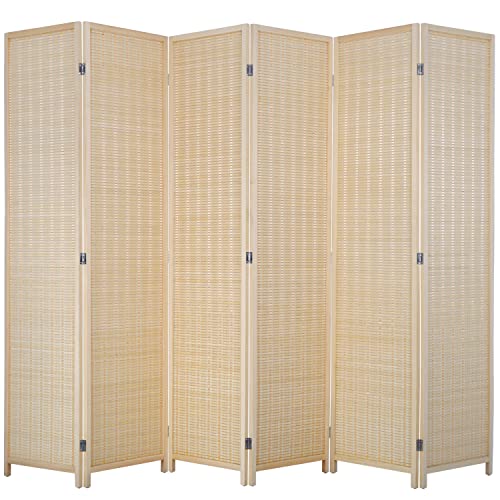
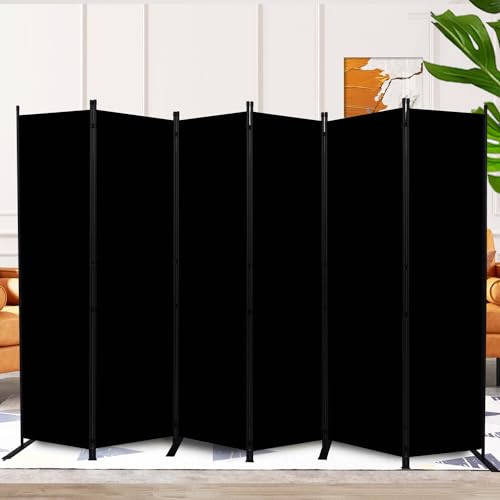
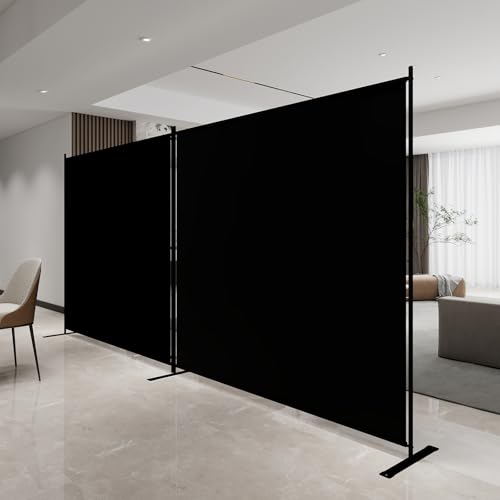
These are three or more panels connected by hinges that let the whole unit stand on its own in a zigzag shape. No tools, no wall mounting. The panel material ranges from thin fabric over a wood frame to dense acoustic cores wrapped in felt. Thicker cores block more sound and more of the view, but they also weigh more and cost more. For a home office, a panel around 5 to 6 feet tall with an opaque, non-fabric core is the sweet spot between real privacy and something you can still move by yourself.
Bookcase and Open Shelving Dividers
An open-back bookcase set perpendicular to the wall does double duty: it blocks the direct sightline into your workspace and gives you a place to put files, a printer, or a plant instead of letting them pile up on the desk. It lets more light and sound through than a solid panel, since the gaps between shelves are still open air. It works best paired with a few solid-backed bins or boxes on the lower shelves, which quietly closes some of those gaps and adds a bit more sound blocking without turning the whole thing into a wall.
Panel-Backed Shelving
A smaller category worth knowing about: shelving units with a solid or fabric-lined back panel. These combine the storage of a bookcase with more of the sound and sightline blocking of a folding screen. They tend to cost more than either option alone, but if you only have room for one piece of furniture to do both jobs, this is the category to check first.
How Much Noise a Panel Divider Actually Blocks
Manufacturers often list a noise reduction coefficient or a rough decibel estimate, and it is worth treating those numbers as a ceiling rather than a guarantee. Real-world results depend on the room. A panel in a small, carpeted room with soft furniture around it will outperform the same panel in a large room with bare floors and hard walls, since those surfaces bounce sound back into the space instead of absorbing it.
It helps to think of a panel divider as one layer in a small system rather than a single fix. The panel handles the direct path of sound between you and the rest of the room. Everything else in that path, from flooring to nearby furniture, either helps or works against it.
A few material notes that hold up across most products:
- Solid foam or PET-felt cores absorb noticeably more than a single layer of fabric over an open frame.
- Quilted or channel-stitched fabric covers trap a thin layer of air that adds a small amount of extra dampening.
- Open shelving, glass, and thin bamboo slats do very little for sound and are chosen mainly for visual separation.
- A rug under the desk and a fabric-covered board on the divider itself both add cheap, incremental improvement if a single panel is not cutting enough noise on its own.
Stopping a Freestanding Divider From Tipping or Wobbling
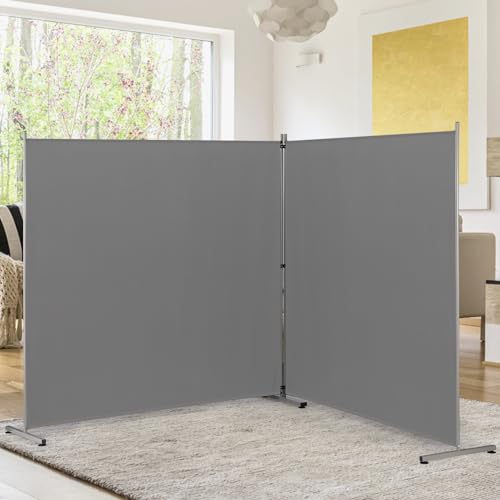
A divider that rocks every time it gets bumped is more distracting than the noise it was supposed to block. For folding panels, stability comes from the base width and the number of hinges. A three-panel screen set up in a shallow zigzag, rather than nearly flat, creates a much wider footprint and resists tipping far better than one opened almost straight. Look for models with weighted or non-slip feet on each panel base.
Bookcase dividers carry a different risk since they are taller and can be top-heavy once loaded. Keep the heaviest items, like books and bins, on the bottom two shelves and lighter decor higher up. If the unit came with a wall anchor strap, use it even though the piece is technically freestanding, since a strap or safety bracket does not require the divider to be permanently fixed to the room; it just keeps it from tipping forward if something bumps into it. Placing the divider so one end sits against a wall corner rather than out in open floor space adds stability for free.
Folding It Away When the Workday Ends
One advantage a hard panel divider has over a wall it is trying to imitate: it can disappear. Hinged screens fold flat to a few inches thick and slide behind a couch, under a bed, or into a closet in seconds. Before buying, check the folded dimensions listed by the manufacturer, not just the open size, since some panels with thicker acoustic cores fold down bulkier than a plain fabric screen.
Bookcase dividers are not portable in the same way, so if you expect to reclaim the room on weekends, a folding panel is the more practical pick. If you go with a bookcase, look for one with locking casters, which lets you roll the whole unit to a different spot without lifting it, even if you are not folding it away completely.
Setting Up Your Panel Divider for Focus and Calls
Where the divider goes matters as much as which one you buy. Position your desk so the panel sits behind or beside you on calls, not directly in front of a window, since backlighting from a window will silhouette you against a plain background. If the panel blocks a window or air vent, compensate with a lamp or by adjusting nearby track lighting so the space behind the divider does not feel closed off.
Treat the space you create as a real desk setup rather than a temporary corner. A stable desk sized for a home office and a chair built for long sitting matter more once you have a defined workspace, since you will likely use it for full days rather than the occasional errand at the kitchen table. Keeping the area behind the panel dedicated to work, and nothing else, reinforces the boundary the divider is creating in the first place.
Common Questions About Panel Room Dividers
Do freestanding panel dividers actually block sound?
They reduce it noticeably, especially mid-range frequencies like speech, but they do not eliminate noise the way a framed wall does. A dense foam or felt core outperforms thin fabric or open shelving by a wide margin.
Is a bookcase or a folding panel better for a home office?
A folding panel blocks more sound and sightline and folds away when not needed. A bookcase adds storage and keeps the room feeling more open, at the cost of less true privacy. Panel-backed shelving splits the difference if you have room for it.
How do I keep a folding panel from tipping over?
Open the panels into a wider zigzag rather than a flat line, choose a model with weighted feet, and place one end against a wall corner when possible.
Can a bookcase divider hold heavy items without tipping?
Yes, as long as the heaviest items sit on the bottom two shelves and the unit is either braced against a wall or fitted with a safety strap.
Do I need to drill anything to set up a freestanding divider?
No. Folding panels and most bookcase dividers stand on their own. A safety strap for a bookcase is the only hardware worth adding, and it is optional if the unit is stable and low enough already.
What height works best for blocking a video call background?
Around 5 to 6 feet tall covers most seated video calls. Standing desks or a fuller sense of enclosure call for something closer to 6.5 feet.