Best Room Divider Curtains: A Complete Buying Guide
Disclosure: We may earn a commission when you buy through links on this page, at no extra cost to you. As an Amazon Associate I earn from qualifying purchases. Learn more

A curtain does not need studs, a level, or a weekend. Hang it, pull it closed, and a studio apartment suddenly has a bedroom corner. Pull it back and the room opens up again for guests or extra floor space. That flexibility is the whole appeal of a fabric divider, and it is also where the trade-offs start: a hanging panel will never block sound or light the way a solid panel does, and the hardware holding it up matters as much as the fabric itself.
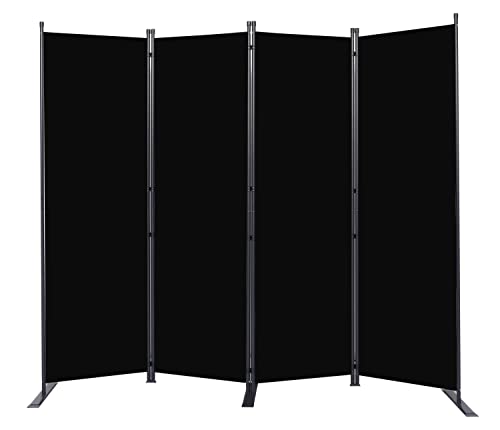
This guide focuses on curtains hung from a track or rod, the softest and most reversible way to split a room. A hard panel screen solves a different problem and comes with its own set of trade-offs, covered further down for anyone who needs more than fabric can offer.
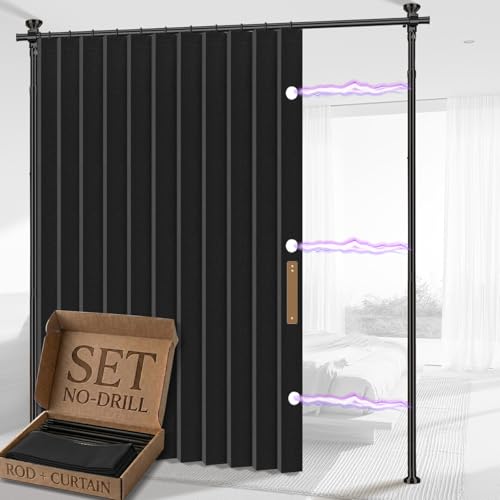
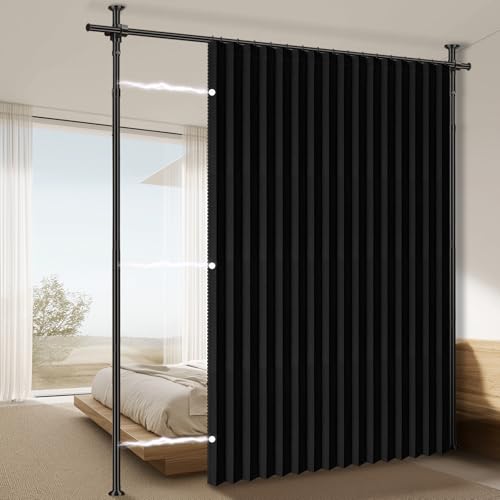
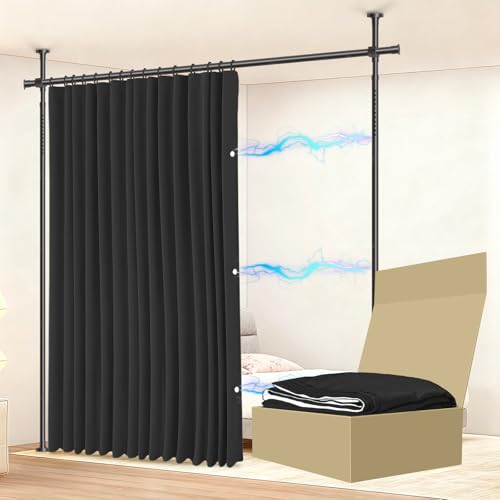
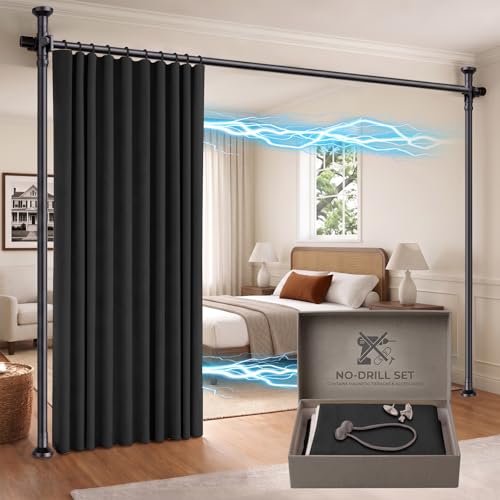
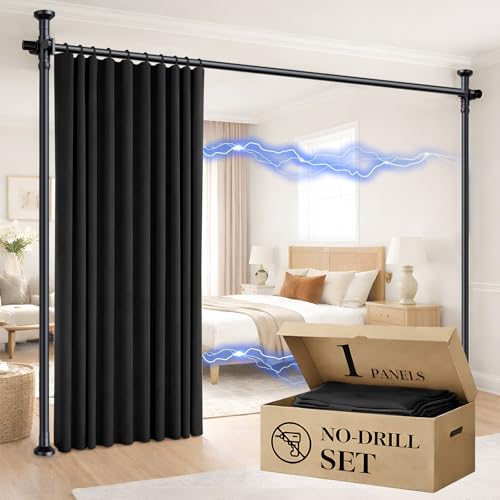
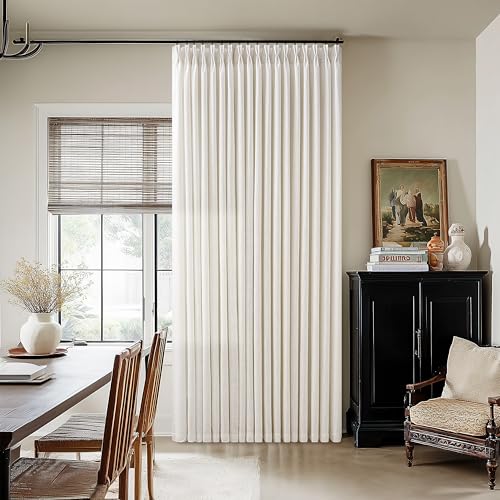
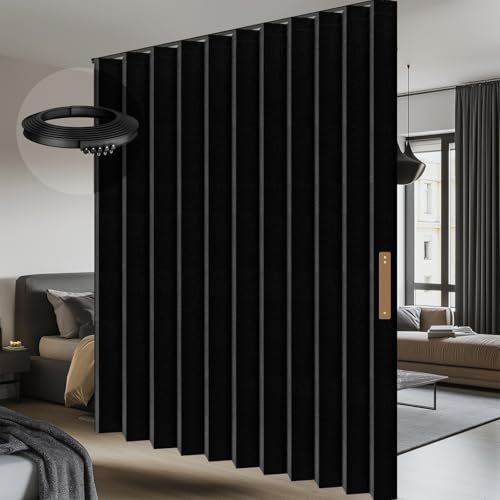
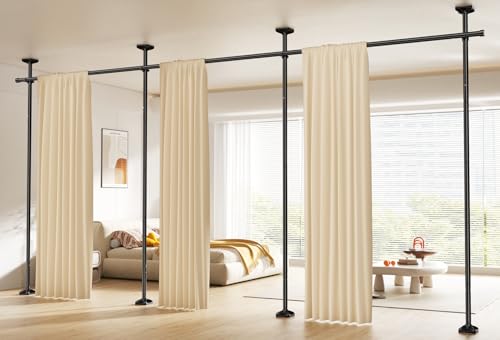
Track or Tension Rod: Picking Hardware That Won't Sag
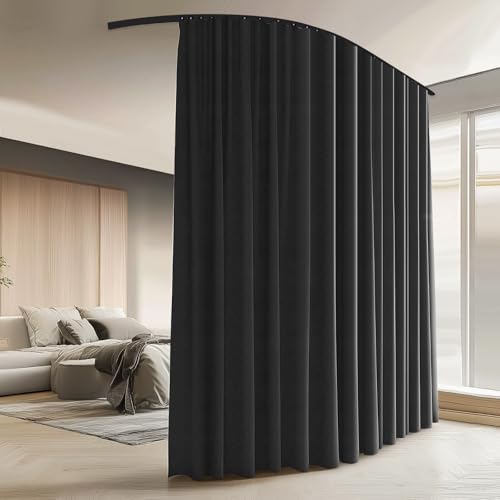
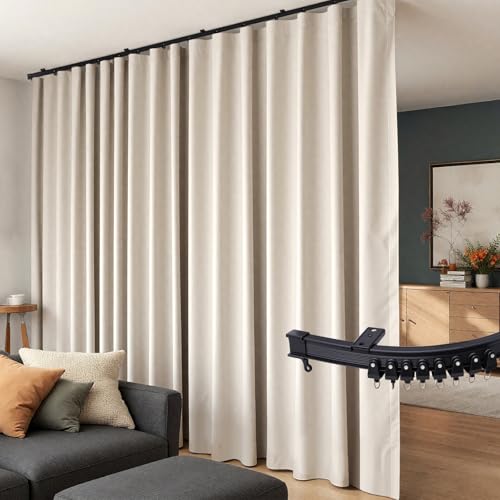
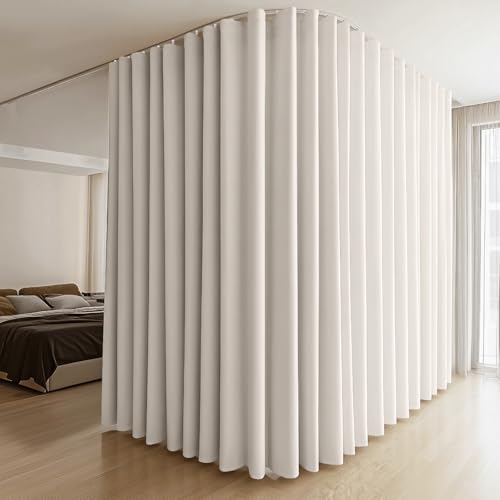
Every curtain divider starts with the same decision: mount something to the ceiling, or wedge a rod between two walls. Ceiling track is the sturdier answer. It carries heavy fabric without bowing, glides smoothly across a wide span, and stays level even with a full-length panel. The catch is installation. A track long enough to cross a room usually needs anchors in a joist, which means tools, a helper, and a landlord's approval before any drilling happens.
A tension rod skips all of that. It braces between two walls or floor to ceiling using spring pressure alone, so nothing gets drilled and nothing gets damaged. That makes it the default for rentals, dorms, and anyone who might move the setup in a year. The trade-off is weight capacity. Push a heavy blackout panel onto a light-duty tension rod and it will bow in the middle within weeks, especially over a long span. Check the rod's rated load before buying fabric, the same way a bathroom rod needs a weight rating before it can hold a heavy shower curtain. Our breakdown of shower curtain rods covers how that rating system works and translates directly to a room divider rod carrying similar loads.
How Fabric Weight Changes What the Curtain Actually Blocks
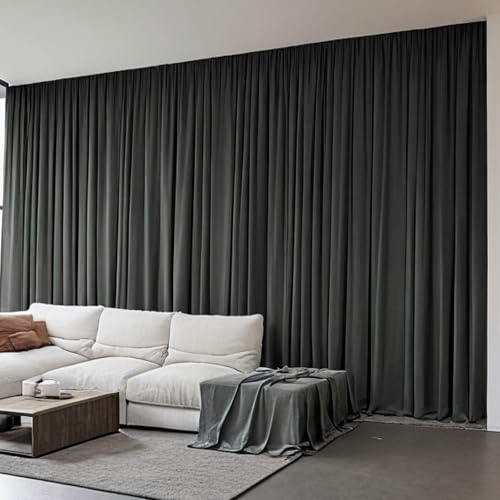
Weight decides almost everything a divider curtain does. A light cotton or linen panel lets light pass through and only suggests a boundary, which is enough if the goal is breaking up an open floor plan rather than hiding what happens on the other side. A heavyweight or blackout-lined panel blocks sightlines and shadows almost completely and holds its shape without shifting every time someone brushes past it.
Sound is a separate question, and it deserves an honest answer: no fabric panel will soundproof a room. A dense, tightly woven curtain softens noise bouncing between two spaces, taking the edge off a television or a conversation, but it will not stop a phone call or a snore the way drywall does. Anyone splitting a bedroom from a living area with a curtain should expect reduced noise, not silence. A closer look at how much difference fabric density really makes is in our guide to noise reducing curtains, which applies just as well to a divider as it does to a window.
No-Drill Setups for Renters and Shared Apartments
Most people reaching for a room divider curtain are working around a lease, not a blank canvas. A tension rod is the fastest no-drill route, but it is not the only one. A common DIY workaround uses two cup hooks screwed into the ceiling, a length of fishing line strung tight between them, and a wooden dowel cut to the width of the opening, with the curtain draped over the dowel and slid along the line. It leaves two small holes instead of a full track and still supports a decent amount of fabric.
For a true zero-damage option, adhesive hooks rated for several pounds can substitute for the cup hooks on drywall that cannot take even small screws, though they hold less weight and work best with lighter fabric. Whatever method gets used, test it with the actual curtain hung before committing, since a rod or line that holds fine empty can still fail once fabric fullness and length are added.
It also helps to think about the ceiling itself before picking a method. Popcorn or textured ceilings grip adhesive hooks poorly, and a plaster ceiling in an older building can crumble around a small anchor even when drywall nearby would hold fine. A quick test with one hook in an inconspicuous spot, left for a day under light tension, says more about whether a method will work than any weight rating printed on the packaging.
Sizing the Panel So It Actually Closes the Gap
A single flat panel almost never covers an opening the way it should. Divider curtains need enough fullness to fall in soft folds and fully overlap when drawn, which typically means the combined panel width should run one and a half to two times the length of the track or rod. Buy less than that and the fabric hangs flat with a gap right where privacy matters most.
Length works the other way: measure down from where the hardware will actually sit, not from the ceiling, and leave about an inch of clearance above the floor. A panel that stops short exposes a strip of light and sound underneath, while one that pools on the floor collects dust and catches on shoes every time someone walks through.
Layering for More Privacy or Quiet
When a single panel does not cut it, a second layer usually solves the problem without swapping the whole setup. A sheer panel paired with a heavier blackout layer on a double track lets the space stay open and airy during the day, then close down for full privacy at night. Adding a liner behind an existing curtain is a cheaper middle step that boosts both opacity and sound dampening without buying new fabric outright. Our guide to blackout curtain liners covers how much of a difference a liner actually makes and which curtains it fits.
Layering also solves a maintenance headache that single heavy panels create. A blackout liner can be unzipped or unclipped and washed separately while the decorative outer layer stays on the track, which matters for a divider that gets handled daily. A single fused heavyweight panel, by contrast, usually has to come down entirely for cleaning, and dense blackout fabric can take a full day to dry.
When a Curtain Isn't Enough
Curtains solve visual privacy well and take some edge off noise, but they will never match a solid panel for acoustic isolation or for holding shelving and other weight. Anyone dividing a room around a job that needs real quiet, like a home office next to a nursery or a call center corner, is usually better served by a rigid divider that seals the gap at the floor and sides. That comparison, along with sizing and material options for hard panels, is covered in our separate guide to room dividers for a home office.
Common Questions About Curtain Room Dividers
Can these curtains actually block sound between two rooms?
They reduce it, not eliminate it. Dense, tightly woven fabric absorbs some sound energy and softens noise bouncing off hard surfaces, but a curtain will never match a wall for blocking conversation or bass.
Do I need to drill into the ceiling to hang one?
No. A tension rod braces without any hardware, and lighter DIY methods using cup hooks and a dowel need only two small holes. Weight capacity drops with each no-drill option, so match the method to the fabric.
How much fabric do I need for full coverage?
Aim for a combined panel width of one and a half to two times the length of the opening. That extra fullness lets the curtain fall in folds and fully close instead of leaving a visible gap.
Anything short of that ratio tends to look thin and stretched once it is actually hung, so it is worth rounding up rather than cutting the estimate close.
Will a heavy blackout curtain sag on a cheap rod?
Yes, eventually. Standard tension rods are rated for light to medium loads. A wide blackout panel needs either a ceiling track anchored into a joist or a heavy-duty rod rated specifically for that weight.
Is a fabric divider a good fit for a studio apartment bedroom?
It is one of the most common solutions for exactly that. A ceiling-hung panel around a bed area creates a visual bedroom without permanent construction, and it can be pulled back entirely when the space needs to feel open again.
What color or fabric hides dust and wear best?
Mid-tone solids handle daily handling better than pure white or very dark fabric, since both extremes show lint, dust, and fading from sunlight more quickly. A textured weave also disguises light creasing from being pulled open and closed every day, which a smooth, flat cotton tends to show almost immediately over weeks of regular use.