Best Rated Car Seats for Toddlers: How to Actually Judge the Ratings
Disclosure: We may earn a commission when you buy through links on this page, at no extra cost to you. As an Amazon Associate I earn from qualifying purchases. Learn more
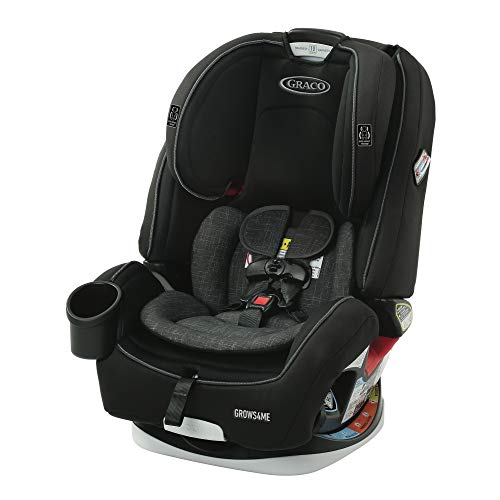
Scroll through any car seat listing and nearly every option claims to be "top rated" or "5-star safe." That marketing language makes it almost impossible to tell which claims are backed by real testing and which ones are just packaging copy. If you're searching for the best rated car seats for toddlers, the goal isn't just to find a seat with good reviews. It's to understand what a rating actually measures, who issues it, and how much weight it should carry in your decision. In this guide, you'll learn how official crash and ease-of-use ratings work, which certifications are worth checking, and why installation can make or break even a top-rated seat.
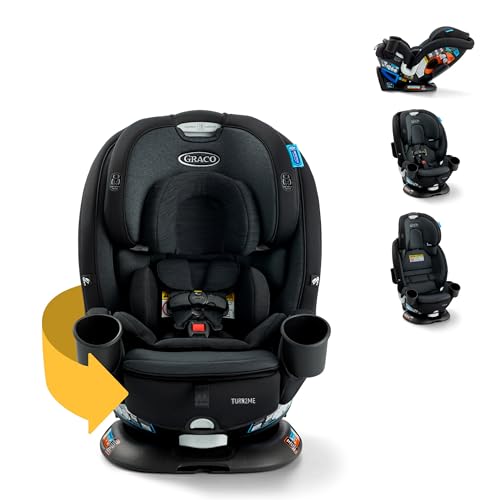
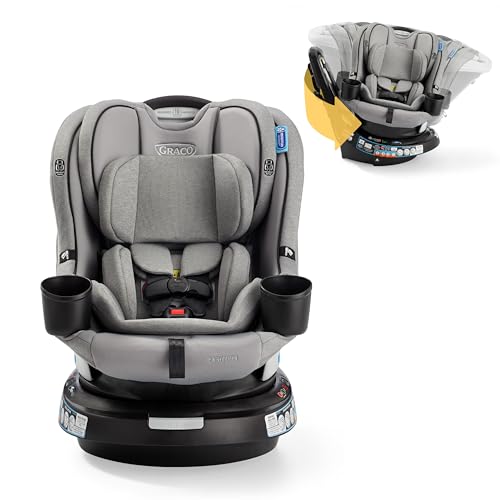
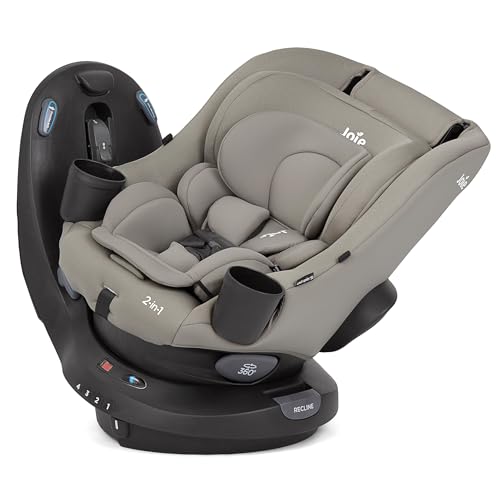

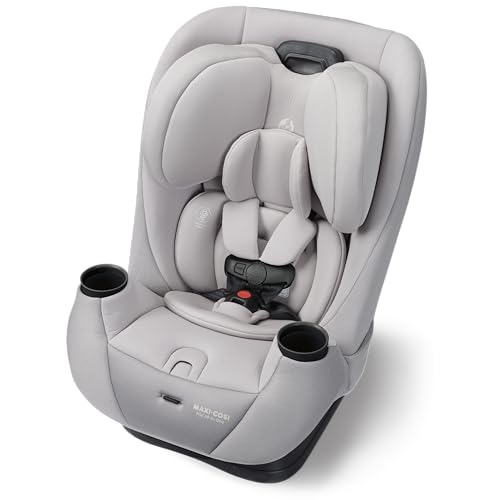
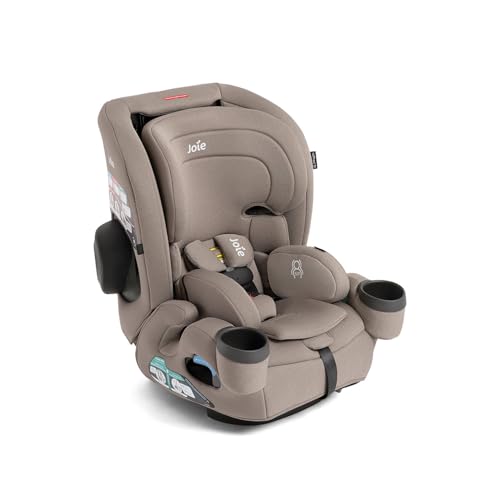
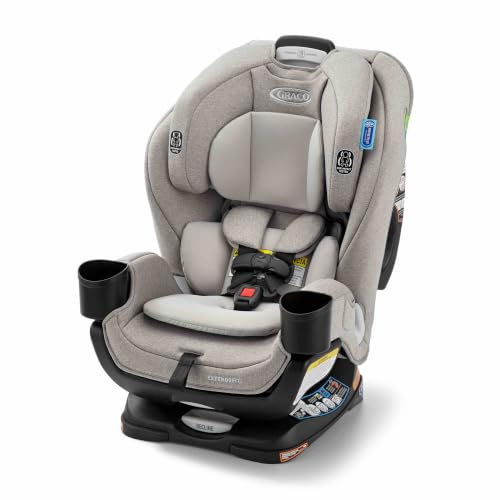
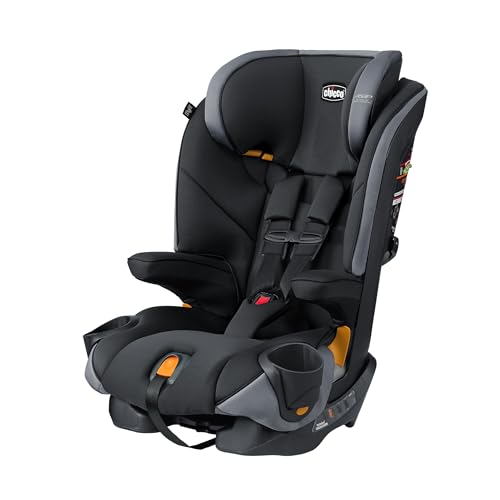

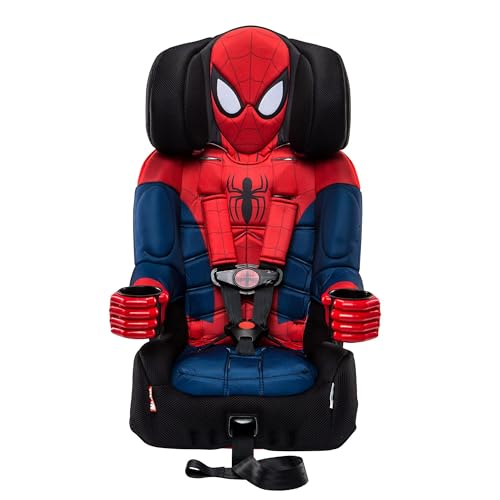
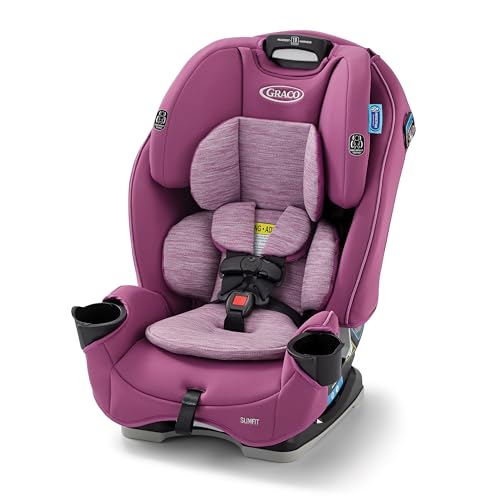
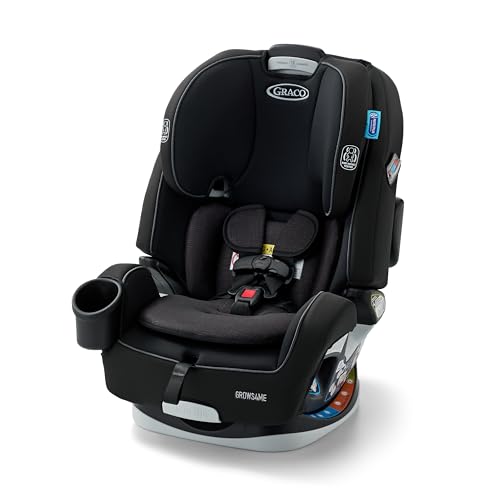
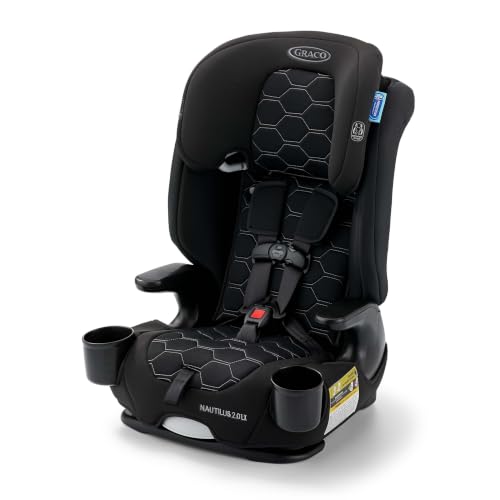

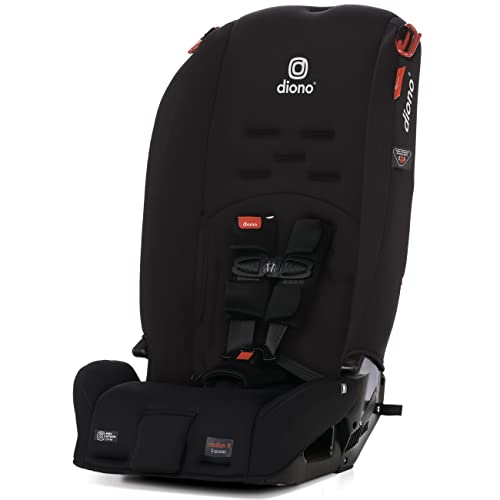
What Actually Earns a Car Seat a Top Safety Rating
A car seat's rating usually comes from one of two sources: a federal safety agency or an independent testing lab. Both matter, but they measure different things, and a seat can score well on one while looking average on the other.
NHTSA's 5-Star Crash Test System
The National Highway Traffic Safety Administration runs its own crash simulations and assigns a star rating from one to five, with five representing the strongest measured protection. These tests look at how the seat and its restraint system respond during a simulated collision, including forces on the chest and head. A higher star count means the seat performed better under controlled crash conditions, not that it guarantees a specific outcome in a real accident.
How IIHS Testing Adds a Second Layer of Data
The Insurance Institute for Highway Safety runs separate evaluations that focus on real-world crash scenarios and belt fit, which becomes especially relevant once a toddler outgrows a harnessed seat and transitions toward a booster. Because IIHS testing methods differ from NHTSA's, a seat that leads one list won't always top the other. Reading both gives you a fuller picture than relying on a single top rated toddler car seat claim.
Ease-of-Use Scores Matter as Much as Crash Scores
NHTSA also publishes ease-of-use ratings that grade how clear the instructions and labels are, how straightforward the installation features feel, and how easily a caregiver can secure the harness correctly every time. A seat can post an excellent crash score and still earn a mediocre ease-of-use score, which matters because a seat that's confusing to install correctly won't deliver its lab-tested protection in daily use.
If a particular convertible or all-in-one design keeps showing up near the top of these lists, it can help to understand the broader category before comparing individual ratings. Our guide to choosing among the different types of toddler car seats breaks down how those categories differ beyond the rating alone.
Certifications and Labels Worth Checking
When people search for best rated car seats for toddlers, they're usually asking two different questions at once: how did the seat perform in testing, and was it actually built to a real standard? Ratings answer the first question. Certifications answer the second. The two aren't the same thing, and mixing them up is one of the more common points of confusion for shoppers.
The FMVSS 213 Statement on the Seat Label
Every child restraint sold legally in the United States must comply with Federal Motor Vehicle Safety Standard 213, which covers crash performance, flammability resistance, and labeling requirements. Look for the statement confirming compliance printed directly on the seat itself. This is a mandatory baseline, not a voluntary bonus feature, so its presence tells you the seat cleared federal minimums, not that it's the highest-rated option available.
Baby Safety Alliance Verification (Formerly JPMA)
Beyond the federal standard, some seats also carry a voluntary verification seal from the Baby Safety Alliance, the organization that took over the legacy JPMA certification program. This seal means the seat was independently tested against additional industry standards through an accredited lab rather than by the manufacturer's own claims. It's a useful extra signal, but it's separate from an official crash-test car seat safety rating and doesn't replace one.
Why Expiration Dates Affect a Seat's Rating Over Time
Most car seats carry an expiration date, typically six to ten years from manufacture, because the plastic shell and other materials degrade with age, sun exposure, and temperature swings. A seat that earned a strong rating when new can no longer be assumed to perform the same way once it's past that date, which is worth checking before buying secondhand or pulling an older seat out of storage.
Why Installation Still Decides How Safe a Top-Rated Seat Really Is
Even the highest-rated seat on paper only performs as well as its installation. This is exactly where the promise behind any list of the best rated car seats for toddlers can quietly fall apart, and it's where a lot of the real-world gap between a lab score and actual protection shows up.
The Gap Between a Seat's Rating and Real-World Use
Research on car seat misuse consistently finds that a large majority of seats on the road are installed with at least one significant error, and most of those errors trace back to the seat belt or base not being pulled tight enough. Another frequent mistake happens when a toddler transitions from rear-facing to forward-facing and the required top tether never gets attached, which removes a layer of protection the seat was rated to provide. A five-star seat installed loosely performs closer to a poorly rated one in practice.
Getting a Free Installation Check from a Certified Technician
Many fire stations, hospitals, and community programs offer free inspections from a certified passenger safety technician who can confirm the seat is installed correctly for your specific vehicle. This step doesn't change a seat's official rating, but it closes the gap between the rating on paper and how the seat actually performs for your child.
Does a Higher Rating Always Mean a Higher Price
Not necessarily. Toddler car seats span a wide price range, and cost is influenced by factors like how many stages of a child's growth the seat covers, the materials used, and extra comfort features, not purely by crash performance. It's common to find a mid-priced seat with an excellent rating sitting right alongside a pricier option that scored about the same in testing. If budget is a bigger factor for you than brand reputation, our guide to strong options under $300 shows that a lower price tag and a solid safety rating aren't mutually exclusive.
What you're usually paying extra for at the top of the price range is convenience: easier one-handed adjustments, machine-washable covers, or a longer usable lifespan across growth stages, rather than a meaningfully higher rated car seat in the strict safety sense.
Frequently Asked Questions
What does a 5-star car seat rating mean?
It means the seat scored at the top of NHTSA's crash test evaluation, which measures how well the restraint system limited forces on the body during a simulated collision. It reflects lab performance, not a guarantee about any individual real-world crash.
Are more expensive car seats actually safer?
Not automatically. Price often reflects convenience features, materials, and how many growth stages a seat covers rather than a higher safety score. Plenty of mid-priced seats post crash ratings on par with premium models.
What is the difference between NHTSA and IIHS car seat ratings?
NHTSA runs its own government crash simulations and ease-of-use evaluations, while IIHS is an independent insurance industry group that tests real-world scenarios and belt fit, particularly for booster transitions. Checking both gives a more complete picture than relying on just one source.
How do I know if a car seat is properly certified?
Check the seat's label for the statement confirming it meets Federal Motor Vehicle Safety Standard 213, which is mandatory for every seat sold legally in the US. A voluntary Baby Safety Alliance verification seal is a helpful extra signal but isn't required.
Does a car seat's rating account for ease of installation?
Crash ratings and ease-of-use ratings are typically scored separately. A seat can earn a strong crash score while scoring lower on how clear its instructions and installation features are, so it's worth checking both before assuming a top crash score means an easy setup.
Do car seat safety ratings change after an accident?
The published rating itself doesn't change, but most manufacturers recommend replacing a seat after a moderate or severe crash, since the materials may no longer perform the way they did when originally tested.
How long can a toddler safely use the same rated car seat?
That depends on the seat's height and weight limits along with its printed expiration date, which is usually six to ten years from manufacture. Once a toddler outgrows the limits or the seat passes its expiration date, its original rating no longer applies.
Choosing a Seat You Can Actually Trust
A high rating is a strong starting point, not the whole story. The most reliable way to shop for the best rated car seats for toddlers is to check both the crash performance and the ease-of-use score, confirm the mandatory safety label is present, and then make sure the seat gets installed correctly once it's in your car. Ratings tell you what a seat is capable of. Correct installation is what actually delivers that protection to your child.