Best Toddler Car Seat Under $300: A Complete Buying Guide
Disclosure: We may earn a commission when you buy through links on this page, at no extra cost to you. As an Amazon Associate I earn from qualifying purchases. Learn more
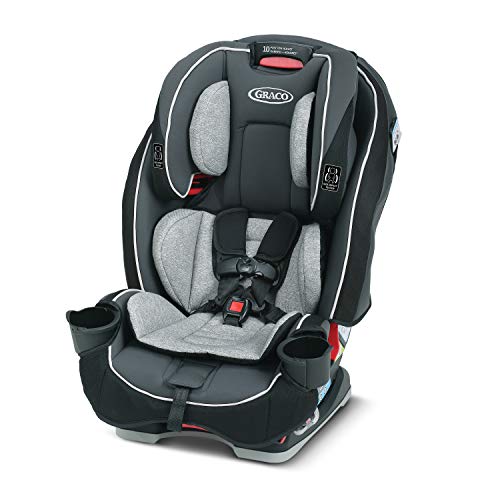
Three hundred dollars sits at an odd spot in the car seat market. It is too high for an entry-level pick, yet noticeably below the premium tier that starts once steel frames and app-connected sensors enter the picture. Parents shopping in this range often want a straight answer to one question: what exactly are you giving up by staying under $300, and does any of it touch actual crash safety?
The short answer is no, safety compliance does not scale with price. What changes above $300 is comfort, convenience, and how long a single seat can stretch across your toddler's growth. This guide walks through that line item by item, so a $300 cap feels like an informed choice rather than a compromise.

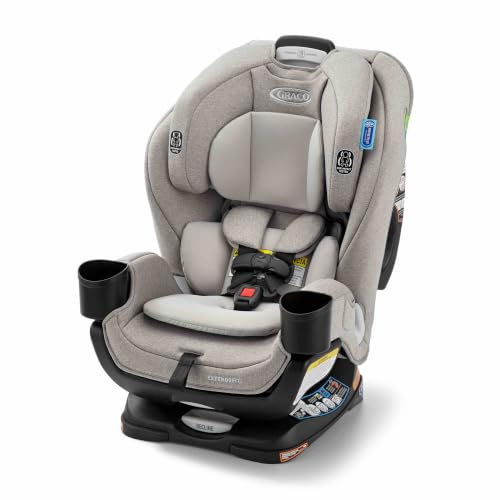
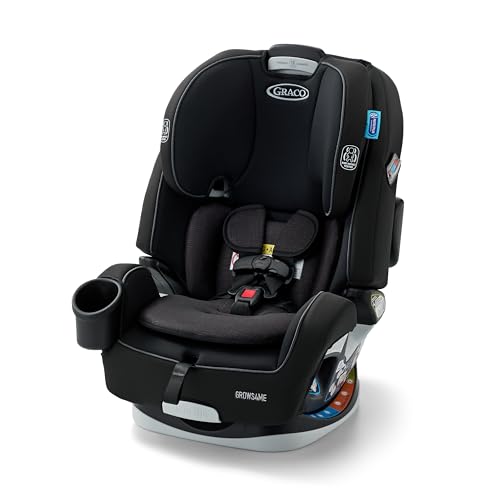

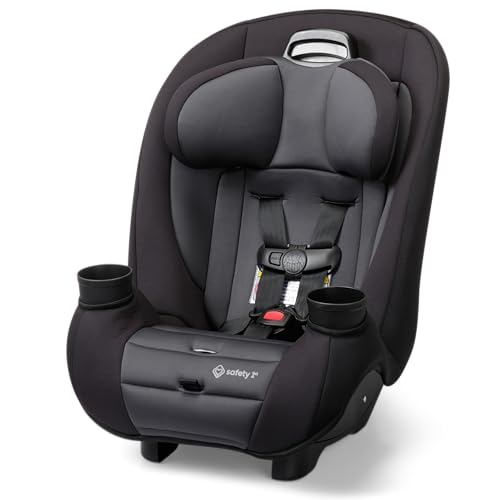



Where the $300 Line Actually Falls in the Car Seat Market
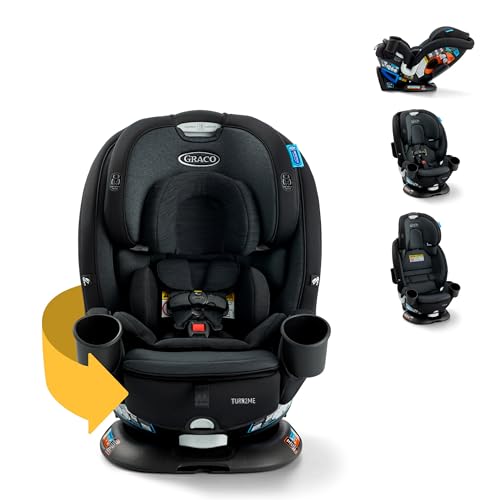
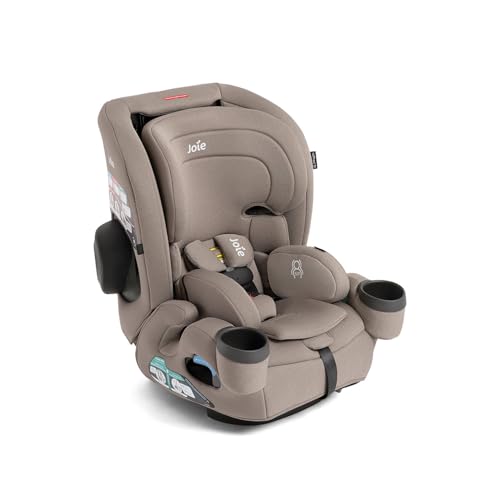
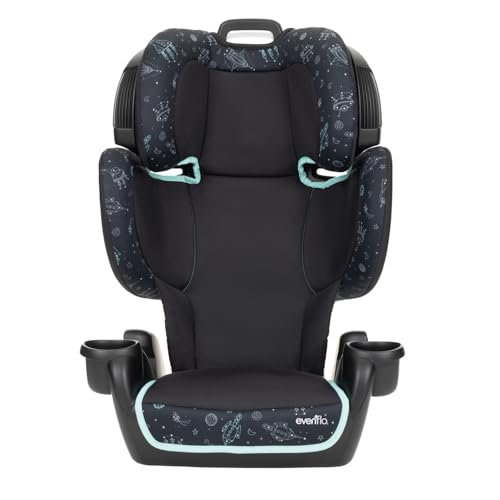
Entry-level toddler seats typically run from $50 to $150 and cover the legal minimum: a five-point harness, basic padding, and compliance with federal crash standards. The $150 to $300 bracket adds convenience features like no-rethread harnesses, better recline indicators, and machine-washable covers with a bit more cushioning. Above $300, seats start adding steel-reinforced frames, anti-rebound bars as a default rather than an option, load legs, premium fabric blends, and sometimes built-in cooling or sensor technology.
A best toddler car seat under 300 purchase lands squarely at the top of the mid-range tier. That position matters because it is close enough to premium pricing to get most of the convenience upgrades, while staying below the point where extra cost buys mostly cosmetic or app-based extras.
What a $300 Budget Still Guarantees You
Every car seat legally sold in the United States must pass Federal Motor Vehicle Safety Standard 213, regardless of price. A $180 seat and a $700 seat are tested against the same frontal crash benchmarks before either can reach a store shelf. A newer standard, FMVSS 213a, adds a mandatory side-impact sled test for seats used by children under 40 pounds, and manufacturers across every price tier are working toward that compliance deadline in 2026. Price does not exempt a seat from this requirement.
At $300, expect a no-rethread harness that lets you raise the shoulder straps without pulling webbing back through the shell, a built-in bubble level for installation, and a weight range that usually spans from around 22 pounds up through 40 to 65 pounds depending on orientation. Machine-washable covers are standard at this price, and most seats include LATCH anchors rated for a combined child and seat weight of 65 pounds.
What $300 Doesn't Buy You
The clearest cutback at this price is structural reinforcement beyond the required minimum. Premium seats often add a steel-reinforced frame or an anti-rebound bar that limits how far the seat can rotate in a rear-facing crash. Some budget-friendly seats now include a basic anti-rebound bar too, but it is far from universal under $300, so check the spec sheet rather than assuming.
Load legs, which extend from the base to the vehicle floor and reduce forward rotation in a frontal crash, remain mostly a premium feature above $350. Recline positions also shrink slightly at this price, often five or six settings instead of nine or ten, which can matter if your vehicle's back seat has an unusual slope. App connectivity, temperature alerts, and built-in fans are almost entirely absent below $300, though none of these affect crash performance.
Shell width narrows slightly too on many seats in this bracket, which matters most for parents installing three car seats across a single back row. A premium seat's narrower profile can be the deciding factor in that scenario, even though the budget seat performs identically in a crash test.
None of these omissions are safety failures. They are convenience and comfort tradeoffs that a $300 cap makes for you, and knowing which ones matter to your routine helps narrow a search faster than scrolling through star ratings.
Fabric, Padding, and Comfort: The Most Visible Cutback
Materials are where the price difference shows up fastest to the eye and the hand. Budget and mid-range seats generally use a straightforward polyester weave that wipes clean and holds up to spills, while premium seats shift toward moisture-wicking blends, merino wool linings, or deeper foam padding that feels noticeably plusher against a toddler's skin on long drives.
Padding thickness around the head and body also tends to shrink slightly at this price point. It stays within safety guidelines, but a toddler who naps often in the car may notice less cushioning than a $450 seat provides. Ventilation panels, which help keep a child cooler in warm climates, appear more often in premium models and less consistently under $300.
How Long a Budget Seat Realistically Lasts Your Toddler
Usable lifespan depends more on weight and height limits than on price, but there is a pattern. Many seats under $300 top out around 50 to 65 pounds in forward-facing mode, which usually covers a child through kindergarten or early elementary years. Premium convertible and all-in-one seats sometimes extend to 100 pounds or more, carrying a child into booster mode without a second purchase.
If getting the maximum number of years from one seat matters more than staying under $300, it is worth comparing weight ceilings across models rather than assuming price tracks directly with longevity. A broader look at toddler car seat options without a price ceiling can help clarify whether that extra range is worth paying for in your specific case, since some mid-range seats push closer to the premium weight ceiling than others despite sitting at a similar price.
Regardless of price, every seat expires. Manufacture dates print on a sticker on the shell, and most seats are rated for six to ten years of use before the plastic and foam components are considered unreliable. A budget seat does not expire faster than a premium one built in the same year, so a lower price tag is not a shortcut around eventual replacement.
Shell height is worth checking alongside weight limits, since a tall toddler can outgrow the harness slots long before hitting the maximum weight rating. Two seats with identical weight ranges on paper can fit very differently once a child's torso length is factored in, and that detail rarely shows up in a short product description.
Reading a Listing to Confirm Safety Isn't Compromised
A few checks help confirm a low price reflects fewer features rather than a shortcut on safety. Look for explicit language confirming FMVSS 213 compliance and, increasingly, FMVSS 213a side-impact testing. Confirm the LATCH weight rating and top harness slot height match your child's current size, not just the advertised age range. Check the manufacture date is recent, since older stock sold at a discount may be closer to its expiration window than the listing suggests.
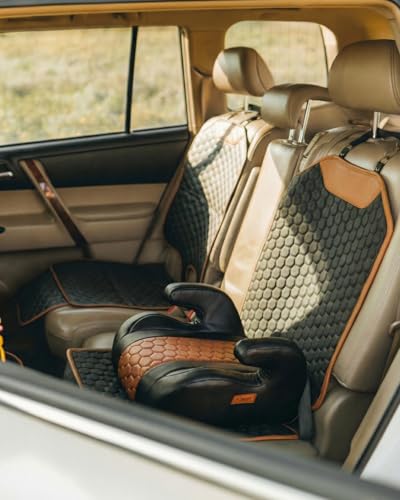
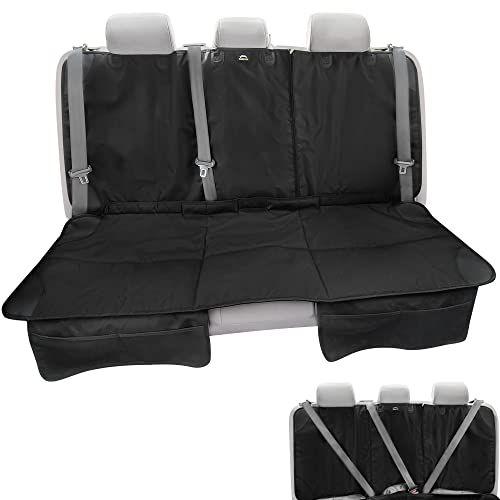
Be cautious of prices that sit far below the typical range for a given model, since that can signal a counterfeit or a seat with an unknown crash history rather than a genuine discount. If you're also protecting your vehicle's interior from repeated installation and removal, a seat protector for leather seats placed under the base keeps upholstery in good shape without interfering with the LATCH connectors or belt path.
Questions Parents Ask Before Buying at This Price
Is a $300 car seat as safe as a $600 one?
Yes, in terms of the legal crash standards both must meet. The $600 seat may offer extra structural reinforcement, a load leg, or more recline options, but a properly installed $300 seat protects a child to the same federal benchmark.
Does side-impact protection cost extra?
Not necessarily. Many seats near the $250 to $300 range already include side-impact features like deep foam side walls, since the newer federal standard is pushing this technology down into the mid-range tier rather than keeping it exclusive to premium models.
Should I buy one convertible seat or two separate seats to stay under $300?
A single convertible seat that covers rear-facing through forward-facing use is usually the better value, since two separate seats at lower price points each often add up to more than $300 combined while offering a shorter total usable window per seat.
Will a budget seat last from toddler through booster age?
Some will, but check the forward-facing weight limit carefully. Seats topping out near 50 pounds typically will not carry a child into booster mode, while a few models under $300 stretch closer to 65 pounds and buy an extra year or two before a booster purchase is needed.
What's the most common mistake when comparing prices?
Assuming a higher price always means better crash protection. In reality, price differences above $300 mostly reflect materials, structural extras, and convenience rather than a meaningfully safer ride for your toddler.
Setting Priorities Before You Shop
A best toddler car seat under 300 search works best when you decide in advance which tradeoffs matter to your family. If a longer usable weight range outweighs premium fabric, focus the search there. If ease of cleaning and a lighter shell matter more for a daily commute, prioritize those specs instead. None of these choices affect whether the seat meets federal crash requirements.
Pair the seat with the rest of your safety setup once it is installed. A dependable baby gate at the top of the stairs and a well-organized diaper bag for quick trips round out the everyday routine that keeps a toddler secure both in the car and at home.