Best Radar Detector Under $300: A Complete Buying Guide
Disclosure: We may earn a commission when you buy through links on this page, at no extra cost to you. As an Amazon Associate I earn from qualifying purchases. Learn more

Shopping in the radar detector under $300 range puts you right in the sweet spot most drivers land in, above the bargain models that miss half their alerts, but well below the flagship units built for people who compare every spec sheet line by line. This is mid-range territory, not a search for one specific make or model. At this budget you're paying for real detection consistency, smarter filtering, and connected features that entry-level units usually skip. Here's what actually changes at this price point, what to prioritize when you compare options, and how to get the most out of whatever you choose.
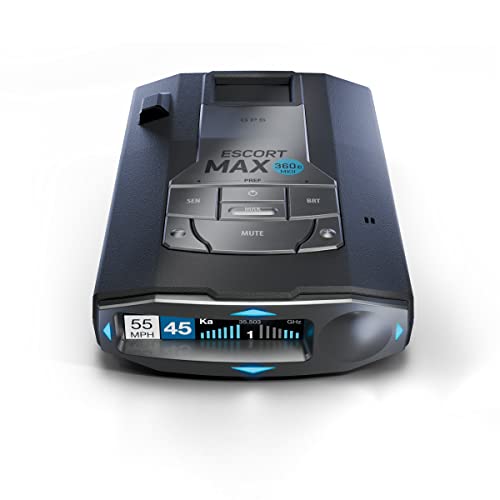
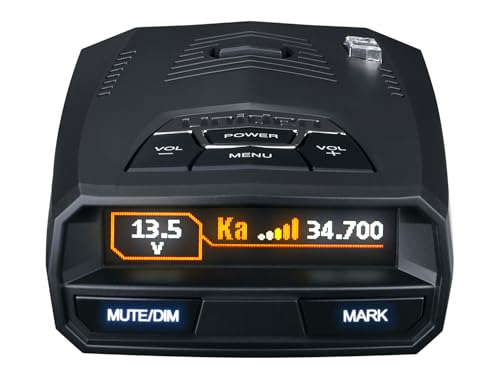
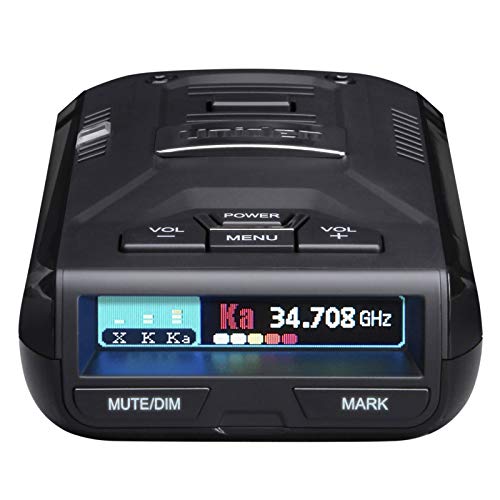
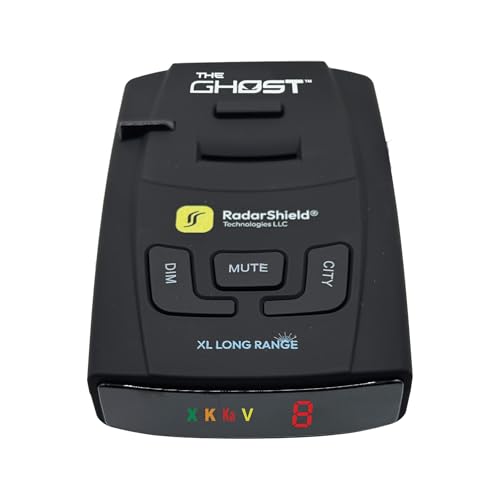


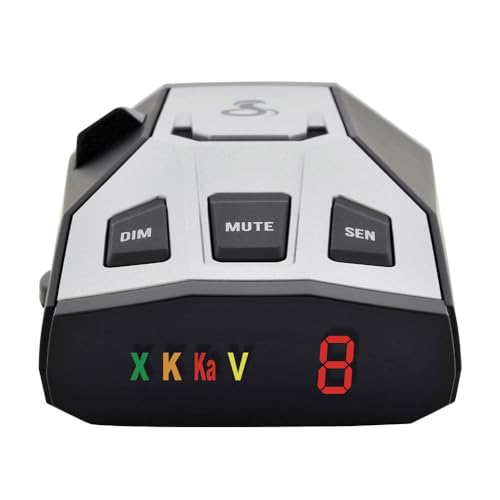
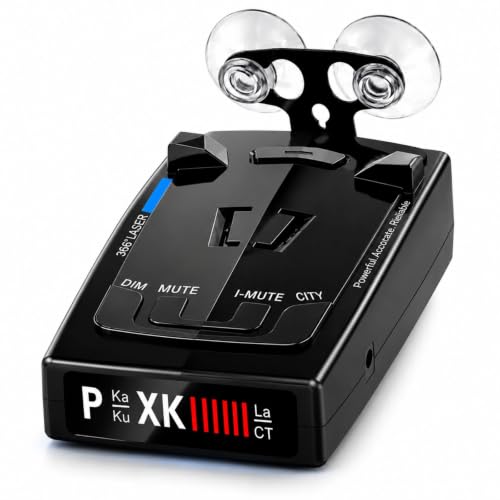
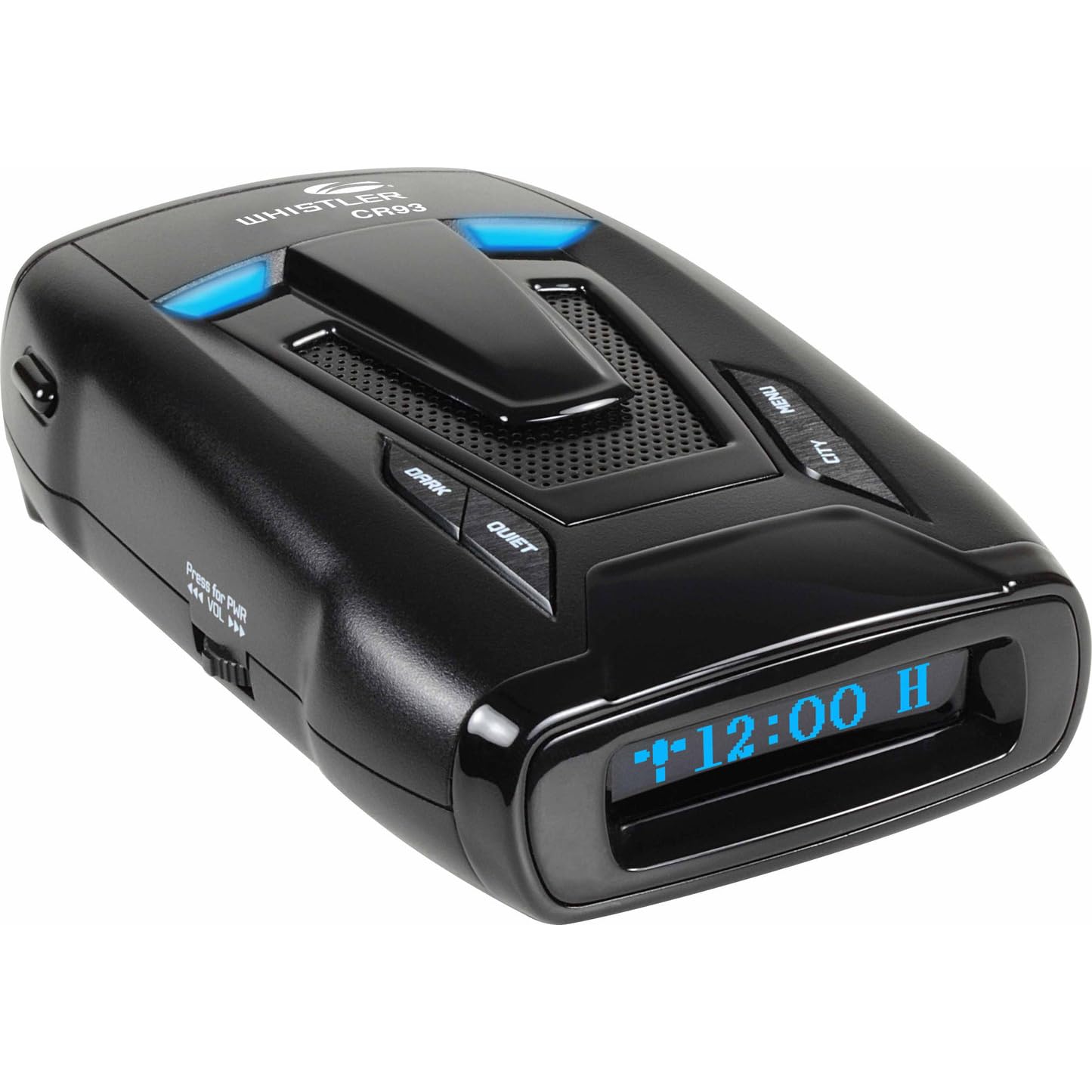
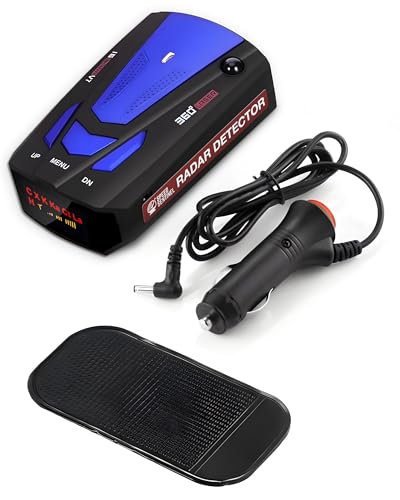
Where the Extra $50 to $100 Actually Goes
Step up from a basic sub-$200 detector and the biggest jump is usually in filtering, not raw sensitivity. Cheaper units can technically pick up the same radar bands, but they alert on everything, including automatic doors, adaptive cruise control systems, and traffic sensors. Detectors in the $200 to $300 range typically add automatic GPS lockouts that learn and mute those repeat false alerts along routes you drive often, so you stop tuning out warnings that turn out to be nothing.
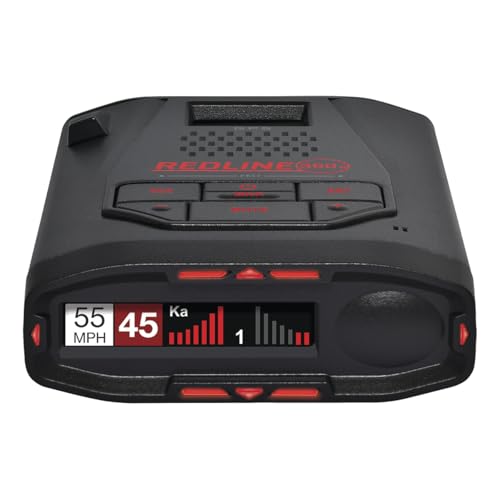
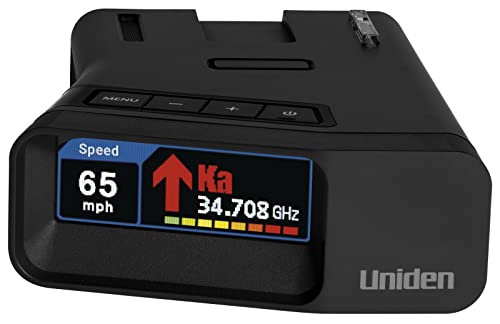
The other place the money goes is usability. Multicolor or higher-resolution displays make it easier to read alert type and signal strength at a glance instead of squinting at a single amber bar. Many models in this tier also add Bluetooth for smartphone app pairing, which brings crowdsourced alerts from other drivers into the mix, something budget units almost never offer. None of this means a cheaper detector is useless, it just means you're trading some of that polish and filtering intelligence for a lower price tag. Whether that trade is worth it depends on how much city driving you do and how tired you are of false alerts.
Specs Worth Prioritizing at This Price Point
Not every spec bump in this range matters equally. Focus on the handful that actually change your day-to-day experience behind the wheel. If you want to see how this tier stacks up against budget and premium options, the complete radar detector buying guide breaks down every price bracket side by side.
GPS Lockouts and Auto-Learn Filtering
This is the single biggest upgrade over entry-level detectors. A unit that automatically flags and mutes stationary false-alert sources, think road sign radar, automatic doors, or traffic monitors near your daily commute, saves you from the effect where you stop trusting alerts altogether. Look for detectors that build this list automatically rather than requiring you to manually mark every false alert yourself.
App Connectivity and Community Alerts
Bluetooth pairing to a companion app adds a second layer of protection: alerts shared by other drivers nearby, even before your detector's own sensor picks anything up. It also usually lets you adjust sensitivity settings and view your current speed limit without digging through onboard menus. This feature is common at this price tier and rare below it, so if connected alerts matter to you, this is where to look.
Display Clarity and Alert Type
A detector that shows the type of threat, whether it's a radar band, laser, or camera, along with rough signal strength, lets you react appropriately instead of reacting to every beep the same way. Multicolor and larger text displays, more common in this range than in cheaper models, make that information easier to process at highway speed.
Laser Detection Range
Laser detection is a much tighter beam than radar and gives far less advance warning by nature, so any improvement in laser pickup range is meaningful. Detectors in this tier generally handle laser noticeably better than sub-$200 models, though no detector can promise much reaction time once a laser gun locks onto your vehicle.
Getting the Best Range Out of Your Mount
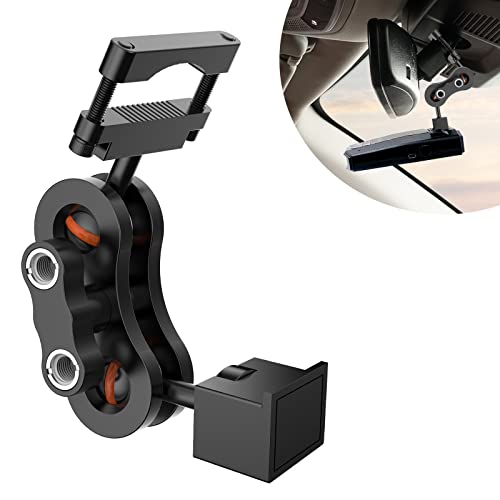
Where you place the detector affects performance more than most buyers expect. Mounting low and centered on the windshield, just below the rearview mirror, generally gives the clearest forward-facing view and the widest angle to pick up signals from oncoming traffic. If you drive in a state that restricts windshield-mounted accessories, a dash mount works almost as well: radar signals pass through glass and most dash materials without a meaningful drop in range, so you're not sacrificing much performance by moving the detector a few inches lower.
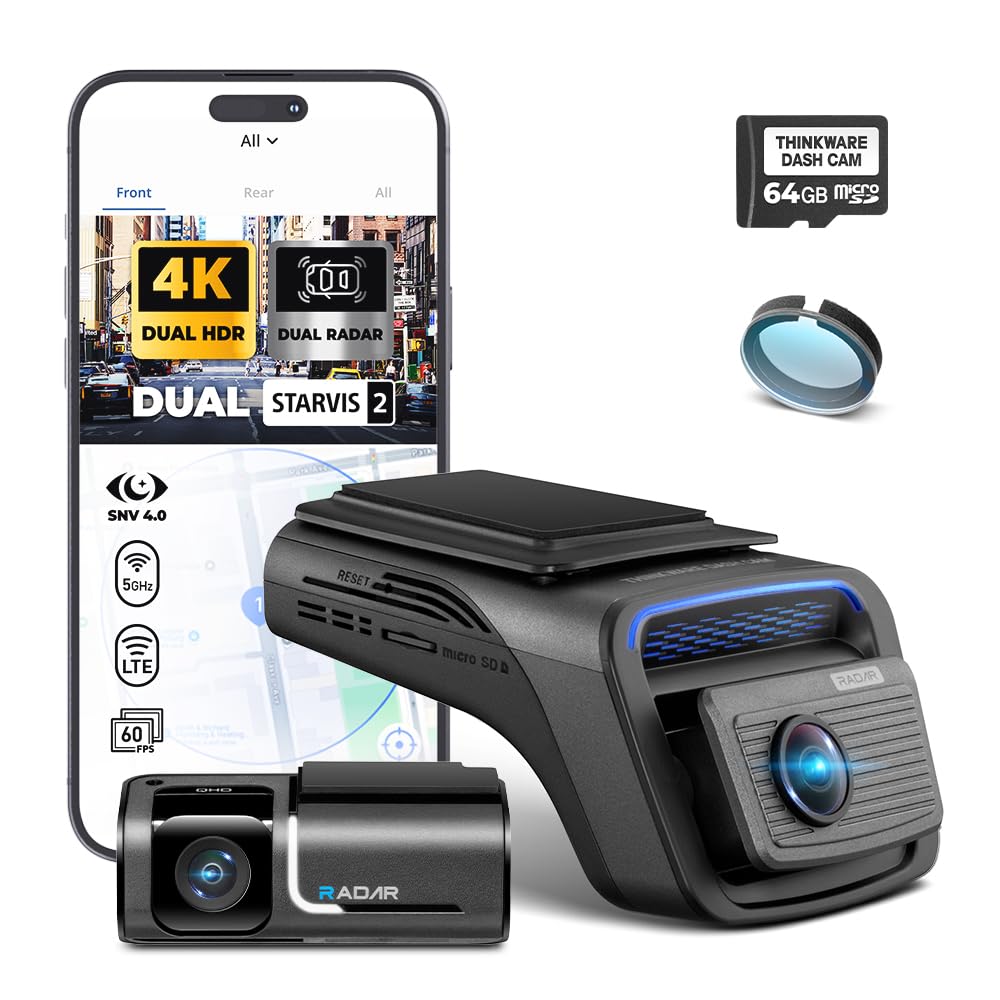
Whichever mount you use, keep the detector's face unobstructed by dashboard clutter, tinted windshield strips, or metallic window coatings, all of which can weaken the signals your detector is trying to pick up. Pairing a detector with a dash cam is common among drivers who want both speed-trap awareness and recorded footage of the drive, and the two devices rarely interfere with each other's mounting position if you plan the layout before installing either one.
Know Your State's Rules Before You Install One
Radar detectors are legal for personal vehicles in every state except Virginia and Washington D.C., where they're banned outright and can be confiscated. Commercial vehicles are a different story: federal law bars radar detectors in any commercial vehicle over 10,000 pounds nationwide, and several states extend restrictions to smaller commercial vehicles too. If you drive a work vehicle, check your specific state's rules before installing one.
A few states also limit what can be mounted directly on the windshield, radar detector included, since it can be treated the same as any other obstruction. That's one more reason a dash mount is worth keeping in your toolkit even if you prefer the windshield position most of the time. None of this affects detection performance, it's purely a matter of staying compliant with local law.
Frequently Asked Questions
Is a radar detector under $300 worth it compared to cheaper models?
For most drivers, yes. This price range typically adds automatic GPS filtering and better displays that cut down on false alerts, which matters more than raw detection range for daily driving.
Do radar detectors handle laser guns as well as radar guns?
Not quite. Laser is a narrow, instant beam aimed directly at your vehicle, so even a strong laser detector usually gives you far less warning time than radar detection does.
Can police tell if I have a radar detector installed?
In most cases, no. Older detection tools could sometimes pick up a unit's internal signal, but most detectors sold today are built to avoid triggering that kind of detection.
Are radar detectors legal where I live?
They're legal for personal vehicles in every state except Virginia and Washington D.C. Commercial vehicle rules are stricter and vary more by state and vehicle weight.
Does where I mount the detector actually change its range?
Yes, to a degree. A low, centered position with a clear forward view performs best, though dash mounts perform nearly as well as windshield mounts since radar passes through glass and plastic easily.
Do I need to use the companion app for the detector to work?
No. The core detection works fine without it. The app adds extras like community alerts and remote settings, but it's a bonus feature, not a requirement.
What usually causes false alerts on a radar detector?
Automatic doors, some traffic sensors, and driver-assist systems on other vehicles are common culprits. GPS-based filtering, common in this price tier, helps mute repeat offenders on routes you drive often.
Making the Call on Value
A radar detector under $300 gives you meaningfully better filtering, display quality, and often app connectivity compared to what you'd get for less, without pushing into the price territory reserved for the most feature-packed flagship units. If you drive daily in mixed city and highway conditions and you're tired of ignoring false alerts, the jump from entry-level pricing into this range tends to pay off in fewer ignored warnings and more accurate ones instead of constant guesswork.