Best Pop Up Tent Canopy: A Complete Buying Guide

A pop up tent canopy is the shortcut version of a backyard shelter: no stakes hammered into concrete, no hour of trial and error with a rulebook, just a folded frame that unfolds into shade in a couple of minutes. That convenience is exactly why it shows up at tailgates, farmers markets, kids' soccer sidelines, and backyard graduation parties. It's also why so many people end up disappointed, because "instant" shelter still has real engineering behind it, and the cheap versions cut corners in ways that only show up once the wind picks up. This guide breaks down what actually separates a canopy that lasts from one that ends up bent in a parking lot.

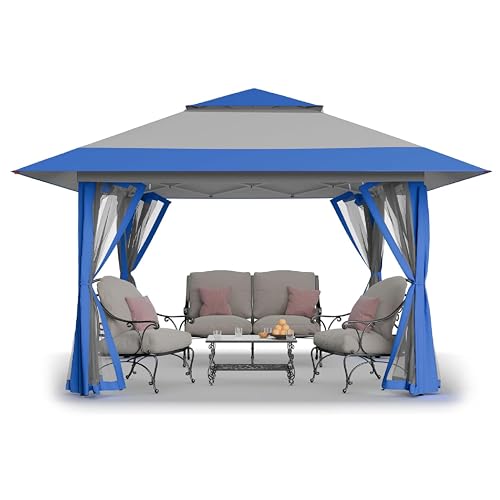
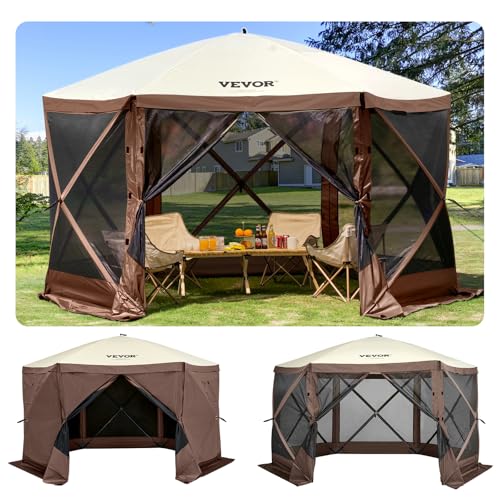
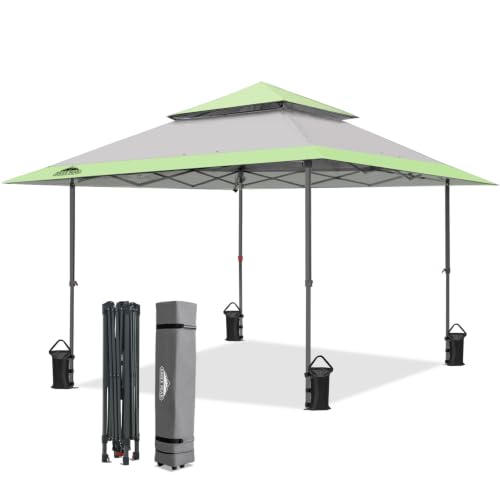
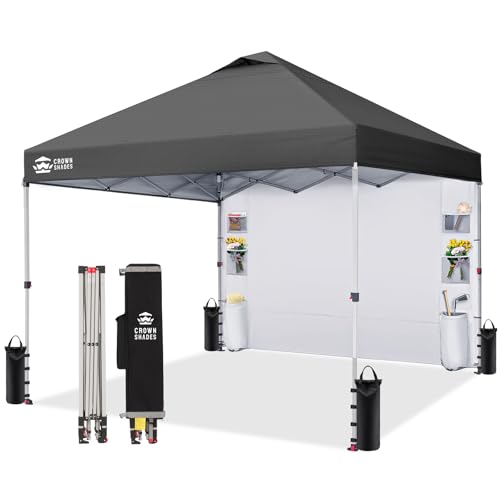

How Big a Canopy Do You Actually Need
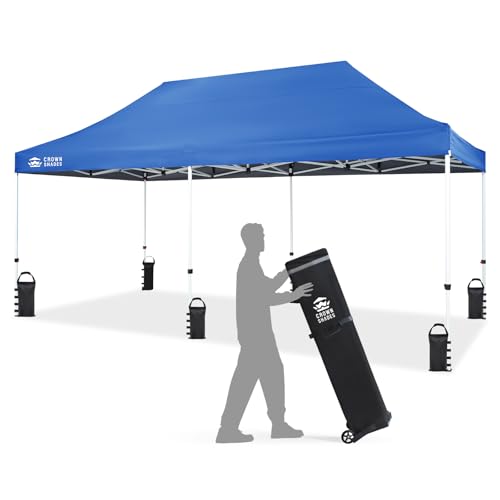
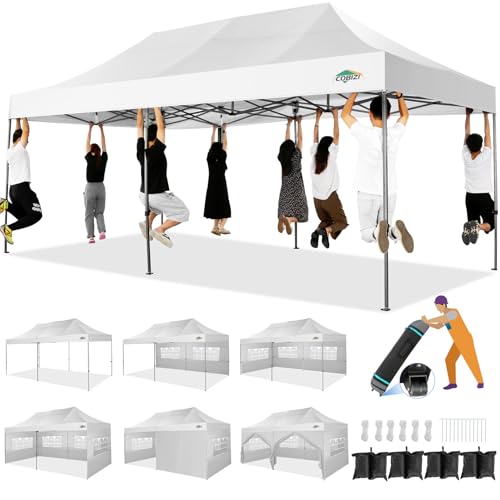
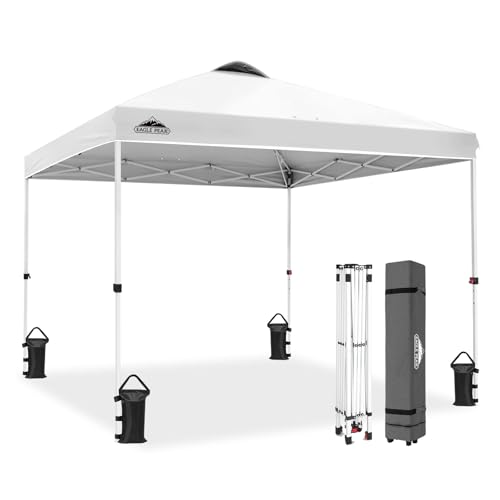
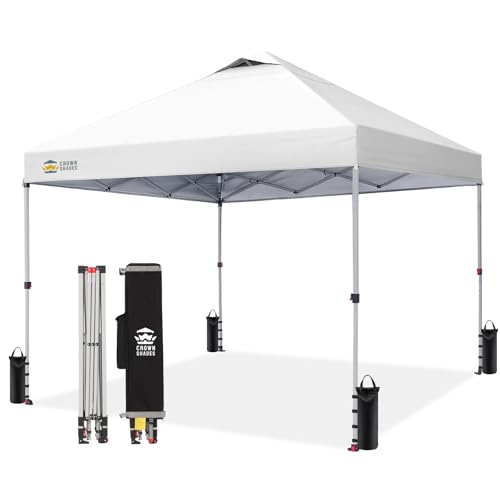
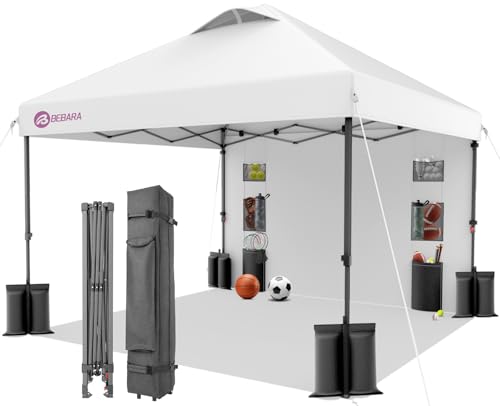
The 10x10 foot canopy is the default size for a reason. It covers 100 square feet, which is enough for a folding table and six chairs, it folds down small enough to fit in most trunks or SUV cargo areas, and one or two people can carry and set it up without much trouble. For a tailgate, a driveway sale, or a single vendor booth, 10x10 is almost always the right call.
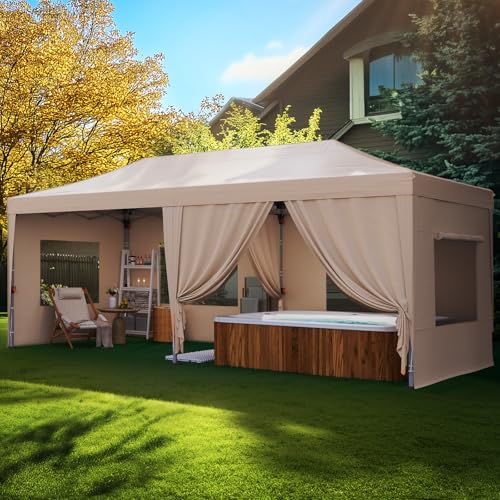
Once you're hosting more than a handful of people, though, 10x10 gets tight fast. A 10x20 canopy doubles the coverage to 200 square feet and works better for weddings, block parties, or anything where you need room for a buffet table plus seating. The trade-off is weight and setup: a canopy that size really does need two people to raise safely, and it takes up noticeably more storage space between uses. If your event is more of a full campsite base camp than a few hours of shade, it's worth comparing against dedicated camping tents, which are built for sleeping and weather protection rather than open-air shade.
Straight-Leg vs. Slant-Leg Frames: Why It Matters More Than the Brand Name
Almost every listing mentions a brand name and a color, but the leg style matters more than either. Straight-leg canopies have vertical legs that meet the ground at a 90-degree angle, which means the shaded area at the top matches the footprint on the ground. They're more stable on flat, hard surfaces like driveways or pavement, and they're what most commercial vendors and rental companies use because they hold up to repeated setup and teardown.
Slant-leg canopies flare outward at the base. They're lighter, cheaper, and easier for one person to fold and carry, and the wider base can actually grip uneven or sandy ground better than a straight leg does. The catch is sizing: a "10x10" slant-leg canopy often shades closer to an 7x7 or 8x8 area at the top, since the top of the canopy is smaller than the base the legs spread out to. If exact coverage matters, straight-leg is the safer bet even though it costs more and packs bulkier.
Setup Speed: What "One-Person Setup" Really Means
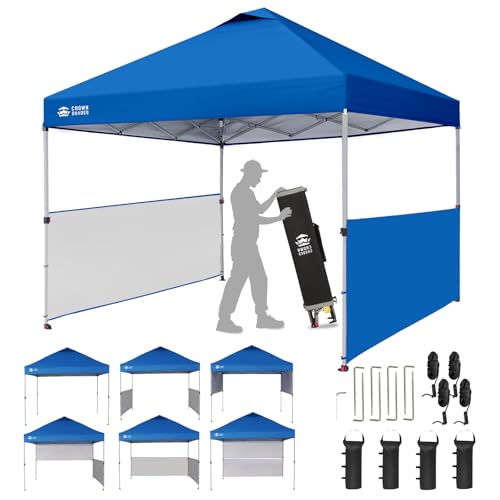
Marketing copy loves the phrase "one-person setup," and to be fair, the mechanism behind it is real. Most modern canopies use a center push-button or a sliding lock system: you lift the center pole, the legs unfold outward on their own, and a single push locks the frame into its final shape without any assembly tools. In timed reviews, a solo person can usually get a straight-leg 10x10 up in around four minutes, versus about three minutes with a second person helping.
Where it gets harder alone is the canopy top itself, especially in any wind. Stretching heavy, coated fabric over a frame and clipping it down at each corner is a two-hand job on each side, and a breeze can turn the whole top into a sail before you've secured it. If you'll regularly be setting up solo, look specifically for a listed one-person rating rather than assuming any pop-up frame qualifies, and expect the process to go faster with practice after the first couple of setups.
Wind Is the Real Enemy, Not Rain
Search through enough tailgate and camping forums and one complaint comes up over and over: canopies that flip, launch, or collapse the moment the wind picks up. A steel-frame pop-up is typically only rated to handle winds in the 15 to 20 mph range without help, and manufacturers generally recommend taking it down entirely once gusts start pushing past 20 to 30 mph. Below that threshold, anchoring is what keeps a canopy on the ground rather than in the neighbor's yard.
That means stakes driven into soft ground, sandbags or water-filled weight bags on pavement where stakes won't work, and ideally guy lines at all four corners for anything more than a calm afternoon. Skipping this step is the single most common reason canopies end up with bent poles or torn fabric, since a gust that catches an unweighted top puts far more stress on the frame than the wind rating assumes. If you're setting up somewhere with open exposure, like a beach parking lot, pair the canopy with real weights rather than relying on the legs alone; the same logic applies to beach tents, which face similar wind loads with even less to anchor to in loose sand.
Fabric and Coating: Why Some Canopies Rip After One Season
The frame gets most of the attention in reviews, but the fabric top is where cheaper canopies usually fail first. Fabric strength is measured in denier, and anything from 300D up to 600D or 1000D polyester holds up noticeably better against tearing and sun fading than the thin, unrated fabric on bargain models. A waterproof PU or PVC coating with heat-sealed seams keeps rain from seeping through the stitching, which is the exact spot where cheaper canopies tend to leak first.
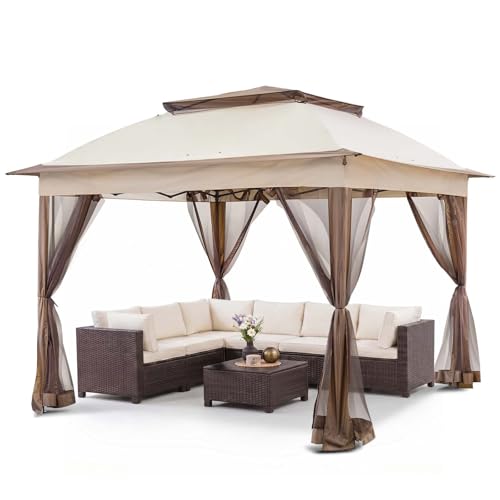
UV exposure matters just as much as rain. A silver-coated underside or a UPF 50+ rating blocks more heat and sun than an uncoated polyester top, which makes a real difference if the canopy is going to sit outside for a full afternoon rather than an hour. None of these specs show up in a product photo, so it's worth reading the actual description rather than judging a listing by its price alone. For anyone weighing a pop-up against a more permanent structure for a patio or backyard, a fixed outdoor gazebo uses similar fabric-grade logic but trades portability for a sturdier, semi-permanent frame.
Quick Answers to Common Questions
Can one person really set up a 10x10 canopy alone? Yes, for the frame itself, especially with a center push-button design. Attaching the fabric top in any wind is the part that benefits from a second set of hands.
Do I need sandbags if I'm already using stakes? On grass or dirt, stakes alone usually hold up to moderate wind. On pavement or a driveway where stakes aren't an option, sandbags or water weights aren't optional extras, they're the only thing keeping the canopy anchored.
Is a 10x10 canopy worth it if I'll rarely use it? For occasional tailgates or backyard gatherings, yes, a mid-range straight-leg or slant-leg 10x10 covers most needs without the storage footprint of a 10x20.
How long should a decent canopy last? With a coated, higher-denier fabric and proper anchoring in wind, a well-built canopy can last several seasons of regular use. Cheaper, unrated fabric tends to fade or tear within a season of consistent outdoor exposure.