Best Outdoor Patio Gazebo: A Complete Buying Guide
A gazebo that looks great in the listing photos but sags after one windy afternoon or traps rainwater in its roof panels is not much of an upgrade to your backyard. Finding the best outdoor patio gazebo for your space means thinking past style and looking at how the frame, roof, and footprint actually hold up once the structure is outside year round.
Some patios need a lightweight cover that comes down each fall, while others call for a permanent hardtop that can take snow load without help. This guide walks through how to choose the frame and roof combination that fits your climate, how to size the structure to your patio, when a screened design earns its keep, and what installation actually involves before you commit to a purchase.



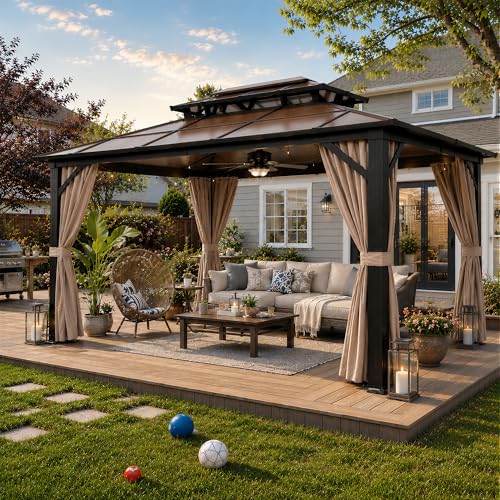
Soft-Top or Hardtop: Picking the Right Gazebo Frame
The single biggest decision in shopping for a gazebo is whether you want a fabric canopy or a rigid roof, and it shapes almost everything else about the purchase. A soft-top gazebo uses a polyester or canvas canopy stretched over a steel or aluminum frame. It costs less, sets up faster, and works well if you mainly want shade for a few months a year and are willing to take it down or store the canopy before winter weather sets in.
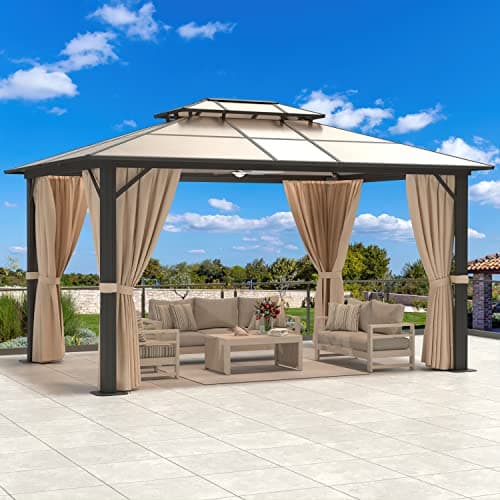
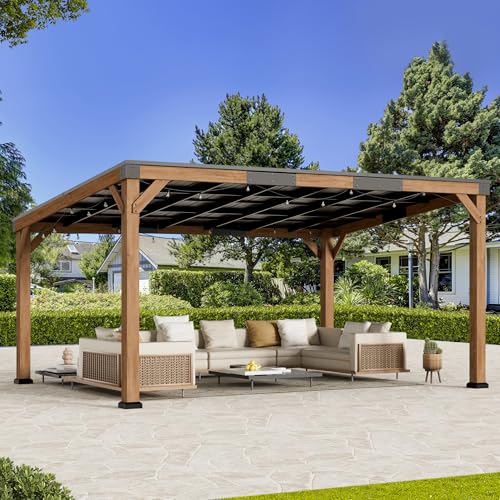
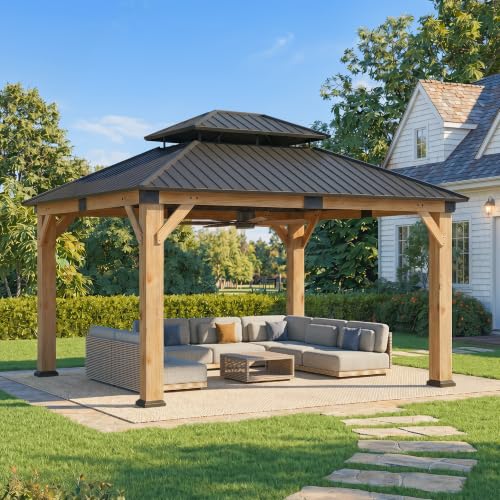
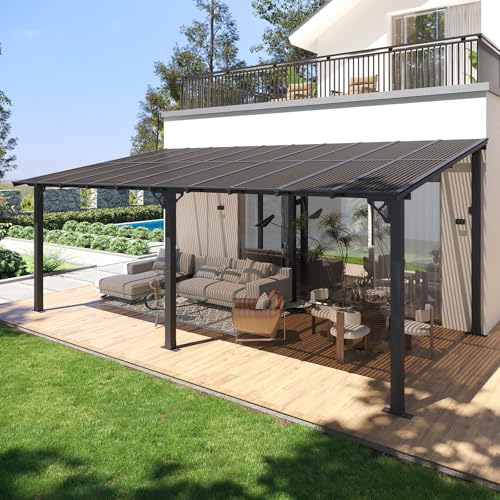
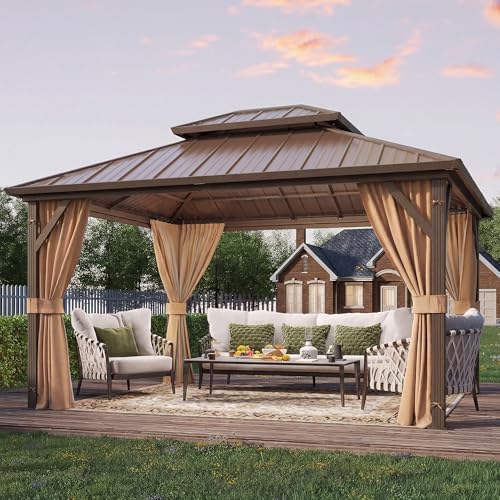
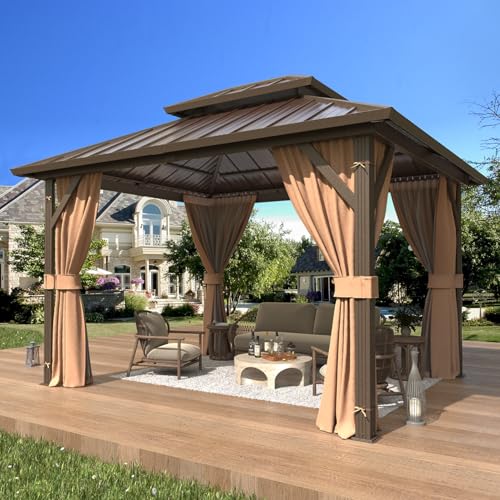
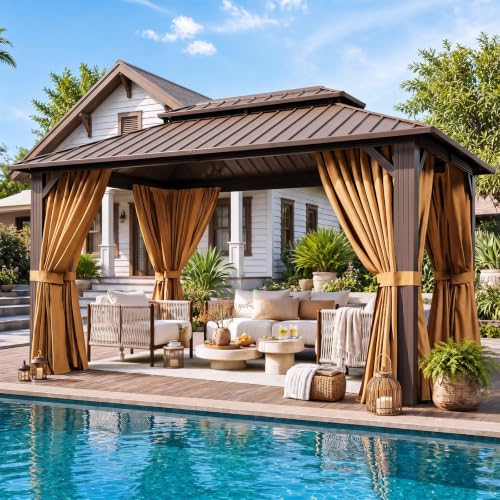
A hardtop gazebo swaps that fabric for aluminum, steel, or polycarbonate roof panels bolted to a permanent frame. It costs more upfront but shrugs off rain, wind, and sun without the fading or tearing that eventually catches up with fabric. If you host outdoor dinners often, want somewhere to keep a grill dry, or live somewhere with real storms, the hardtop earns its price over several seasons. If the gazebo is more of a seasonal accent for lounging on nice afternoons, a soft-top model is easier to justify and far simpler to replace when the canopy eventually wears out.
Frame Material Matters Almost as Much as the Roof
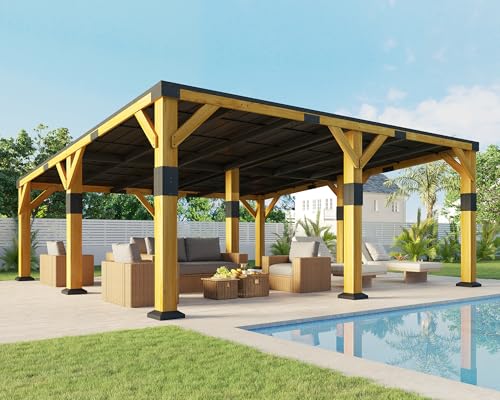
Aluminum frames resist rust and stay lighter, which makes them easier to move or adjust, while steel frames are heavier and generally stiffer in strong wind but need a rust-resistant coating to last outdoors. Wood frames, usually cedar, bring a warmer look and pair naturally with a wooden pergola elsewhere on the property, though they need occasional sealing to fight rot and insect damage.
Screened, Open-Air, or Curtained: Matching Gazebo Style to How You'll Use It
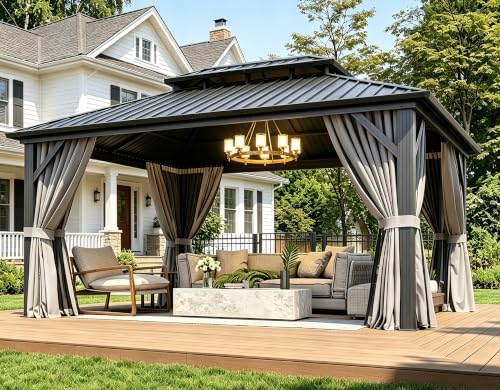
Beyond frame and roof, gazebos split into a few usage styles that solve different problems. An open-air gazebo is just a roof and posts, which keeps sightlines open and airflow unrestricted but leaves you exposed to mosquitoes and blowing debris. A curtained gazebo adds fabric panels around the sides that you can tie back or close for wind and privacy, giving you some flexibility without fully enclosing the space.
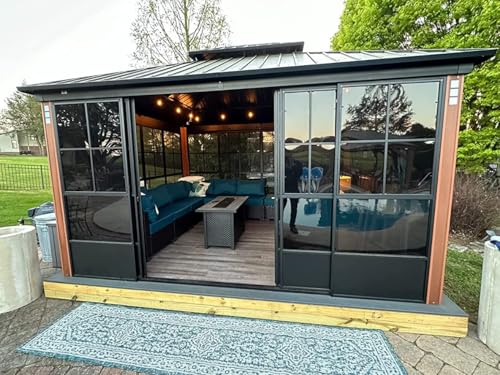
A screened gazebo takes it a step further with mesh netting built into the sides, which matters most if you live somewhere mosquitoes or gnats make evening meals unbearable. The tradeoff is reduced airflow on still days and a structure that is noticeably harder to fold down or store compactly. If bugs are not a serious problem where you live, an open-air or curtained design gives you more flexibility for the same footprint. If you already deal with screened porches or need a lighter, more portable option for occasional use, a pop-up canopy can cover some of the same ground without the permanent commitment.
Right-Sizing a Gazebo for Your Patio or Backyard
A gazebo that is too small feels cramped the moment you add furniture, while one that is too large overwhelms a modest patio and can even run into setback rules from your city or HOA. Start by measuring the actual space you have, then subtract at least two to three feet of clearance on each side for walking room and airflow.
- A 10 by 10 foot gazebo comfortably fits a small bistro set or a couple of lounge chairs for two people.
- A 12 by 12 foot structure works well for a standard patio dining set that seats four to six.
- Anything 14 by 14 feet or larger starts to suit larger gatherings, an outdoor kitchen setup, or a dining table plus a separate seating area.
Also check the height clearance if you plan to add a ceiling fan, string lights, or a hanging planter, since lower-profile gazebos can feel closed in once accessories are added.
Installation and Wind Anchoring: DIY or Call a Pro
Most soft-top gazebos are genuinely manageable for two people to assemble in an afternoon using basic hand tools, since the frame pieces are lightweight and the canopy simply stretches over the top. Hardtop and wood-framed gazebos are a different project. The roof panels are heavier, alignment matters more for a watertight fit, and larger kits often benefit from a second pair of hands or a local installer, especially if the structure needs to be bolted to a concrete pad.
Whichever type you buy, plan for how you will anchor it against wind before the first storm, not after. Ground stakes work for gazebos set on grass or soil, auger-style anchors grip harder in loose ground, and weighted bases or sandbags give you a removable option on a hard surface like a deck or patio slab. Many hardtop models also include mounting brackets for a permanent bolt-down installation, which is worth using if the gazebo is staying put for years rather than moving with the seasons.
Frequently Asked Questions
What is the difference between a gazebo and a pergola?
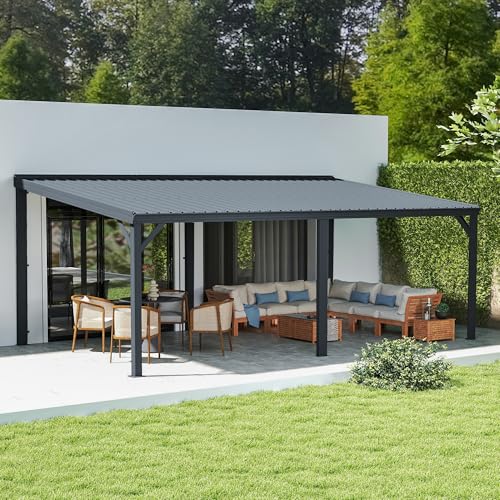
A gazebo has a solid or fabric roof that blocks sun and rain, while a traditional pergola has an open lattice top that filters light but does not fully shield you from weather. Some hybrid pergola designs add retractable canopies to close that gap.
Do I need to anchor my gazebo to the ground?
Yes, almost any gazebo needs some form of anchoring once it is set up outdoors, since even a moderate gust can lift or tip an unsecured frame. The right method depends on your surface, from ground stakes on grass to weighted bases on concrete or a deck.
Can a gazebo stay up through the winter?
Hardtop and permanently mounted gazebos are generally built to handle winter weather, though heavy snow load should still be cleared from the roof. Soft-top canopies typically need to come down before winter, since accumulated snow and ice can tear the fabric or bend the frame.
Do gazebos require a building permit?
It depends on your location and the size of the structure. Many areas exempt smaller, freestanding gazebos, but permanent installations over a certain square footage or height often need a permit, so it is worth checking with your local building department before buying.
Is a hardtop gazebo worth the extra cost?
If you plan to use the space regularly and want to avoid replacing a canopy every few seasons, a hardtop pays for itself over time through durability alone. If you only need shade occasionally or want the option to store it away, a soft-top is easier to justify.
Can one person set up a gazebo alone?
Smaller soft-top models can usually be handled solo with patience, but anything with a heavy hardtop roof or a footprint over 10 by 10 feet is much easier and safer to assemble with a second person, particularly when lifting roof panels into place.
The Bottom Line on Choosing a Patio Gazebo
The best outdoor patio gazebo for your yard comes down to matching frame and roof type to your climate, sizing the footprint to how you actually plan to use the space, and having a real anchoring plan before the first strong wind tests it. Once you have narrowed down those basics, features like screening, lighting, or a heater for cooler evenings become easy additions rather than deciding factors.