Best Circuit Breaker Panel at Every Price for 2026
Disclosure: We may earn a commission when you buy through links on this page, at no extra cost to you. As an Amazon Associate I earn from qualifying purchases. Learn more

The best circuit breaker panel for your home by price tier, capacity, build quality and long term costs, so you can judge where spending more truly pays off.
Prices for home electrical panels vary widely, and a higher price does not always mean a better fit for your home. A best circuit breaker panel choice depends on your home size, your current and future circuits, and the work your local rules require. The comparison table below gives a quick overview, while this guide explains what each price level really buys.
This guide compares price tiers, features, and long term costs without naming individual products. Panel work can be dangerous, so treat this guide as a buying aid only: follow maker guidance, follow local codes, and hire a licensed professional for panel installation or replacement.

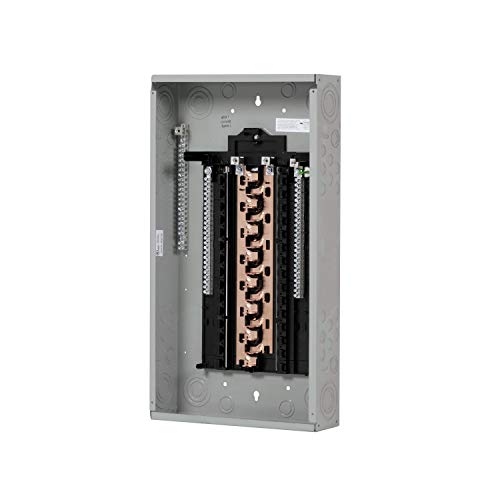
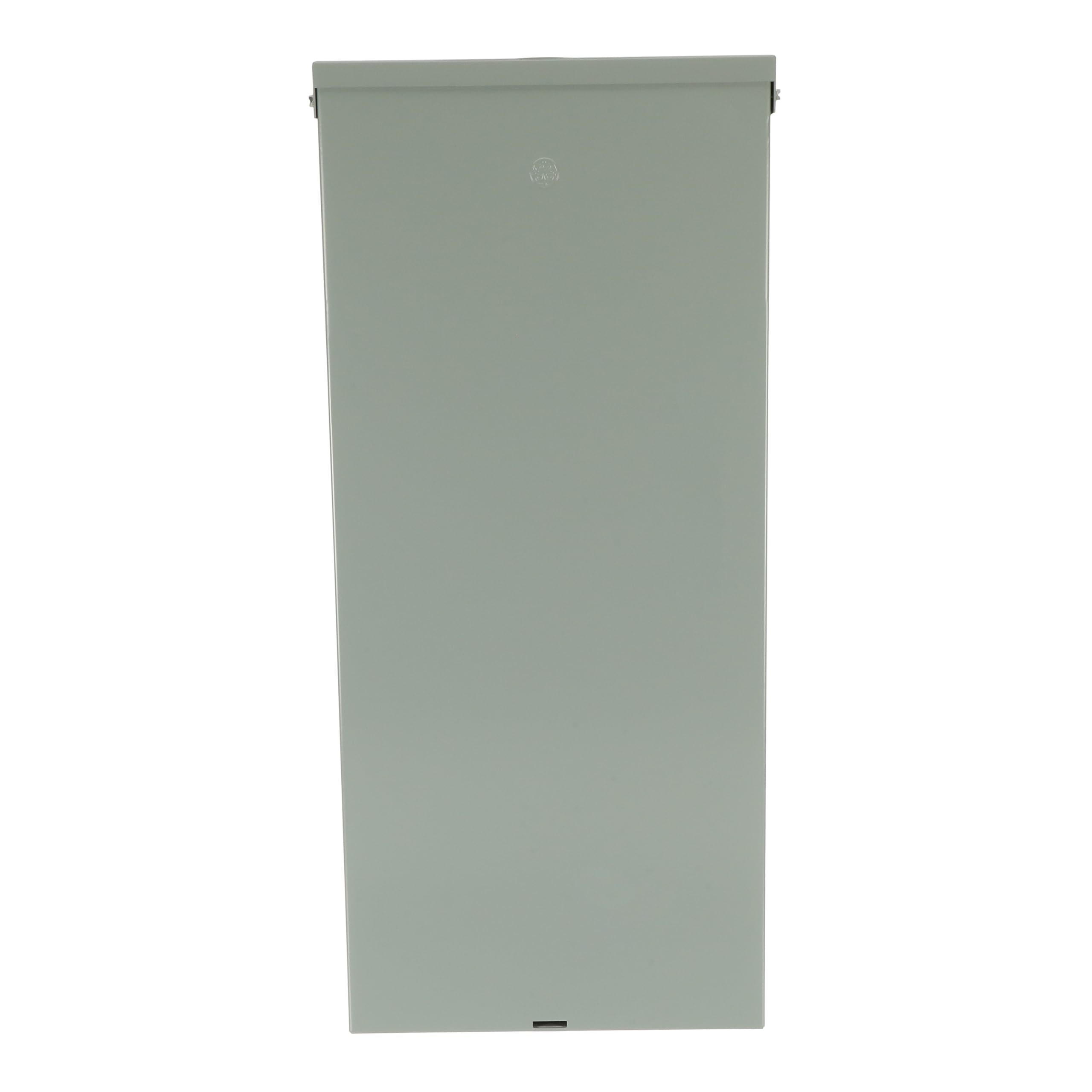


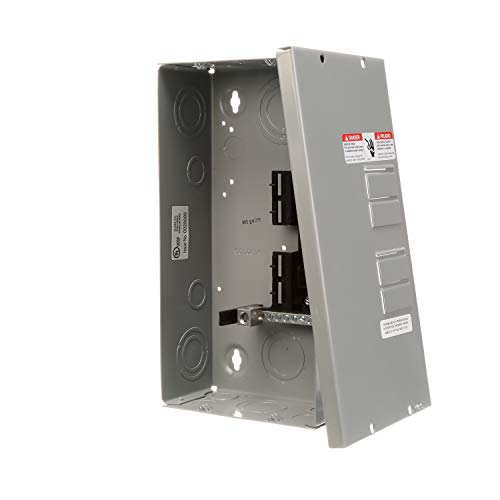
Spending Levels by Price Tier
Price tiers describe what is typical at each level, not a guarantee about any single panel. Use the tiers to set a realistic budget, then compare capacity, space, and build within that tier. A panel that is too small for your circuits is a poor buy at any price.
What a Lower Budget Covers
A lower budget, about $100 to $300 for the panel itself, usually covers a basic panel with enough spaces for a small home or a modest upgrade. These panels suit a home with few circuits, no large electric additions planned, and a straightforward layout. Expect standard construction and fewer spare spaces, so count your circuits carefully and leave room for one or two future additions. Installation labor, permits, and breakers are separate costs, so the panel price alone does not show the full project cost.
Where a Middle Budget Adds Value
A middle budget, about $300 to $700 for the panel itself, often adds more circuit spaces, a sturdier enclosure, and clearer labeling space. This level suits most family homes, homes with a workshop or an electric vehicle charger on the way, and anyone who wants spare capacity without paying for top end extras. The added spaces matter more than a fancy finish, because running out of spaces later can force a costly subpanel or a full replacement. Compare the number of usable spaces, not just the headline space count, since some spaces are lost to double pole breakers.
When a Higher Budget Pays Off
A higher budget, about $700 to $1,500 or more for the panel itself, usually buys a larger capacity panel, a heavier enclosure, and features such as surge protection or easier breaker access. This level suits large homes, homes with many electric loads, and major remodels where future growth is likely. Spending more pays off when you genuinely need the capacity or the durability, but it does not pay off for a small home with stable loads. Never judge a panel by price alone: capacity, compatibility with your existing breakers, and local code approval matter more.
Features Worth Paying For in the Best Circuit Breaker Panel
Some features earn their price every day, while others only matter in specific homes. Judge each feature by whether it changes safety, capacity, or ease of use for your household. The list below names both the features worth paying for and the ones most buyers can skip.
Ease of Use and Setup
Clear labeling, roomy wiring space, and breakers that seat firmly are worth paying for, because they make future work safer and faster for a professional. A panel with cramped wiring or vague labels slows every later change and raises the chance of a mistake. Skip decorative covers or color matched trims, which add cost without improving safety or function. Ease of use here means ease for the electrician, not a do it yourself project, since panel work should stay with a licensed professional.
Size, Weight, and Fit for Your Space
Panel size must fit the wall space, the working clearance your local code requires, and the cable entry points in your home. A larger panel gives more spaces but needs more wall and more clearance, so measure before you buy. Skip an oversized panel for a small home, because unused capacity still costs money and wall space. Fit also includes breaker compatibility, so confirm that the breakers your home already uses will work with the new panel.
Build Quality and Materials
A sturdy steel enclosure, solid bus bars, and a firm breaker connection are worth paying for, because the panel protects your whole home. Look for a panel that meets the standards your local code requires, and check the warranty terms for the enclosure and the bus. Skip thin enclosures that flex when a breaker is seated, since a loose connection can overheat. Build quality shows in the details, not in the finish, so focus on the parts that carry current.
Intended Use and Who It Is For
A small home with gas heat and few circuits needs a different panel than a large all electric home with a workshop. Rental owners may value simple labeling and durable construction, while a growing family may value spare spaces above all. Skip features aimed at a different use, such as extra capacity for loads you will never add, because they raise the price without helping your home. Match the panel to your actual loads, then add a small margin for growth.
Price vs Value
Value means the right capacity, the right build, and room to grow, at a price you can afford including installation. A low panel price can hide high labor costs if the panel needs rewiring, while a higher panel price can save money if it avoids a later replacement. Skip the cheapest panel when it lacks the spaces you need, and skip the most expensive panel when its extras do not serve your home. Compare the total project cost, including breakers, permits, and professional labor, before you judge value.
Long Term Costs to Factor In
The panel itself is only part of the total cost. Breakers for new circuits, surge protection, labeling, permits, and professional labor all add up, and a panel that is too small can force a subpanel later. Energy use is not a panel cost in the usual sense, since the panel does not consume much power itself, but poor connections can waste energy and create heat.
A longer warranty can reduce replacement risk, though it does not replace proper installation. Budget for a professional inspection after major work, and keep spare breakers of the correct type on hand for future changes.
Frequently Asked Questions
Are expensive breaker panels worth it?
Expensive breaker panels are worth it when your home needs the extra capacity, the stronger enclosure, or the added features they provide. A large home, a major remodel, or many electric loads can justify the higher price, because a too small panel leads to a costly replacement later. For a small home with stable loads, a mid priced panel with enough spaces usually offers better value. Judge worth by capacity and build, not by price alone.
How do I maintain a breaker panel?
You maintain a breaker panel by keeping it dry, clear, and labeled, and by having a professional inspect it when you notice a problem. Keep the area in front of the panel clear, never store items against it, and check that labels match the rooms they serve. Do not open the panel cover yourself, since live parts inside can cause serious injury. Call a licensed electrician for buzzing, warmth, a burning smell, or breakers that trip often.
What features matter most when buying breaker panels?
Capacity, breaker compatibility, and build quality matter most when buying breaker panels. Enough spaces for your current circuits plus a few spares prevents a costly upgrade later, while compatibility avoids replacing breakers you already own. A sturdy enclosure and solid bus bars protect the whole system. Clear labeling and roomy wiring also help, because they make future professional work safer and faster.
How long does a breaker panel last?
A breaker panel should last about 25 to 40 years with proper installation and normal use, depending on the environment and the loads it serves. Panels in damp, dusty, or hot locations may age faster, while a dry indoor panel often lasts longer. Breakers themselves may need replacement sooner if they trip often or show wear. A professional inspection can tell you whether an older panel still meets current safety standards or should be replaced.
How much should I spend on a breaker panel?
You should spend enough to cover the right capacity, a sturdy build, and professional installation, which together matter more than the panel price alone. The panel itself may cost about $100 to $1,500 depending on size and features, while labor, breakers, and permits add a large share of the total. A small home may manage well at the lower end, while a large home needs a larger budget. Get a professional quote for your home before you set a final budget.
Final Thoughts
Start with your circuit count, add a few spare spaces, and choose a sturdy panel that fits your wall and your local code. Price tiers help you set expectations, but capacity and build decide whether a panel serves your home well.
For help choosing the breakers themselves, see our guide to the best circuit breakers for type and rating differences. If you need help finding a tripped circuit, see our guide to the best circuit breaker finder for how those tools work. For safe checks and diagnosis, see our guide to the best circuit testers for what to check safely. The right best circuit breaker panel is the one with room to grow, a solid build, and professional installation, so review the product table above once more and get a licensed quote before you commit.