Best Pill Cutters Made Simple: A Clear Buying Guide
Disclosure: We may earn a commission when you buy through links on this page, at no extra cost to you. As an Amazon Associate I earn from qualifying purchases. Learn more

A plain language guide to the best pill cutters: box, scissor and multi pill styles, sizes, blades and safety.
Splitting a tablet with a kitchen knife often leaves uneven pieces, crumbs and a risky wrong dose. A pill cutter holds the tablet steady and slices it cleanly, which helps people who need half doses, have trouble swallowing or give split tablets to pets on a vet's advice. This guide to the best pill cutters starts with the basics, explains the specs that matter in plain language and flags common mistakes for first time buyers.
We go from the fundamentals to key specs, rookie mistakes, first use tips and answers to common questions. Every cutter in the table above is sold new on Amazon US. Most important of all: ask your pharmacist or doctor before splitting any medication. Extended release, enteric coated and many other tablets and all capsules should not be split, and splitting the wrong pill can change how the drug works.


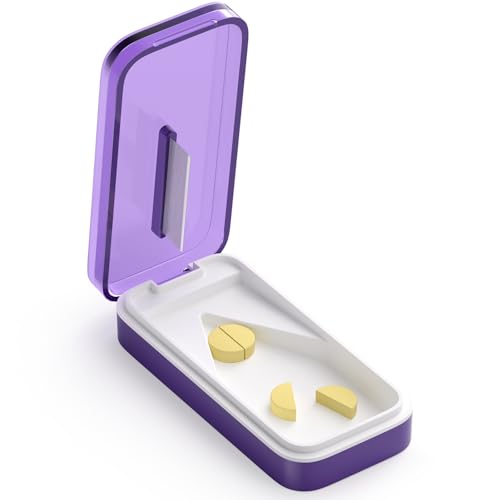
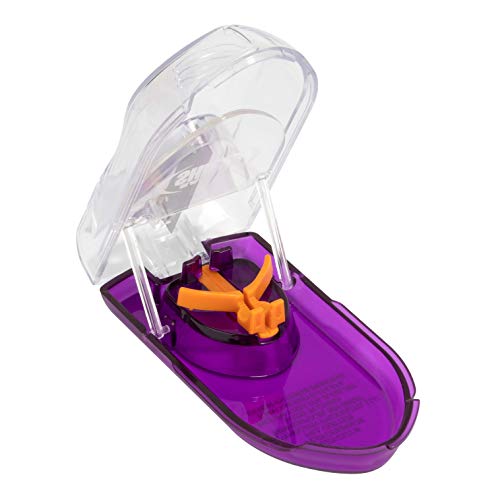

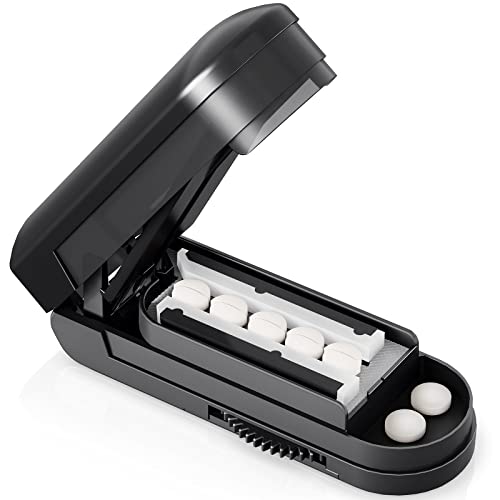

Pill Cutters 101: The Basics
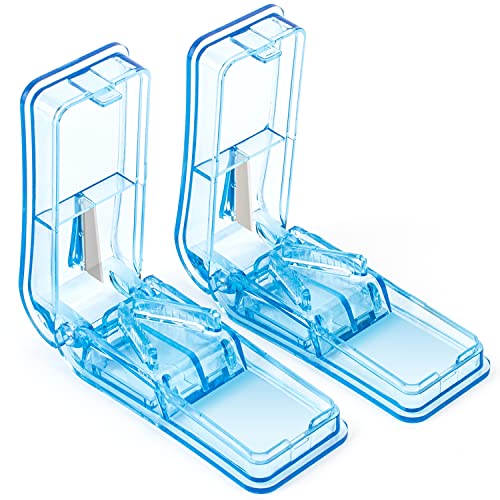
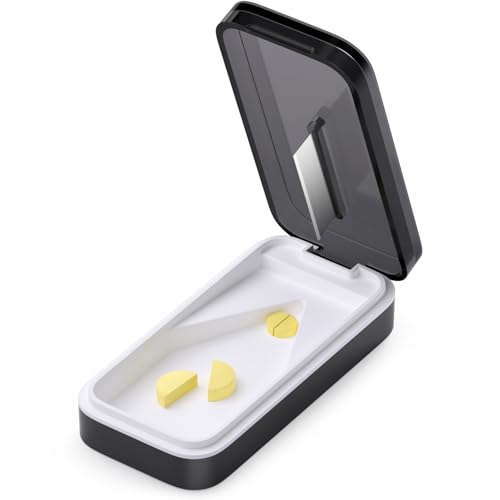
A pill cutter is a small tool with a sharp blade and a holder that keeps a tablet in place while you cut it into halves or quarters. Most work like a hinged box: you place the pill in a V shaped slot, close the lid and the blade presses down through the tablet.
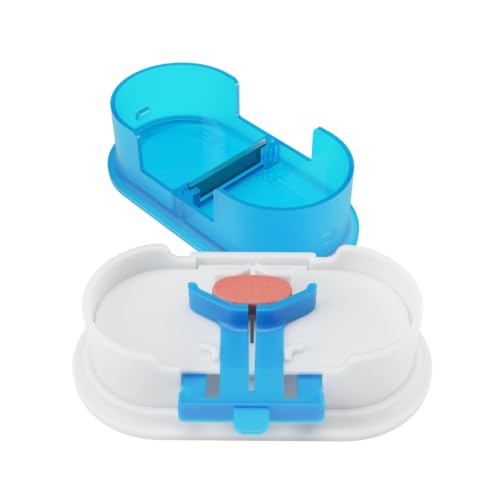
There are three common styles. Box cutters, like the EQUADOSE, AVIDACE and Apex models, are the most popular and often include storage for cut pieces. Scissor cutters, like ALLEX's and AUVON's, cut by hand and let you see exactly where the blade lands. Multi pill cutters, like DEPAD's, split several tablets at once.
A few terms come up often. A scored tablet has a line pressed into it to show where it can be split. A V slot or centering device lines the pill up under the blade. A blade guard covers the blade when the cutter is closed or not in use.
Why do people split pills at all? A doctor may prescribe a half dose, a tablet may only come in a strength that is too high, a large pill may be hard to swallow or a vet may prescribe a portion of a tablet for a small pet. In each case, the goal is two even halves with as little crumbling as possible.
Key Specs for the Best Pill Cutters, in Plain English
The specs that matter most are the pill sizes a cutter handles, how it holds the pill, blade quality, safety features and how easy it is to clean.
Intended Use and Who It's For
Match the cutter to your pills. Tiny tablets need a holder that grips small sizes: SevenYing and BUG HULL list pills from 4.5 mm to 28 mm across, and DEPAD lists widths from 2 mm to 15 mm.
Large or thick pills suit strong scissor cutters, like ALLEX's, which cut tablets up to 12 mm thick. People with arthritis or weak grip benefit from cutters that need little pressure, like Ezy Dose's, whose products are often endorsed by the Arthritis Foundation. People who split many pills at once save time with DEPAD's multi pill design.
Pet owners often need very small portions of a tablet. ALLEX notes its scissors work for children, older adults and pets such as dogs and cats that have trouble swallowing. Always follow your vet's dosing instructions for animals.
Build Quality and Materials
Stainless steel blades stay sharp and resist rust. EQUADOSE uses twin stainless blades, one on top and one on the bottom, for more even halves, and ALLEX uses Japanese stainless steel sharpened by craftsmen in Seki, Japan. Housings range from BPA free plastic, like SevenYing's and AUVON's, to optical grade polycarbonate, like Apex Ultra's.
The holder matters as much as the blade. Soft silicone V pads, like SevenYing's and BUG HULL's, grip round pills gently, while BUG HULL notes that square or irregular pills can be harder to line up. DEPAD uses two adjustable bars that hold round, rectangular and oval pills in place, and Apex Ultra uses a flexible V shaped holder.
A sturdy hinge keeps the blade coming down in the same spot each time, which helps with even halves.
Safety and Certifications
Blade guards protect fingers, especially for older adults and homes with kids. Apex Ultra adds a retracting blade guard, and DEPAD keeps its blade hidden until you press down. BPA free materials matter for a tool that touches medicine daily. Keep pill cutters out of children's reach like any sharp tool.
Pill cutters are simple tools without formal safety certifications, so focus on practical safety: a covered blade, a stable base that does not slip on the counter and a size you can handle comfortably.
Maintenance and Long Term Costs
Pill dust left in a cutter can mix with the next medicine, so easy cleaning matters. BUG HULL and SevenYing use removable silicone pads, AVIDACE has a detachable back cover and AUVON says its scissor cutter can be rinsed under running water and dried before use. Blades dull over time, so plan to replace a cutter every so often.
Do not use harsh detergents on scissor cutters unless the maker allows it; AUVON advises keeping its cutter away from detergents. A soft brush helps clear dust from corners and slots.
Price vs Value
Budget cutters cost around $3 to $9, like the Apex basic cutter at around $3, the AUVON scissor cutter at around $6 and the AVIDACE 2 pack at around $5. Mid range cutters, like the ALLEX scissors at around $15 and DEPAD multi pill cutter at around $13, add precision blades and special features. The EQUADOSE, at around $18, adds a centering device and dual blades.
Value depends on your pills more than the price. A $5 cutter that handles your tablets cleanly is a better buy than an $18 cutter built for a different pill shape.
Rookie Mistakes to Avoid
- Splitting pills that should not be split. Always check with a pharmacist first; extended release and coated tablets are common examples.
- Using the wrong size cutter. AUVON notes pills outside the 5 to 15 mm range may break unevenly.
- Trying to cut capsules. SevenYing and BUG HULL say their cutters are not for capsules.
- Skipping cleaning. Residue can mix between different medicines.
- Splitting a week's supply at once without asking. Some split tablets lose potency when exposed to air and moisture, so ask your pharmacist.
Most of these mistakes are easy to avoid with one quick conversation with your pharmacist and a look at your pill's size before you order.
Getting Started: Setup and First Use
Read the manual before first use, and wipe the cutter clean. Place the tablet in the V slot with the score line under the blade if it has one. For box cutters, close the lid with one firm, quick press, as BUG HULL recommends. For scissor cutters, cup one hand under the pill to catch both halves, as AUVON suggests.
Clean and inspect the cutter regularly. Brush out crumbs, wipe the blade carefully and let it dry fully. Store cut halves in the cutter's compartment or a labeled container, and use the other half at the next dose.
If you take more than one split medication, use a separate cutter for each, or clean the cutter fully between them, to avoid mixing residue. Label each cutter so family members do not mix them up.
Frequently Asked Questions
How long does a pill cutter last?
A pill cutter often lasts many months to a few years, depending on how often you use it and how hard your pills are. Replace it when the blade dulls, cuts become uneven or tablets start to crumble. Low cost 2 packs, like AVIDACE's, give you a spare.
Keep the blade guard closed between uses to protect the edge.
Are expensive pill cutters worth it?
For many people, a basic cutter works fine. Paying a little more, around $13 to $18, buys features like EQUADOSE's centering device and dual blades, ALLEX's Japanese steel for large tablets or DEPAD's multi pill cutting, which help with tiny, thick or many pills.
If your pills crumble in a basic cutter, an upgrade is usually worth it.
What features matter most when buying pill cutters?
A holder that fits your pill size, a sharp stainless steel blade, a blade guard and easy cleaning matter most. People with weak grip should look for cutters that need little pressure.
A compartment for cut halves, found on many box cutters, keeps the second half clean and ready for the next dose.
How much should I spend on a pill cutter?
Expect around $3 to $9 for basic box and scissor cutters and around $13 to $18 for precision or multi pill models. Most people do not need to spend more than about $20.
Many pharmacies also sell basic cutters, but online listings make it easier to compare sizes and features.
How do I maintain a pill cutter?
Clean it after each use by brushing out crumbs and wiping the blade carefully. Remove silicone pads or back covers if the cutter has them, rinse if the maker allows it and dry fully before closing. Keep it in a dry place away from children.
Final Thoughts
The best pill cutters fit your pill size, hold tablets steady and cut cleanly with a sharp, guarded blade. Choose a box cutter for everyday use, a scissor cutter for large or thick tablets and a multi pill cutter if you split many tablets at once. Always confirm with your pharmacist that a medication can be split.
For more health and home guides, see the best wrist blood pressure monitors, the best reacher grabber tools, the best mosquito bite relief and the best foot massager. Then compare current prices in the product table above.