Best Outdoor Stack Chair: The Complete Buying Guide
Packing away six or eight chairs after a weekend cookout should not turn into a wrestling match with tangled legs and scraped paint. The whole point of an outdoor stack chair is to skip that mess: nest the chairs into one column, slide that column against a wall or into a shed, and get your patio floor back in under a minute. Not every chair marketed as stackable pulls that off once you actually own it, though.
Frame angle, leg shape, and material decide whether a stack sits flush and steady or leans, jams, and scuffs after a season outside. This guide focuses on the mechanics that matter most for stacking and storage, not general patio shopping: how frames are engineered to nest, how many chairs you can safely pile up, and what to do with the stack once the party is over.
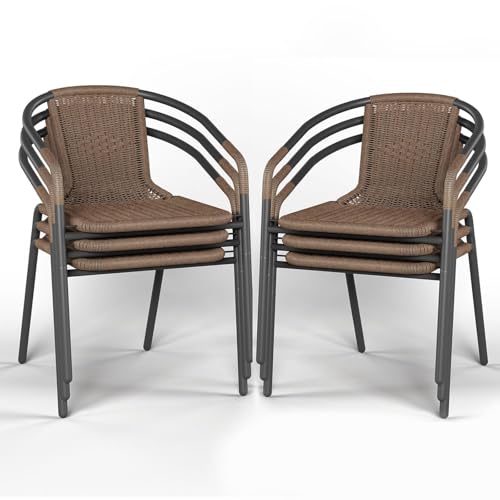
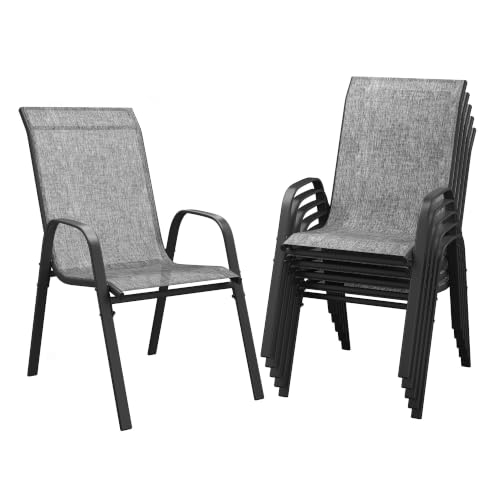
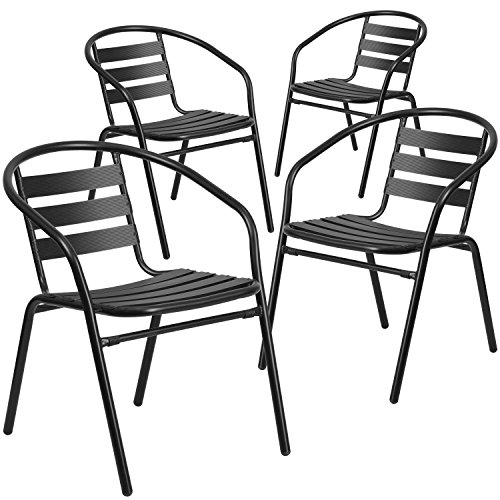
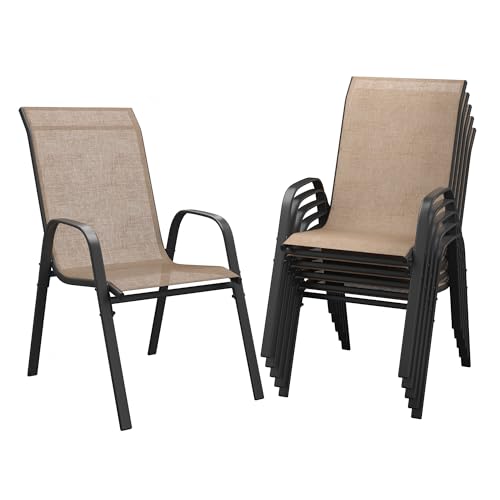
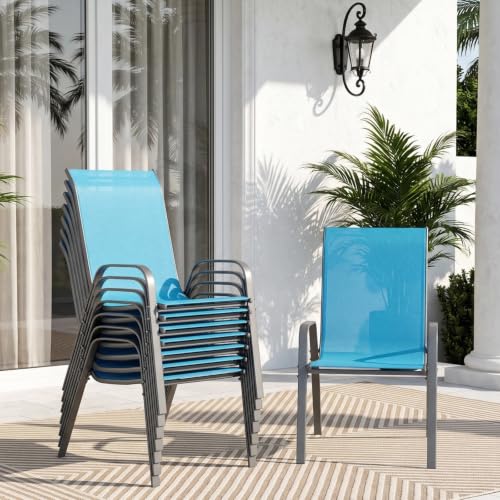
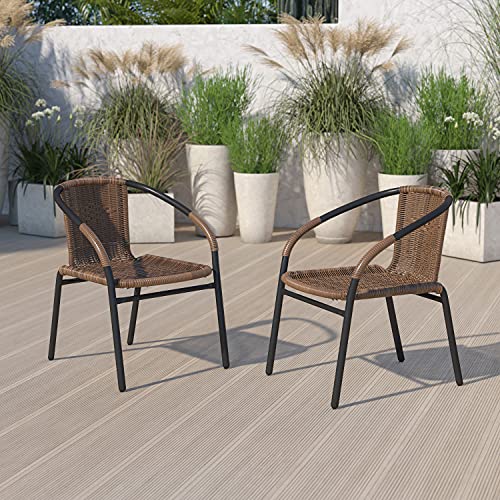

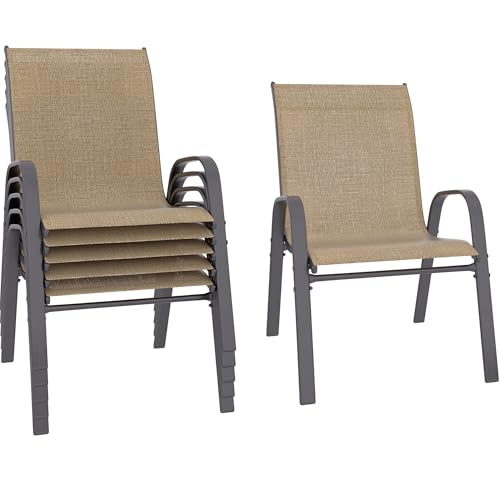
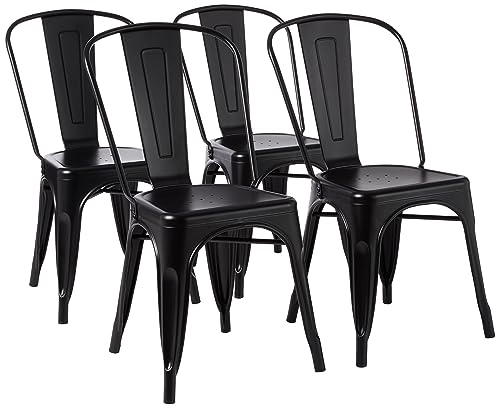
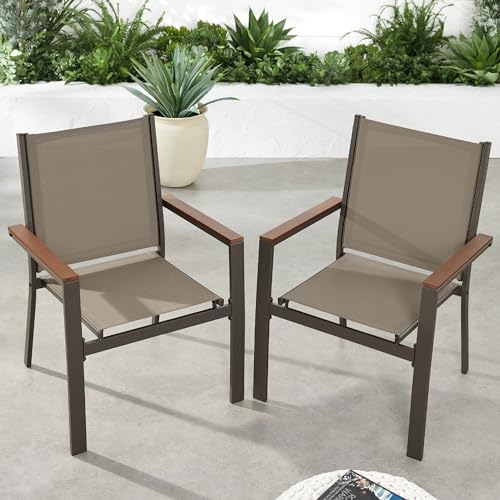
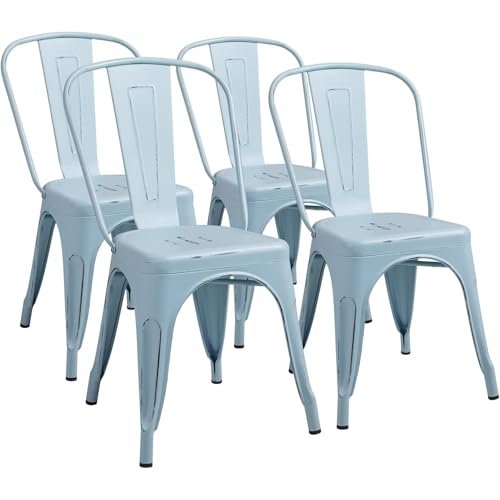
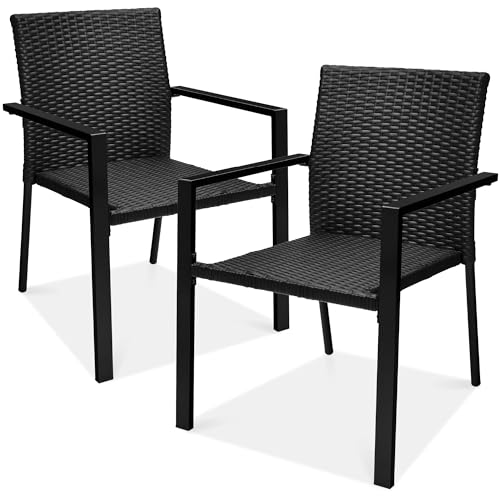
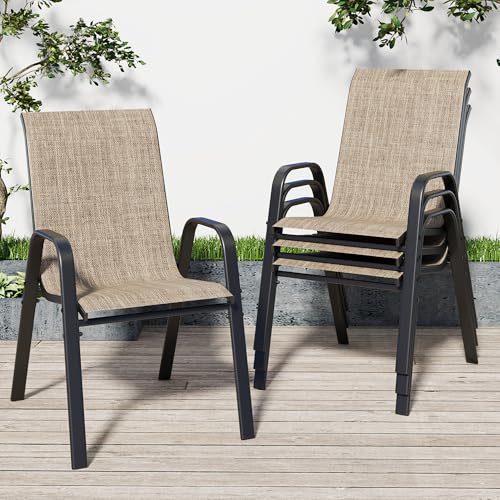
How Chair Frames Are Engineered to Nest Tightly
A chair that "stacks" in theory but leans or catches in practice usually has the wrong geometry, not the wrong material. Two design details separate a stack that slides together in one smooth motion from one that fights you every time.
The Nesting Angle That Makes or Breaks a Stack
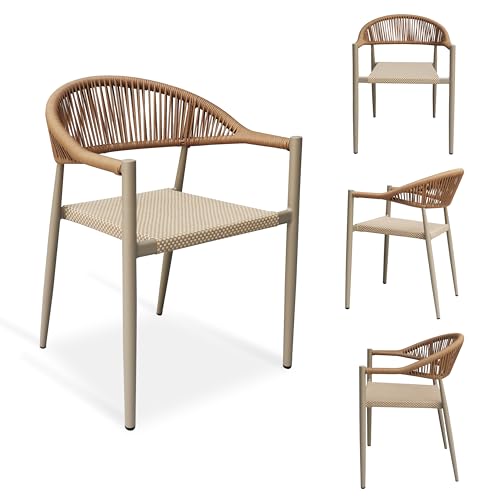
Good stack chairs are built with a slight forward taper from seat to base, so the frame of the chair above sits just outside the frame of the chair below instead of pressing straight down on it. That taper, sometimes called the nesting angle, is what lets eight or ten chairs compress into a column only a foot or two taller than a single chair. If the seat and legs are cut at nearly the same width top to bottom, chairs stack more like pancakes than nested cups, and the pile grows tall fast while still wobbling.
Leg and Foot Design That Prevents Scratches
Look for legs with a slight outward curve or a capped foot rather than a flat, straight tube. Straight tubes tend to drag across the seat and arms of the chair underneath every time you add one to the stack, leaving scuff marks after just a few uses. Rubber or plastic foot caps also cushion the point where one chair's weight lands on the one below, which matters more than people expect once you are stacking chairs eight or ten high.
Materials That Keep a Full Stack Light Enough to Move
Weather resistance gets most of the attention in general furniture guides, but for an outdoor stack chair, weight is just as important. A stack of ten chairs made from a heavy material can turn into 150 pounds or more of dead weight that one person cannot safely lift or wheel to storage.
Resin and polypropylene chairs are the lightest option and the easiest to move as a full stack, which is why they dominate rental and event use where chairs get relocated constantly. Aluminum frames add strength without much extra weight, so a stack still feels manageable for one adult to carry. Steel-framed chairs stack solidly and resist tipping, but a tall steel stack gets heavy fast and often needs two people or a hand truck to relocate. Mesh and sling seats add almost no weight to the frame itself, though the fabric can snag on rough leg caps during stacking, so pair sling seating with chairs that have smooth, rounded feet. If portability is not your priority and you would rather compare the full range of frame styles and comfort features side by side, our patio chairs guide goes deeper into that broader decision.
How Many Chairs You Can Safely Stack
There is no single universal number, but most residential outdoor stack chairs are rated for somewhere between six and twelve chairs per column, and manufacturer specs will state the limit for a given model. Going past that limit does not just risk toppling the stack; it puts uneven pressure on the bottom chair's legs and can crack a frame that was never designed to carry that much weight.
What Actually Limits a Safe Stack Height
Three things set the real ceiling: the rigidity of the frame material, the depth of the nesting angle, and how level the ground is where the stack sits. A perfectly rated eight-high stack on a paver patio can become unstable at six chairs if it is parked on a sloped lawn or uneven deck board.
Warning Signs Your Stack Is Off-Balance
If the top chair sits noticeably crooked instead of resting flat, or the column leans more than an inch or two off vertical, stop adding chairs. A stack that rocks when you tap the top chair is telling you it needs a shorter pile, a flatter surface, or both before the wind or a curious pet knocks it over.
Storing the Stack When You Are Not Using It
Once the chairs are nested, the next decision is what happens to that column between uses. This is where an outdoor stack chair earns its keep over ordinary patio seating, since one cover or one corner can handle an entire set instead of six separate chairs scattered around the yard.
Covering One Tall Stack vs Covering Each Chair
A fitted stack cover, sized specifically for a column of nested chairs, sheds rain and blocks UV without the gaps that individual chair covers leave at the seams. It also means one item to pull on and off instead of half a dozen, which is the entire appeal of stacking in the first place. If you already own individual chair covers, they still work in a pinch, but expect water to pool where the covers overlap partway up the stack.
Wall-Mounted Racks and Corner Storage
For garages and sheds with limited floor space, a wall-mounted stacking rack lifts the whole column off the ground on brackets, freeing up the footprint for a lawn mower or bikes. If wall space is not an option, a stack tucked into a covered patio corner next to a patio dining table stays out of the way without blocking foot traffic, as long as the column is short enough not to tip in a gust.
Vertical Stacking vs Folding Flat: Which Saves More Space
Folding chairs are the other common answer to storage, and each approach has a real trade-off compared to an outdoor stack chair rather than one being simply better. A stacked column takes up almost no floor width but does need enough height clearance, since a ten-chair stack can reach four feet tall or more. Folded chairs lie flat or stand thin against a wall, using less vertical space but often more floor or shelf length once you have more than a few of them lined up side by side.
Stacking also tends to win on speed. Nesting chairs into a column takes seconds per chair, while folding and unfolding involves latches or hinges that can stick or pinch fingers over time. The trade-off is that an outdoor stack chair usually cannot fold flat as a backup, so pieces that do not stack at all, like a chaise lounge chair, need a completely separate storage plan. For anyone who moves seating around often, whether that is bringing chairs in ahead of storms or rearranging for different gatherings, the speed of stacking usually outweighs the extra vertical clearance it requires.
Frequently Asked Questions
How many outdoor stack chairs can be stacked safely?
Most residential models are rated for six to twelve chairs per column, though the exact number depends on the frame material and the manufacturer's stated limit. Check the product specs rather than guessing, since resin and aluminum designs often allow taller stacks than heavier steel frames.
Can stacked chairs be left outside all winter?
Resin and aluminum stacks tolerate cold fairly well if covered, but repeated freeze-thaw cycles can still stress joints and fasteners over several seasons. A fitted stack cover or moving the column into a garage or shed for winter extends the frame's life considerably.
What is the best material for a chair that needs to stack easily and often?
Resin and polypropylene chairs are the easiest to stack and restack repeatedly because they are light and the nesting angle stays consistent even after years of use. Aluminum is the next best choice when you want more rigidity without adding much weight to the stack.
Do stacked chairs need a different cover than folding chairs?
Yes, a cover made for an outdoor stack chair is shaped for a tall, narrow column rather than a flat folded bundle, so a folding chair cover will not fit a nested stack properly. Using the wrong cover shape usually leaves gaps that let rain and dust reach the chairs underneath.
How much weight can a stacked column hold before it becomes unstable?
It is less about total weight and more about height and balance. A stack that leans more than an inch or two off vertical, or rocks when tapped at the top, has reached its practical limit regardless of what the manufacturer's chair count rating says.
Is it better to stack chairs or fold them flat for storage?
Stacking wins on speed and floor footprint, while folding wins when ceiling height or a tight closet limits how tall a column can safely stand. Most households with a shed or garage corner get more value from stacking chairs.
Do stacked chairs scratch or damage each other over time?
Chairs with capped feet and a proper nesting angle rarely scratch each other, but straight-legged designs without foot protection can leave marks after repeated stacking. A soft interleaving pad or felt strips between chairs solves this cheaply if scuffing becomes a problem.
Making the Stack Work for Your Space
Choosing the right outdoor stack chair comes down to matching the frame's nesting angle and weight to how often you actually plan to move and store it. A lightweight resin or aluminum design with capped feet will nest cleanly, stay within a safe stack height, and tuck away under one cover or on one wall rack instead of scattering seating across the yard. Get those mechanics right and storage stops being a chore you dread after every gathering.