Best Patio Dining Tables: The Complete Buying Guide

Picking a patio table is a different decision than picking a whole outdoor dining set. You might already own chairs you like, or you're replacing a tabletop that cracked after one too many summers in the sun. Either way, the table itself does most of the heavy lifting: it decides how many people can sit comfortably, how well the surface survives rain and UV exposure, and whether it fits the space you actually have. This guide to the best patio dining tables focuses only on the table, covering shape, tabletop material, height, and expandability, so you can choose the right one whether you're buying chairs separately or matching an existing set.
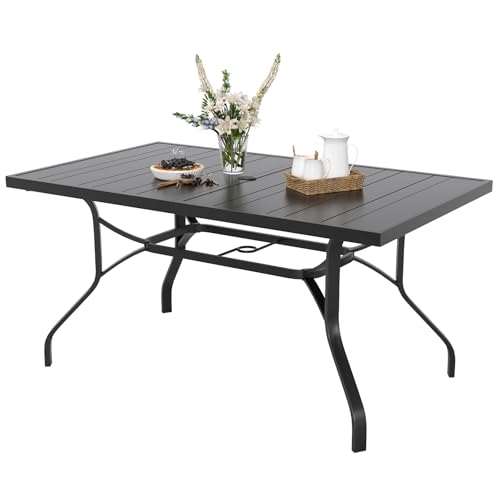
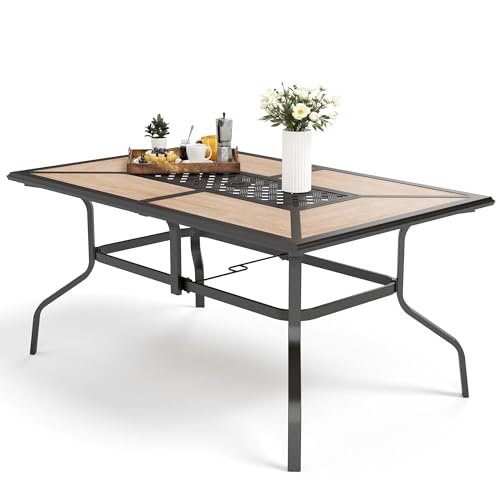
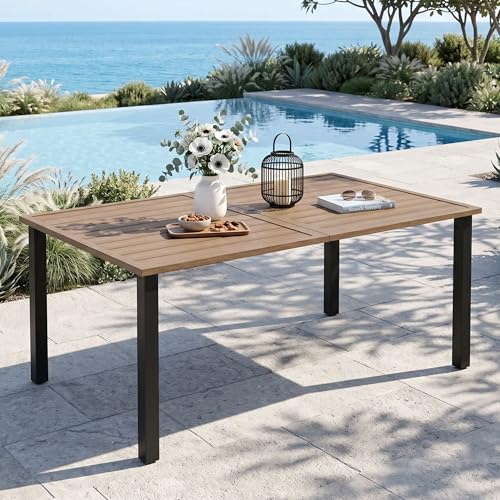
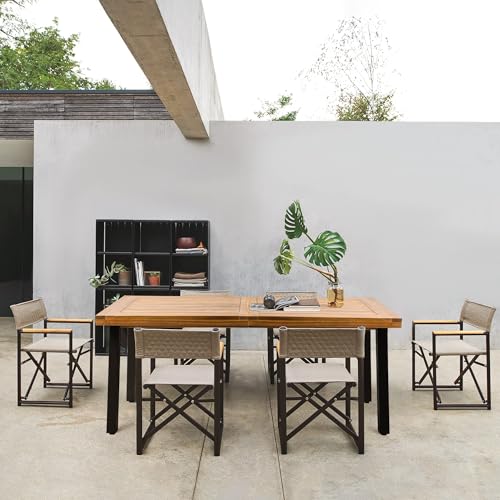
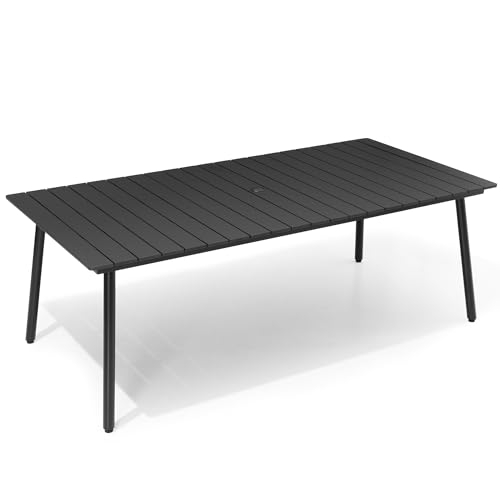
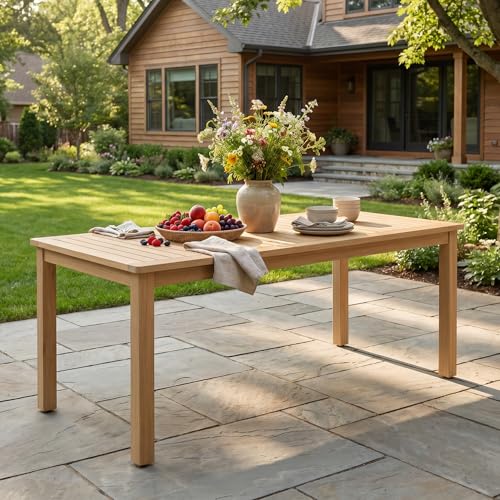
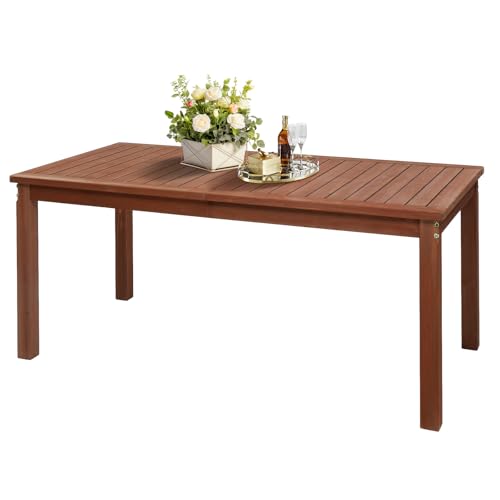
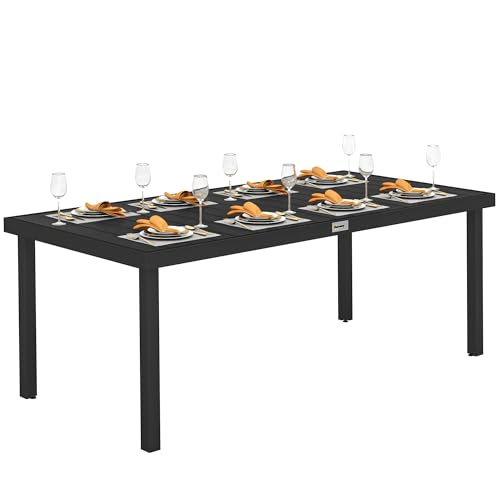
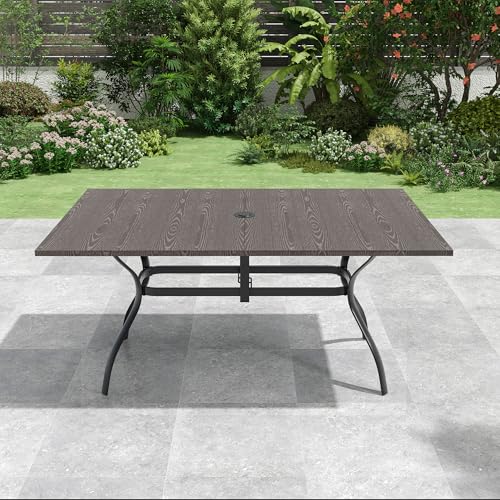
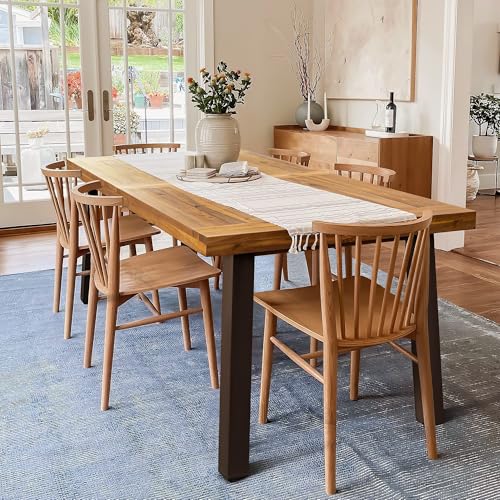
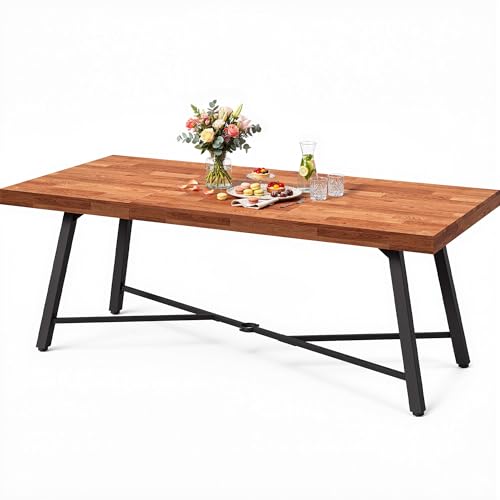
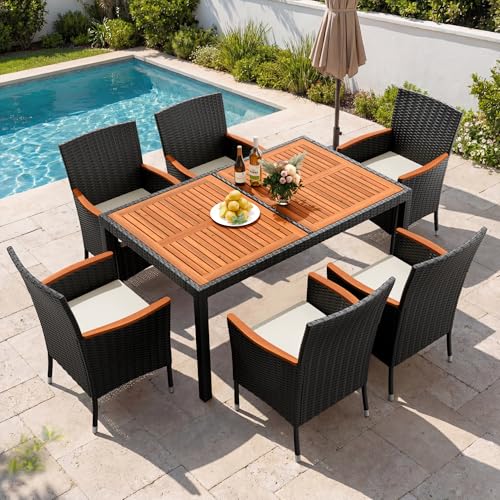
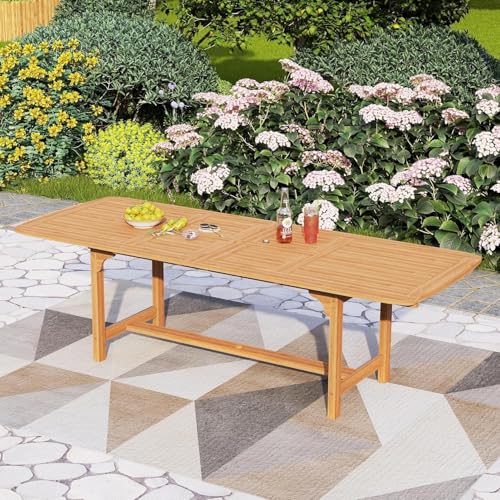
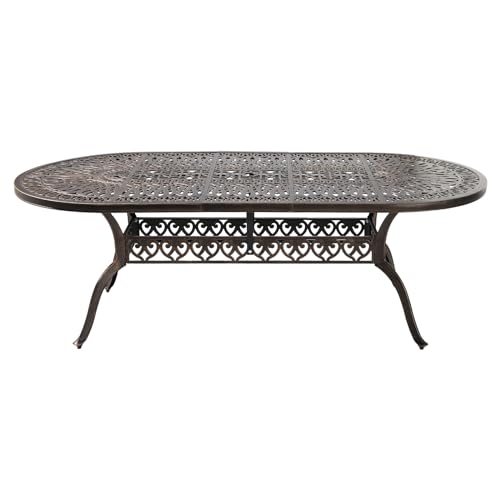
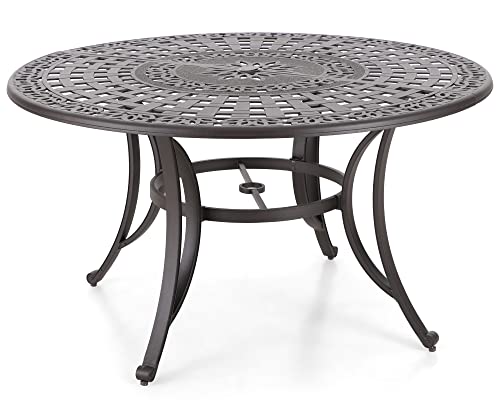

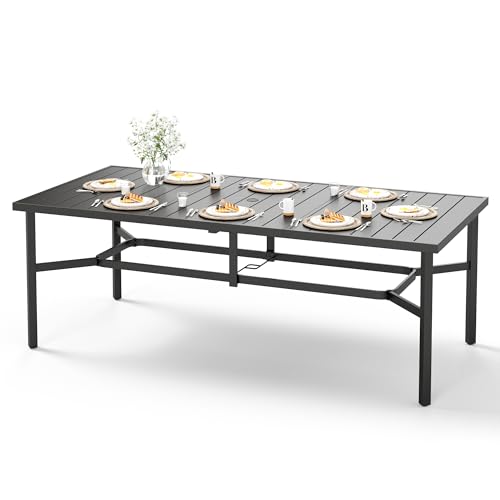
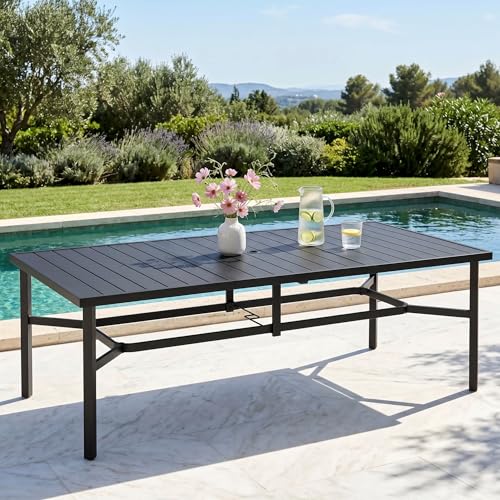
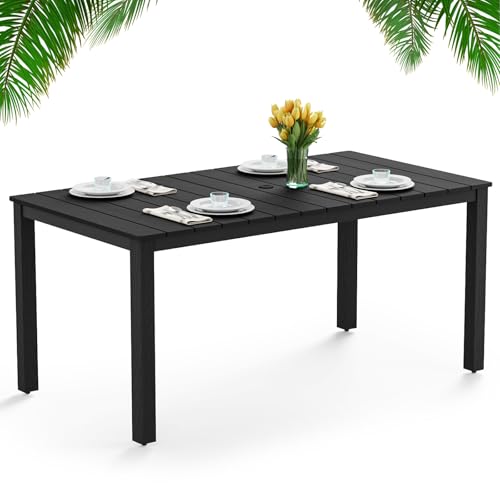
Table Shapes That Actually Fit Your Space
Shape affects seating capacity more than overall size does, so it's worth thinking through before anything else.
- Round tables work best for four to six people and small patios. Everyone can see and talk to everyone else, and there are no sharp corners to bump into on a tight deck or balcony.
- Square tables suit compact spaces and smaller households, typically seating four. They tend to look balanced on square or symmetrical patios.
- Rectangular tables are the standard pick for larger groups, six to eight people, and they line up naturally against a wall or under a pergola.
- Oval tables split the difference between round and rectangular: they seat a similar number to a rectangle but soften the corners, which helps in narrower walkway areas.
Before settling on a shape, measure the space and leave at least 30 to 36 inches around the perimeter so people can pull out chairs and walk past without squeezing by.
Tabletop Materials Built to Handle Real Weather
The tabletop takes the brunt of sun, rain, and temperature swings, so material choice matters more for patio dining tables than for almost any other piece of outdoor furniture.
- Tempered glass gives a clean, modern look and is easy to wipe down. It resists staining and won't rot or corrode, but it shows fingerprints and water spots quickly, can get uncomfortably hot in direct sun, and needs a frame rated to support its weight.
- Natural or composite stone (granite, quartz, concrete composite) is extremely durable and shrugs off heat, spills, and scratches. The tradeoff is weight: a stone-top table is hard to move once it's placed, and genuine stone can chip at the edges if it's dropped or knocked.
- Wood composite (HDPE or WPC) mimics real wood grain without the warping, splitting, or fading that solid wood suffers outdoors. It's a solid middle ground for anyone who wants a wood look with less upkeep.
- Metal (powder-coated aluminum or steel) is lightweight, rust-resistant when properly coated, and holds up well in coastal or humid climates. It can also transfer heat quickly, so a metal top left in full sun gets hot to the touch.
If you live somewhere with harsh winters, check whether the material and frame are rated for freeze-thaw cycles, not just general "weather resistance."
Table Height, Umbrella Holes, and Chair Fit
Standard patio dining tables sit at roughly 28 to 30 inches, matching the height of a typical dining chair. That's taller than the low, lounge-height tables built for a sofa setup, so don't assume the two are interchangeable if you're repurposing furniture between spaces.
Once you know the height works with your seating, check the center of the table for an umbrella hole if you want shade. Most holes accommodate pole diameters up to around 2 inches, but confirm the measurement against the umbrella you already own or plan to buy, since a mismatch means the pole won't sit securely. If you're still choosing seating to go with the table, comparing a few patio chair options before you buy helps confirm the table height and chair height actually pair well.
Extendable Options for Bigger Gatherings
If your guest list changes from a quiet family dinner to a full backyard cookout, an extendable table solves that without forcing you to buy a second one. Common designs include a self-storing leaf that slides out from underneath the tabletop, a butterfly leaf that folds up when not needed, or separate leaf panels you insert manually. Look for tables with leveling feet, since an extended table on an uneven patio or deck is more likely to wobble than a fixed-size one. Also confirm the extended length still leaves enough clearance around the table for chairs to slide out.
Frequently Asked Questions
Is tempered glass safe for a patio table?
Yes. Tempered glass is treated to be several times stronger than regular glass, and if it does break, it shatters into small, rounded pieces rather than sharp shards. It's a common and generally safe choice for outdoor tabletops.
What's the best patio table material for hot, sunny climates?
Stone or wood composite tops tend to handle direct sun better than glass or dark metal, which can get hot to the touch. Lighter colors also stay cooler than dark finishes.
How much clearance do I need around a patio dining table?
Plan for at least 30 to 36 inches of open space on all sides so chairs can be pulled out and people can walk around comfortably.
Do all patio dining tables have umbrella holes?
No. Many do, especially rectangular and round styles, but some smaller or stone-top tables skip the feature entirely. Check the product specs if shade is a priority.
Can I use an extendable patio table with mismatched chairs?
Yes, as long as the chair height and the table height are compatible, roughly a 10 to 12 inch difference. The extension mechanism doesn't affect how chairs fit around the table.
How do I keep a stone or composite tabletop looking new?
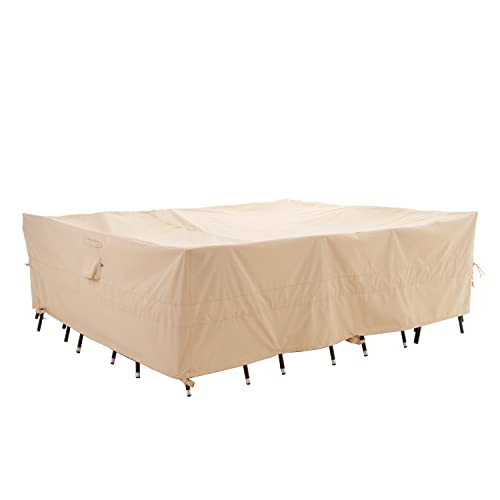
Wipe up spills promptly, avoid abrasive cleaners on composite surfaces, and use a breathable outdoor cover during long stretches of bad weather or winter storage.
Making Your Decision
The right patio dining table comes down to matching shape and size to your space, choosing a tabletop material suited to your climate, and confirming the height and umbrella hole work with the seating you already have or plan to buy. Get those three things right, and the table will hold up to years of outdoor meals rather than becoming a seasonal replacement.