
Best Paella Pans: A Complete Buying Guide for Home Cooks
Disclosure: We may earn a commission when you buy through links on this page, at no extra cost to you. As an Amazon Associate I earn from qualifying purchases. Learn more

Cooking a proper paella at home starts long before the rice ever hits the pan. Choosing among the best paella pans on the market means weighing material, size, and how well a pan will actually work on your stovetop, and getting any of those wrong can leave you with scorched rice or a pan that never heats evenly. Shoppers often get pulled toward whichever option has the most glowing reviews without realizing that carbon steel, stainless steel, and enameled pans behave very differently once the heat is on. This guide covers what really separates a pan that performs from one that just looks the part, how to size a pan to your guest list, and how to keep a traditional pan rust-free for years of use.


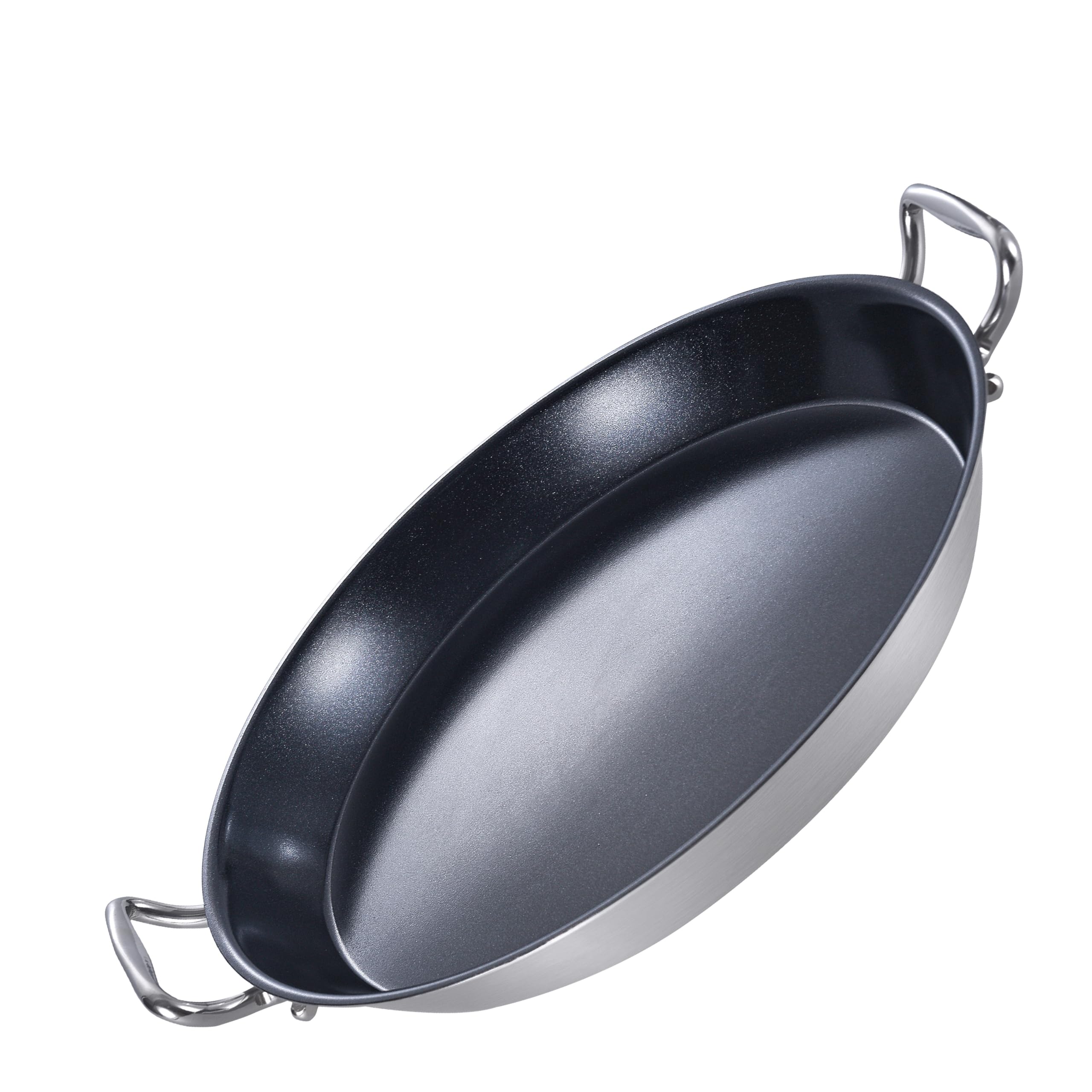


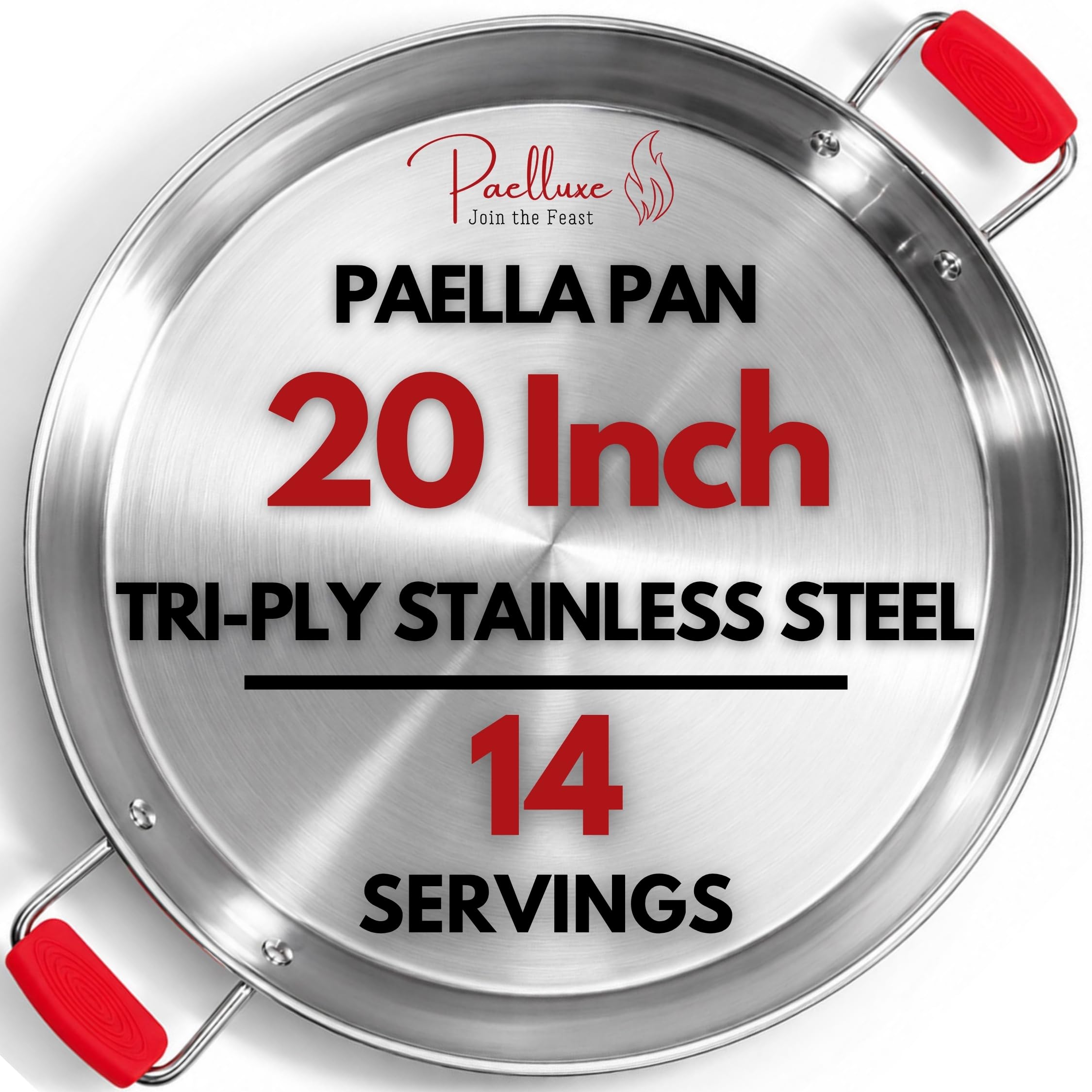


Material Types That Actually Change How Your Paella Turns Out
Paella pans are shallow and wide by design, but the metal they're made from has a bigger effect on the final dish than most shoppers expect. Nearly every list of the best paella pans starts with material for a reason: it drives authenticity, ease of cleanup, and how reliably a pan forms socarrat, the crisp, caramelized rice layer that separates a great paella from an average one.
Carbon Steel: The Traditional Choice
Carbon steel is the material used in most pans sold in Spain, and it's a favorite among cooks chasing an authentic socarrat. It heats up quickly and responds fast to changes in burner temperature, which matters when you're trying to build that crust without scorching the rice underneath. The trade-off is upkeep: carbon steel needs to be seasoned before its first use and dried thoroughly after every wash, or it will start to rust. On the plus side, it's also one of the lightest options once you get past about 15 inches, which makes a real difference when you're carrying a full pan of hot rice to the table.
Stainless Steel: Built for Low Maintenance
Stainless steel skips the seasoning step entirely. It won't rust, it's usually dishwasher-safe, and it holds up well to years of regular use without special care. The catch is heat distribution: unless the base has a layered aluminum or copper core, stainless steel can develop hot spots that cook rice unevenly, so it's worth checking whether a stainless pan has a clad bottom before buying. This is usually the better pick for someone who wants to make paella occasionally rather than build a habit around caring for a more demanding pan.
Enameled and Cast Iron: Trade-Offs to Know
Enameled pans are coated to resist rust and skip seasoning, which makes them easy to live with, but the coating also retains a bit more moisture, so socarrat tends to form less aggressively than it does in bare carbon steel. Cast iron sits at the other extreme: it holds heat exceptionally well once it's hot, similar to how a well-made piece of cast iron cookware performs on the stovetop, but its weight can be awkward in the wide, shallow shape a paella pan needs, and it still requires the same seasoning routine as carbon steel. Neither material is a wrong choice; they simply suit a different kind of cook than the traditional carbon steel pan does.
Sizing a Paella Pan to Your Guest List
Getting the size right is arguably the single biggest factor in choosing among the best paella pans, and it trips up more first-time buyers than material ever does. Paella pans are usually labeled with a "raciones" count, a Spanish tapas-portion measurement that overstates how many full servings the pan can realistically produce. A pan marked for 14 raciones is closer to eight main-course servings once you account for how thin the rice layer needs to be. It's worth sizing up from whatever number is printed on the box.
How Diameter Translates to Servings
- 12 to 14 inches: roughly 2 to 4 main-course servings
- 15 to 17 inches: roughly 4 to 6 servings
- 18 to 20 inches: roughly 6 to 8 servings
- 22 inches and up: 8 to 10 servings or more, typically for outdoor cooking
These ranges assume the pan is being used for a main course rather than a smaller tapas-style portion, so treat them as a starting point rather than a hard rule. If your household regularly hosts, it's usually smarter to buy one size larger than you think you need rather than replacing a pan a year later.
Rice Depth Matters More Than You Think
Paella only works when the rice cooks in a thin, even layer, usually no more than about an inch deep. Piling rice higher in a pan that's too small traps steam and produces mushy, unevenly cooked grains near the center. If you're deciding between two sizes, the larger pan is almost always the safer choice, since a wider surface spreads rice thinner without changing the recipe. A pan that looks oversized empty is often exactly right once it's loaded with rice, stock, and toppings.
Matching a Paella Pan to Your Stovetop
A pan can be the right material and the right size and still disappoint if it doesn't match your heat source. This is one of the most common reasons a new paella pan underperforms in a home kitchen, and it's a detail that's easy to overlook when a pan simply looks the part in photos.
Flat-Bottom vs. Traditional Convex Pans
Traditional Spanish pans have a bottom that's very slightly convex, which lets fat and juices pool naturally toward the center early in cooking. That shape works well over an open flame or a wide gas burner, where heat wraps around the curve. Flat-bottom pans are a newer adaptation built specifically for smooth cooktops, and they sit flush without rocking. If you cook mostly on a standard gas range, either style will work, but a flat bottom is generally the safer default if you're not certain which one your setup favors.
Induction, Glass Top, and Outdoor Burners
Carbon steel is naturally magnetic, so it can work on induction as long as the pan has a flat base and the diameter fits within the cooktop's heating zone; shoppers browsing induction-compatible cookware in general will recognize the same flat-bottom requirement applies here. Glass-top ranges need the same flat base to avoid scratching and uneven contact. Outdoor paella burners, which are wide, ring-shaped propane burners, more closely mimic the traditional open-flame setup and are more forgiving of a slightly convex pan. If most of your cooking happens outdoors on a dedicated burner, that flexibility means material and size can drive the decision more than base shape does.
Keeping a Carbon Steel Pan Rust-Free
Rust is the single most common complaint people run into with a traditional pan, and it's almost always caused by moisture left behind rather than a defect in the pan itself. Before first use, a carbon steel pan needs a light coat of high-smoke-point oil heated until it forms a thin, even sheen; this seasoning layer is what protects the bare metal.
After each use, wash the pan with hot water and a soft sponge, skip harsh soap when possible, and dry it completely, ideally by setting it over low heat for a minute or two to evaporate any remaining moisture. Anyone who already seasons a cast iron dutch oven will recognize the same routine here. Finish by wiping on a very thin layer of oil before storing. If rust does appear, a stainless scouring pad and hot water will remove it, and a quick re-seasoning restores the protective layer.
Storage matters too, since a pan wedged tightly into a cabinet with other cookware can trap moisture against the surface. Hanging the pan or storing it with a folded towel underneath gives the surface room to stay dry between uses, which cuts down on how often re-seasoning is needed.
Frequently Asked Questions
What size paella pan do I need for 6 people?
A 15 to 17-inch pan comfortably serves four to six people as a main course. If you regularly cook for larger groups, sizing up to 18 inches gives you room to grow without overcrowding the rice.
Can a paella pan go in the oven?
Stainless steel and cast iron pans are generally oven-safe, which is useful for finishing a dish under the broiler. Carbon steel can typically handle oven heat too, but always check that the handles aren't attached with materials that can't take high temperatures.
Is carbon steel or stainless steel better for paella?
Carbon steel heats faster and builds a crisper socarrat, making it the choice for cooks focused on authenticity. Stainless steel trades a bit of that performance for much lower maintenance and no risk of rust.
Do I need a special burner for a paella pan?
No, a standard stovetop burner works fine for smaller pans, though the wide diameter of larger pans can outsize a single burner's heat zone. Outdoor paella burners exist specifically to spread heat evenly across bigger pans.
How do I stop a paella pan from rusting?
Dry the pan completely after every wash, ideally with brief heat on the stovetop, and store it with a thin coat of oil. Skipping the drying step is the most common cause of rust on carbon steel.
Can I use a paella pan on an induction cooktop?
Yes, as long as the pan has a flat bottom and is made from a magnetic material like carbon steel or induction-rated stainless steel. A convex traditional pan won't make consistent contact with an induction surface.
How much rice do I need per person?
Plan on roughly half a cup of uncooked rice per person. That amount spreads thin enough in a properly sized pan to cook evenly and still leave room for the socarrat to form.
Making Your Decision
The right pan comes down to how you actually cook, not which option looks most traditional in photos. Among the best paella pans, the strongest choice for most home cooks is the one that matches their real maintenance tolerance, not the one with the most authentic reputation. Match the material to how much upkeep you're willing to do, size the pan to your real guest list rather than the raciones number on the box, and confirm it fits your stovetop before anything else. Get those three details right and the pan itself will fade into the background, letting the rice do the talking.


