Best Outdoor Sectional Sofa Set: Complete Buying Guide
Hosting a backyard gathering exposes the limits of a small patio set fast. Once you run out of seats, guests end up perched on coolers or standing near the grill. An outdoor sectional sofa set solves that problem differently than a single couch or loveseat: it's built from separate modules that lock together, so you can shape the seating around your space instead of the other way around. This guide walks through how those modules actually connect, how to size a layout for your patio, which frame and cushion materials hold up when several sections are joined, and how a sectional compares to a smaller loveseat setup. By the end, you'll know exactly what to check before you buy.


How the Modules Actually Connect and Stay Put
What separates a sectional from a row of separate chairs is the connection between pieces. If that connection is weak, the whole set drifts apart every time someone sits down or a gust of wind hits the patio.
Metal Bracket and Interlocking Plate Systems
Most durable sectionals use metal plates screwed into the underside or side of each frame. Two plates click or bolt together when the pieces are pushed into place, and the connection stays rigid even under regular use. This style takes a few extra minutes to install but rarely loosens on its own.
Hook-and-Loop Straps and Clip Connectors
Lighter sets rely on straps or spring clips instead of bolted plates. These are faster to attach and let you rearrange the layout without tools, which matters if you like to reshape your seating for different events. The tradeoff is that straps can stretch over time and clips can pop loose on uneven pavers, so check how the pieces are secured before you commit to this style.
Why a Secure Connection Matters Outdoors
Indoors, a slightly loose sectional joint is a minor annoyance. Outdoors, wind, sloped surfaces, and repeated moving for cleaning all put extra strain on that joint. Look for connectors described as weather-resistant metal rather than plastic, since plastic clips tend to become brittle after a season or two in direct sun.
Choosing a Configuration That Fits Your Space
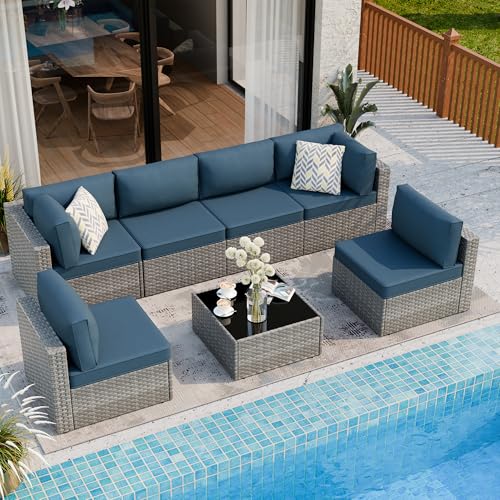
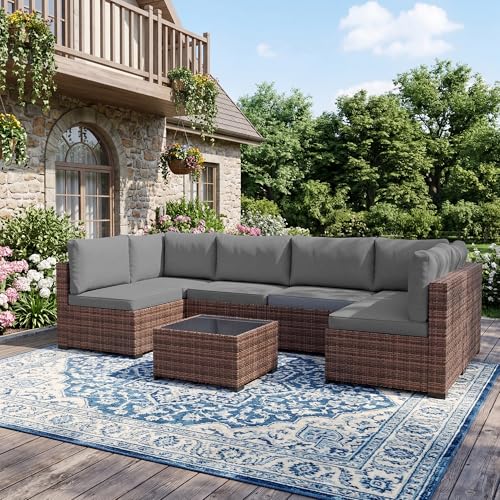
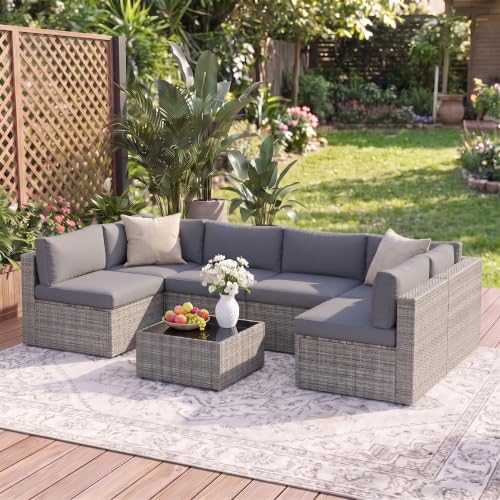
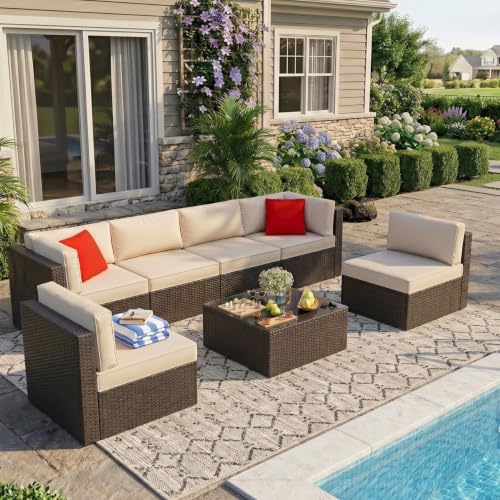
Sectionals come as modular pieces, which means the shape you end up with depends on how many pieces you buy and how you arrange them, not a fixed layout you're stuck with.
L-Shaped Layouts for Corners and Mid-Size Patios
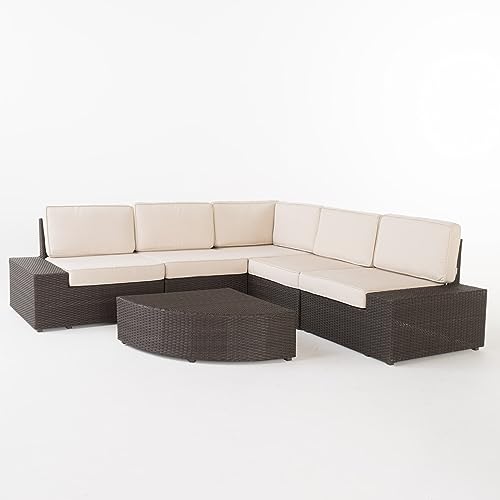
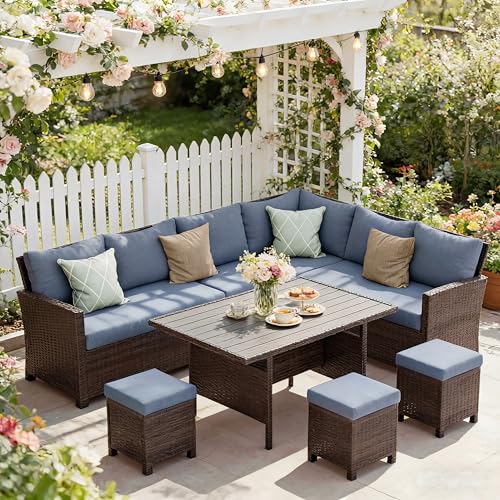
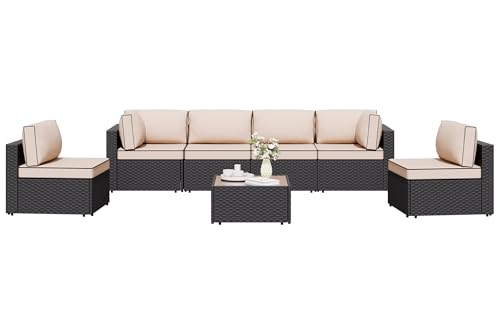
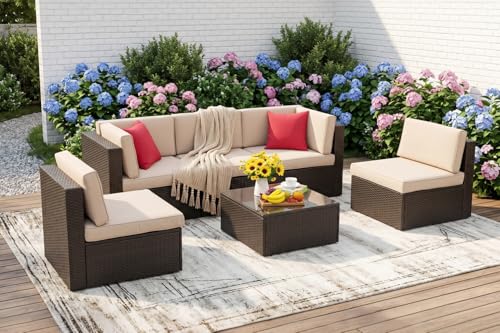
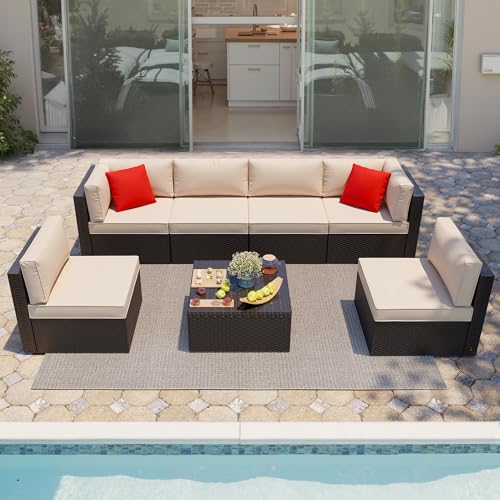
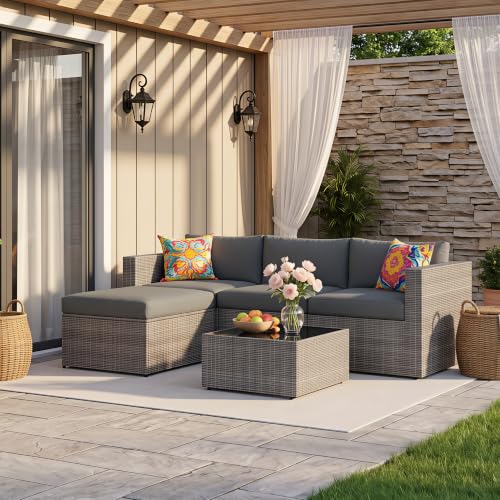
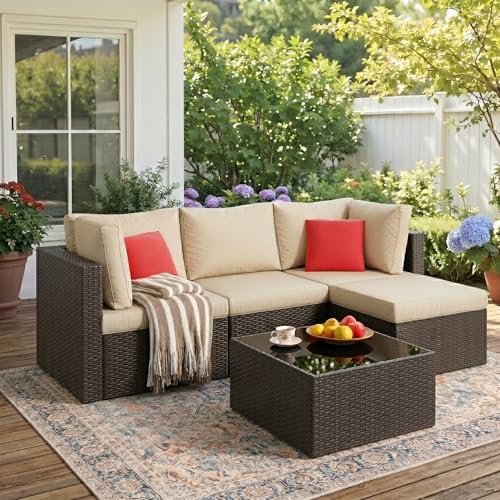
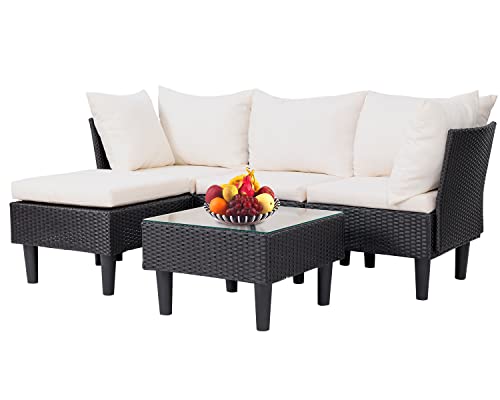
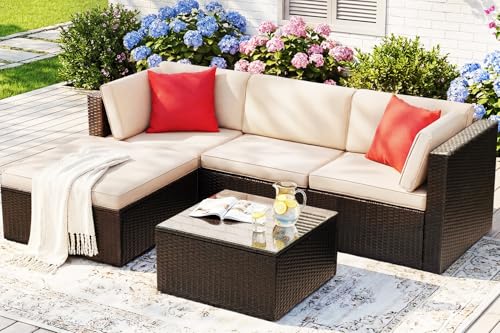
An L-shape tucks into a corner and keeps the middle of the patio open for a fire pit, grill, or walking space. It's the most common choice for patios under roughly 150 square feet, since it seats four to six people without crowding the area.
U-Shaped and Larger Multi-Piece Layouts
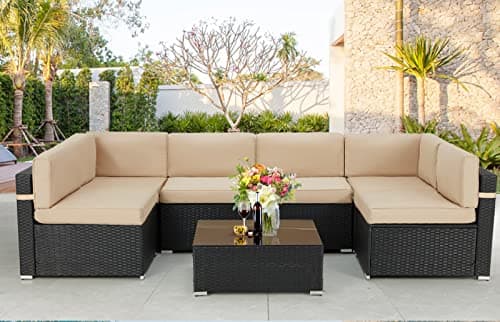
For bigger backyards or homes that host often, a U-shaped layout wraps seating around three sides of a coffee table, giving everyone a clear sightline to the group. This configuration needs more floor space and usually pairs with a larger, low-profile table in the center.
Rearranging Modules as Your Needs Change
One advantage of a true modular set is that you're not locked into one shape forever. If you host a large party one weekend and want a cozier corner setup the next, you can split the sectional into two smaller groupings, as long as the connectors you chose support being taken apart and reassembled repeatedly.
Frame Strength and Cushions That Hold Up
Joining multiple modules puts more combined weight and stress on the frame than a single sofa ever would, so the materials underneath the cushions matter more than they might seem to at first glance.
Aluminum and Steel Frames Under Combined Weight
Powder-coated aluminum is the most common frame choice because it's rust-resistant and light enough to reposition sections without straining your back. Steel frames are heavier and slightly stronger at the joints, which can be worth it for U-shaped layouts carrying more people at once.
Wicker and Resin Over a Structural Frame
Wicker and resin wicker are woven over an aluminum or steel skeleton rather than bearing weight on their own. The weave itself is mostly cosmetic and weatherproofing, so the strength claim on a listing should really be about the frame underneath, not the wicker finish.
Cushions You Can Remove and Wash
Look for cushions with zippered, removable covers rather than covers sewn permanently onto the foam. Removable covers can be washed or replaced individually, which matters a lot on a multi-piece set where reupholstering the whole thing would be expensive. Quick-dry foam with drainage channels also prevents cushions from staying waterlogged after rain. For more on picking replacement or upgrade cushions specifically, see our outdoor cushions guide.
Sectional vs Outdoor Loveseat: Matching the Set to Your Space
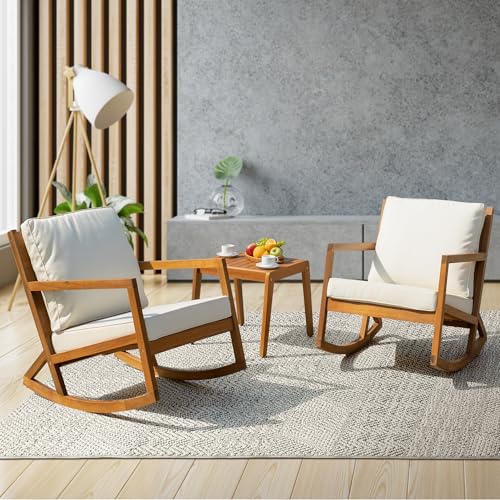
Not every patio needs a sectional. A smaller outdoor loveseat is a fixed two-seat piece that works well on a balcony, small patio, or as an accent next to a larger dining area, and it typically costs less since there's only one module to build and no connectors involved. A sectional makes more sense once you're regularly seating four or more people, since it can be reshaped as your space or guest count changes, something a single fixed loveseat simply can't do. If you're unsure which fits, measure your usable patio space first: under roughly 100 square feet usually favors a loveseat, while anything larger opens the door to a modular sectional.
Keeping a Multi-Piece Set Protected Between Seasons
A sectional has more surface area and more joints than a single sofa, so a consistent care routine keeps it from wearing unevenly.
In-Season Care
Rinse cushions and frames with a garden hose every few weeks to clear pollen and dust before it embeds in the fabric. Check connector hardware for rust or looseness at the same time, since it's easier to tighten or replace a bracket early than after it fails.
Off-Season Storage and Covers
When the set won't be used for an extended stretch, breaking it back into individual modules and storing cushions indoors extends their life significantly. If indoor storage isn't practical, a fitted set of outdoor sofa covers shaped for sectional pieces will do a reasonable job keeping moisture and UV exposure off the frame and fabric.
Frequently Asked Questions
How many pieces do I need for an outdoor sectional sofa set?
Most L-shaped sets use four to five pieces to comfortably seat four to six people. U-shaped layouts typically need six or more pieces. Measure your space before deciding, since piece count drives both footprint and price.
Can you separate a sectional into individual pieces?
Yes, most sectionals are designed to be split apart and reassembled. How easily depends on the connector type: strap and clip systems separate faster than bolted metal plates, though plates hold together more securely once assembled.
Is an outdoor sectional worth it over a regular patio set?
If you regularly host four or more guests, a sectional generally offers better seating efficiency per square foot than separate chairs. For smaller households or tighter patios, a loveseat or a compact conversation set may fit better.
What material lasts longest for outdoor sectional frames?
Powder-coated aluminum and stainless steel resist rust the best in humid or coastal climates. Wood frames need more regular sealing, and untreated steel can rust within a season if the coating chips.
Do sectional cushions need to come inside during rain?
Cushions made with quick-dry foam and water-resistant covers can typically stay outside through light rain, but heavy or prolonged storms are still worth covering or bringing cushions in, since standing water eventually seeps through any fabric.
How much space does a sectional sofa set need?
Plan for at least 8 to 10 feet of wall or corner space for a basic L-shape, and closer to 12 feet on each side for a U-shape with a center table. Leave roughly 3 feet of walking clearance around the seating.
Making the Right Call for Your Outdoor Space
The right outdoor sectional sofa set comes down to matching the connector system, frame material, and configuration to how you actually use your patio. A sturdy bracket connection and a frame built for combined weight matter more than any single cushion color or fabric pattern. Once you've settled those basics, the shape and size become an easy decision based on your space and how many people you typically host.