Best Outdoor Pizza Oven for Home: A Complete Buying Guide
Disclosure: We may earn a commission when you buy through links on this page, at no extra cost to you. As an Amazon Associate I earn from qualifying purchases. Learn more
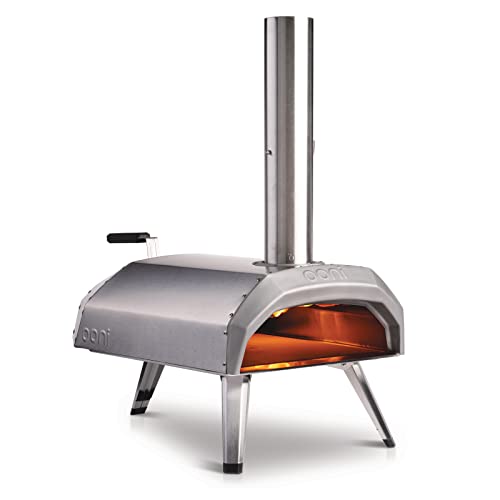
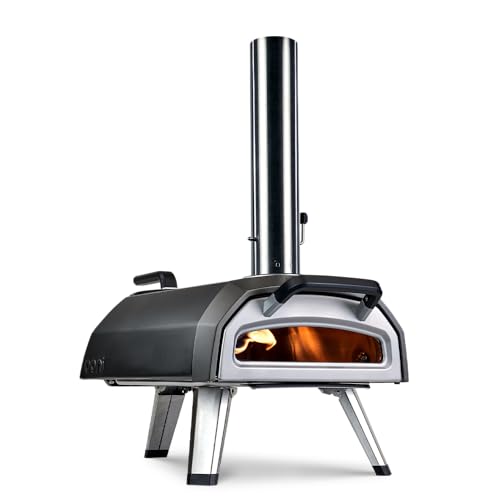
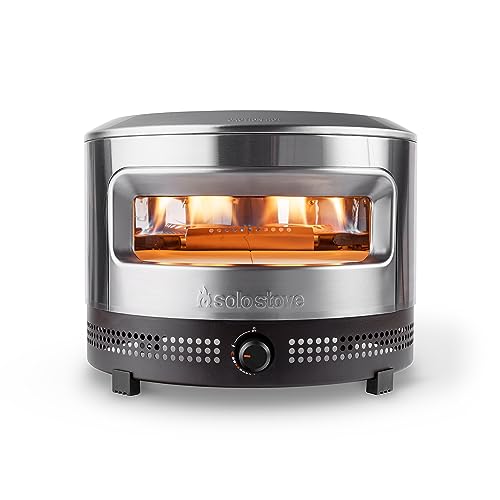
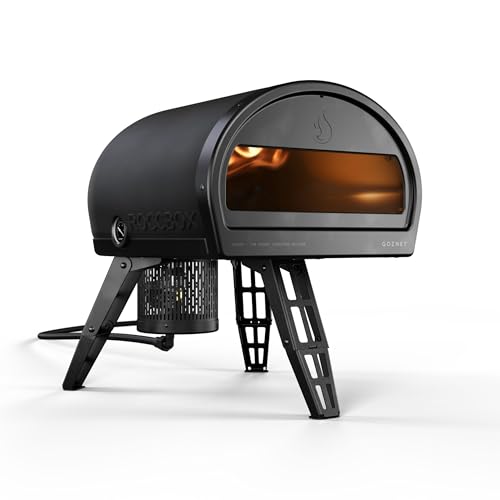
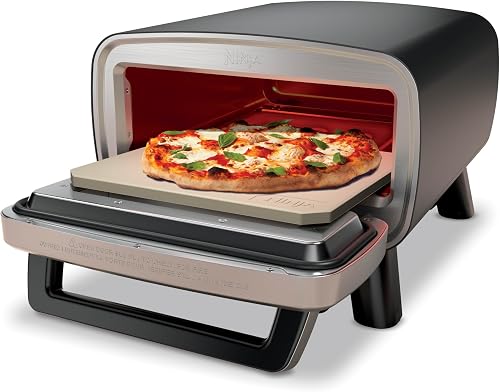
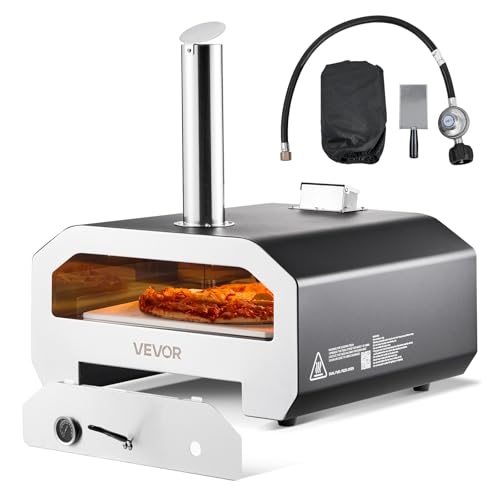
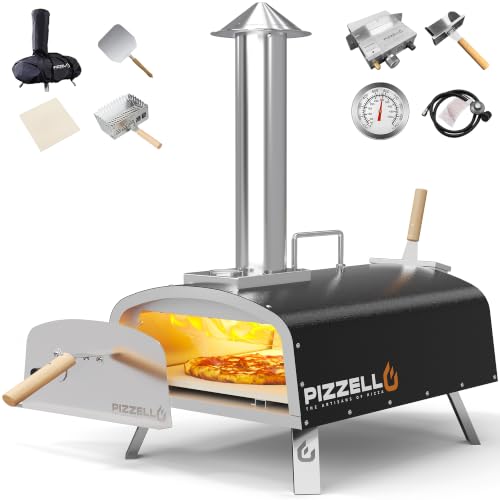
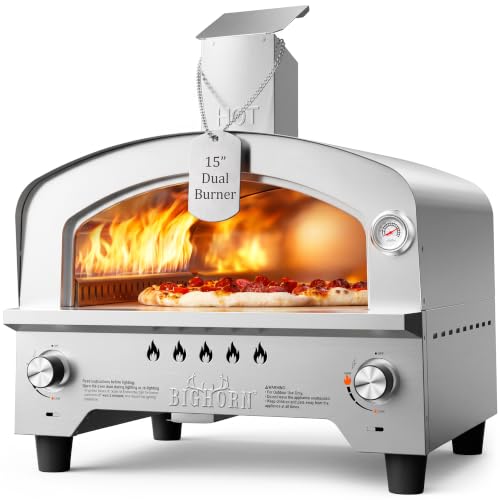
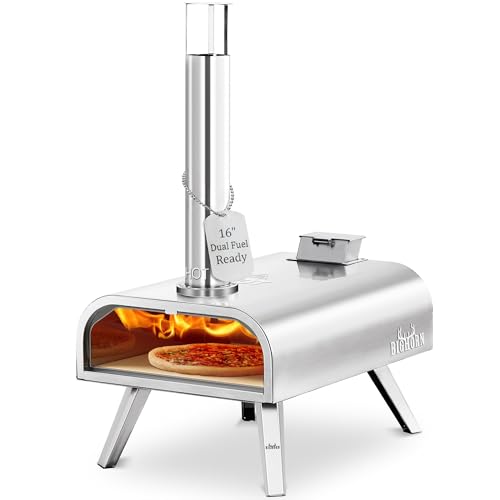
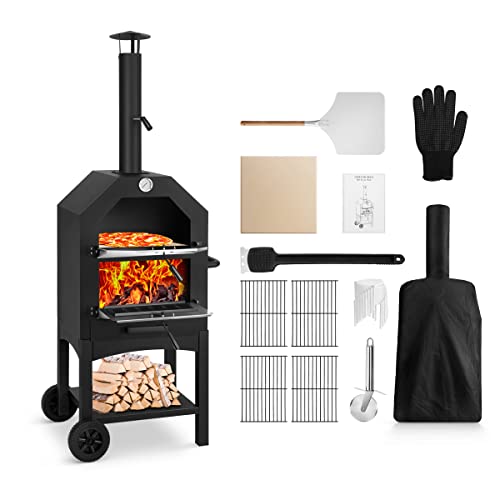
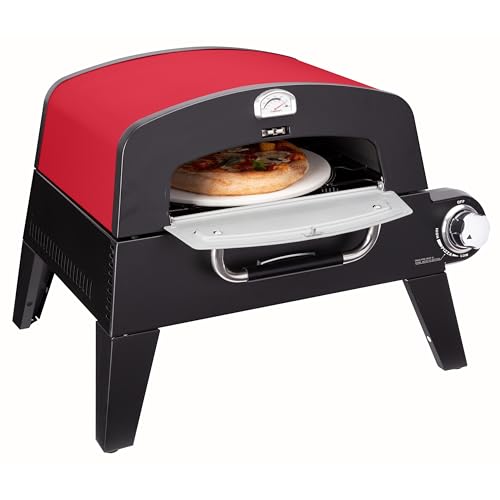
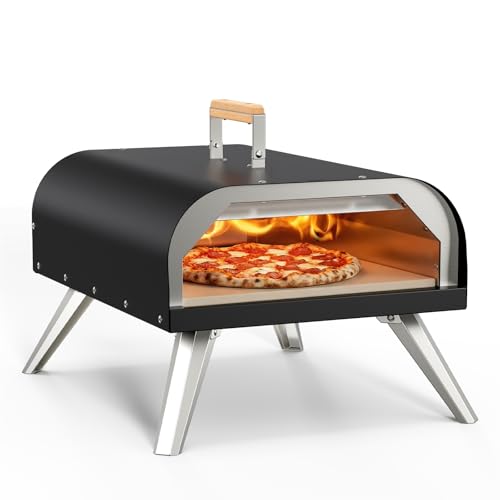
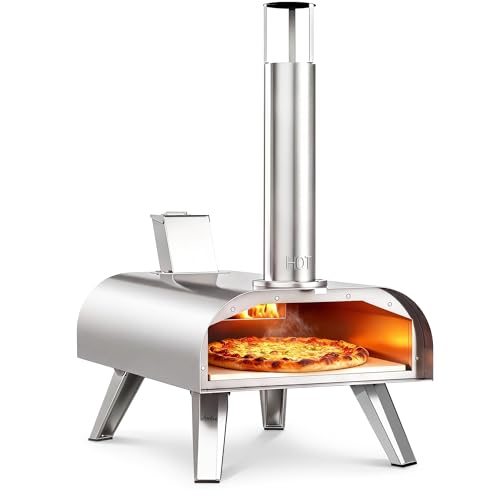
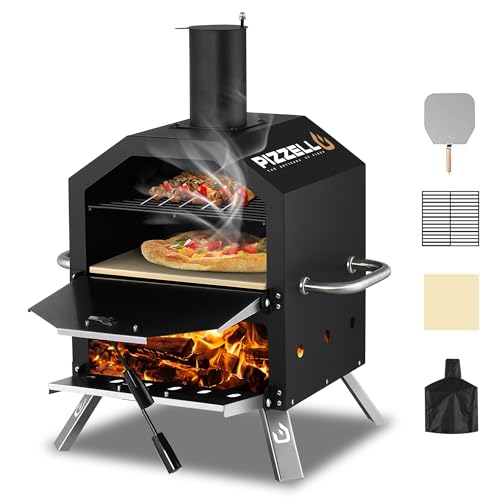
Choosing an outdoor pizza oven starts with a question most buying guides skip: what does your actual backyard or patio look like, and what will fit safely into it? Fuel type gets most of the attention online, but the size of your space, how close you can legally and safely place the oven to your house, the temperature it can hold, and the materials it's built from will decide whether the oven earns a permanent spot or ends up in the shed by fall. This guide walks through those foundations first, then points you to dedicated breakdowns for each fuel type once you're ready to compare specific setups.
Sizing Your Setup: How Much Space You Need and How Close You Can Get to the House
Most home ovens fall into one of two footprints: compact countertop-style units meant to sit on an existing table or cart, and larger cart-mounted or built-in units that need their own dedicated spot. A compact oven with a 12 to 13-inch cooking floor can live on a side table on a small patio or balcony, which is why that size dominates the budget end of the market. Anything with a 16-inch stone or larger typically needs a stand or cart of its own, plus enough surrounding counter space to stage dough, toppings, and a peel within arm's reach.
Clearance matters as much as footprint. Safety guidance from fire-prevention and outdoor-living sources consistently points to a minimum of 10 feet between the oven's outer shell and any structure, including your house, a wood fence, a garage, or a pergola, measured from the shell itself rather than just the mouth opening. Beyond that headline number, plan for at least 36 inches of clearance on the sides and rear from anything combustible, 18 inches from a flue or stovepipe to nearby materials, and 18 to 24 inches of open space above the oven for heat and any venting. The oven also needs a non-combustible base underneath it, such as concrete, stone pavers, or a purpose-built stand, never bare wood decking or dry grass. Local fire codes and HOA rules can set tighter limits than these general figures, so it's worth a quick check before you settle on a spot.
Temperature and Preheat Time: What a Real Neapolitan-Style Crust Requires
The crust you're chasing, leopard-spotted, blistered, ready in under two minutes, depends on the oven reaching somewhere in the 800 to 950°F range at the stone or deck surface, not just the surrounding air. Most modern home ovens in that price range now advertise preheat times of 15 to 20 minutes for compact units, with some portable models claiming as little as 3 minutes to get close to cooking temperature, though real-world preheat almost always runs longer once the stone itself is fully saturated with heat rather than just the chamber air.
Even heat distribution across the stone matters more day to day than the peak number on a spec sheet. An oven that hits 900°F in the back corner but stays cooler near the mouth will scorch one side of the pizza before the other finishes, which is a common complaint from first-time buyers who expected restaurant results out of the box. Give yourself a few practice bakes to learn how your specific oven holds and distributes heat, and pick up a proper turning peel early rather than relying on the one that ships in the box; a dedicated wooden pizza peel makes it noticeably easier to launch and rotate dough without it sticking mid-bake.
Exterior Materials and Weather Durability for Ovens That Live Outdoors
Since these ovens sit outside year-round in most households, the shell material affects longevity as much as looks. Powder-coated carbon steel is common on portable and mid-range models; it handles heat well but needs a breathable cover during rain or snow to avoid rust at seams and joints. Stainless steel exteriors resist corrosion better and wipe clean more easily, which matters if the oven sits near a coastline or in a humid climate, though it typically adds to the price. Stone, brick, and stucco finishes on built-in or masonry-style ovens hold up to weather with almost no maintenance once properly sealed, but they're immovable, so the placement decision from the sizing section above becomes permanent the day it's built.
Whatever the shell, the interior cooking chamber usually relies on firebrick, cast refractory material, or a ceramic stone, and these components handle extreme heat fine but can crack under sudden temperature swings, such as pouring cold rain onto a hot stone right after cooking. A simple habit of letting the oven cool naturally and keeping a cover on it between uses does more for lifespan than any single spec on the box.
Portable or Built-In: Matching the Oven to How You Actually Cook
Portable countertop ovens generally run from a few hundred dollars up to around $1,500, store away between uses, and let renters or anyone without a fixed outdoor kitchen still host pizza nights. They're also easier to clean since most parts lift out and wipe down. The tradeoff is capacity: most cook one pizza at a time and can struggle to keep pace with a crowd.
Built-in ovens integrated into an outdoor kitchen island cost more, often starting around $2,500 and climbing well past $8,000 for larger masonry setups, but they hold heat more evenly once warmed through, handle larger stones for multiple pizzas back to back, and become a permanent design feature alongside a grill, sink, or counter. The catch is that a built-in commits you to the clearance and footing decisions made during installation, so it's worth confirming your space and layout plans are settled before pouring a permanent base. If you're leaning toward a fixed setup as part of a larger outdoor kitchen, work through your grill and counter layout at the same time so the pizza oven's footprint doesn't get squeezed in as an afterthought.
Fuel Type and Total Budget: Where to Go Deeper
Once space, clearance, and format are settled, fuel type is really the last major decision, and it drives ongoing cost more than the oven's sticker price does. Wood delivers the most flavor and the lowest running cost per bake but takes the longest to learn and needs regular firewood on hand; our wood-fired pizza oven guide covers fire management and ash cleanup in detail. Gas trades a bit of that smoky character for near-instant, repeatable heat and no ash to clean, which suits anyone cooking on a weeknight rather than only for a planned event; the gas pizza oven guide breaks down propane tank versus natural gas line setups. Electric models skip open flame entirely, which makes them the practical choice for apartment balconies, covered patios, or anywhere local rules restrict live fire; see the electric pizza oven guide for how those units handle heat and sizing indoors or under cover.
Whatever fuel you land on, budget for more than the oven itself: a stable stand or cart if one isn't included, a turning peel, an infrared thermometer to check stone temperature, and a fitted cover to protect the exterior between uses. Those extras typically add $100 to $300 to a portable setup and considerably more for a built-in installation with custom counters.
Frequently Asked Questions
How far does an outdoor pizza oven need to be from my house?
Plan on a minimum of 10 feet from the oven's outer shell to any structure, including your house, a wood fence, or a garage. Check local fire codes and HOA guidelines, since some set stricter minimums.
What temperature does a pizza oven need to reach for a good crust?
Look for a stone surface temperature in the 800 to 950°F range. Air temperature readings on a spec sheet can be misleading if the stone itself hasn't fully saturated with heat, so give the oven a full preheat cycle before the first bake.
Is a portable pizza oven good enough for regular use, or should I get a built-in?
Portable ovens handle weekly pizza nights fine for most households and can be stored away in bad weather. Built-in ovens make more sense if you're cooking for groups regularly or building a permanent outdoor kitchen and want a larger stone that fits multiple pizzas.
Do I need a special surface under the oven?
Yes. The oven should sit on a non-combustible surface such as concrete, stone pavers, or a manufacturer-approved stand, never directly on a wood deck or grass.
Which fuel type is easiest for a beginner?
Gas tends to be the most forgiving for a first oven since temperature is easier to control and there's no fire to manage, though wood and electric each have their own advantages depending on flavor priorities and where you're allowed to cook.
Bringing It All Together for Your Backyard
The right outdoor pizza oven for your home is the one that actually fits your space, meets clearance requirements without a fight, and matches how often you realistically plan to fire it up. Nail down the footprint and safe distance from your house first, confirm the shell material suits your climate, and only then narrow down fuel type and format using the dedicated guides above. That order keeps you from falling for a great-looking oven that never quite fits where you need it to live.