Best Gas Pizza Oven: A Complete Buying Guide for Home Cooks
Disclosure: We may earn a commission when you buy through links on this page, at no extra cost to you. As an Amazon Associate I earn from qualifying purchases. Learn more

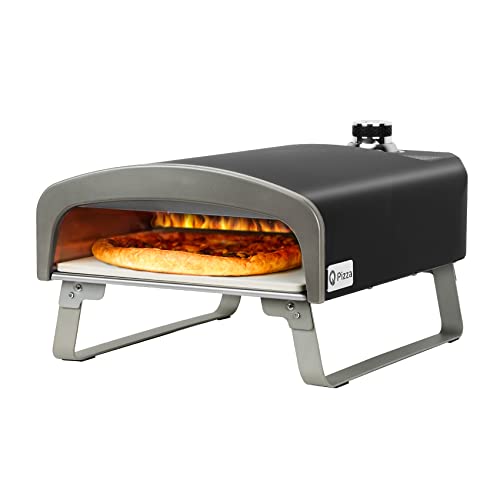
Shopping for the best gas pizza oven means balancing high heat, fuel type, and how much patio space you actually have to work with. Unlike an indoor electric countertop model, a gas-fired oven is built for the backyard. It needs airflow, a stable surface, and either a propane tank or a natural gas line nearby. The payoff is real restaurant-style cooking, with stone or steel decks that hold direct heat well above 800°F and turn out a blistered, chewy crust in two to three minutes. This guide walks through the fuel choices, deck materials, and sizing decisions that separate a genuinely great outdoor oven from one you outgrow in a season, plus the setup questions most first-time buyers do not think to ask until the tank runs dry mid-party.
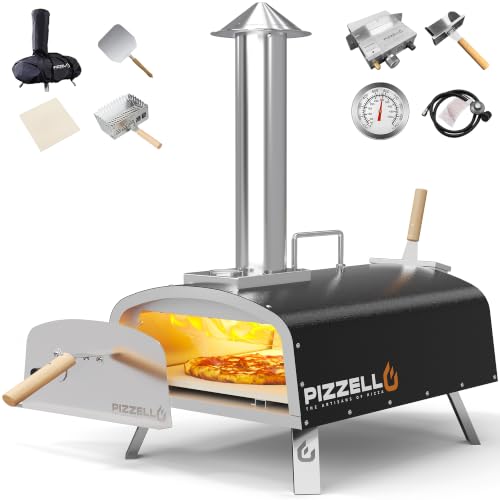
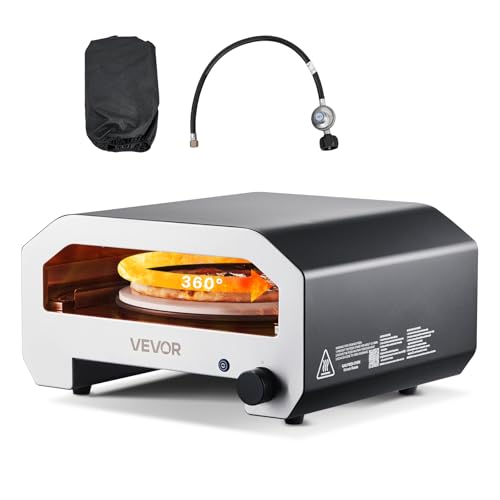
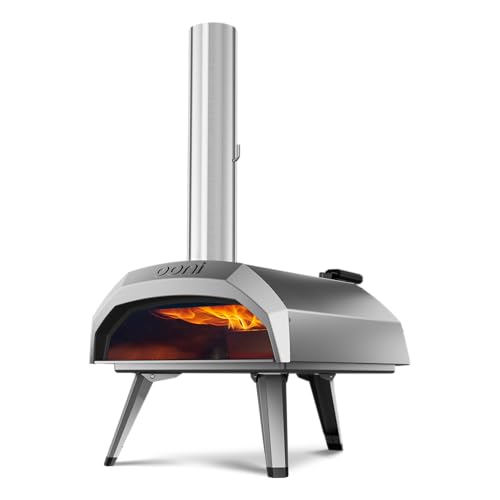
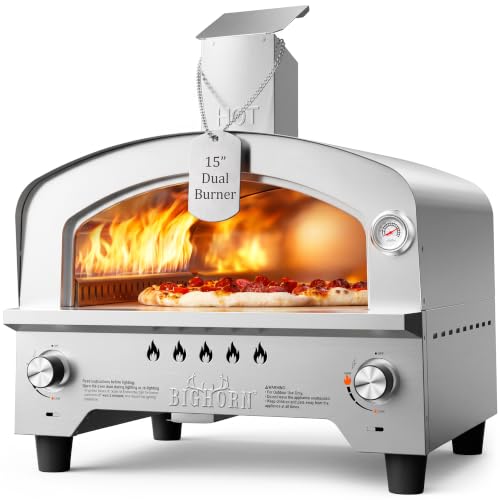
Temperature and Deck Material: The Two Numbers That Matter Most
Every gas pizza oven lists a max temperature, and that number matters more than almost any other spec. Neapolitan-style pies want a floor and dome temperature near 850 to 950°F so a thin crust chars in under two minutes without drying out the toppings. If your household leans toward thicker New York or pan-style pizza, you can get away with a unit that tops out closer to 650 to 700°F and still get great results with a longer bake.
Stone vs. Steel Cooking Surfaces
Stone decks heat evenly and are forgiving for beginners, but they lose temperature faster between pizzas and need a few extra minutes to recover. Steel decks conduct heat more aggressively, which shortens bake times and holds up better through back-to-back bakes for a crowd, though they demand more attention so the bottom does not scorch before the top finishes. Either surface works well; the right call depends on whether you are cooking one pizza at a time or feeding a full table.
Propane Tank or Natural Gas Line: Choosing Your Fuel Setup
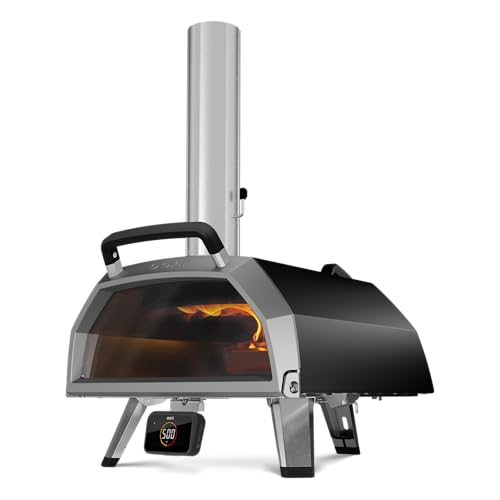
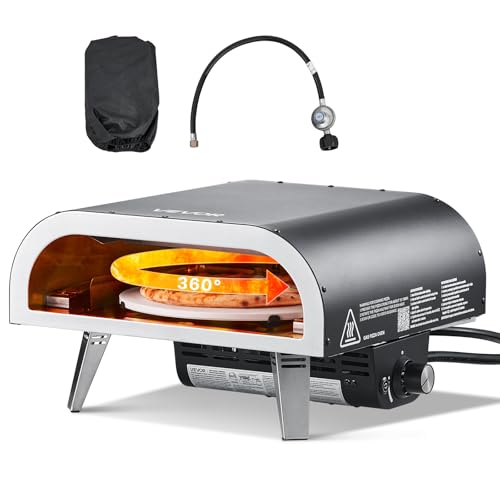
Most gas pizza ovens ship ready to run on a standard 20-pound propane tank, which is the simplest path if you already grill with propane. A full tank typically powers several pizza nights before it needs a refill or swap, though high-output ovens running near max heat for hours will drain one faster than a weekend grilling session would. Propane also travels well, so it is the obvious choice if you plan to bring the oven along on trips or set it up somewhere without utility access.
A natural gas hookup is the better long-term option if your patio already has a line or you are willing to have one run. Once installed, natural gas tends to cost less per hour than retail propane and removes the guessing game of when a tank will run out mid-bake. The tradeoff is that natural gas ties the oven to a fixed spot near the gas line, and not every model supports a conversion kit, so check compatibility before you assume you can switch fuel types later.
Why a Gas Flame Beats a Wood Fire for Most Backyard Cooks
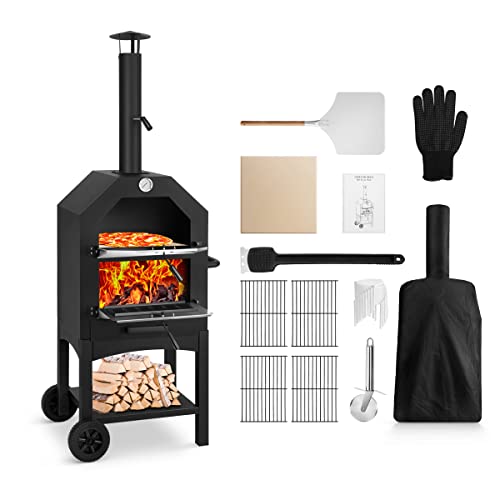
Wood-fired ovens deliver incredible flavor, but they demand real skill: building and maintaining a fire, managing smoke, and reading flame color to judge temperature. A gas burner replaces all of that with a dial. You get a steady, repeatable flame that holds a set temperature for as long as you need it, which makes it far easier to cook several pizzas back to back without the heat swinging up or down between bakes.
Preheat time is another practical advantage. Where a wood fire can take 45 minutes or more to build enough coal bed and stone heat, most gas ovens reach cooking temperature in 15 to 20 minutes from a cold start. For anyone who wants pizza night to actually feel like a weeknight option rather than a weekend project, that difference adds up fast. If you are still torn between the two, it helps to see how a wood-fired oven handles flavor and maintenance before deciding which tradeoff fits your routine.
Tabletop Portables vs. Cart-Mounted Ovens: Sizing to Your Patio
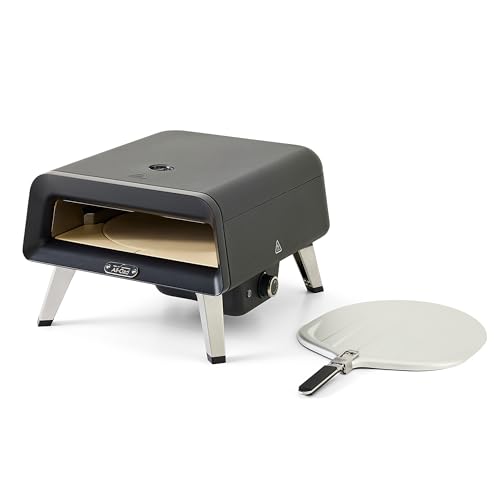
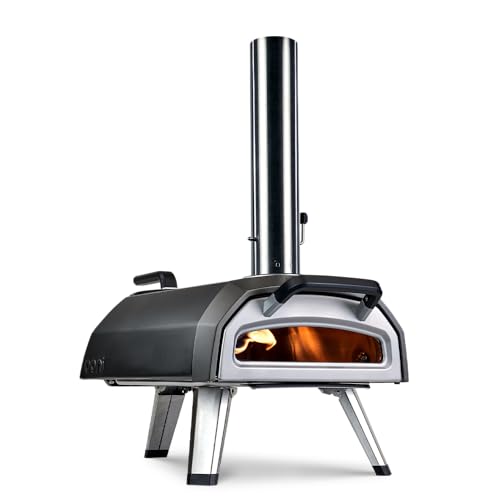
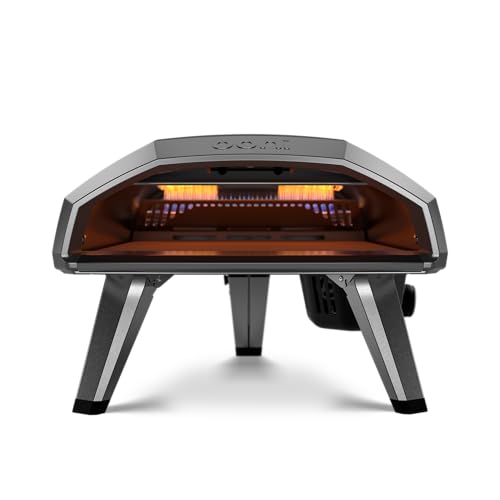
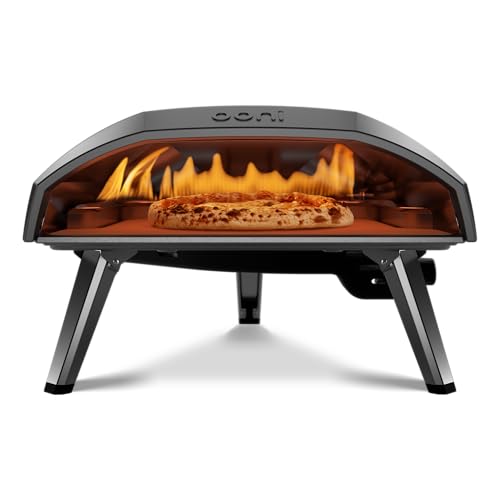
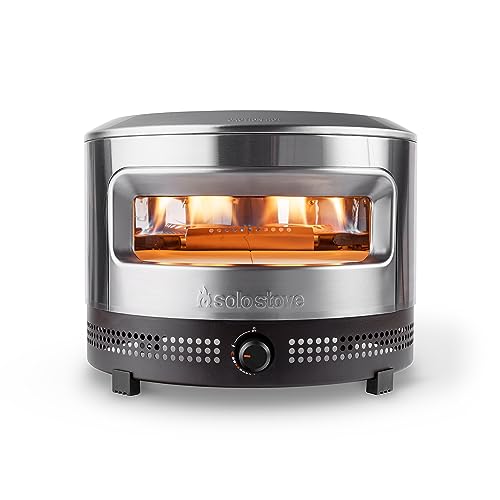
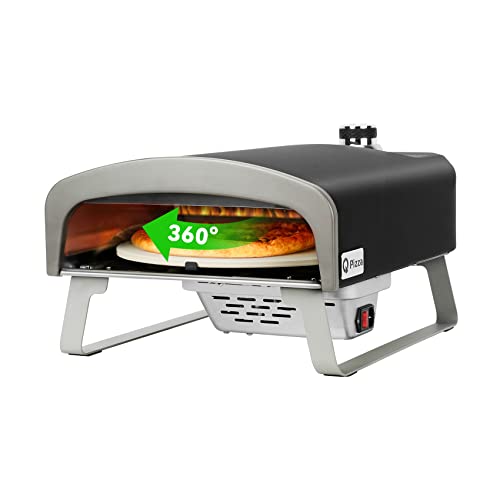
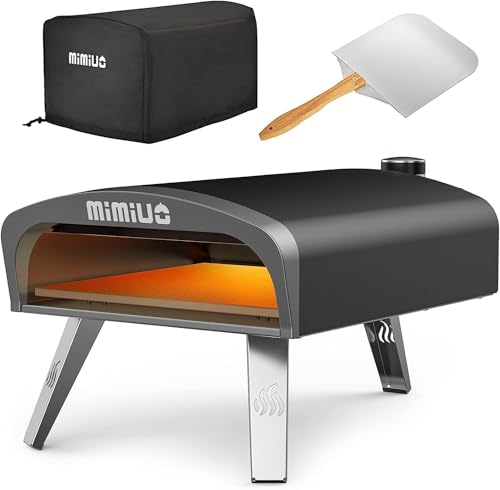
Compact tabletop gas ovens sit on an existing table, cart, or outdoor kitchen counter and usually weigh light enough for one person to carry. They are the right pick for smaller patios, apartments with a shared outdoor space, or anyone who wants to store the oven in a closet or shed between uses. Cart-mounted units come with their own stand, wheeled base, and often a side shelf or storage rack underneath, trading portability for a larger cooking chamber and a more permanent backyard presence.
For a tight balcony or small patio, the best gas pizza oven is usually the smallest tabletop model that still hits the temperature you need, since a bulky cart-mounted unit will feel oversized fast. Cooking capacity scales with footprint. A tabletop model built around a 12- to 13-inch pizza is plenty for a couple or a small family eating one pie at a time, while larger cart units with a 16-inch or wider deck can fit a full pizza with room to rotate it, or even two smaller pies side by side for a group. If your outdoor space is genuinely tight or you cannot install any kind of gas or propane setup at all, it is worth comparing an electric countertop pizza oven built specifically for indoor and small-space use.
From Weekend Tailgates to Weekly Pizza Nights: Matching Use to Design
How often you plan to fire up the oven should drive your choice as much as any spec sheet. A family that wants pizza night every week benefits from a cart-mounted unit that stays assembled and ready, since setup friction is the biggest reason a good oven ends up gathering dust. Occasional entertainers, on the other hand, often get more value from a portable model that folds away and only comes out for the barbecue or the game-day crowd.
Tailgating and camping trips add another layer to consider. A lightweight tabletop unit with a carry handle or bag, running off a small propane canister, fits in a truck bed or trunk far more easily than a full cart setup. Buying the largest, most capable oven you can afford only pays off if you will actually use it often enough to justify keeping it out and ready.
Frequently Asked Questions
How hot does a gas pizza oven get compared to a regular kitchen oven?
Most home kitchen ovens top out around 500 to 550°F, while gas pizza ovens commonly reach 700 to 950°F. That extra heat is what produces a charred, restaurant-style crust in minutes instead of the 12 to 15 minutes a home oven needs.
Do you need a special propane tank or regulator?
Most models are designed for a standard 20-pound propane tank and include the correct regulator and hose in the box. Always check the manufacturer's specs before substituting a different tank size or aftermarket regulator.
Can a propane oven be converted to run on natural gas?
Some models offer an approved conversion kit, but propane and natural gas run at different pressures, so you should never connect a propane-only oven to a natural gas line without the exact kit made for that model, installed correctly.
How long does a propane tank last for regular pizza nights?
A full 20-pound tank generally supports several pizza-night sessions of an hour or so each, though usage varies with burner output and how often you run the oven at max heat. Keeping a spare tank on hand avoids running out mid-cook.
Can a gas pizza oven be used in cold or windy weather?
Yes, most gas ovens perform well in cold weather since the flame does the heating rather than ambient air temperature. Wind is the bigger concern, since a strong gust can affect flame stability, so placing the oven in a somewhat sheltered spot helps.
Is a stone or steel deck easier for a first-time buyer?
Stone is generally more forgiving because it heats evenly and gives you a bit more margin before a crust burns. Steel rewards more practice but cooks faster once you get a feel for timing.
Do gas pizza ovens need much ongoing maintenance?
Upkeep is minimal compared to wood-fired models: brushing off flour and debris, occasionally wiping down the exterior, and checking the gas line or regulator connections before each use. There is no ash to clean out or chimney to maintain.
Getting the Most Out of Backyard Pizza Nights
The best gas pizza oven for your household comes down to matching heat output, fuel setup, and size to how you actually cook and entertain. Get those three right and you will have a tool that turns pizza night into something closer to effortless than a project. From there, the only real learning curve left is dialing in your dough and topping ratios.