Best Electric Pizza Oven: A Complete Home Buying Guide
Disclosure: We may earn a commission when you buy through links on this page, at no extra cost to you. As an Amazon Associate I earn from qualifying purchases. Learn more

Restaurant-quality pizza at home used to mean firing up a wood-burning oven in the backyard, but that is no longer the only path to a blistered, bubbly crust. The best electric pizza oven for your kitchen can hit temperatures that rival a professional setup, all from a countertop outlet. No propane tank, no chimney, no waiting for coals to die down. This guide walks through the heat performance, stone materials, sizing, and daily-use questions that actually separate a great electric oven from one that leaves your crust pale and soggy in the middle, so you can shop with a clear sense of what matters.




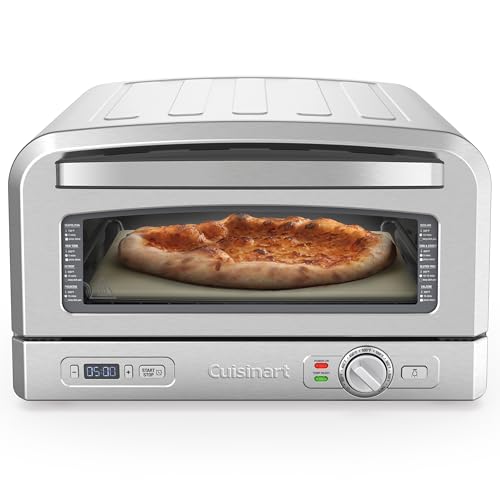

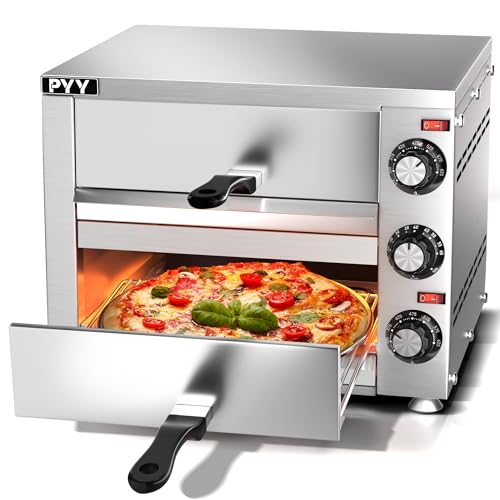
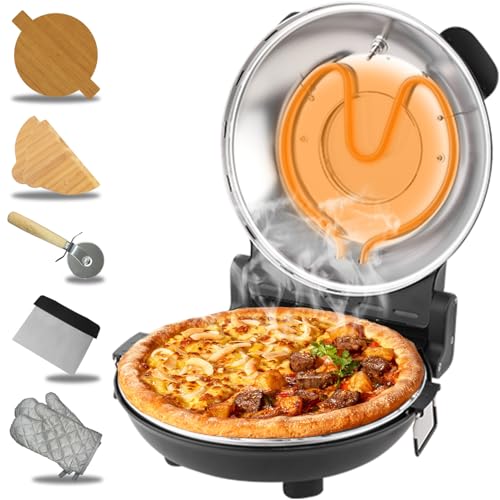
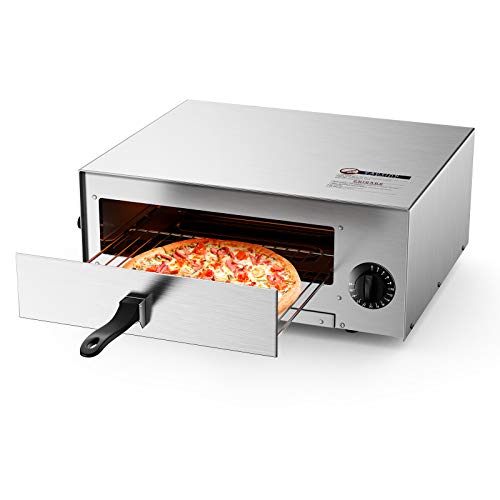
Temperature and Stone: What Actually Shapes the Crust
Crust quality comes down to two numbers: how hot the oven gets and how well it holds that heat against a cold dough ball. Neapolitan-style pies want surface temperatures above 800°F, which chars the crust in under two minutes while the toppings barely have time to overcook. Lower-powered units that top out around 500 to 600°F still make good pizza, just with a longer bake and a firmer, more New York-style bite rather than a leopard-spotted char.
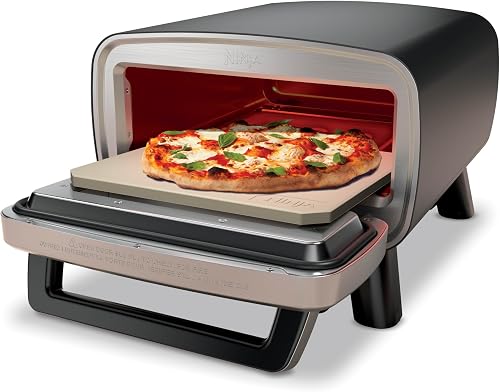
The baking surface matters as much as the air temperature. Cordierite and ceramic stones store heat well but can take 20 to 30 minutes to fully saturate, even after the display says ready. Steel surfaces heat faster and transfer energy into the dough more aggressively, which suits home cooks who want quicker turnaround between pies. Either way, give the stone extra time beyond the oven's own countdown; the air heats up long before the deck underneath it does, and a pizza launched onto an under-heated stone will stick and undercook on the bottom no matter how hot the dome reads.
Countertop Ovens vs Built-In Attachments
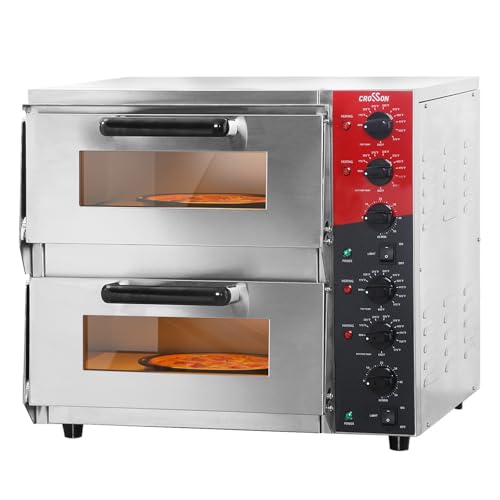
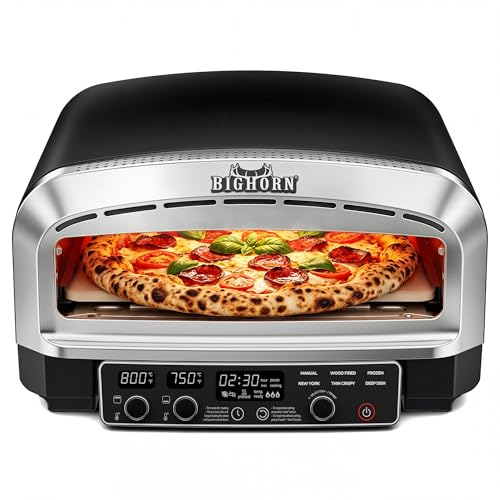
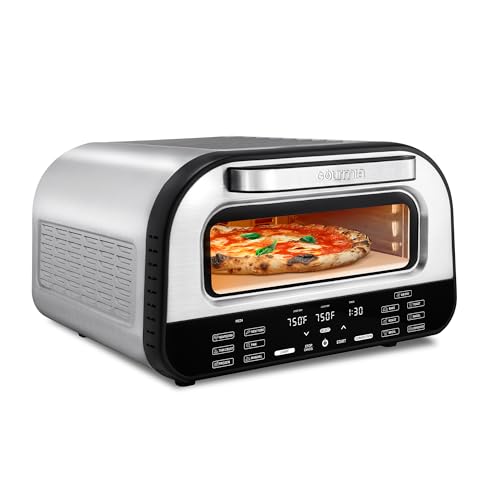
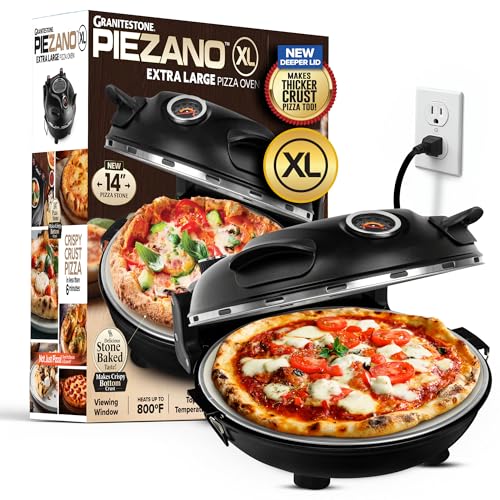
Most home shoppers are choosing between two formats. A standalone countertop electric pizza oven is a dedicated appliance with its own heating elements, insulation, and often a rotating stone, built specifically to reach pizza-friendly temperatures fast. These units plug into a standard outlet and typically draw more power than a toaster oven, so check your kitchen's circuit capacity before buying a high-wattage model.
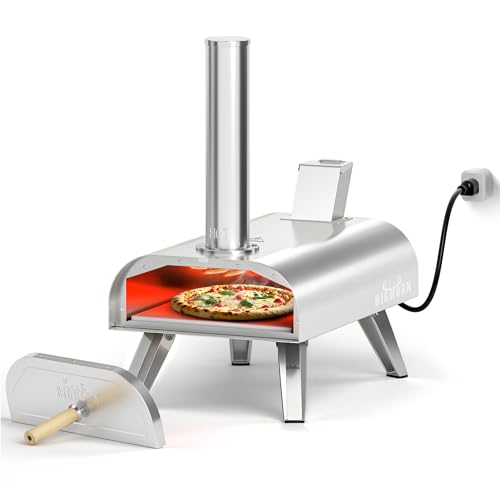
The second option is a conventional oven upgrade, such as a pizza stone or steel placed on the top rack under the broiler. This route costs far less and needs no extra counter space, but a household oven rarely exceeds 550°F and cannot replicate the intense, direct top heat a dedicated unit produces. If you already enjoy grilling live fire at home, it's worth comparing how a wood-fired setup handles crust versus an electric one before committing to either format, since the two appeal to fairly different cooking styles. Weighing these tradeoffs early makes it much easier to recognize which listing is genuinely the best electric pizza oven for your kitchen rather than just the one with the flashiest marketing copy.
Why Electric Wins for Indoor and Apartment Cooking
Gas and wood-fired ovens produce carbon monoxide and open flame, which is exactly why they are built for outdoor use only. Running one in a kitchen or on a covered balcony without serious ventilation is a genuine safety hazard. Electric models sidestep that problem entirely. They draw power, not fuel, so there is no exhaust to manage and no risk of a stray ember catching a nearby curtain.
That safety profile makes electric the only realistic choice for apartment dwellers, condo residents, and anyone without a yard or covered patio. It also brings more consistent results indoors, since electric heating elements hold a set temperature far more precisely than propane burners or a wood fire that needs constant tending. For a renter who wants pizza night without stepping outside, this is usually the deciding factor over any other single spec.
Sizing an Oven to Your Kitchen and Your Habits
Interior capacity is usually described by the largest pizza diameter it fits, commonly 12 to 16 inches. A 12-inch oven suits a couple who bakes personal-size pies, while a 16-inch model handles a full family pizza in one bake instead of two or three smaller rounds. Bigger capacity also means a larger footprint on the counter and a heavier appliance to store when it's not in use, so measure your available space before choosing a size that looks appealing in photos but won't actually fit next to your stovetop.
Frequency of use matters too. Someone hosting weekly pizza nights benefits from a higher-wattage unit with a fast reheat between bakes, since the stone loses heat with every pie that goes in and out. Occasional cooks can save money with a smaller, lower-wattage model and simply plan for a few extra minutes of recovery time between pizzas. Either way, a matching pizza peel sized to your oven's opening makes loading and turning the dough noticeably easier, especially once the stone is at full heat and every second counts.
Frequently Asked Questions
How hot does an electric pizza oven need to get for a good crust?
Aim for at least 750 to 800°F if you want a charred, Neapolitan-style crust in under two minutes. Ovens topping out near 500°F still work well but produce a firmer, more evenly browned crust over a longer bake.
Are electric pizza ovens safe to use indoors?
Yes, that's their main advantage. Unlike gas or wood-fired ovens, electric models don't produce carbon monoxide or open flame, making them the only pizza oven type genuinely suited to kitchen counters and enclosed spaces.
How long does an electric pizza oven take to preheat?
Most countertop models need 15 to 30 minutes to reach full temperature, though the display often reads "ready" before the stone underneath is fully heated. Give it extra time for the best results.
Do I need a special pizza stone or can I use my oven's stock surface?
The stone or steel that ships with the unit is usually sized correctly for its heating elements, so there's rarely a need to swap it. Replace it only if it cracks or warps from repeated high-heat cycles.
Can an electric pizza oven cook anything besides pizza?
Many models handle flatbreads, seared vegetables, and quick roasts thanks to their high top heat, though the compact interior limits pan size compared to a full-size oven.
How much power does an electric pizza oven draw?
Most residential units draw between 1,500 and 1,800 watts, similar to a toaster oven or space heater, and run fine on a standard household outlet without a dedicated circuit.
Is a bigger electric pizza oven always the better choice?
Not necessarily. A larger stone takes longer to heat evenly and takes up more counter space, so match the size to how many people you typically feed rather than buying the largest model available.
Getting Consistent Results at Home
Once you understand how temperature, stone type, and size interact, comparing electric models becomes far simpler than it first appears. The right choice depends less on brand reputation and more on how often you'll actually use it and where it needs to live in your kitchen. With those basics sorted, finding the best electric pizza oven for your own routine is mostly a matter of matching specs to habits rather than chasing the highest number on a spec sheet.