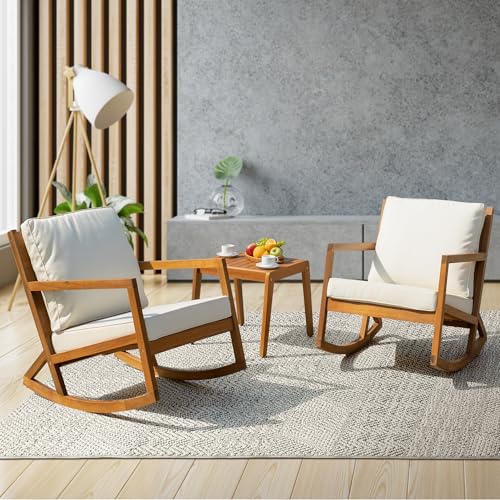
Best Outdoor Chair Pillows: A Complete Buying Guide
Disclosure: We may earn a commission when you buy through links on this page, at no extra cost to you. As an Amazon Associate I earn from qualifying purchases. Learn more
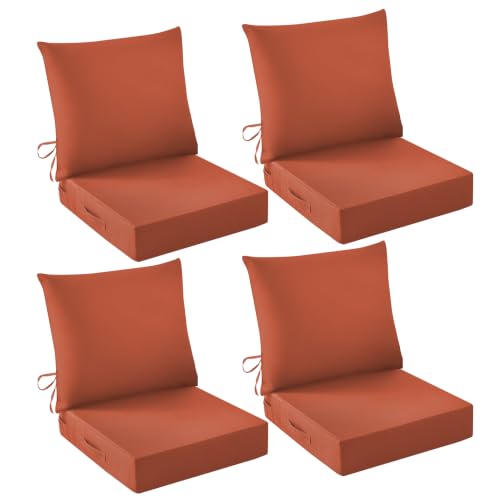
A patio chair with a bare seat cushion can still look unfinished, even after you've picked out the perfect frame and a durable pad to sit on. That's where outdoor chair pillows come in: smaller accent pillows that layer on top of a chair you already own, adding color, pattern, and a bit of extra back support without replacing anything. They're an easy way to refresh a tired-looking patio for a fraction of what new furniture costs, and swapping them out by season takes minutes. Picking the wrong fabric or fill, though, means watching a pillow mildew or fade within a single summer. This guide covers what actually separates a pillow built to live outside from one that just happens to be sitting there, plus the sizing, weather, and styling questions that come up once you're ready to buy.
Throw Pillows vs. Seat Cushions: Where the Line Is
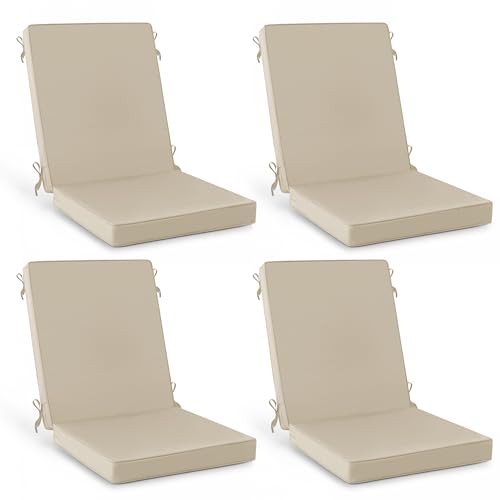
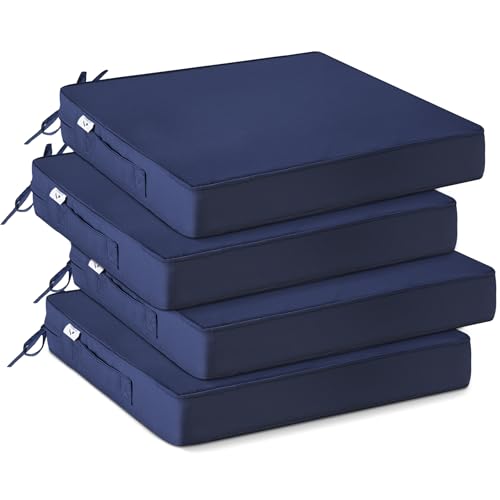
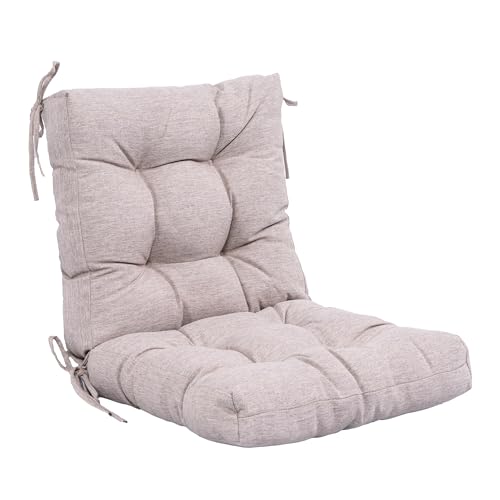
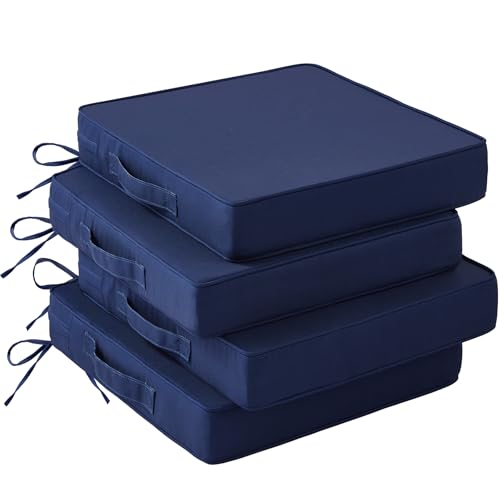
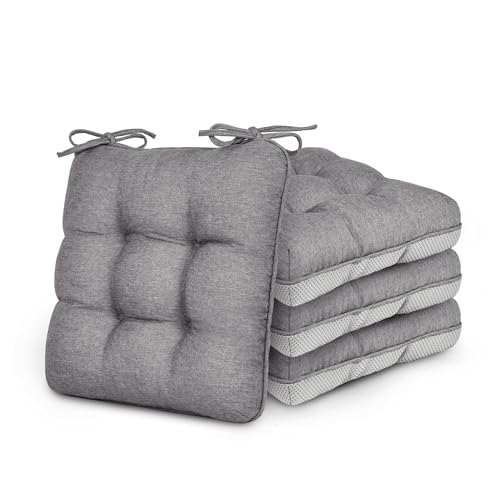
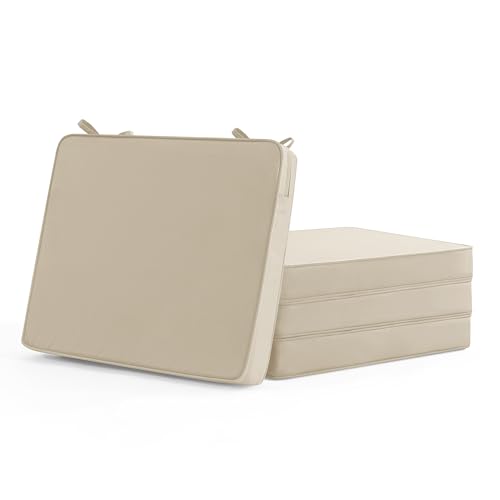
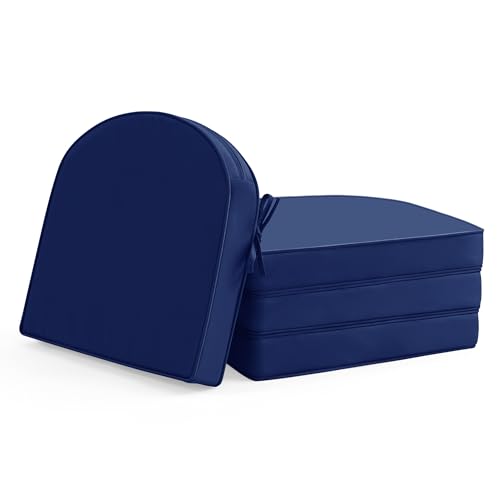
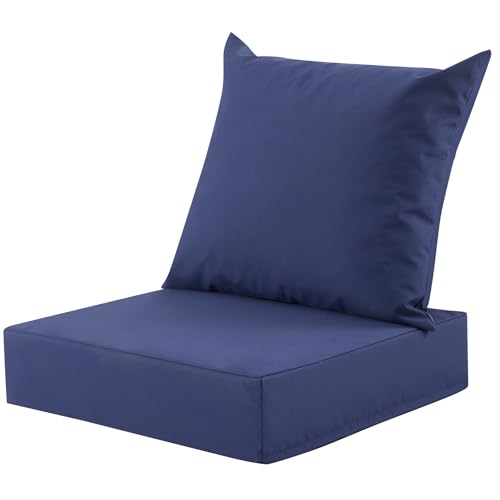
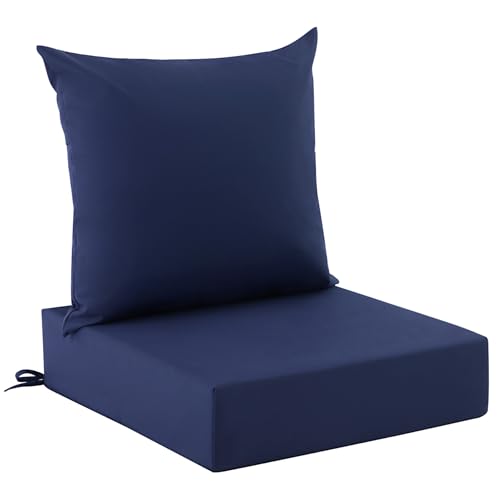
It's worth clearing up a common mix-up before shopping, because "outdoor cushion" and "outdoor chair pillow" get used interchangeably online even though they solve different problems. A seat cushion is the padded piece that sits directly on the chair and takes your full weight every time you sit down, usually shaped to match the seat and tied at two or four points. A throw or lumbar pillow, on the other hand, sits on top of that existing cushion, or leans against the back of a chair that's already comfortable enough on its own. If your chair's seat is still hard and bare, you likely need a proper seat cushion first; if the seat is fine but the setup looks flat or lacks lower-back support, an accent pillow is the piece you're actually after. Buying decorative pillows to fix a hard seat, or a bulky seat cushion when you just wanted a pop of color, is the most common reason people end up disappointed with either purchase.
Fabric and Fill Worth Paying For
Solution-dyed acrylic fabrics, the kind used in Sunbrella and similar performance lines, run color through the entire fiber instead of printing it on the surface, so the pillow resists fading and streaking even after a summer of direct sun. A tightly woven, water-repellent face fabric also matters more on a small accent pillow than people expect, since these pillows have less surface area to shed rain compared to a full seat cushion, and any water that soaks in has a shorter path to the fill. Inside the cover, polyester fiberfill is the most common choice for decorative outdoor pillows because it's lightweight and, when paired with a treated cover, reasonably mildew-resistant, though it can flatten and need occasional refluffing. Quick-dry foam drains faster and holds its shape longer, but it's heavier and firmer, which is why it shows up more often in seat and back cushions than in small toss pillows. Removable, zippered covers are worth the extra cost too, since being able to machine wash or swap a cover in minutes makes seasonal refreshes far less of a chore than it sounds.
Getting Size, Shape, and Placement Right on a Chair That Already Has a Cushion
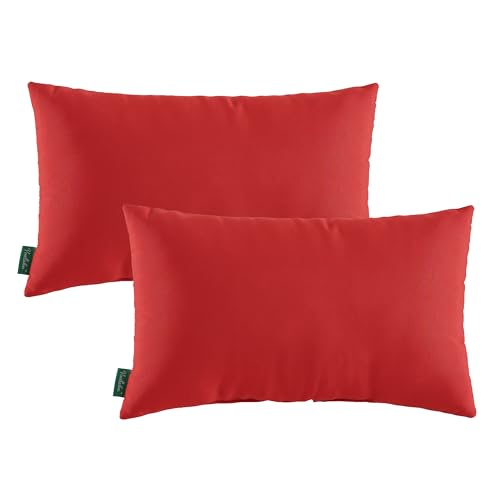
Because these pillows sit on top of an existing seat or lean against a backrest, sizing is more about proportion than exact measurements. An 18 or 20 inch square pillow works well as a single accent on most dining and lounge chairs, while a smaller lumbar pillow, roughly 12 by 20 inches, fits better against a tall, flat backrest where you want lower-back support without covering the whole chair back. On chairs with a sloped or curved seat, like a rocking chair or many Adirondack chairs, a pillow with no attachment points will slide the moment someone leans back, so look for a hidden loop, tie, or non-slip backing rather than assuming the pillow's own weight will keep it in place. Wind is a bigger factor than most people plan for as well; a lightweight decorative pillow on an open deck or upper-floor balcony has almost nothing to anchor it, so a tie strap that loops around the chair frame is worth prioritizing over one that just looks nice in photos.
A Realistic Rain, Wind, and Storage Routine
Most "outdoor" pillows are water-resistant, not fully waterproof, and that distinction matters more for how you use them day to day than any spec sheet suggests. A quick afternoon shower generally isn't a problem for a quality solution-dyed pillow, since the fabric sheds light rain and the fill dries out within a few hours in the sun. A prolonged storm is a different story, since sustained moisture eventually works past the water-repellent coating and soaks the fill, which is when mold and a musty smell start to set in. A practical routine is to leave pillows out for ordinary weather but bring them in, or at least under a covered porch, ahead of heavy or multi-day rain and before the off-season sets in for good. Keeping a lightweight storage bin or a fabric bag near the patio door makes this a five-minute habit rather than something you keep meaning to do and never get around to. If a pillow does get soaked, standing it on edge in the sun rather than leaving it flat speeds up drying and lowers the odds of mildew taking hold.
Mixing Colors and Patterns Without Overdoing It
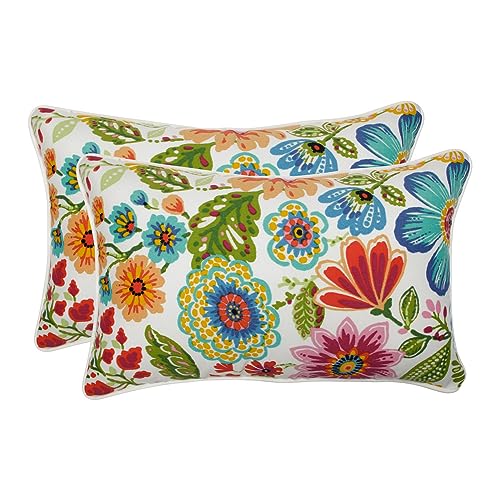
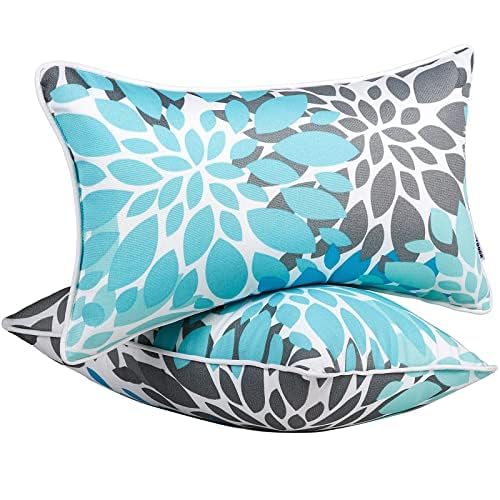
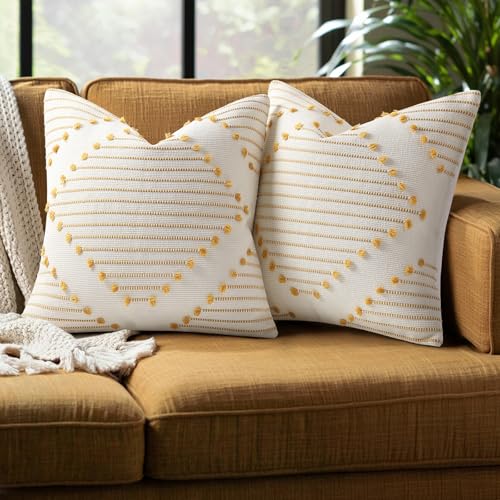
Once the fabric and fill are sorted out, the fun part is arranging pillows so the patio actually looks pulled together instead of cluttered. A simple rule that works on most chairs is one pattern paired with one or two solids in colors already present in the pattern, rather than three competing prints fighting for attention. Odd numbers tend to read as intentional rather than random, so a single lumbar pillow plus one square accent usually looks more finished than a pair of identical pillows stacked together. If you're furnishing more than one seat, like a full set of dining chairs or a loveseat alongside two chairs, repeating the same one or two fabrics across every seat ties the space together, while using a different combination on each chair usually just looks mismatched. Covers with zipper closures make this easier to experiment with over time, since swapping a faded or dated pattern doesn't mean replacing the whole pillow, just the fabric wrapped around it.
Frequently Asked Questions
What's the difference between an outdoor throw pillow and a seat cushion?
A seat cushion is the padded piece you sit directly on, shaped and tied to fit the chair, while a throw or lumbar pillow is a smaller accent piece added on top for color, pattern, or extra back support. If your seat is still hard underneath, you need a cushion first.
Are outdoor chair pillows actually waterproof?
Most are water-resistant rather than fully waterproof. They handle light rain fine and dry quickly in the sun, but sustained storms can soak through the fill, so it's worth bringing them in before heavy or multi-day rain.
What fabric holds up best outdoors?
Solution-dyed acrylic fabrics like Sunbrella resist fading because the color runs through the fiber rather than sitting on top. A tightly woven, water-repellent finish adds extra protection against light rain and stains.
How many accent pillows should I put on one chair?
One or two is usually enough for a single chair. Pairing one patterned pillow with a solid in a matching color tends to look more finished than several competing prints.
Do these pillows need ties or straps?
Ties help on chairs with sloped or curved seats, since a loose pillow can slide off when someone leans back. They also matter on windy decks and balconies where a lightweight pillow has little to anchor it.
Can outdoor pillows stay outside all winter?
It depends on your climate, but most pillows last longer when stored somewhere dry during freezing temperatures or long stretches without use. Repeated freeze-thaw cycles and sustained damp are harder on the fill than a single sunny summer.
The best outdoor chair pillows for your patio depend less on the prettiest print in the store and more on matching fabric, fill, and placement to how you actually use the space. A pillow that sheds rain, dries fast, and ties down securely will outlast one chosen on looks alone by several seasons. Start with the chairs that already have a working seat cushion, add one or two pillows that share a color story, and build the routine of bringing them in before real storms rather than every drizzle. Done that way, a small investment in fabric and fill turns a functional patio into one that actually feels finished.