Best Battery Operated Pole Saws 2026: Guide
Disclosure: We may earn a commission when you buy through links on this page, at no extra cost to you. As an Amazon Associate I earn from qualifying purchases. Learn more

The best battery operated pole saws balance reach, weight and runtime. Compare bar length, safety features and battery platform.
A battery operated pole saw lets you trim high branches from the ground, with no cord and no ladder. The best battery operated pole saws balance reach, weight and battery runtime, because a saw that is too heavy at full extension is tiring and unsafe to use.
The product table compares current pole saws by reach, bar length and battery platform. This guide explains the types, the features that matter and how to cut safely.


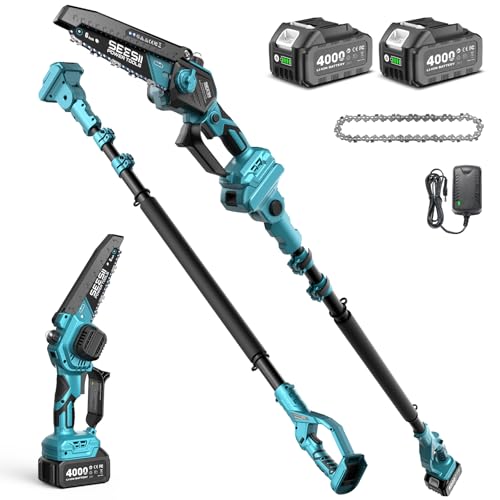


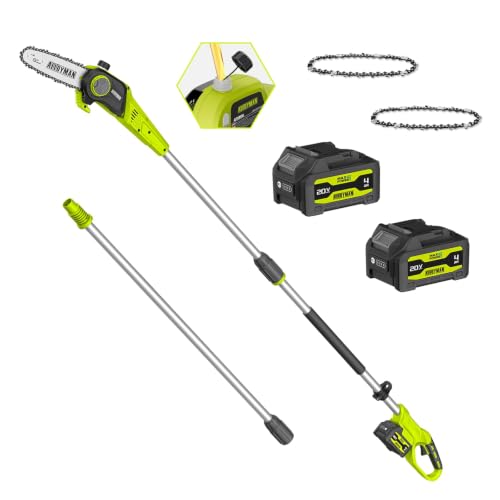
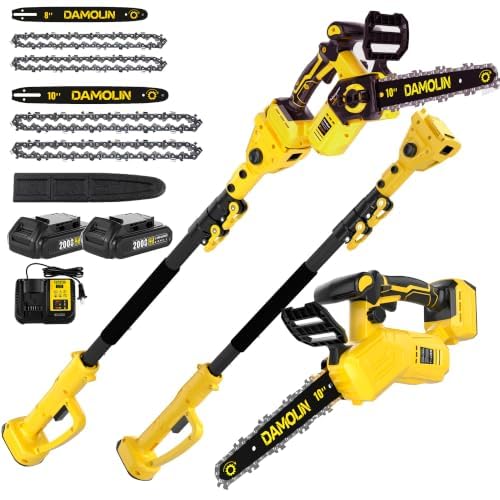


Types of Pole Saws Compared
Different pole saw types suit different routines, so start by matching the type to how you will actually use it. The table below summarizes the main options, and each type is explained in more detail underneath.
| Type | Best For | Typical Price |
|---|---|---|
| Compact Pole Saws | Small yards and light pruning | about $120 to $250 |
| Extendable Pole Saws | Taller trees | about $200 to $400 |
| Pole Saws With Interchangeable Batteries | Tool system owners | about $180 to $350 |
Compact Pole Saws
Compact pole saws extend to around eight feet and suit small yards and light pruning. They are lighter and easier to control, though reach limits them to lower branches. They suit homeowners with a few small trees.
Extendable Pole Saws
Extendable saws reach ten to fifteen feet, covering taller branches from the ground. They are heavier at full extension, so balance and grip matter. They suit yards with mature trees and regular trimming needs.
Pole Saws With Interchangeable Batteries
Saws sharing a battery platform with other garden tools save money on spare batteries. They suit owners already invested in a brand system. Check that the saw battery also powers the tools you use most.
For a wider comparison within this category, readers often also look at best battery pole saws, best battery powered pole saws, best battery pole saws for tree trimming. Each guide covers a closely related option, so you can see how pole saw choices differ before settling on a type.
Who Should Buy Which Type
The right pole saw depends on who will use it and how often. The groups below cover the most common buyers, so find the one closest to your situation and note the features it prioritises.
Homeowners With Small Trees
Small tree owners should favour light weight and easy handling over maximum reach. A saw that feels balanced at extension gets used safely, while a heavy saw tempts risky ladder use.
Owners of Mature Trees
Mature tree owners need longer reach and a longer bar for thicker branches. Check bar length against the thickest branch you plan to cut, and consider professional help for very large limbs.
Allotment and Garden Volunteers
Volunteers sharing tools should look for simple controls, clear safety locks, and a battery system the group already uses. A saw that anyone can operate safely beats a powerful model only one person understands.
Key Features Explained
Marketing lists can hide what actually matters, so focus on the features below when comparing models. Each one affects daily use, running costs, or long term satisfaction in a direct way.
- Reach and Weight: Reach and weight trade off directly. A longer pole reaches higher but feels heavier and harder to control, so test balance at full extension before buying, not just collapsed length.
- Bar Length: Bar length limits branch diameter. A ten inch bar handles most garden pruning, while longer bars suit thicker limbs but add weight and kickback risk.
- Battery Runtime: Runtime depends on branch size, battery size, and cutting style. Carry a spare battery for larger jobs, and check charge time, since a slow charger stalls a full day of trimming.
- Safety Features: A chain brake, lock off switch, and secure pole locks reduce risk. Check that locks hold firmly at extension and that the chain can be tensioned without tools if possible.
For a wider comparison within this category, readers often also look at best electric pole saws. Each guide covers a closely related option, so you can see how pole saw choices differ before settling on a type.
Common Mistakes to Avoid
Extending fully for every cut wastes control and energy. Another mistake is cutting branches too thick for the bar. A third is ignoring chain sharpness until cuts bind and kick back.
Take time to measure, check compatibility, and read the manual before first use. A little preparation avoids most disappointments, and it also helps you spot a poor fit before the return window closes.
Care and Everyday Use
Clean the bar and chain after use, check tension before each session, and store batteries charged and dry. Inspect pole locks for wear, and replace a damaged chain promptly rather than forcing cuts.
Never cut near power lines, never use a pole saw from a ladder, and never cut overhead branches while standing beneath them. Falling branches cause serious injuries, so plan drop zones and keep people clear. For large or hazardous trees, hire a qualified arborist.
Planning Before You Buy
Walk the yard and note the branch sizes and heights, and check where power lines run. A saw matched to real branches and safe reach will be used far more than an oversized model. If you already own cordless garden tools, choose a saw that uses the same battery, since a bare tool costs less than a kit. Also check the weight with the battery fitted, as that is the weight you will hold overhead.
Keep the manual and warranty details somewhere easy to find, and register the product if the maker offers it. Order a spare chain early so you are not caught without one in the middle of a pruning job.
Frequently Asked Questions
Can I cut any branch with a pole saw?
No, pole saws suit branches within the bar length and safe reach from the ground. Large, dead, or storm damaged limbs, and anything near power lines, need a professional arborist, not a longer pole.
How high can a pole saw safely reach?
Safe reach depends on pole length, your height, and control. Most homeowners work comfortably to around fifteen feet, but control drops as the pole extends, so stop before the saw feels unwieldy.
Do I need a ladder with a pole saw?
No, pole saws are designed to avoid ladders, and combining a pole saw with a ladder is dangerous. If a branch is out of safe ground reach, hire a professional with proper climbing or lifting equipment.
How do I maintain the chain?
Keep the chain sharp and tensioned, oil it as directed, and inspect for damaged teeth before use. A dull chain forces the cut, increases kickback risk, and drains the battery faster.
What should I wear when trimming?
Wear eye protection, a helmet, gloves, and sturdy boots, and keep bystanders clear of falling branches. Long sleeves protect against scratches, and hearing protection helps during long sessions.
Final Thoughts
Pick the reach you actually need, a bar length that suits your branches and a battery platform you can build on. The best battery operated pole saws feel balanced at full extension and have the locks and chain brake that keep cutting controlled. Compare the pole saws in the product table by reach, weight and kit contents, and keep safety gear on every time you cut.