Best Men's Work Boots Waterproof: Matching the Right Model to Your Routine (2026)
Disclosure: We may earn a commission when you buy through links on this page, at no extra cost to you. As an Amazon Associate I earn from qualifying purchases. Learn more

Waterproof work boots for men matched to trades, weekend projects, light duty and cold, wet job sites.
No single work boot suits every job. A framer on a muddy site, an electrician moving between homes, a warehouse worker on concrete all shift and a rancher in snow and slush all need something different from a waterproof boot. This guide to the best men's work boots waterproof options matches boot types to real routines, so you can choose by job and conditions instead of by brand name alone.
The product table above lists current options from KEEN Utility, Timberland PRO, Carhartt, Wolverine, Ariat, BRUNT and NORTIV 8. The sections below explain who should buy which style, the features worth comparing and the habits that keep waterproof boots dry and comfortable for longer.




Who Should Buy Which Work Boots Waterproofs?
Start with how many hours you wear boots each week, what you stand on and what your job site requires for toe protection. Those three facts narrow the field quickly.
For Frequent or Serious Users
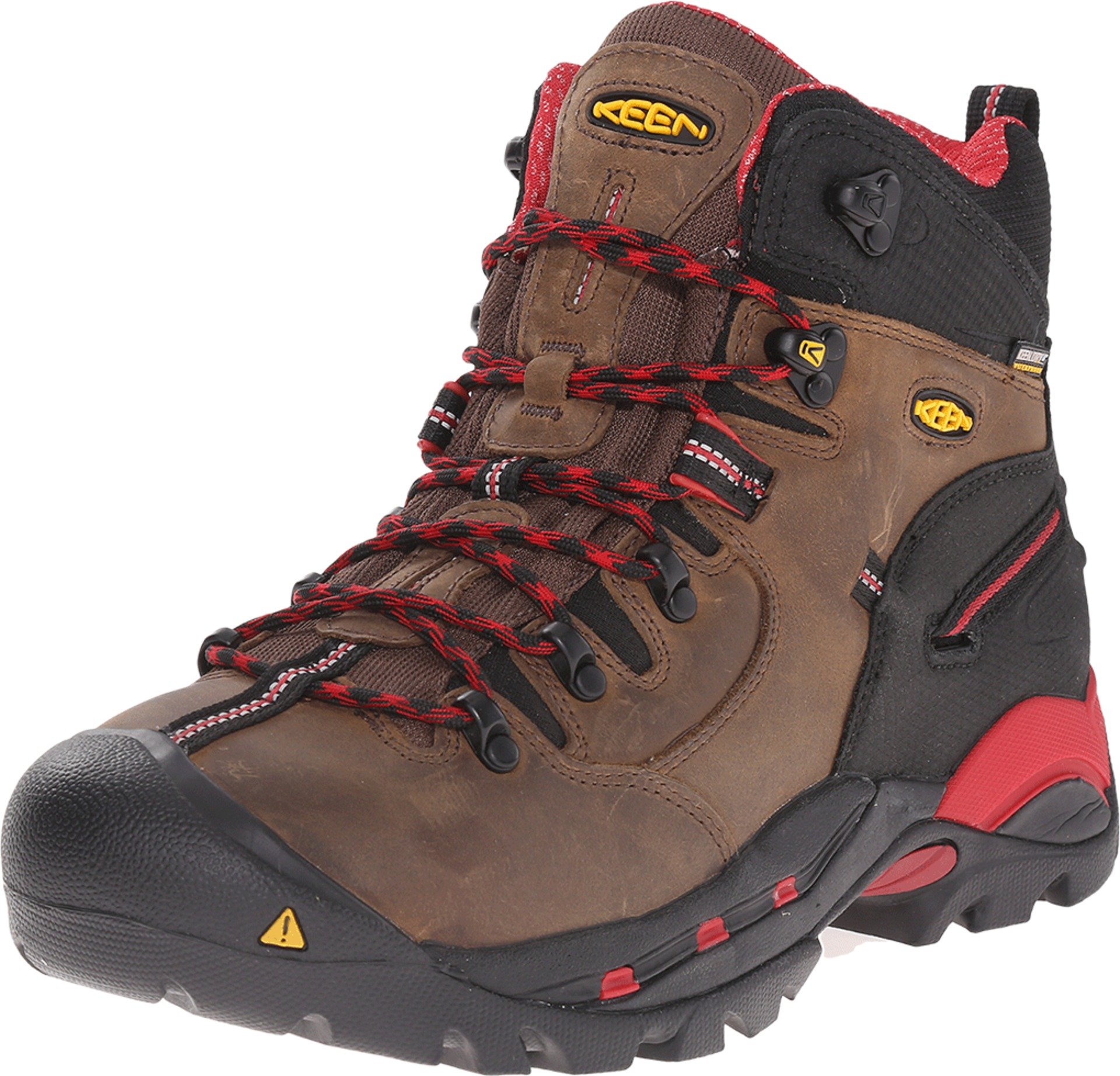
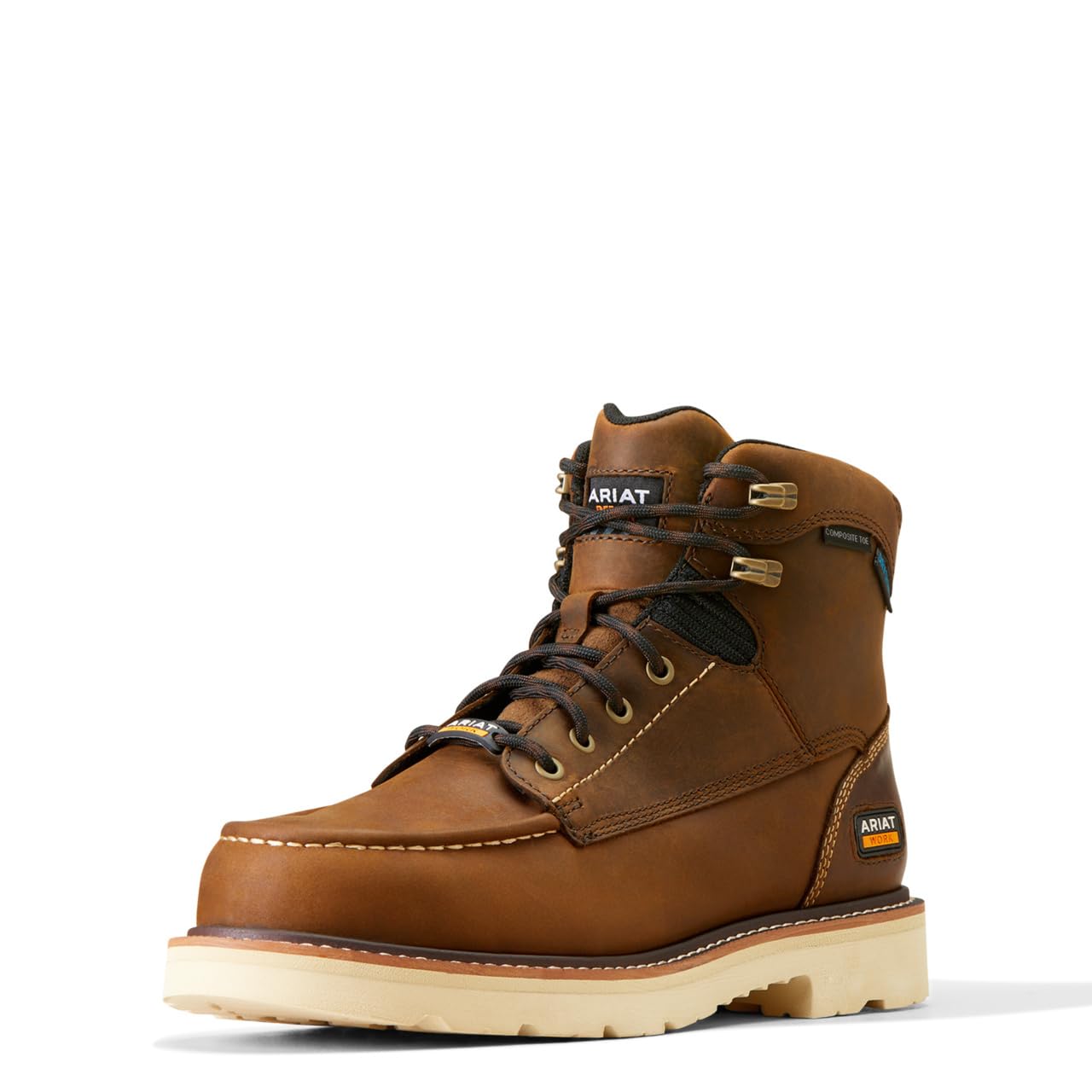
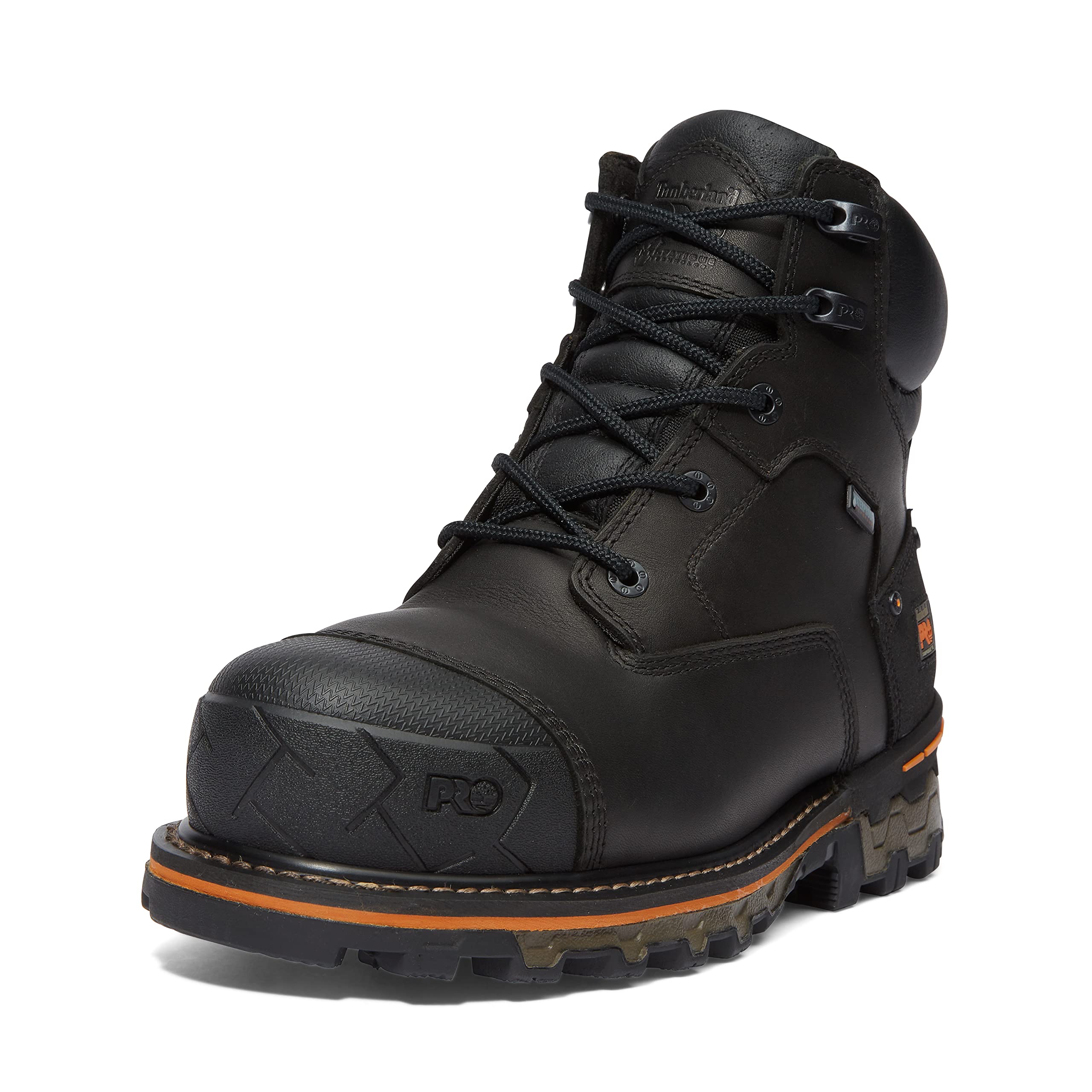
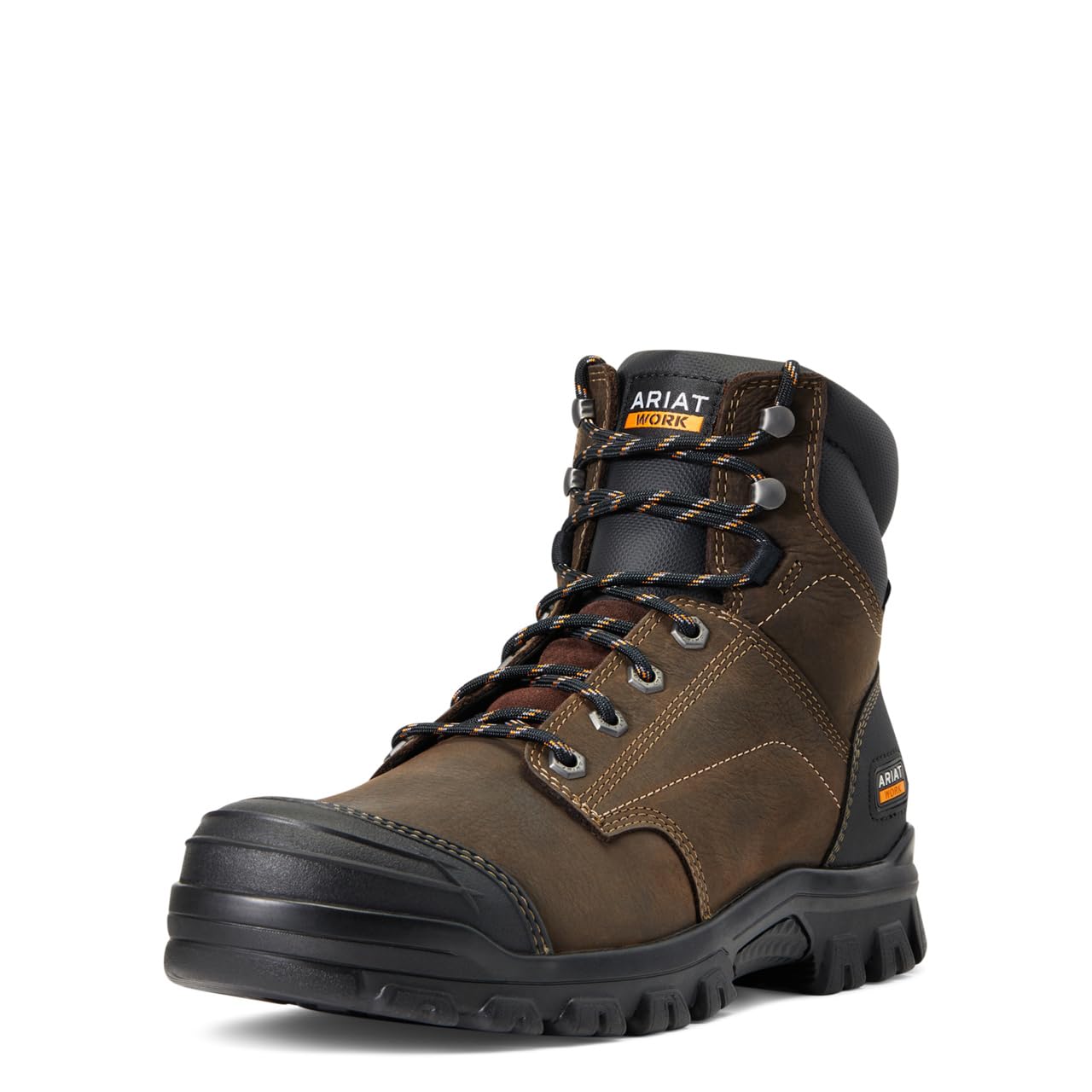
Tradespeople who wear boots 40 hours or more a week should put durability, support and safety ratings ahead of price. Look for full grain leather uppers, a safety toe that meets your site's rules, an electrical hazard rating if you work near wiring and a sole that can be resoled or holds up for many months of daily use. Premium styles such as the KEEN Utility Pittsburgh 6 inch steel toe, Ariat Rebar Lift 6 inch composite toe and Timberland PRO Boondock composite toe are built for this kind of daily wear. Budget extra for a quality insole, since your feet will thank you by the end of a long week.
For Weekend Beginners
Homeowners, weekend DIYers and new workers who wear boots a few days a week can choose a comfortable midrange or budget boot. Prioritize easy break in, a waterproof membrane, decent traction and a fair price. Soft toe styles are fine for yard work and home projects, while steel or composite toes make sense if you handle heavy materials. The NORTIV 8 waterproof steel toe boots sit around $50 and suit occasional use, and the Carhartt 6 inch Moc Toe waterproof boot offers a comfortable wedge sole for longer days around $126.
For Light Weight and All Day Movement
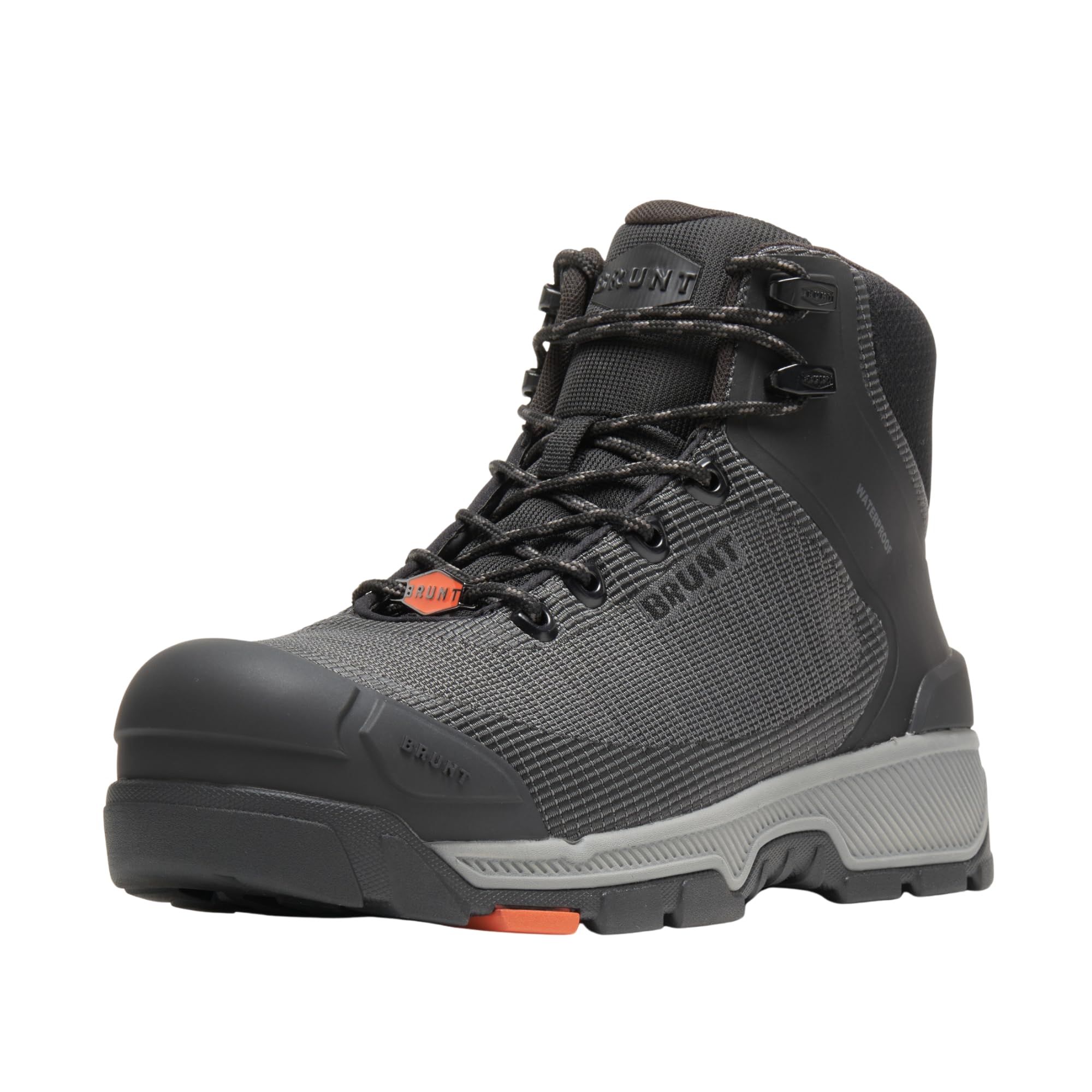
Workers who walk, climb ladders or kneel often, such as electricians, inspectors, HVAC techs and delivery crews, benefit from lighter boots. Composite safety toes weigh less than steel and do not conduct cold or heat as much. Hiker style work boots, like the Timberland PRO Keele Ridge steel safety toe or KEEN Utility Lansing mid height steel toe, combine a flexible feel with waterproof protection. The BRUNT Ryng composite toe is marketed as a lightweight, breathable, flexible option with EH rating and slip and oil resistance.
For Bad Weather and Tough Conditions
Anyone working in rain, mud, snow or cold should look for a fully waterproof leather boot with good traction and, in winter, insulation. The Timberland PRO Direct Attach 6 inch steel toe adds insulation for cold job sites, and tall pull on styles such as the Wolverine Floorhand 10 inch steel toe keep water and mud out of deeper puddles. Oil resistant and slip resistant outsoles matter on wet concrete and steel decks. For severe cold, compare with our men's winter boots guide.
Key Features to Compare in the Best Men's Work Boots Waterproof
These features separate a boot that keeps you dry and comfortable from one that leaves you with wet socks and sore feet by noon.
Waterproofing Method
Most waterproof work boots use a waterproof membrane sewn inside the leather, often with sealed seams, which keeps water out while letting some sweat vapor escape. Oil tanned leather, as on the Carhartt Moc Toe, also sheds water well. Check whether the boot is labeled waterproof rather than water resistant; water resistant boots handle light rain but soak through in puddles or wet grass. Gusseted tongues, which are attached along the sides, stop water from entering through the lacing area.
Arch Support and Foot Type
Arch support affects comfort more than almost anything else on long shifts. People with flat feet or overpronation usually need firmer arch support and a stable heel, while people with high arches benefit from more cushioning. Many work boots ship with basic insoles, so swapping in an aftermarket insole made for your foot type is an easy upgrade. If you have ongoing foot pain, a podiatrist can recommend the right level of support.
Fit, Sizing, and Toe Box
Measure your feet in the afternoon, when they are slightly swollen, and wear the socks you use at work. You should be able to wiggle your toes freely, and your heel should lift only slightly when you walk.
Safety toes do not stretch, so a roomy toe box matters more than in regular boots. Wide sizes are common in work boots; KEEN Utility is known for a roomier toe shape. Check the seller's return policy so you can exchange sizes easily.
Safety Toe Type and Ratings
Steel toes give strong protection at a lower price but add weight and conduct cold. Composite toes are lighter and do not set off metal detectors, which suits airports and some plants.
Alloy toes sit between the two. Look for ASTM F2413 ratings if your employer requires them, and an EH (electrical hazard) rating if you work near live wiring, as on the Carhartt Moc Toe, BRUNT Ryng and BRUNT Kasparian. Soft toe boots are fine when no safety toe is required.
Upper Materials and Breathability
Full grain leather is the most durable and water shedding upper, and it molds to your foot over time. Nubuck and suede feel softer but need more care. Synthetic panels and textile collars reduce weight and improve airflow, but they wear faster on rough job sites. Since waterproof membranes trap some heat, breathable linings such as Carhartt's FastDry lining help keep feet drier from sweat during warm weather and hard work.
Outsole, Traction and Construction
Wedge soles, like those on moc toe boots, spread weight evenly and feel great on concrete and flat ground. Lugged soles grip better in mud, gravel and on ladders. Look for slip resistant and oil resistant ratings for wet or greasy floors. Construction matters too: Goodyear welted boots can often be resoled, which extends their life, while cemented or direct attach boots are lighter and more flexible but usually cannot be resoled.
What Men Should Look For
Men's boots are built on wider, higher volume lasts than women's boots, but foot shapes still vary widely. Men with wide feet should look for EE or wider sizes, and men with large feet should consider weight carefully, since a size 13 steel toe boot can feel heavy on a long shift. Height matters too: 6 inch boots suit most work, while 8 to 10 inch boots protect ankles better on uneven ground and keep out deeper water.
Durability and Expected Lifespan
A quality waterproof work boot typically lasts around 6 to 12 months of hard daily use, and often longer with lighter use and good care. Leather uppers usually outlast the waterproof membrane and outsole. Resoleable boots can last years with a sole replacement or two. Signs that it is time to replace a pair include worn tread, cracked leather, a damaged safety toe and water leaking through after cleaning and conditioning.
Common Mistakes to Avoid When Buying Work Boots Waterproofs
- Judging by price alone. A cheap boot that wears out in three months costs more than a quality pair that lasts a year.
- Ignoring arch support and foot type. The wrong support can cause foot, knee and back pain on long shifts.
- Buying the wrong size. A tight safety toe never stretches, so size for comfort with work socks on.
- Skipping site requirements. Check whether your job needs a safety toe, EH rating or slip resistance before buying.
- Confusing water resistant with waterproof. Only waterproof boots keep feet dry in puddles and wet grass all day.
Care and Maintenance Tips
- Clean mud off after each wear. Dried mud pulls moisture and oils from leather and speeds cracking.
- Air dry wet boots away from direct heat. Remove the insoles, stuff the boots with newspaper and let them dry at room temperature; heaters and dryers can damage leather and glue.
- Condition leather regularly. Use a conditioner or waterproofing product suited to the leather type every few weeks of heavy use.
- Rotate two pairs for daily wear. Giving each pair a full day to dry extends their life and keeps feet healthier.
- Store boots on a tray. A boot tray catches meltwater and mud by the door.
Work Boots Waterproofs: Your Questions Answered
What makes work boots waterproofs for men different?
Waterproof work boots for men combine a waterproof membrane or treated leather with work features like safety toes, EH ratings and slip resistant soles. Men's versions are built on wider lasts with sizes that run larger and often offer wide widths. The goal is to keep feet dry and protected through a full shift in wet or muddy conditions, which regular work boots cannot do.
Do I need waterproof shoes?
You need waterproof boots if you work outdoors, in rain, snow, mud, wet grass or around water and hoses. Wet feet lead to blisters, cold, discomfort and fungal problems over time. If you work only indoors on dry floors, a breathable non waterproof boot may be cooler and lighter. For pure rain protection, see our rain boots guide.
Are expensive work boots waterproofs worth it?
They are worth it for daily, long shift wear. Premium boots from brands like KEEN Utility, Ariat, Timberland PRO and Carhartt usually offer better leather, longer lasting waterproof membranes, sturdier safety toes and more comfort technology. Occasional users can save with budget boots around $45 to $60, but full time tradespeople typically get more value from a $120 to $200 pair that lasts longer.
How should work boots waterproofs fit?
Waterproof work boots should feel snug around the heel and midfoot with room to wiggle your toes. The safety toe should not press on your toes when you crouch or walk. Your heel may lift slightly in new leather boots, which usually settles as they break in. Try boots with your work socks and any insoles you plan to use.
Can I wear them all day?
Yes, a well fitted waterproof work boot is made for full shifts. Comfort over 8 to 12 hours depends on arch support, cushioning, weight and breathability. Lighter composite toe boots and wedge soles feel easier on concrete, while breathable linings reduce sweat. Changing into dry socks at lunch helps on hot or wet days.
How long is the break in period?
Most modern waterproof work boots need a few days to two weeks of regular wear to break in. Full grain leather and Goodyear welted boots take longer than lighter, flexible styles. Wear new boots around the house or for shorter shifts first, and use thick socks to prevent blisters. If a boot still pinches after two weeks, it is likely the wrong size or shape.
Are tactical boots good for work?
Tactical boots can work for light duty jobs, security and outdoor work, since they are light and often waterproof. Most lack safety toes and EH ratings, though, so check job requirements first. See our tactical boots guide for options.
Final Thoughts
Three things matter most: a true waterproof build, safety features that match your job and a fit with the right arch support for long shifts. Full time tradespeople should look at premium leather boots from KEEN Utility, Ariat and Timberland PRO, weekend users can save with Carhartt or NORTIV 8, and cold or wet sites call for insulated or tall pull on styles. Check the product table above to compare the best men's work boots waterproof options and choose the pair that fits your routine.