Best Compressor Watches: Types Compared and How to Choose for 2026
Disclosure: We may earn a commission when you buy through links on this page, at no extra cost to you. As an Amazon Associate I earn from qualifying purchases. Learn more
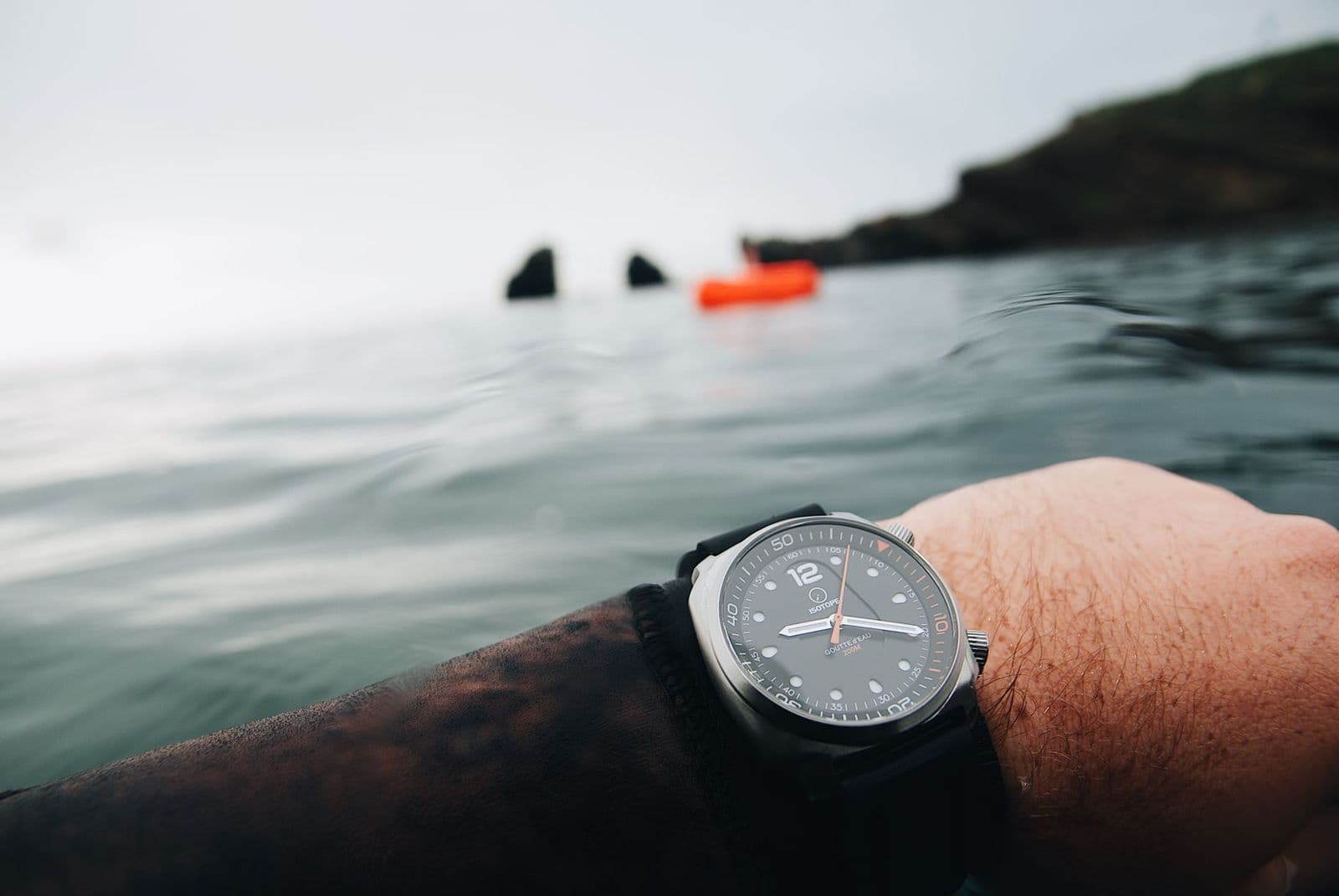
Compare the best compressor watches by type, movement, water resistance, and price tier with a clear buying guide for choosing the right style.
Compressor watches confuse many buyers because the name covers a case design, not a single movement or style. Some models use two crowns and an inner rotating bezel, others copy the look with one crown, and movements range from quartz to automatic. This guide walks through the best compressor watches by type so you can match the case, movement, and price tier to how you actually plan to wear the watch.
Start with the type breakdown below. By the end you will know which questions about water resistance, case size, and servicing matter most, and which details are mostly decoration.
Types of Compressor Watches Compared
A compressor case was originally a dive watch design from the middle of the last century. Water pressure pressed the case back tighter against its seal as depth increased, which improved water resistance exactly when the watch needed it most. Modern versions keep the spirit of that design, usually with a rotating inner bezel turned by a second crown, bold markers, and strong lume for reading the dial in low light.
Today the category splits along two lines. The first is construction, meaning a true dual crown layout versus a single crown style that borrows the look. The second is movement, meaning quartz, solar, automatic, or smart features inside a case shaped like a compressor. The four groups below cover the combinations you will meet most often, with typical prices from around $100 for simple quartz styles to about $1,500 or more for automatic models from established makers.
Quartz Watches
Quartz compressor style watches run on a battery and a quartz crystal, which keeps them accurate to within a few seconds a month with almost no attention from you. They are usually the lowest priced entry into the style, often around $100 to $300, and they tend to be thinner and lighter than automatic versions. The trade off is character. There is no sweeping second hand and no mechanical movement to admire, and the battery needs changing every two to three years.
Choose quartz if you want the compressor look for daily wear and you value grab and go convenience over tradition. A battery change is cheap, but ask who can reseal the case afterward, because opening the back can compromise the water resistance rating if the gasket is not replaced and checked.
Solar Watches
Solar models use a light sensitive dial to charge a rechargeable cell, so regular exposure to indoor or outdoor light keeps them running for months. They suit buyers who dislike battery changes and who wear the watch often enough to keep it charged. Prices commonly sit around $200 to $500, between basic quartz and mid range automatic models.
The weakness appears when the watch sits in a dark drawer for long stretches, because a fully drained cell can lose capacity over time. If you rotate through a large collection, store a solar watch where it gets some light each week. Also check how the dial handles the solar cells, since some designs show a faint tint or texture in bright sun.
Smartwatches
A small number of smartwatches borrow compressor styling, with chunky cases, rotating bezels, and dive style markers wrapped around a touchscreen. These give you notifications, GPS tracking, heart rate data, and changeable faces, which no traditional compressor can match. Battery life is the compromise, measured in days rather than years, and the software will age faster than the case.
Pick this route only if the smart features are the main reason for buying and the compressor look is a bonus. Check the water resistance rating carefully, because a sporty case shape does not guarantee a watch is built for swimming. Also confirm that replacement straps use standard lugs, since proprietary fittings limit your options later.
Dive and Field Watches
This group holds the most faithful compressor designs, usually automatic, with dual crowns, an inner timing bezel, and ratings of about 200 meters of water resistance. Field leaning versions trade some depth rating for smaller cases and simpler dials that work well on land. Expect prices from around $400 to $1,500, with servicing costs to plan for every five to seven years.
If you want background on the dual crown layout in particular, see our guide to the best super compressor watches, which explains how the inner bezel system developed. For genuine swimming and regular outdoor use, this is the group to shop first.
Quartz Watches vs Solar Watches: Which Should You Choose?
Quartz and solar models solve the same problem, accurate time with little fuss, in slightly different ways. Quartz wins on purchase price and on choice, because far more compressor style designs use a standard battery movement. Solar wins on upkeep, since you skip battery changes as long as the watch sees light regularly, and there is no periodic opening of the case to disturb the seals.
Accuracy is a tie for most owners, with both staying within a few seconds a month. Thickness and weight are similar as well. The deciding factor is your routine. A watch worn daily under office lighting suits solar power well. A watch worn once a week and stored in a closed box suits quartz better, because its battery keeps working in the dark. If you plan to swim with the watch, either movement works, so let the water resistance rating and crown design make that call instead.
How to Choose the Best Compressor Watches
Legibility and Style
Compressor dials were built to be read at a glance, so look for large markers, broad hands, and lume that covers both. Hold photos of the dial against your real use. A busy dial with small subdials may look technical yet prove hard to read while driving or swimming. Style matters too. Polished cases and leather straps lean dressy, while brushed steel, fabric straps, and high contrast dials lean sporty. Buy for the setting where the watch will spend most of its hours, not for the one trip you take each year.
Movement Type (Quartz, Automatic, Solar, Smart)
Automatic movements wind themselves from your wrist motion and appeal to buyers who enjoy mechanical craft, but they need servicing every five to seven years and can drift by several seconds a day. Quartz and solar movements are more accurate and cheaper to run, though they lack that mechanical feel. Smart movements add data and alerts at the cost of frequent charging. Match the movement to your tolerance for upkeep. If opening a case or booking a service appointment sounds like a chore you will postpone, a quartz or solar model will serve you better.
Strap and Bracelet Options
Straps change both comfort and character. Leather looks sharp with a polished case but should stay away from swimming. Fabric straps in the NATO style dry fast and add color, though they add a little height under the case. Steel bracelets balance heavier cases and last for years, while silicone suits sport and salt water. Look for quick release spring bars, which let you swap straps in seconds without tools. Confirm the lug width, commonly 20 mm or 22 mm, before you buy spare straps, and check that the buckle finish matches the case.
Brand Reputation, Warranty, and Value
A compressor watch is a niche purchase, so the maker behind it matters. Favor brands with a track record in dive watches, clear warranty terms of at least two years, and service centers you can actually reach. Reading about the best quality watches can help you judge finishing standards such as bezel action, dial alignment, and crown feel before you commit. Value is not only the sticker price. A watch that holds its seals, keeps parts available, and can be serviced locally will cost you less over a decade than a cheaper watch that nobody nearby can repair.
Setup and Care Tips
Set the inner bezel before a dive or a timed task by turning the upper crown until the marker lines up with the minute hand, then track elapsed time from the dial. Service automatic watches every five to seven years even if they seem fine, because lubricants dry out quietly. Rinse the watch in fresh water after salt water exposure, dry it with a soft cloth, and store it away from magnets such as tablet covers and speakers, which can disturb a mechanical movement. Always push crowns fully in before the watch touches water, and have pressure checks done after any battery change or case opening.
Frequently Asked Questions
How long does a watch battery last?
A typical quartz watch battery lasts about two to three years. Models with power saving features or larger cells can stretch toward four years. Replace the battery as soon as the second hand starts jumping in steps, since that low power warning means the cell is nearly spent and a leaking old battery can damage the movement.
How water resistant should a watch be?
For daily wear and rain, a rating of about 50 meters is enough. For regular swimming, choose 100 meters or more, and for a compressor style watch you plan to dive with, look for 200 meters plus crowns that seal firmly. Ratings assume the seals are new, so older watches should be checked before serious water use.
Quartz or automatic: which is better?
Neither is better for everyone. Quartz is more accurate, cheaper to buy, and needs almost no attention beyond battery changes. Automatic movements offer mechanical character and no battery, but they cost more to service and drift more over a month. Pick based on whether low upkeep or mechanical craft matters more to you.
Is a smartwatch worth it over a classic watch?
A smartwatch earns its price if you will use its health tracking, notifications, and GPS every week. If those features sound like novelties, a classic compressor style watch will last longer, need far less charging, and hold its appeal after the software in a smartwatch feels dated. Many owners who track workouts separately, for example with the best workout watches, prefer a classic watch for everything else.
What case size fits my wrist?
Most compressor watches run from about 36 mm to 44 mm across the case. Measure your wrist, then try to keep the case lugs inside the width of your wrist rather than hanging over the edges. Slim wrists usually suit 36 mm to 40 mm, while larger wrists carry 41 mm to 44 mm comfortably. Thickness matters too, since a tall case catches on cuffs.
Final Thoughts
Focus on three decisions and the rest gets easier. Choose the movement that matches your upkeep habits, confirm a water resistance rating that fits your real water use, and pick a case size that sits neatly on your wrist. Once those filters are set, the best compressor watches for your budget and style should stand out clearly. If you are shopping for someone else, our overview of the best watches for guys offers extra sizing and style pointers worth a quick read.