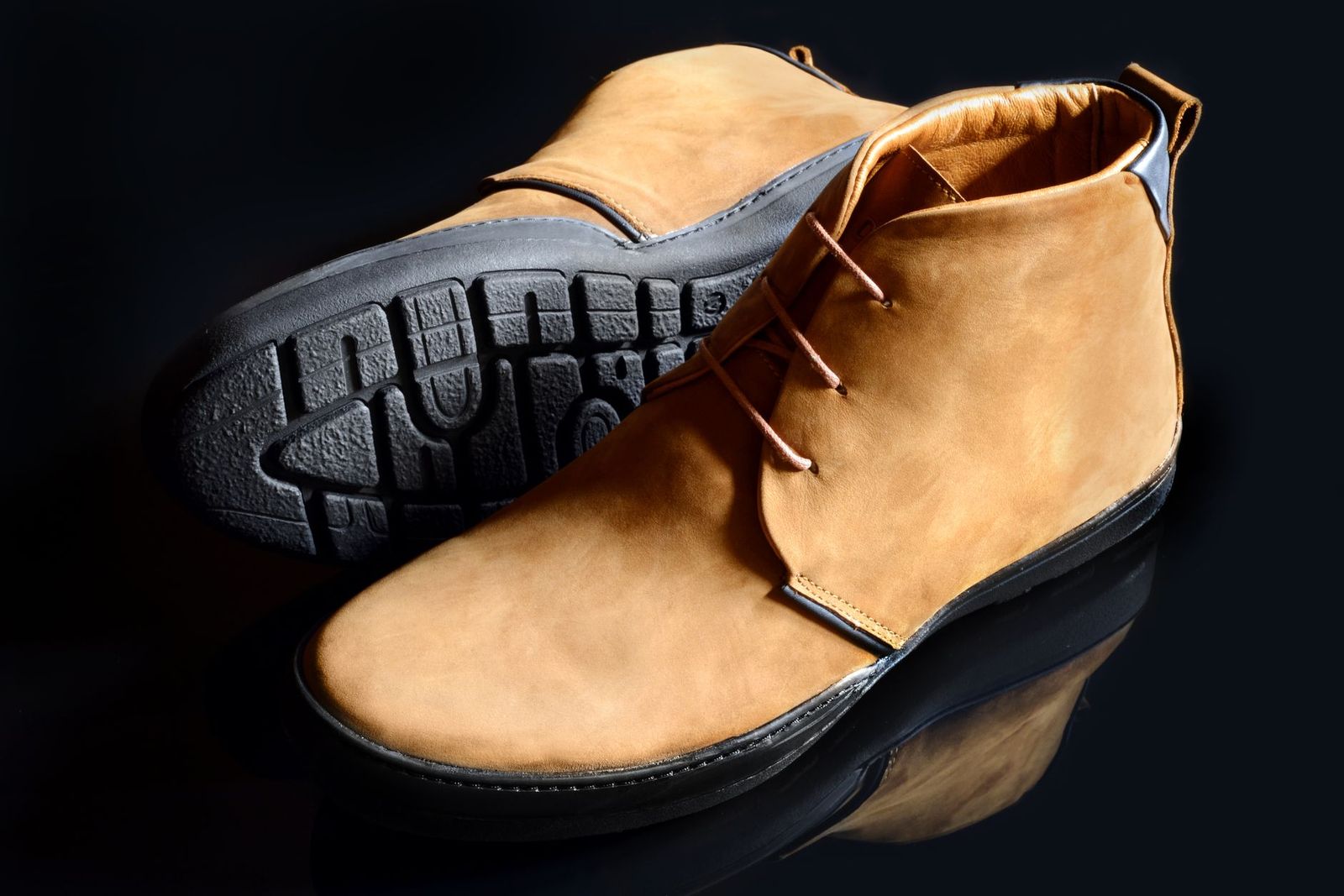
Best Chelsea Work Boots for Men for 2026: A Budget to Premium Guide
Disclosure: We may earn a commission when you buy through links on this page, at no extra cost to you. As an Amazon Associate I earn from qualifying purchases. Learn more

Shopping for chelsea work boots for men? Compare fit, traction, waterproofing and price tiers, and find a pull on work boot that suits your job and your feet.
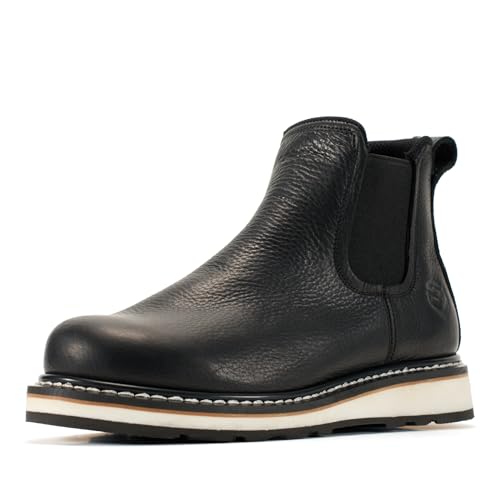
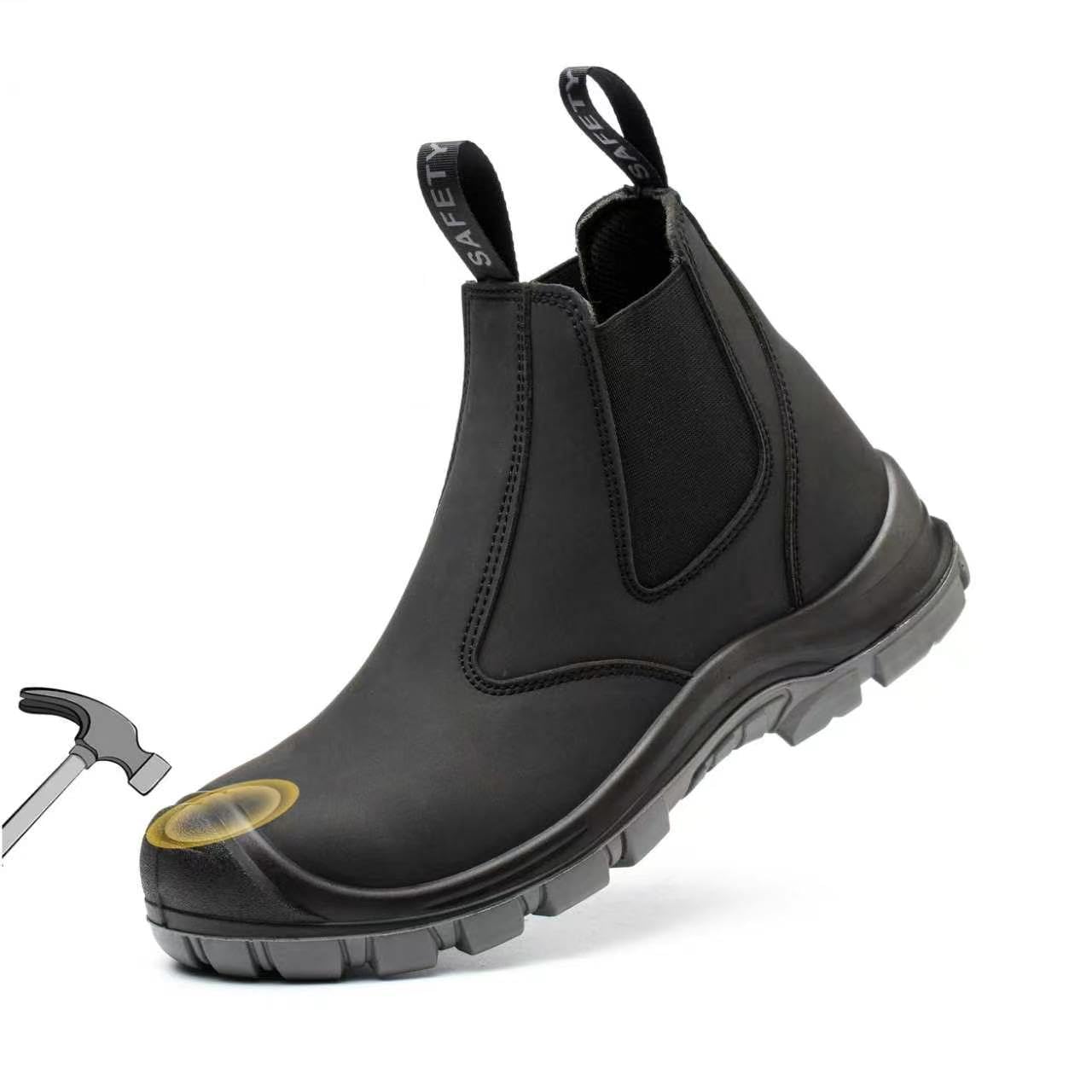
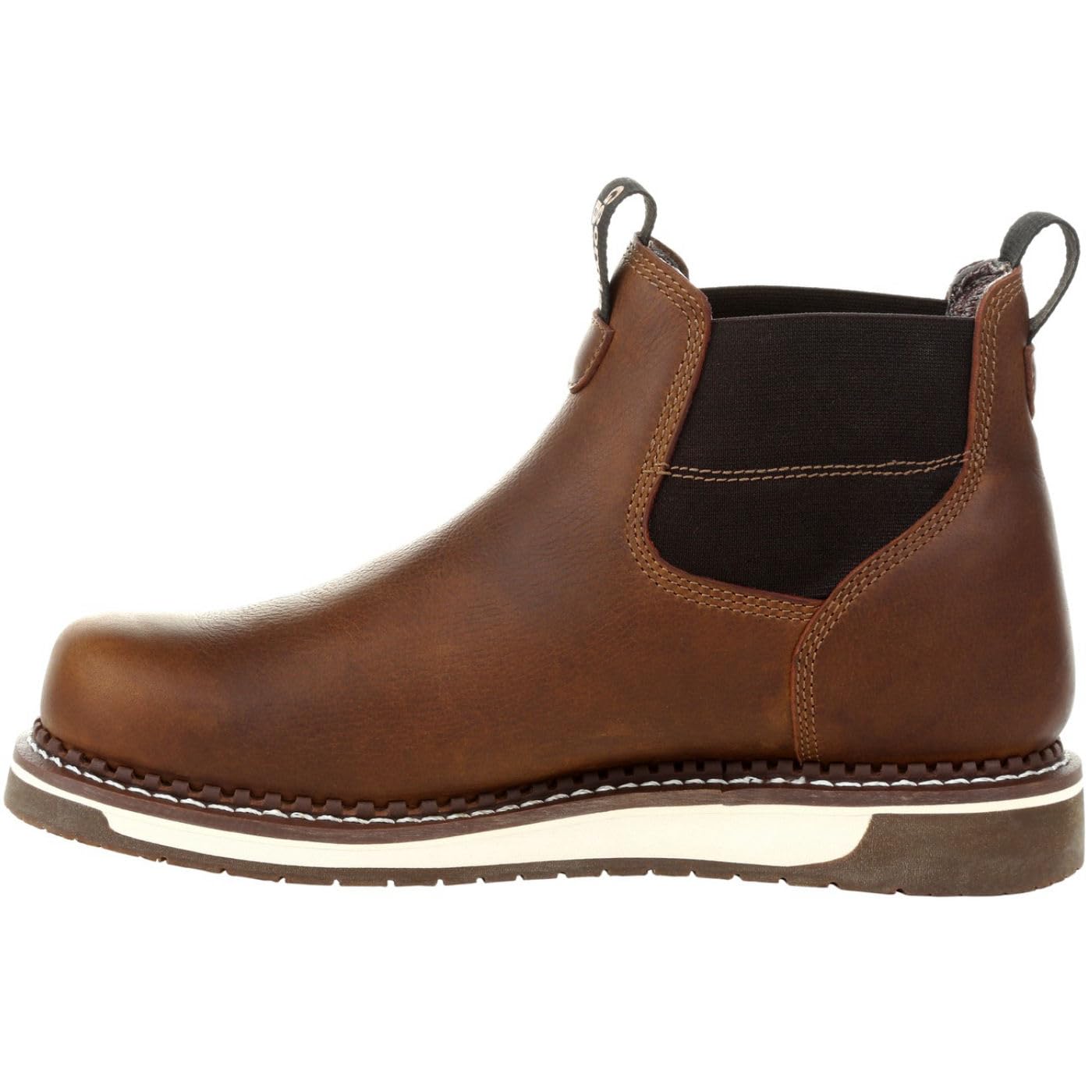
Work boot prices vary widely, and the most expensive pair is not always the right pair for your job. The best chelsea work boots for men balance easy pull on wear with the support, traction, and protection your workday demands. This guide explains what each price tier delivers in the comparison table below, so you can spend where it counts and skip what you do not need.
Chelsea boots suit workers who want to slip boots on and off quickly without laces, yet still need a firm fit around the ankle and a sole that grips the surfaces they walk on. Fit matters more than any single feature, since a loose heel or a cramped toe box will cause trouble long before the sole wears out. Use the comparison table below to weigh fit, materials, and price together.

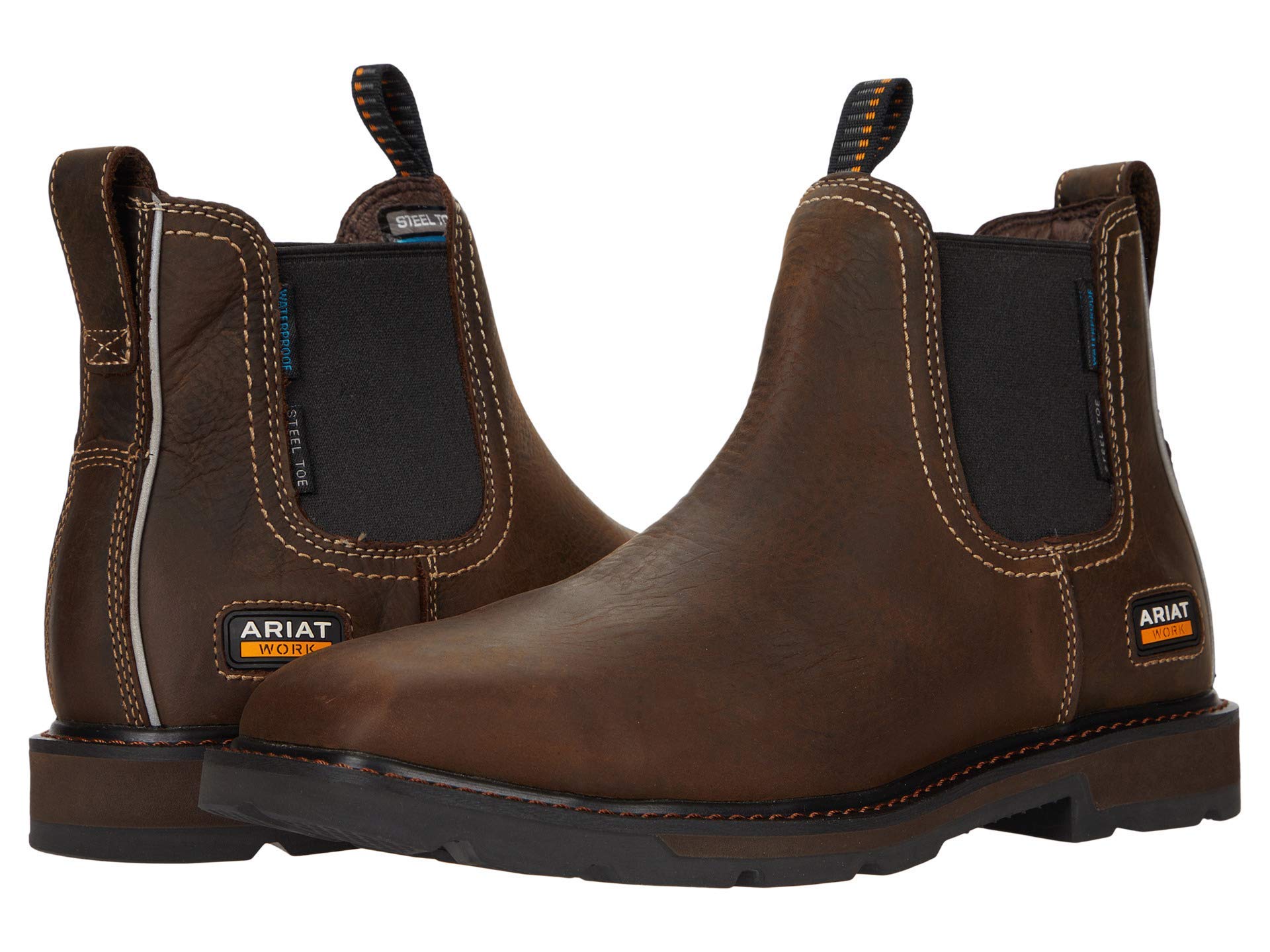
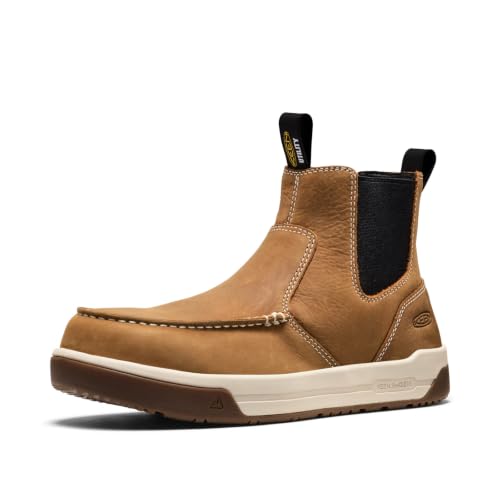
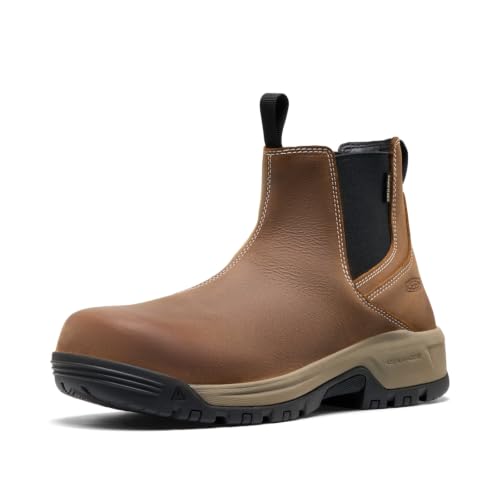




What Your Money Gets You at Each Price Tier
Price tiers differ in materials, construction, and comfort systems, and those differences show up over weeks of wear rather than on the first day. Compare tiers by how long you stand, what surfaces you cross, and how wet your work gets.
Budget Tier: What You Can Expect
At around $80 to $120, expect straightforward construction, modest cushioning, and a sole that grips dry floors well. These boots work best for shorter shifts and lighter duties, and they may need an insole upgrade for all day comfort. Watch for thin elastic that stretches out early, since loose elastic lets the ankle slide and causes blisters. Budget boots can be a smart choice if your job is light and you replace footwear often.
Midrange Tier: Where Most Buyers Land
At about $120 to $200, you usually get thicker leather, better footbeds, and soles with deeper lugs for mixed terrain. Waterproof membranes appear more often here, along with sturdier heel counters and toe protection. These boots suit full time workers who need comfort across a whole shift without paying premium prices. If you stand on concrete all day, the improved cushioning at this level is often the upgrade you feel most.
Premium Tier: When Extra Spending Makes Sense
At about $200 to $300 or more, premium boots offer top grade leather, advanced cushioning systems, and soles built for rough ground and long wear. They make sense for workers who log long hours outdoors, carry heavy loads, or need reliable grip in mud and rain. The higher price also tends to bring better stitching and materials that can be resoled or repaired. Choose premium when durability and all day comfort directly affect your safety and stamina at work.
Features Worth Paying For (and Ones to Skip)
Not every feature deserves your money. The points below show which upgrades pay off for work use and which you can skip.
Fit, Sizing, and Toe Box
Measure your feet in the afternoon, when feet are slightly larger, and try boots with the socks you wear at work. A roomy toe box lets toes spread naturally, while a snug heel keeps your foot from sliding with each step. Chelsea boots have no laces to adjust, so elastic tension and ankle shape matter even more than in lace up boots. If you sit between sizes, check the maker sizing guidance and return policy before you commit, since fit varies by last and leather thickness.
Outsole Traction and Terrain
Lug depth and rubber compound decide grip on concrete, gravel, mud, and wet floors. Deep, widely spaced lugs shed mud well, while shallower, denser patterns grip smooth indoor floors better. Match the outsole to your main surface rather than buying the most aggressive tread available, since very deep lugs can feel clumsy on flat floors.
For a wider look at work boot options, see our guide to the best boots for men work and compare outsoles across styles. Replace boots when lugs wear smooth, since worn tread loses grip fast.
Upper Materials and Breathability
Full grain leather resists scuffs and weather well but needs break in time, while lighter synthetic uppers breathe better and feel soft from day one. Knit style uppers suit light indoor work but offer less protection against abrasion and spills. Breathability matters on long shifts, since hot, damp feet blister more easily and tire faster. For a comparison of classic chelsea styles, see our guide to the best chelsea boots for men and note how upper choices change weight and break in time.
Waterproofing and Membranes
A waterproof membrane keeps feet dry in rain and puddles, but it also traps some heat, so it suits wet outdoor work more than hot indoor shifts. Seam sealed construction matters as much as the membrane itself, since water enters through poorly sealed seams even in a good boot. If your work stays mostly dry, a water resistant leather with regular conditioning may serve you better and breathe more freely. Dry boots fully between shifts, and never use direct high heat to speed drying, since heat can damage leather and adhesives.
What Men Should Look For
Men buying chelsea work boots should check size range, width options, weight, and ankle support together, since a heavy boot tires legs faster over a long shift. Wider feet need a last with a roomy forefoot rather than simply a larger length, and taller workers may prefer a slightly higher ankle for stability on uneven ground. Weight matters most on jobs with lots of walking or climbing, so compare pairs by feel rather than by looks alone. For lighter duty options, see our guide to the best lightweight work boots for men and weigh comfort against protection for your job.
Long Term Costs to Factor In
Budget beyond the purchase price by counting insoles, leather conditioner, waterproofing treatments, and eventual resoling or replacement. Quality boots that can be resoled often cost less per year than cheap pairs replaced twice as often. Also check the warranty on soles and stitching, and keep receipts for claims. A comfortable pair you can wear all day is also worth more than a cheaper pair that leaves you sore, since fatigue affects both safety and productivity.
Chelsea Work Boots: Your Questions Answered
What makes chelsea work boots for men different?
Chelsea work boots for men differ from fashion chelsea boots in their protective soles, sturdier leather, and supportive footbeds built for long workdays. Work versions use thicker outsoles with deeper traction, reinforced toe areas, and elastic that holds its shape through repeated pull on wear. Fashion versions prioritize slim looks over grip and support, so they wear out quickly on job sites. Always check the safety features your employer requires, since style alone never guarantees workplace protection.
How long is the break in period?
The break in period for leather chelsea work boots usually runs about one to two weeks of regular wear, while softer synthetic pairs often feel comfortable within a few days. Start with shorter shifts and thick work socks, and stop if you feel sharp pain, numbness, or persistent rubbing, since those signs mean a fit problem rather than normal break in. Leather softens gradually with wear and conditioning, but it will not fix a boot that is truly too narrow or too short. Give new boots a fair trial, yet return them if hot spots do not fade.
How often should I replace my chelsea work boots?
Most daily worn work boots need replacing every 9 to 18 months, depending on hours, surfaces, and care. Replace them sooner if the sole tread wears smooth, the elastic loses tension, the heel counter collapses, or the upper cracks at flex points. Rotating two pairs extends the life of both, since leather and footbeds recover better with a day of rest between wears. Inspect your boots monthly, and do not wait for a sole to split before replacing a pair you rely on.
How should chelsea work boots fit?
Chelsea work boots should fit snugly around the ankle without pinching, with enough toe room to wiggle your toes freely. Your heel should stay seated when you walk, and the elastic should stretch to let your foot in yet spring back to hold the ankle firmly. Try both boots and walk on a hard floor, since carpet hides heel slip and toe pressure. If your heel lifts with every step or your toes press the front, try a different size or width before settling.
Can I wear chelsea work boots all day?
You can wear chelsea work boots all day if the fit is right, the footbed supports your arch, and the sole matches your surfaces. Workers who stand on concrete benefit from cushioned insoles and a midsole that absorbs impact, while outdoor workers need grip and weather protection more. Take boots off during breaks when possible, and change socks if they get damp, since dry feet stay comfortable longer. If pain persists or worsens, see a clinician and check whether a different fit or insole would help.
Do I need waterproof work boots?
You need waterproof work boots if your job regularly involves rain, mud, puddles, or wet floors, since wet feet chill quickly and blister more easily. Workers in mostly dry indoor settings can often choose breathable water resistant leather instead and stay more comfortable. Remember that waterproofing adds warmth, so weigh weather protection against ventilation for your climate and shift length. For general comfort comparisons, see our guide to the best comfortable work boots for men and note how waterproofing changes weight and warmth.
Wrapping Up
Fit, traction, and weather protection matter more than any single brand name or extra feature. Choose the price tier that matches your hours, surfaces, and climate, and use the product table above to compare the options side by side. Always check your employer and local rules for required safety features, since no boot guarantees protection on its own. When you find a pair that fits well and suits your job, the best chelsea work boots for men will feel like a tool you rely on, not a chore you endure.