Best Men's Snow Boots: What to Know Before You Buy
Disclosure: We may earn a commission when you buy through links on this page, at no extra cost to you. As an Amazon Associate I earn from qualifying purchases. Learn more
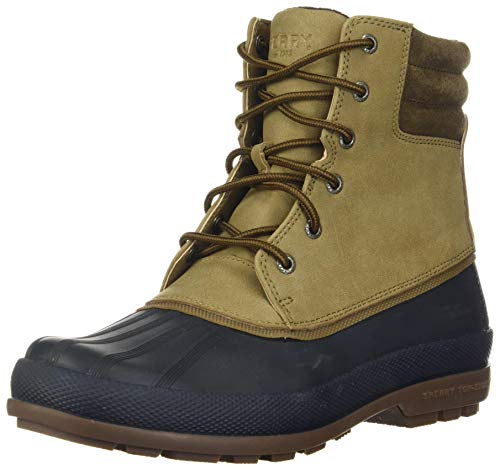
Your first walk through fresh snow can end with cold, soaked socks in under ten minutes if your boots aren't built for it. That's the real gap between a boot labeled "winter" and one that's actually made to handle deep snow, slush, and ice all season long. Finding the best mens snow boots means looking past the label and checking the specs that actually matter: how the boot seals out moisture, how it's insulated, how the outsole grips ice, and how high the shaft sits on your leg. This guide walks through each of those factors, plus how to match a pair to the way you'll actually wear them this winter.


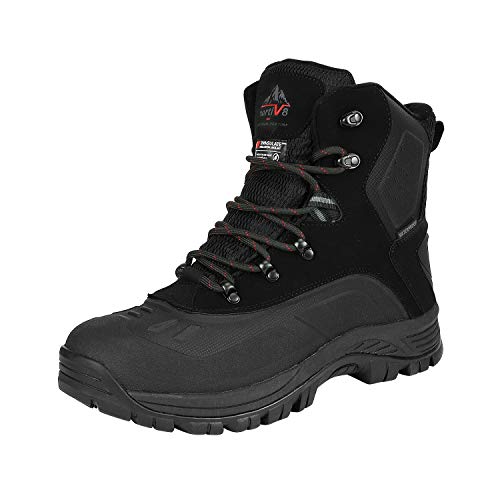
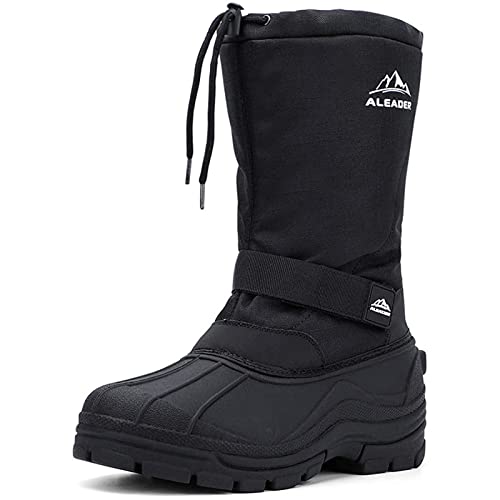
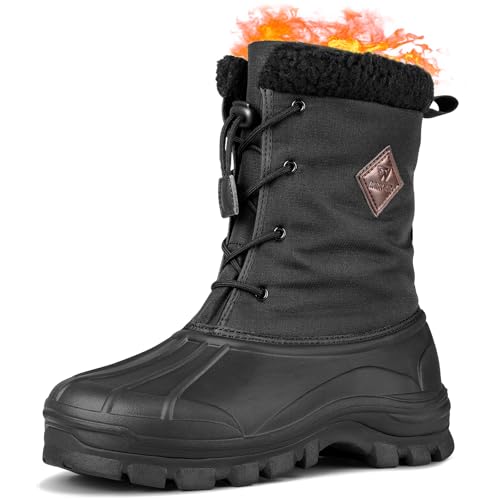

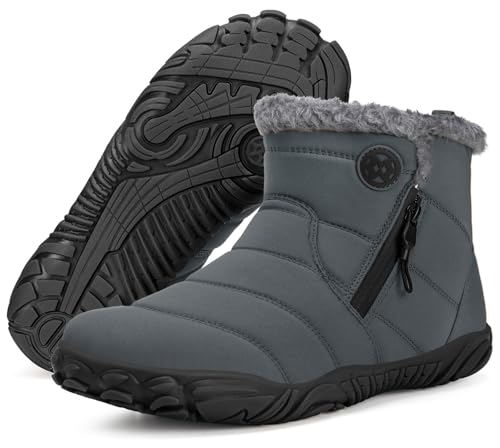
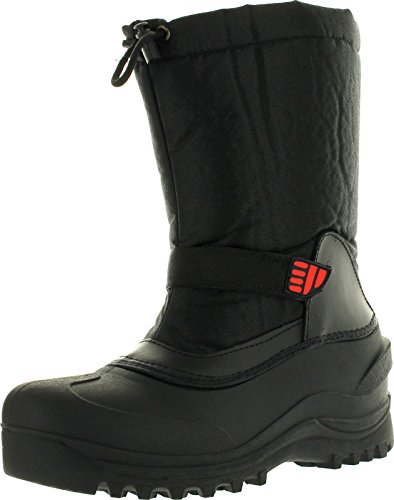
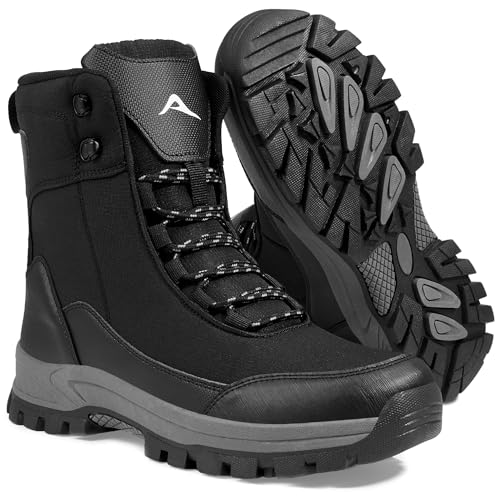
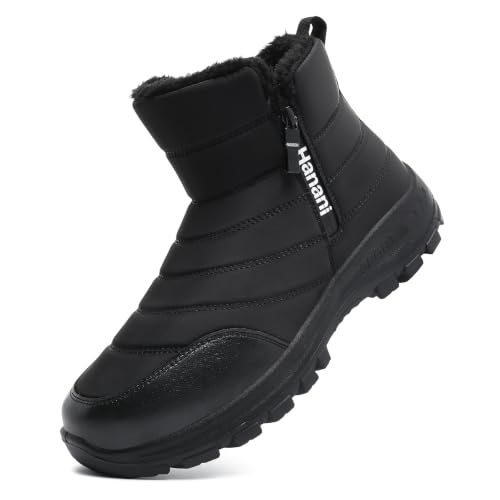
What Actually Matters When Buying Snow Boots
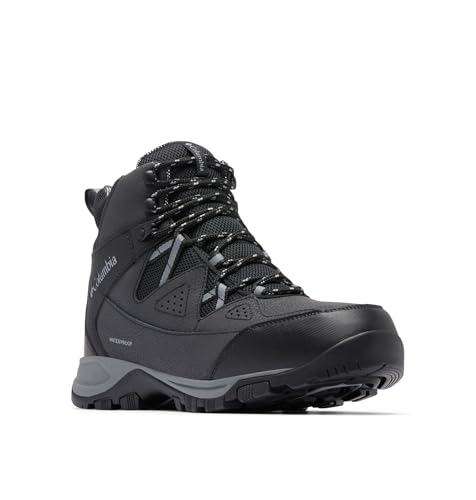
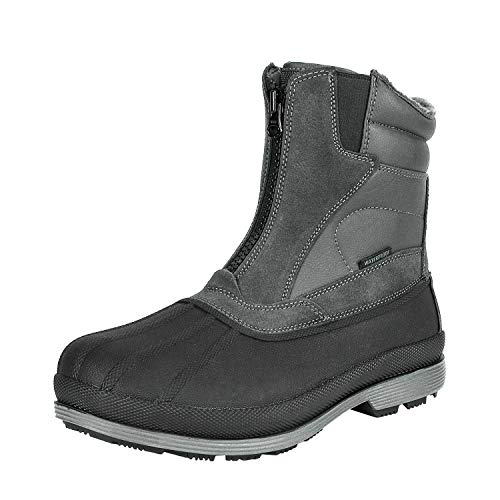
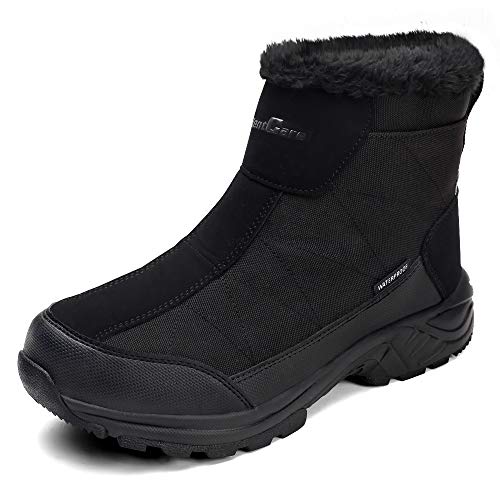
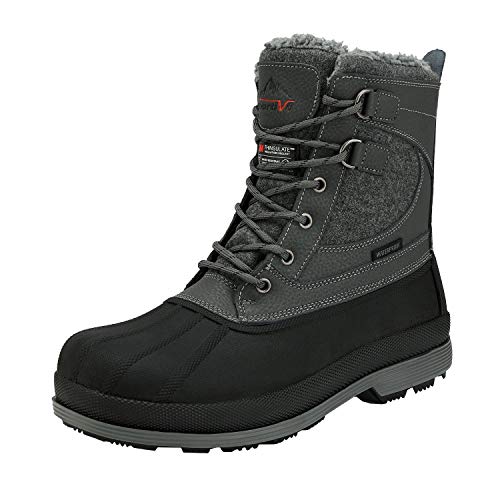
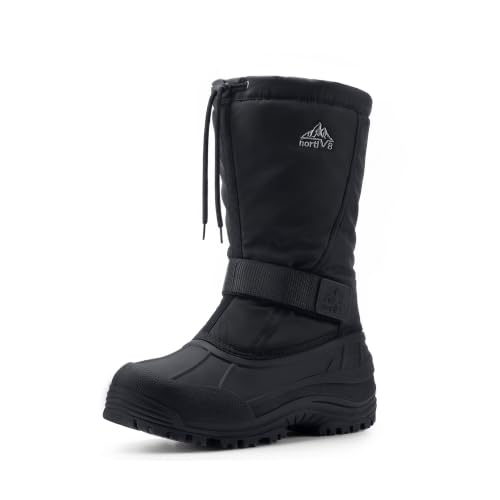
Snow boots live or die on four things: how well they keep water out, how warm they keep your feet, how well they grip slick ground, and how much coverage the shaft gives you. A boot can nail one of these and still leave you cold and wet if it skips the others, so it's worth understanding what each spec actually means before you shop.
Waterproofing That Holds Up in Deep Snow and Slush
A boot marketed as "water-resistant" and one marketed as "waterproof" are not the same product. Water-resistant materials shed light moisture for a while, but they'll eventually soak through if you're standing in slush or plowing through a snowbank. True waterproof snow boots for men use a sealed membrane or a rubber lower shell that runs from the toe up past the ankle, with taped or bonded seams so water can't creep in through the stitching. Look for a gusseted tongue too, since a loose tongue is one of the easiest ways for melted snow to sneak inside even on an otherwise waterproof boot. If you mainly deal with wet pavement rather than snow underfoot, a pair of rain boots built for standing water might actually serve you better than an insulated snow boot.
Insulation and Temperature Ratings, Explained
Insulation is usually measured in grams, and more grams generally means warmer, bulkier boots. Around 200 grams works for short errands in mild cold, 400 grams suits regular winter wear down toward the single digits, and 600 grams or more is built for standing still in extreme cold, like shoveling or watching a game outdoors. Manufacturers often pair a synthetic fill like Thinsulate or PrimaLoft with a printed temperature rating, but treat that number as a "won't get frostbite" limit rather than a "will feel warm" promise. Your actual comfort depends on activity level, sock thickness, and how long you're standing still versus moving.
Traction That Actually Grips Ice and Packed Snow
Plenty of boots look rugged but turn slick the moment the ground ices over. Rubber that's designed for cold weather stays soft and pliable at low temperatures, which lets the tread flex and grip instead of going stiff and skating across ice. Deep, widely spaced lugs, sometimes shaped like a snow tire's tread, bite into packed snow better than the shallow pattern found on most casual boots. If ice on steps and sidewalks is a regular problem where you live, prioritize outsole design as much as, or more than, warmth.
Shaft Height: How Much Coverage You Really Need
Shaft height determines how much snow you can walk through before it spills over the top and lands directly on your sock. Ankle-height boots are fine for shoveled sidewalks and short trips between the car and the door. Mid-calf styles handle unshoveled yards and moderate drifts without much trouble. Anything approaching knee height is meant for genuinely deep snow, where a shorter boot would let powder pour in with every step. Match the height to the depth of snow you'll actually be walking through, not just the coldest temperature on the forecast.
Where You'll Actually Wear Them
The right pair of men's snow boots depends heavily on what your winter actually looks like, not just how cold it gets.
Shoveling, Commuting, and Everyday Winter Errands
If most of your winter is spent on cleared driveways, sidewalks, and parking lots, you don't need the heaviest boot on the shelf. A mid-weight, ankle-to-mid-calf boot with solid traction covers grocery runs, the walk to the car, and short stints outside. It's also worth thinking about the tools that go along with that routine. If you're the one clearing the driveway every morning, a lightweight cordless snow shovel pairs naturally with a boot that has good ankle support and a grippy sole for standing on packed snow.
For heavier accumulation, a lot of guys end up relying on mechanical help instead of a shovel alone. Whatever you use to clear the driveway, from a walk-behind machine to a full-size gas powered snow blower, you'll be standing in loose, thrown snow for a while, so insulation and a taller shaft matter more here than they would for a quick trip to the mailbox.
Deep Snow, Trails, and Extended Time Outdoors
If your winter involves hiking, hunting, working outside for hours, or living somewhere that gets genuine snowfall rather than a light dusting, treat this as a different buying decision entirely. You want higher insulation, a taller shaft, and an aggressive outsole, even if that means a heavier, bulkier boot than you'd choose for city sidewalks. Comfort standing still for long stretches matters more than how the boot feels on a five-minute walk in the store. If you're shopping for the household rather than just yourself, it's worth noting the same core criteria, waterproofing, insulation, traction, and shaft height, apply when picking out the best winter boots for women too, even though fit and styling differ.
Mistakes That Leave Men's Feet Cold and Wet
The most common mistake is assuming any boot labeled "winter" is automatically snow-ready. Plenty of winter boots are built for cold, dry pavement and aren't sealed or insulated enough for actual snow and slush. Read the specs, not just the season on the box.
Sizing is another frequent slip-up. Snow boots are usually worn with thick wool or insulated socks, and a boot that fits perfectly with thin cotton socks can feel painfully tight once you add real winter socks, which also cuts off circulation and makes your feet colder, not warmer. Try boots on with the socks you actually plan to wear.
Finally, buyers often pick shaft height based on looks rather than the snow they'll actually walk through. A sleek ankle boot might be the most comfortable option in the store, but if you regularly deal with unshoveled snow past your ankle, that same boot will let moisture in with every step, no matter how waterproof the lower half is.
Frequently Asked Questions
What temperature rating do snow boots need to be for men?
It depends on how long you're outside and how active you are. A boot rated to around 0 degrees Fahrenheit covers most regular winter activity, while anyone standing still in extreme cold for extended periods should look for boots rated well below zero.
How many grams of insulation is warm enough for snow boots?
For everyday winter wear, 200 to 400 grams is typically enough. If you're going to be standing still outside in serious cold, such as shoveling or watching an outdoor event, 600 grams or more gives you a bigger margin.
Are snow boots and winter boots the same thing?
Not always. "Winter boot" is often used loosely to describe anything insulated for cold weather, while a true snow boot is specifically built with sealed waterproofing and an outsole designed to grip ice and packed snow.
What makes a boot sole good for walking on ice?
A sole that stays flexible in cold temperatures, rather than stiffening up, combined with deep, widely spaced lugs designed to bite into packed snow and ice rather than a smooth or shallow tread pattern.
How tall should men's snow boots be for deep snow?
For unshoveled yards or moderate drifts, mid-calf height usually works well. If you regularly deal with deep snow, a taller shaft closer to knee height keeps snow from spilling in over the top.
Can insulated snow boots make your feet too hot indoors?
Yes, especially boots rated for extreme cold. Heavy insulation is built for standing outside in freezing temperatures, and it can feel uncomfortably warm if you're wearing the same boots indoors or moving around a lot.
Do men's snow boots run true to size with thick socks?
Not always, since sizing varies by brand and last. It's best to try boots on with the actual winter socks you plan to wear, since a snug fit with thin socks can turn painfully tight once thicker socks are added.
Making the Right Call for Your Winter
There's no single "best" boot for every guy, only the right combination of waterproofing, insulation, traction, and shaft height for the winters you actually deal with. Start with how deep your snow typically gets and how long you're outside at a stretch, then use those two answers to narrow down insulation level and shaft height before you worry about anything else. Get those fundamentals right, and everything else about the boot becomes a matter of comfort and preference.