Best Mattress Under $500: A Complete Buying Guide
Disclosure: We may earn a commission when you buy through links on this page, at no extra cost to you. As an Amazon Associate I earn from qualifying purchases. Learn more
Scroll through any mattress retailer's site and the numbers start to blend together fast: coil counts, foam densities, cooling gel layers, trial nights. It's easy to assume a firm budget means you're stuck with a thin slab that sags within a year. Finding the best mattress under 500 dollars actually comes down to knowing which features are standard at this price, which ones you'll be missing out on, and which extras only show up once you spend more. This guide breaks down exactly what that $500 ceiling buys you in a queen mattress, so you can compare listings with realistic expectations instead of guessing from marketing copy.



What "Under $500" Actually Buys You in a Mattress
The $500 mark is where mattresses tend to move past bare-minimum construction and start offering the kind of support and comfort most sleepers actually need. Shoppers hunting for the best mattress under $500 won't get every premium extra, but they also won't be stuck with the thin, unsupportive builds common at the lowest price tiers.
Foam Density and Comfort Layers
At this price range, expect a comfort layer built from memory foam or a foam blend in the 3 to 4 pound per cubic foot density range, sitting on a firmer high-density base foam that provides structural support. That combination is enough to contour to your body without collapsing flat within the first year. Some models in this bracket also work in a thin layer of gel-infused or copper-infused foam near the top for a bit of added responsiveness.
Mattress Height and Profile
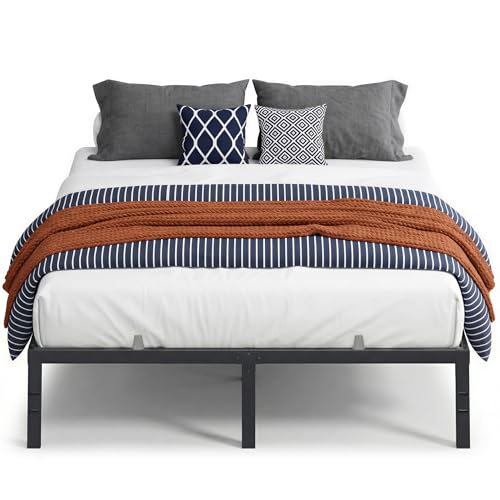
Most mattresses in this range run 10 to 12 inches thick, built from two or three distinct foam layers. That's enough height to feel substantial on a bed frame and to accommodate most fitted sheets without the "pulled too tight" look that thinner budget models often have.
Cooling Features You Can Expect
Basic temperature management is common at this level, usually in the form of an open-cell foam structure or a moisture-wicking cover fabric. It won't match the phase-change cooling covers found on pricier beds, but it's enough to prevent the overheating that plagues cheaper, denser foam.
Certifications Worth Checking
Look for CertiPUR-US certified foam, which confirms the foam was made without harmful flame retardants or heavy metals and meets low-emissions standards. Most mattresses at this price point that come from established online brands carry this certification, and it's a reasonable baseline to insist on regardless of budget.
What You'll Give Up Below This Price Range
Drop below this price range and the compromises start showing up quickly. Cheaper models often use lower-density foam that loses its shape within a year or two, thinner profiles around 6 to 8 inches, and little to no cooling technology, so heat retention becomes a real complaint. Edge support also tends to weaken further, making it harder to sit on the side of the bed without feeling like you'll roll off. In practice, the best mattress under 500 dollars tends to avoid exactly these pain points without requiring you to stretch into premium territory.
What Stays Out of Reach Above This Price Range
Push past $500 and manufacturers start adding features that change how the mattress performs over time rather than just adding marketing appeal. Individually wrapped pocket coils in a hybrid construction, zoned support that reinforces the lumbar area, multiple comfort layers with distinct firmness transitions, and extended trial periods of a year or more all tend to concentrate in the pricier tier. Reinforced edge support and dual-sided flippable designs also become more common as you move up, which is worth considering if the best mattress under $500 covers most of what you need but you're weighing whether a small budget stretch makes sense.
Choosing the Right Firmness and Type for Your Budget
With a fixed budget, matching firmness and construction type to how you actually sleep matters more than chasing extra features you may not use.
Matching Firmness to Sleep Position
Side sleepers generally do best on a medium to medium-soft feel, since it cushions the shoulders and hips where pressure concentrates most. Back and stomach sleepers usually need something closer to medium-firm to keep the spine aligned and avoid sinking too deep at the hips. Most mattresses in this price range are built around a medium-firm feel because it works reasonably well across sleep positions, which is exactly why it's the most common option at this budget.
All-Foam vs Budget Hybrid
All-foam mattresses dominate this price bracket because foam layers are cheaper to manufacture than a coil system. They also isolate motion well, which matters if you share a bed. Budget hybrids do exist at this level, usually pairing a basic coil unit with a foam comfort layer, and they tend to sleep cooler and feel slightly more responsive, though the coil gauge is often thinner than what you'd find in a pricier hybrid.
How to Prioritize Features When $500 Is Your Ceiling
You can't have every feature at once, so deciding upfront which two or three things matter most keeps you from overspending on extras you won't use.
Rank Your Non-Negotiables First
If you run warm at night, cooling technology probably outranks a slightly thicker profile. If you have chronic back pain, firmness and support layers matter more than a marginally longer trial period. Write down your top priorities before comparing listings so marketing language doesn't pull your attention toward features that don't actually affect your sleep.
Trial Period and Warranty Matter More Than You Think
A mattress needs several weeks for your body to adjust, so look for a trial period of at least 100 nights rather than assuming a shorter window is enough. Pair that with a warranty of at least 10 years, and check whether it's prorated, since a non-prorated warranty holds more value over time even if the coverage length looks similar on paper.
Common Mistakes to Avoid at This Price Range
- Judging firmness from a five-minute showroom test, which rarely reflects how a mattress feels after a full night's sleep.
- Assuming every model near $500 includes cooling features, when some brands reserve that upgrade for pricier lineups.
- Overlooking weight capacity, since heavier sleepers may compress budget foam faster than the listed lifespan suggests.
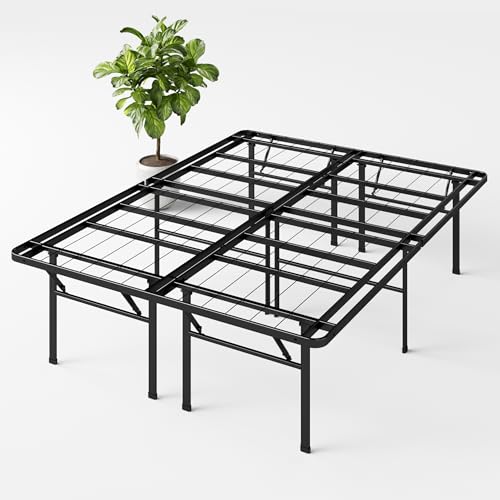
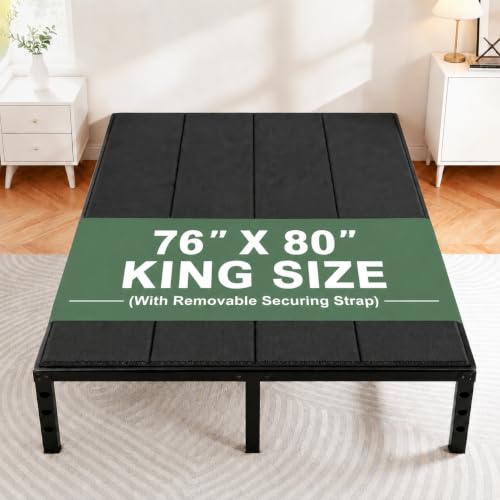
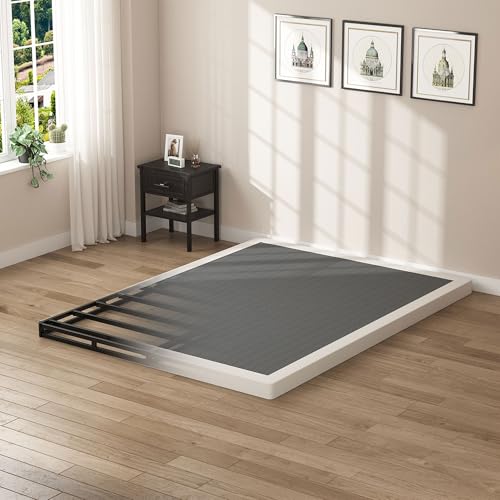
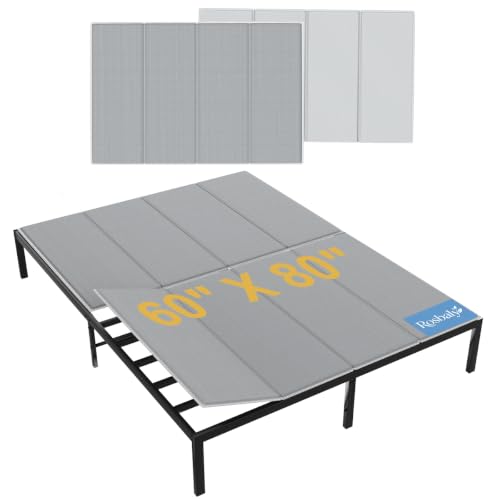
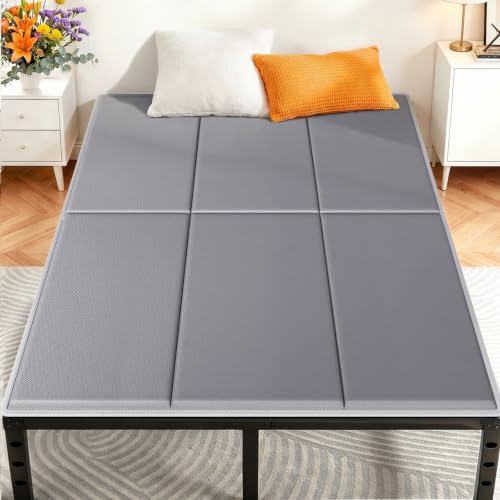
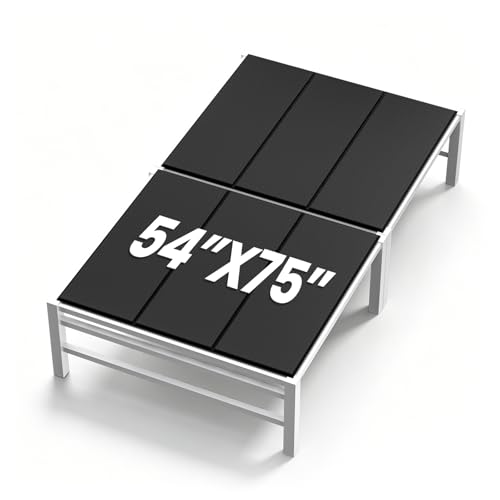
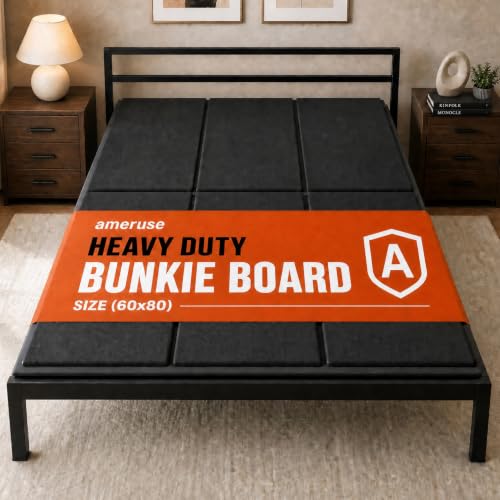
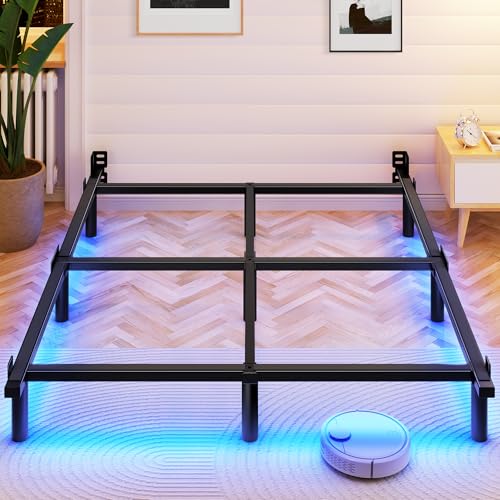
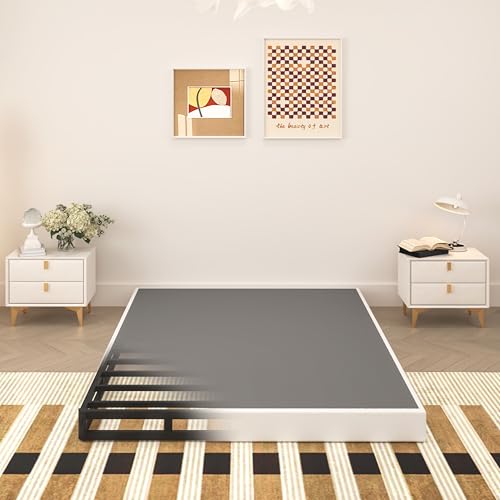
- Skipping the foundation or bed base entirely. Pairing a new mattress with an unsupportive or mismatched base, such as one with widely spaced slats, can void the warranty and shorten the mattress's lifespan, so it's worth reviewing a mattress foundation guide before you finalize your setup.
- Ignoring return shipping logistics, since some trial periods require you to cover pickup costs if the mattress doesn't work out.
Frequently Asked Questions
Can you get a good mattress for under $500?
Yes, for most sleepers. At this price you can typically get a supportive foam or basic hybrid build, CertiPUR-US certified materials, and a reasonable trial period. You'll just be giving up a few premium extras like zoned support or extended one-year trials.
What type of mattress is best under $500?
All-foam mattresses are the most common and generally offer the best value at this price, since foam construction costs less to manufacture than a full coil system. A budget hybrid is worth considering if you specifically want a cooler feel or slightly more bounce.
How thick should a mattress be for under $500?
Most mattresses in this range run 10 to 12 inches, which is thick enough to feel substantial and work with standard fitted sheets. Anything much thinner usually signals lower-density foam and less durable support.
Is memory foam or hybrid better under $500?
It depends on your priorities. Memory foam tends to isolate motion better and costs less at this budget, while a budget hybrid usually sleeps cooler and feels more responsive, though with a thinner coil gauge than pricier hybrids.
How long do budget mattresses last?
A well-built mattress in this price range typically lasts 6 to 8 years with proper care and a supportive foundation. Lifespan drops noticeably if it's paired with an incompatible base or used well beyond its recommended weight capacity.
What size mattress can I get for $500?
Queen is usually the largest size where this budget stretches comfortably while still including decent foam density and certifications. King and California king sizes often push past $500 even at the budget tier, since more material is required.
Final Thoughts
A tight budget doesn't mean settling for a mattress that won't hold up. At this price point, you can reasonably expect supportive foam layers, a comfortable 10 to 12 inch profile, and low-emissions certification, even if a few premium extras stay out of reach. Focus on the firmness and features that match how you actually sleep, and the best mattress under $500 for your bedroom becomes a much easier choice to make.