Best Manual Carton Closing Stapler: Complete Buying Guide
Disclosure: We may earn a commission when you buy through links on this page, at no extra cost to you. As an Amazon Associate I earn from qualifying purchases. Learn more

You've got a stack of shipping boxes to close, packing tape that keeps lifting at the corners in humid weather, and no interest in running an air compressor for a job you only do a few hours a day. That's the exact gap the best manual carton closing stapler fills. Unlike a general-purpose staple gun built for upholstery and crafts, this is a dedicated hand tool designed around wide, flat staples sized specifically for corrugated cardboard flaps. In this guide, you'll learn how staple size and gauge actually work, how to match depth settings to your box thickness, and when a manual model stops making sense compared to a pneumatic one.


Where a Manual Carton Closing Stapler Actually Belongs
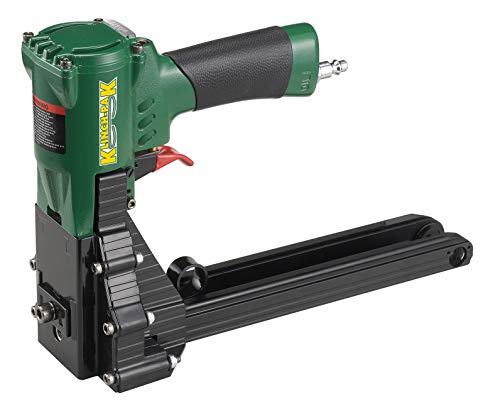
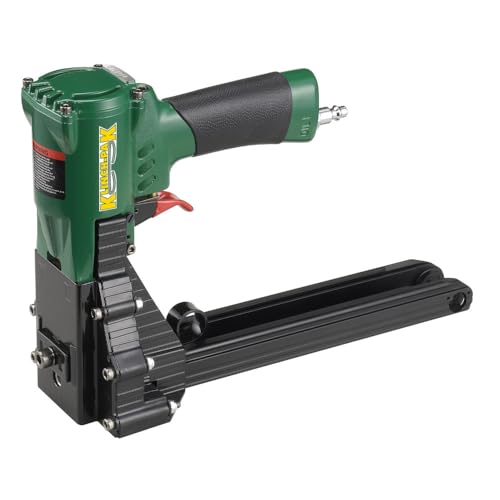
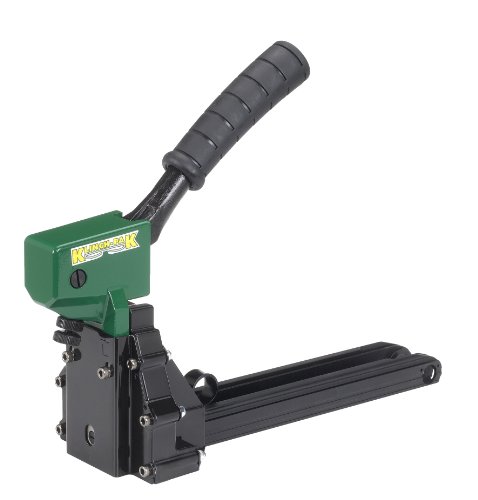
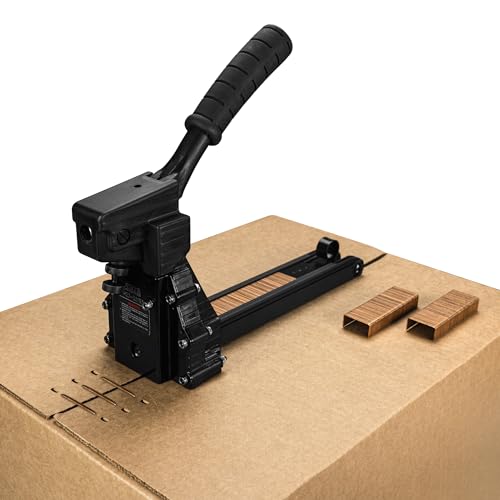
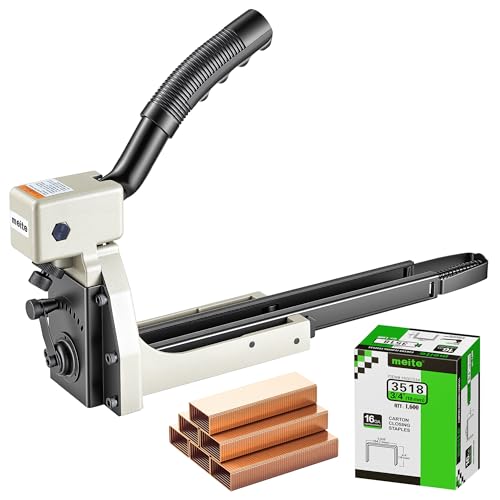
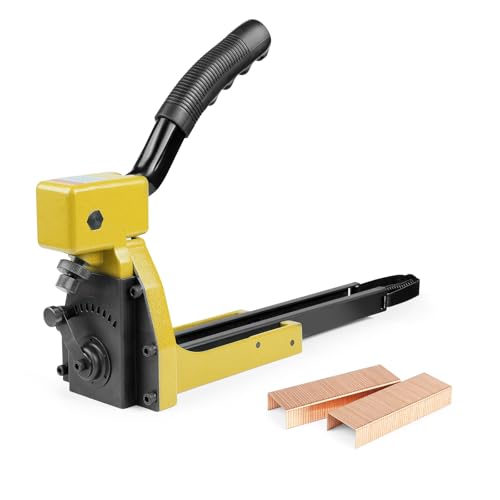
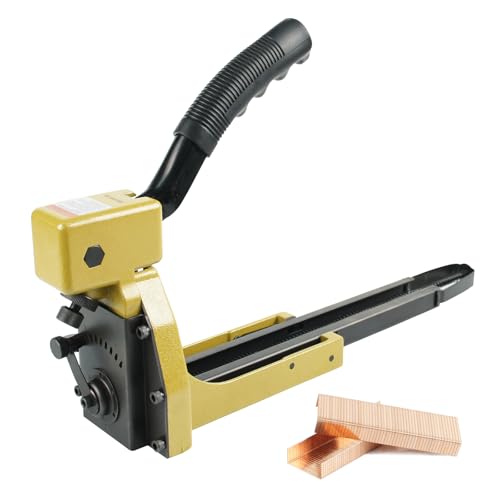
A manual carton closing stapler exists for one job: sealing the top flaps of corrugated boxes fast and securely, without tape and without an air line. It's a different animal from the staple gun sitting in most home workshops. A regular staple gun drives narrow, deep-legged staples meant for fabric, wire, or wood, and it isn't built to hold cardboard flaps flat under tension the way a dedicated carton stapler is. If you need a general-purpose staple gun instead, for upholstery, insulation, or light household repairs, see our guide to that tool instead.
Where this tool earns its keep is small warehouses, fulfillment corners of a retail store, home-based e-commerce shipping stations, and anywhere boxes get sealed by hand in batches of a few dozen to a few hundred per day. Below that volume, tape is usually simpler. Well above it, most operations move to a pneumatic or battery-powered version of the same basic tool.
Staple Size, Gauge, and Crown Width: Getting the Match Right
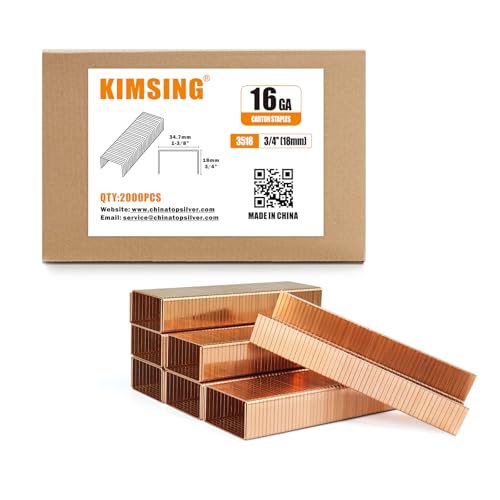
Carton staplers don't use the same staples as an office stapler or even a standard staple gun. They use wide crown staples, and getting that spec right is the single biggest factor in whether a stapler actually holds a box shut.
Why Wide Crown Beats Narrow Crown for Boxes
A wide crown staple typically spans somewhere around an inch to just under an inch and a half across the top. That wider bridge spreads clamping pressure over more surface area, which means it grips corrugated fiber without tearing through it the way a narrow crown staple can. If you've ever had a staple rip clean out of a flap under light pressure, the crown was almost certainly too narrow for the material.
Reading Gauge Numbers Without Getting Confused
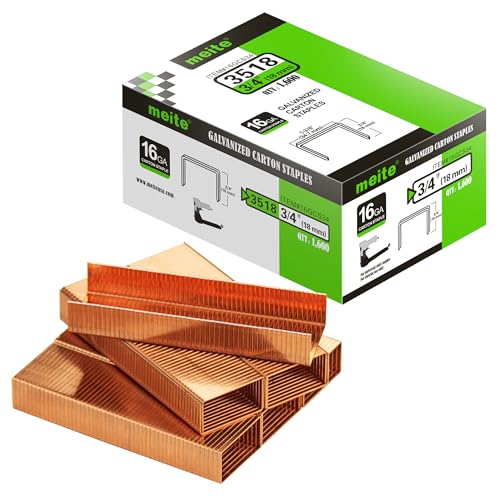
Gauge describes wire thickness, and it runs backward from what you'd expect: a lower gauge number means thicker, stronger wire. Sixteen gauge is the standard for carton closing work because it strikes a workable balance between holding strength and how much hand force it takes to drive the staple. Anything noticeably thinner tends to bend or under-penetrate on double-wall board.
Matching Depth Adjustment to Your Box Thickness
Getting the staple length and depth setting wrong causes two very different problems, and both show up constantly in buyer questions and forum threads about box stapling. Staples that are too long can poke all the way through a single-wall carton and scrape or puncture whatever is packed inside. Staples that are too short won't fully clinch through double-wall or triple-wall board, leaving flaps that pop open in transit.
Single Wall vs. Double Wall Leg Length
As a general guideline, shorter leg lengths, often in the five-eighths-inch range, suit single-wall corrugated boxes, while double-wall and heavier board call for a longer leg, commonly three-quarters of an inch or more. A stapler with an adjustable depth dial or rod is worth the extra cost if your boxes vary in thickness, since it lets you dial in penetration without swapping staple sizes every time the box changes.
Manual vs. Pneumatic: When Hand Power Isn't Enough Anymore
Every manual carton stapler runs on squeeze force alone, which is exactly why volume matters so much when deciding between manual and pneumatic. At low to moderate daily counts, manual tools are lighter, cheaper, and need nothing but your hand, no compressor, no hose, no outlet nearby.
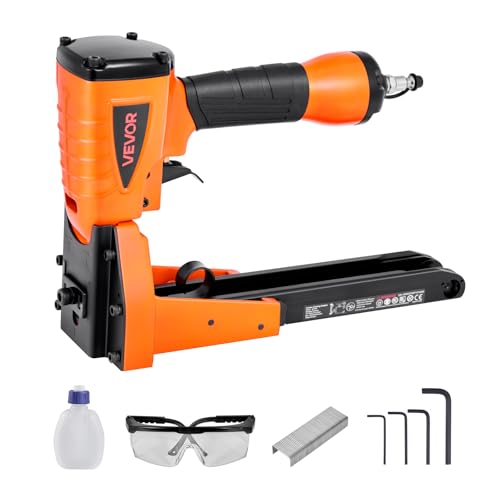
The tradeoff shows up as volume climbs. Because a manual unit relies on you pressing down before the staple fires, unsupported or slightly flexible cardboard can bow out of the way instead of taking the staple cleanly, especially late in a long shift when hand fatigue sets in. A pneumatic stapler fires instantly under consistent air pressure, so it punches through before the board has a chance to flex, and it does that hundreds of times an hour without tiring anyone's grip. If you're sealing more than a couple hundred boxes a day, or running multiple people on packing stations, that speed and consistency usually justifies the jump to air power. Below that, a manual model does the job without the added equipment and maintenance that come with a compressor setup.
Grip, Trigger Safety, and a Build That Won't Jam Mid-Carton
A few build details separate the best manual carton closing stapler from one that frustrates you within a week. Because you're squeezing this tool by hand, repeatedly, comfort and reliability matter more than they might seem to on paper. A rubberized, textured handle stays secure even when your hands pick up dust or moisture from cardboard, while a bare metal grip tends to slip right when you need control most.
All-metal housings hold up better under constant use than lighter composite bodies, though they add some weight to a full shift of stapling. Look for a magazine and feed mechanism that loads staples in one continuous strip without gaps, since a poorly designed feed is the most common cause of mid-carton jams, particularly on flaps with inconsistent thickness. A safety trigger guard that prevents the stapler from firing unless it's pressed flush against the surface is a small detail that matters a lot once you're moving quickly through a stack of boxes.
Frequently Asked Questions
What is a manual carton closing stapler used for?
It's used to seal the top and bottom flaps of corrugated shipping boxes by driving wide crown staples through the cardboard instead of using tape. It's common in small warehouses, fulfillment operations, and home-based shipping setups.
What is the difference between a carton closing stapler and a regular staple gun?
A regular staple gun is built for general tasks like upholstery, crafts, and wire fencing, and it uses narrower staples designed to bite into fabric or wood. A carton closing stapler uses wide crown staples specifically sized for corrugated board and isn't meant for those other materials.
What size staples do I need to seal shipping boxes?
Most carton work uses sixteen gauge wide crown staples, with leg length depending on box thickness, roughly five-eighths of an inch for single-wall board and three-quarters of an inch or longer for double-wall board.
Can a manual carton stapler handle double-wall boxes?
Yes, as long as it's fitted with a long enough staple leg and, ideally, an adjustable depth setting. Not every manual model is rated for double-wall or triple-wall board, so it's worth checking the depth range before buying.
Do staples used for carton sealing damage what's inside the box?
They can if the staple length or depth setting is wrong for the box wall thickness. A properly matched staple and depth setting clinches inside the cardboard layers without poking through to the contents.
Is stapling better than tape for sealing boxes?
Staples generally hold better than tape on heavier boxes and in humid or fluctuating conditions, where tape adhesive can weaken or peel. Tape is often simpler for very low volume or lightweight packages where a stapler isn't worth setting up.
How do I know when to switch from manual to pneumatic?
Hand fatigue, inconsistent staple penetration on a long shift, or a daily volume in the hundreds of boxes are all signs it's time to consider a pneumatic model. Occasional or moderate daily use is usually fine with a manual tool.
What gauge staple is standard for carton closing?
Sixteen gauge is the common standard, offering enough wire thickness for secure holding power without requiring excessive hand force to drive each staple.
The Bottom Line
Picking the best manual carton closing stapler for your setup comes down to matching gauge, crown width, and staple leg length to the boxes you actually pack, then paying attention to grip comfort and feed reliability for whoever is using it day to day. Get those basics right and a manual stapler will outlast tape and outpace hand-taping for years of everyday shipping.