
Best Manual Staple Guns: What to Know Before You Buy
Disclosure: We may earn a commission when you buy through links on this page, at no extra cost to you. As an Amazon Associate I earn from qualifying purchases. Learn more
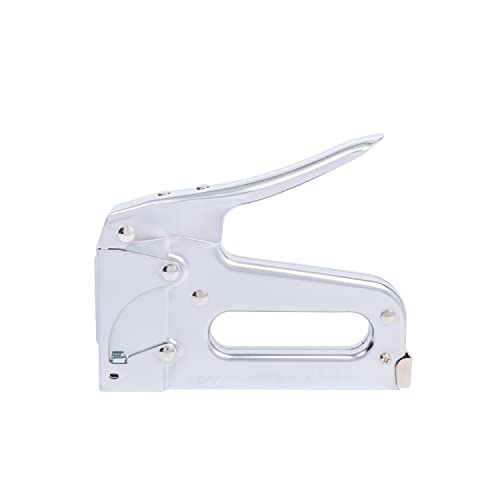
Shopping for the best manual staple guns? Learn staple sizing, grip comfort, and jam-proofing tips before you buy one for upholstery, crafts, or repairs.
You reach for the stapler tucked in the garage drawer, squeeze the handle, and nothing happens except a satisfying click with no staple to show for it. Most people who go looking for the best manual staple guns have hit that exact wall, usually mid-project, with a sagging chair cushion or a loose window screen waiting to be fixed. A manual staple gun is one of the simplest tools in a home workshop, but the difference between a model that fires clean and one that jams every third pull comes down to a handful of specific details. This guide covers what actually separates a good manual stapler from a frustrating one, how to match staples to the job, and when it makes more sense to reach for an electric or pneumatic model instead.
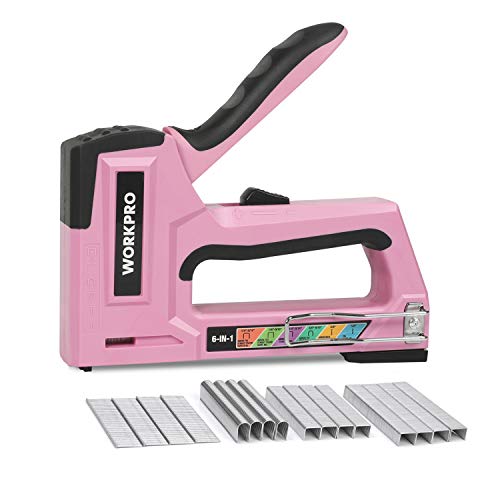

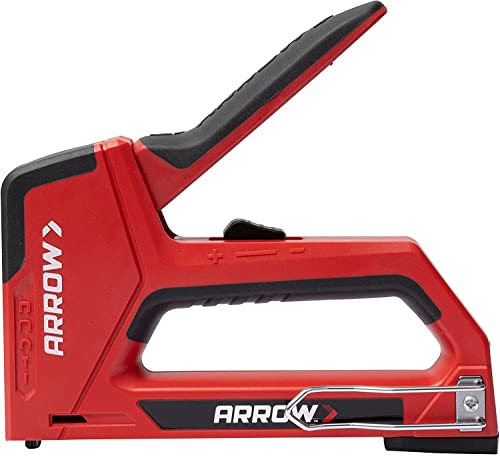
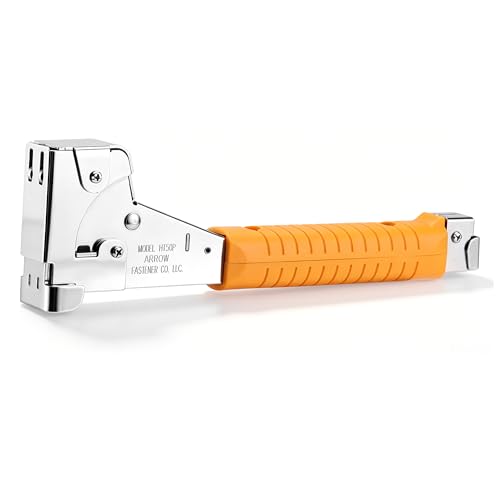



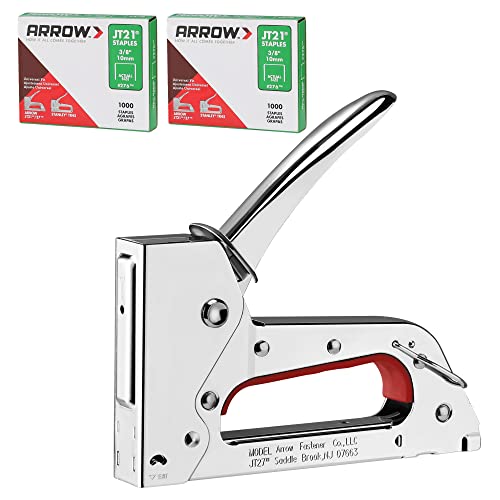

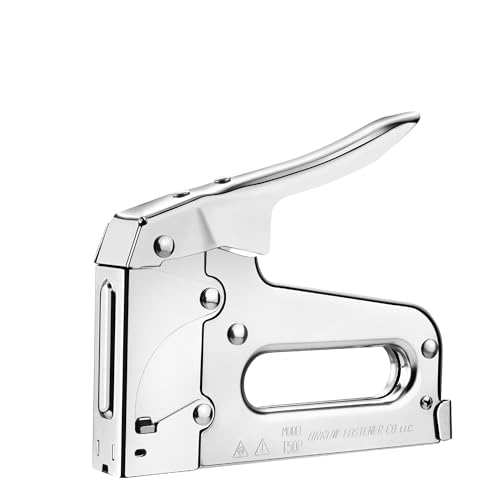

Where a Manual Staple Gun Actually Earns Its Keep
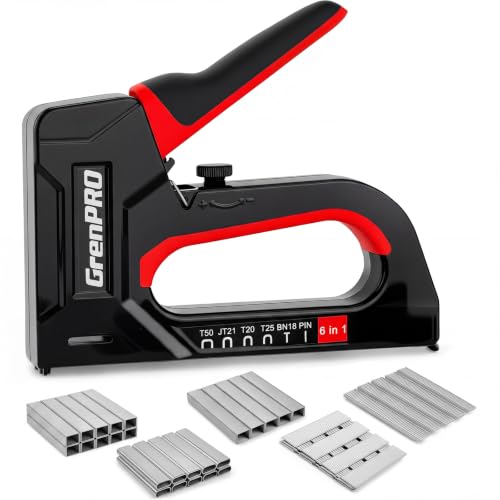
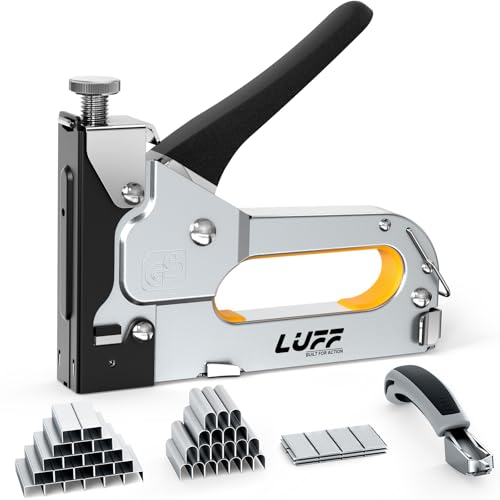
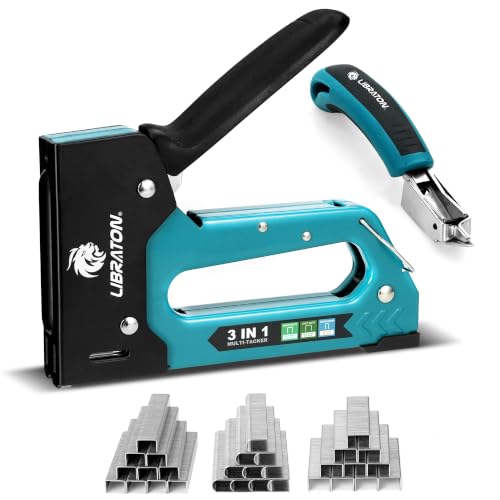
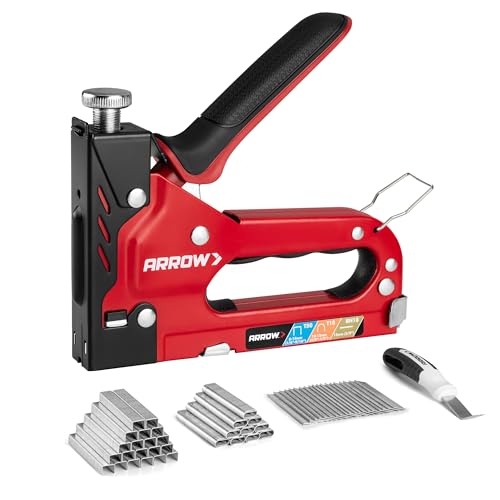
A manual staple gun is built for jobs that are occasional rather than continuous. Reupholstering a dining chair seat, tacking down a drop cloth, attaching window screening, stapling faced attic insulation batts between joists, and running light-gauge wire fencing or low-voltage cable along a baseboard are all classic uses. Craft projects like building a canvas frame or fastening fabric to foam board fall into the same category. What these jobs share is intermittent firing, usually a few dozen staples at a time, with breaks in between rather than one long continuous run.
It's worth drawing a clear line here between a general-purpose manual staple gun and a dedicated carton-sealing or box-closing stapler. Those are a different tool entirely, built around wide or narrow crown staples sized for cardboard flaps and shipping cartons, and they're optimized for speed and repetition rather than versatility. If your main use case is sealing boxes all day in a warehouse or fulfillment setup, a general staple gun like the ones covered here isn't the right fit. This guide focuses on the all-purpose manual stapler that handles upholstery, crafts, and light household repairs.
Squeeze Force, Grip, and Build Quality: What Actually Matters
Because a manual staple gun runs entirely on hand strength, the mechanics of how it squeezes matter more here than they would with a powered tool. This is also where the best manual staple guns separate themselves from the mediocre ones, not through the staples themselves but through how much the gun fights back every time you fire it.
Squeeze Effort and Hand Fatigue
Some manual staplers use a simple single-stroke spring mechanism, while others add a secondary lever or squeeze-assist bar that reduces the force needed to drive a staple flush. That second design matters a lot if you're working through more than a handful of staples in one sitting, since a stiff single-stroke gun can genuinely tire out your hand and forearm before the job is done. Anyone with a weaker grip, arthritis, or wrist issues will notice this difference within the first few staples, not after an hour.
Grip Material and Housing
A rubberized, textured handle stays comfortable and secure even when your hands are dusty or slightly damp from fabric or foam work, while a bare metal grip can slip under pressure right when you need the most control. All-steel housings hold up longer under repeated squeezing than plastic-bodied models, though they add weight. If you're doing enough stapling to want dedicated hand protection, a pair of leather work gloves also helps buffer against the pinch points around the trigger and magazine.
Weight and Balance
A heavier all-steel gun feels more stable and drives staples deeper with less effort per squeeze, but that same weight becomes tiring if you're working overhead or at odd angles, like stapling insulation between rafters. A lighter body trades some driving power for maneuverability. Neither is universally better, it depends on whether your projects tend to be quick fixes at a workbench or longer sessions reaching into awkward spots.
Matching Staple Type and Size to the Job
More jamming and misfiring complaints trace back to staple mismatch than to a defective gun. Every manual stapler is built around a specific staple family, and forcing in the wrong size is the fastest way to bend a staple inside the magazine and jam the mechanism.
Gauge, Crown Width, and Leg Length
Staples are described by three numbers: gauge (wire thickness, typically in the 16 to 22 range for hand-driven models), crown width (the flat top that spans the material, usually between about 7/32 and 7/16 inch), and leg length (how far the staple penetrates, up to around an inch for most general-purpose guns). Thin fabric over foam needs a narrower crown and shorter leg than thick fencing wire or trim molding. Check your gun's specification for the exact staple family it accepts before buying a box of staples, since using the wrong dimensions is the single most common cause of poor holding power or jams.
T50 vs Other Common Staple Series
T50 is the most widely available staple series and the one most general-purpose manual guns are built around, which makes replacement staples easy to find at almost any hardware store. Other common series, sometimes labeled by a different letter and number combination, are just as functional but can be harder to restock locally. Sticking with a gun that uses a widely available staple series saves you from hunting down proprietary refills later, especially if you only pick up the tool once every year or two.
Manual, Electric, or Pneumatic: Picking the Right Power Source
A manual staple gun isn't always the right call, and it helps to know when to step up. Manual models cost less, need no battery or air compressor, and have fewer parts to break, which is why they last so long in a junk drawer without ever failing. They're the obvious choice for light, occasional work like fixing a loose piece of screening or reattaching upholstery trim.
Electric staple guns trade that simplicity for speed and consistent driving force, since the motor does the squeezing instead of your hand. That makes them a better fit for full upholstery jobs, thicker foam and fabric layers, or denser wood, where a manual gun would require repeated, tiring squeezes to seat each staple flush. Pneumatic guns go a step further and are really built for production-style work, like a shop reupholstering furniture regularly, where speed and volume matter more than portability. If your projects lean toward framing-grade fastening or repeated heavy-gauge work rather than staples at all, a nail gun is worth considering instead, since it's a different tool built for a different fastening job entirely. For most homeowners doing scattered small repairs a few times a year, though, a manual gun covers the need without the extra cost or bulk of a powered tool.
Avoiding Jams and Getting a Clean, Flush Staple
Jamming is the most common complaint with manual staple guns, and it almost always traces back to one of two causes: a bent or misaligned staple sitting in the magazine, or a staple that's the wrong size for the gun's channel. Both are largely preventable with a bit of attention to how you load and fire the tool.
Load the magazine with the staple legs facing down and pointed toward the front of the gun, and make sure the pusher spring has enough tension to feed staples smoothly rather than letting them shift sideways. When firing, hold the gun flush against the surface at a full right angle rather than tilted, since an angled hit is a common reason staples bend on entry instead of driving straight through. If a jam does happen, most manual guns open at the top of the head for exactly this reason, so a jammed staple is usually clearable with a pair of needle-nose pliers rather than requiring disassembly. Reupholstering a piece you're planning to actually keep for years is a good moment to also check the fabric condition with a proper upholstery cleaner machine before you start stapling it back together, since it's far easier to clean fabric that isn't already tacked down.
Frequently Asked Questions
What is the difference between a manual and an electric staple gun?
A manual staple gun fires each staple using hand-squeezed spring tension, while an electric model uses a motor to drive the staple automatically. Manual guns are cheaper, quieter, and need no power source, but electric guns fire faster and handle thicker materials with less physical effort.
What size staples does a manual staple gun use?
Most general-purpose manual staplers use staples in the 16 to 22 gauge range, with crown widths around 7/32 to 7/16 inch and leg lengths up to about an inch. The exact size depends on the specific gun, so check the manufacturer's spec before buying refills.
Can a manual staple gun handle upholstery fabric and foam?
Yes, for lighter upholstery work like a dining chair seat or a footstool, a manual gun handles fabric and thin foam fine. Thicker foam layers or dense materials get tiring to staple by hand, which is where an electric model starts to make more sense.
Why does my staple gun keep jamming?
Jamming is usually caused by a bent staple in the magazine or by using a staple size that doesn't match the gun's channel. Loading staples correctly, keeping the pusher spring tensioned, and firing at a full right angle to the surface prevents most jams.
Is a manual staple gun strong enough for light construction or wood trim?
For thin trim, house wrap, or attaching fabric and screening to a wood frame, yes. For dense hardwood or anything requiring deep penetration, a manual gun struggles and an electric or pneumatic model, or a nail gun for structural work, is the better tool.
Can you use a manual staple gun on wire or cable?
Light-gauge wire fencing and low-voltage cable, like speaker wire or holiday lighting, can be secured with the right wide-crown staple designed for that purpose. Never staple through electrical wiring rated for household current, since that can damage the insulation and create a shock or fire hazard.
Making the Right Call
Choosing among the best manual staple guns comes down to matching squeeze effort, grip, and staple compatibility to the kind of work you actually do. For occasional upholstery touch-ups, crafts, and light repairs, a comfortable manual model with a widely available staple series covers the job without any extra cost or complexity. Save the electric or pneumatic upgrade for projects that involve thick materials or a high volume of staples in one sitting.