Best Low Profile Creepers: How to Choose One That Fits Under Your Car
Disclosure: We may earn a commission when you buy through links on this page, at no extra cost to you. As an Amazon Associate I earn from qualifying purchases. Learn more

You slide the creeper toward the car, lie down, and push off, only to feel the frame catch on the rocker panel before your shoulders even clear the bumper. Standard creepers are built for trucks and SUVs with plenty of ground clearance, which leaves anyone working on a sedan, coupe, or lowered daily driver stuck kneeling on concrete instead. Picking the best low profile creepers for your garage comes down to a handful of specifics that most listings gloss over: how close the deck actually sits to the floor, what the frame and wheels are made of, and whether a lower ride height is worth the trade-offs that come with it. This guide walks through what actually separates a creeper that glides under a lowered car from one that stops halfway.






How Low Does It Actually Need to Roll
Ground clearance is the number that matters most, and it varies more than most buyers expect. A model marketed as low profile might still sit close to 3 inches off the floor, while others are built to clear little more than an inch. Before comparing anything else, it helps to know what your own vehicle actually allows.
Matching Clearance to Your Vehicle
Most modern sedans give you enough room for a creeper that rolls around 3 to 3.5 inches high, and that number is really the whole ballgame when you're shopping for best low profile creepers. Lowered cars, sports coupes, and anything sitting on aftermarket suspension often need something closer to 2.5 inches or less to slide under without scraping. If you already own one of the best low profile floor jacks for a lowered vehicle, that same clearance number is a good starting point for sizing up a creeper, since both tools are fighting the same tight gap.
Zero-Clearance and Track-Style Options
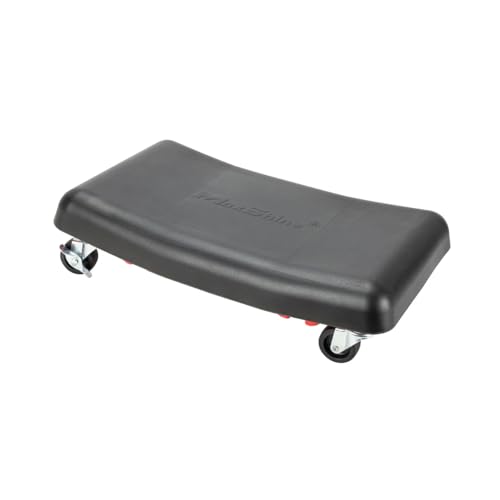
A small category of creepers skips wheels altogether, using a padded shell that slides directly along the floor on an internal track instead. These sit lower than anything with casters and work well under vehicles that leave almost no gap at all, though they take more effort to move and don't glide the way a wheeled model does. They're worth considering only if a standard low profile design still won't clear your car.
Frame, Deck, and Padding That Hold Up
What the creeper is built from affects both how long it lasts and how comfortable an hour under a car actually feels.
Steel vs Plastic Frames
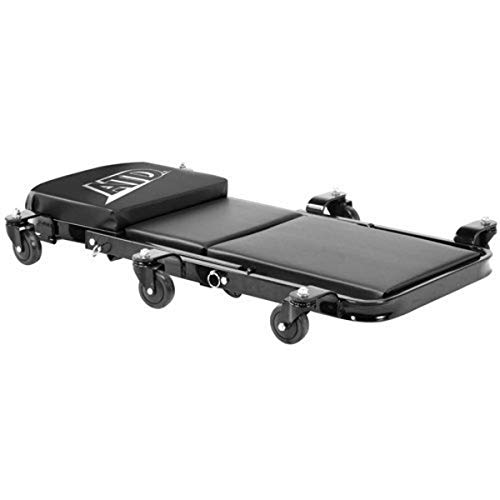
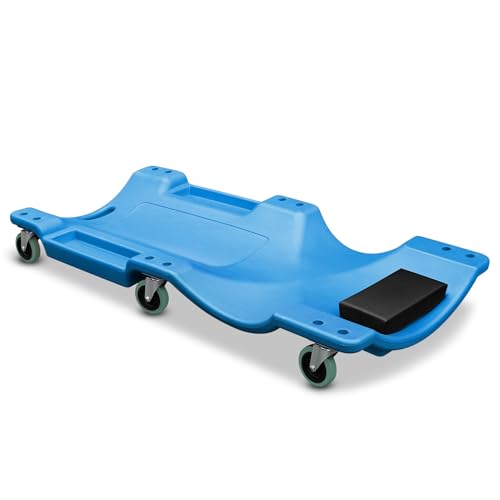
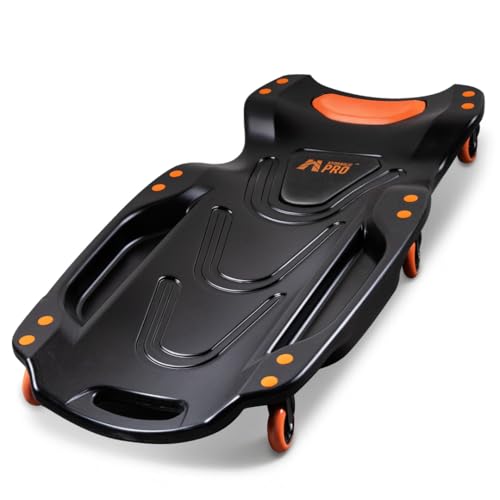
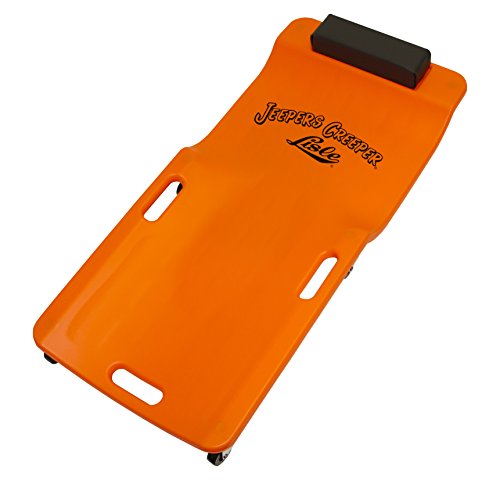
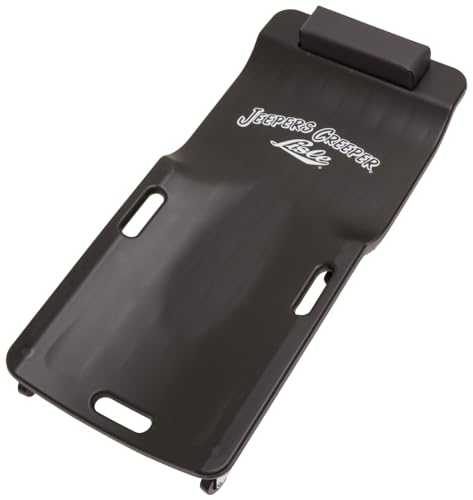
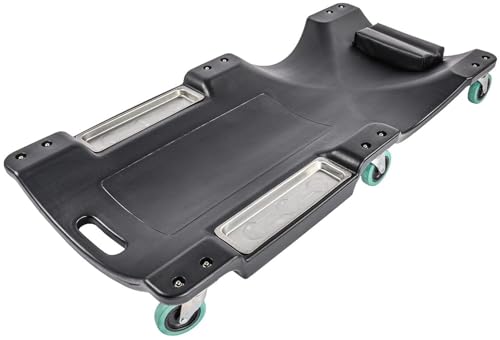
Steel-framed creepers handle heavier use and higher weight ratings without flexing, but they add bulk and are harder to hang on a wall between jobs. Molded plastic or polypropylene decks weigh less, resist rust in a damp garage, and often sit lower to the ground by design, though they can crack under repeated heavy use over time. For occasional home use, plastic construction is usually the more practical best low profile creepers choice, while a steel frame makes more sense for daily shop work.
Padding and Headrest Comfort
Thin foam compresses fast and stops cushioning your spine within the first few minutes. Look for multi-layer padding with a vinyl or closed-cell cover that resists soaking up shop fluids, and check whether the headrest adjusts. A fixed headrest that doesn't match your working angle defeats the purpose of buying a padded creeper in the first place.
Wheels and Casters: The Trade-off Nobody Mentions
This is where most buyers get surprised after the purchase. The lower a creeper sits, the smaller its wheels usually have to be, and that swap has real consequences on the shop floor.
Smaller Wheels Roll Lower But Catch More Debris
Wheels under 2 inches let a creeper sit closer to the ground, but they snag on cracks, cords, and small debris far more easily than larger casters. A creeper that scores well on clearance can feel frustrating to push around if the floor isn't clean and smooth, which is the trade-off nobody mentions when they're only chasing the lowest number for best low profile creepers. If your garage floor is uneven or the job doesn't require lying flat the entire time, a set of the best car ramps can sometimes get you enough working height without needing the absolute lowest creeper on the market.
Bearing Quality and Wheel Material
Sealed bearings and polyurethane treads hold up far longer than the exposed, plastic casters found on budget best low profile creepers models, which tend to seize or crack within a season of regular use. Swivel casters on all four corners make it easier to reposition yourself without fully standing up, which matters more than it sounds like once you're twenty minutes into a job.
Creeper, Creeper Seat, or Convertible: Picking the Right Type
Not every under-car task calls for the same shape of creeper, and the low-profile category actually splits into a few distinct styles.
Standard Low-Profile Creeper
This is the flat, reclined design most people picture, and it's what most listings actually mean by best low profile creepers, best suited for oil changes, exhaust work, and anything where you need to be fully underneath the vehicle for an extended stretch.
Creeper Seat
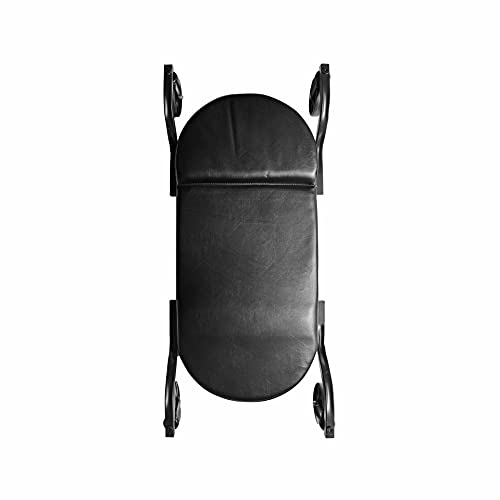
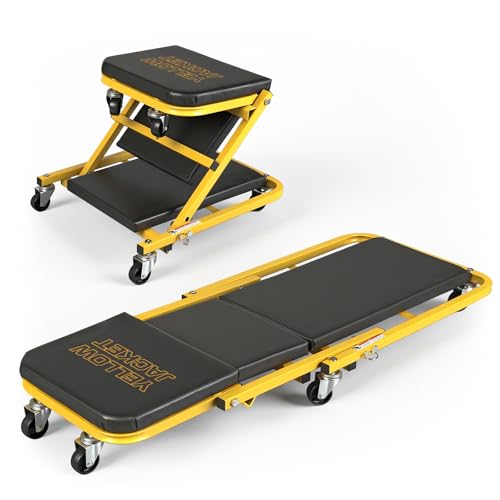
A seat keeps you upright and mobile around wheels, brakes, and tire work where you're constantly shifting position rather than staying flat. It won't fit under most vehicles the way a low profile creeper will, so it's a poor substitute when the job actually requires lying down.
Convertible Models
Some designs fold or hinge between a flat creeper and a seated position, giving you both in one piece of equipment. They add moving parts that can wear out, but they're a reasonable middle ground if your garage time splits fairly evenly between under-car work and seated tasks.
Sizing It to Your Body and Your Garage
Clearance and wheels get most of the attention, but fit and storage matter just as much once the creeper is actually in daily use.
Length, Width, and Weight Capacity
A deck that's too short leaves your legs or head hanging off the end, which gets uncomfortable fast during longer jobs. Most low profile models run somewhere between 36 and 40 inches long and 16 to 18 inches wide, and weight ratings typically fall between 250 and 400 pounds. Check the rating against your own weight plus whatever tools you tend to keep on the deck with you, since weight capacity gets overlooked far more often than clearance when people shop for best low profile creepers.
Storage and Portability
Thinner, lighter creepers hang flat against a garage wall far more easily than bulkier steel models, which matters if floor space is tight. Good overhead or wall lighting also makes a real difference here, since a lower ground clearance means less room for shadows to hide a leak or worn part; a set of the best home garage led lighting setups makes it much easier to actually see what you're reaching for once you're on your back under the car.
Frequently Asked Questions
How low does a low profile creeper need to be to fit under a car?
It depends on the vehicle. Most sedans clear a creeper around 3 to 3.5 inches high, while lowered cars and sports coupes often need something closer to 2.5 inches or less. Measure your car's actual ground clearance before assuming a listing's "low profile" label is low enough, since the term gets used loosely across best low profile creepers listings.
What's the difference between a creeper and a creeper seat?
A creeper is a flat, reclined platform meant for lying fully underneath a vehicle, while a creeper seat keeps you upright and mobile for tasks like brake and tire work. They solve different problems, and one usually can't substitute for the other.
Do low profile creepers work on cracked or uneven garage floors?
They can struggle more than standard creepers, since lower models usually have smaller wheels that catch on cracks, cords, and debris. If your floor is rough, prioritize models with sealed bearings and slightly larger casters even if it means giving up a bit of clearance.
How much weight can a mechanic creeper hold?
Most models are rated between 250 and 400 pounds, though this varies by frame material and construction. Always check the rating against your own body weight plus any tools you plan to keep on the deck.
Is a steel or plastic frame better for a low profile creeper?
Steel holds up better under frequent, heavy use and higher weight loads, but it's bulkier and heavier to store. Plastic or polypropylene frames are lighter, resist rust, and often sit lower by design, which makes them a solid pick for occasional home use.
Can a low profile creeper fit under a lowered or sports car?
Some can, but not all low profile models are low enough. Vehicles with aftermarket suspension often need a creeper rated close to 2.5 inches or a zero-clearance, track-style design that skips wheels entirely.
How do you clean and store a mechanic creeper?
Wipe vinyl padding down with a damp cloth and mild soap rather than harsh solvents, which can dry out and crack the cover over time. For storage, hang lighter models on a wall hook to save floor space, and keep casters away from standing water to prevent rust or seized bearings.
Making the Right Call for Your Garage
The right pick among the best low profile creepers comes down to matching real ground clearance to your specific vehicle, then weighing how much wheel size and rolling ease you're willing to trade for that extra inch of clearance. Measure before you buy, check the frame material against how often you'll actually use it, and don't assume every "low profile" label means the same thing. Get those details right and the creeper disappears into the background of the job, which is exactly what it's there for.