Best LED Grow Light Strips: What to Look for Before You Buy
Disclosure: We may earn a commission when you buy through links on this page, at no extra cost to you. As an Amazon Associate I earn from qualifying purchases. Learn more

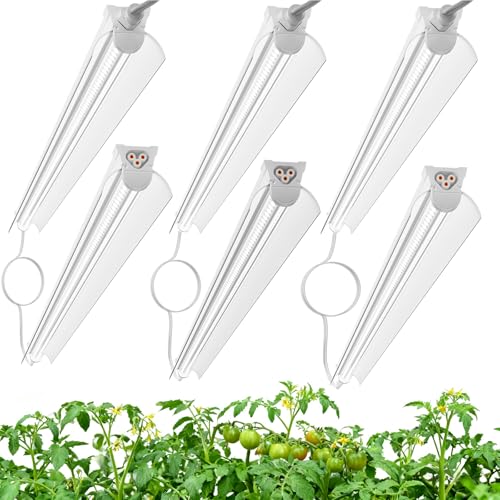
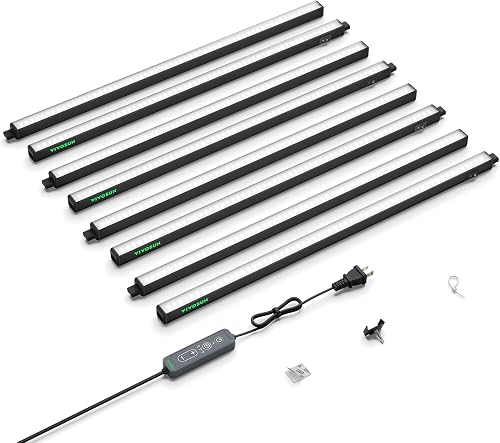
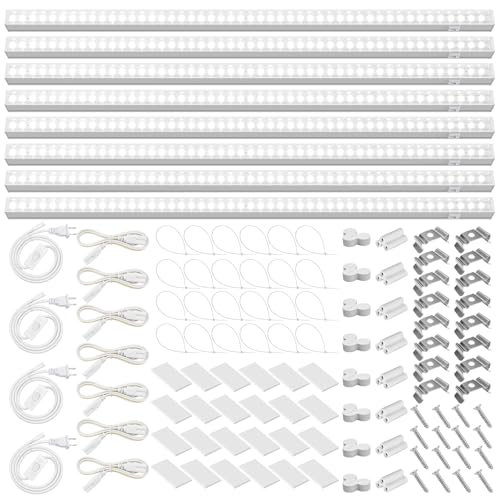
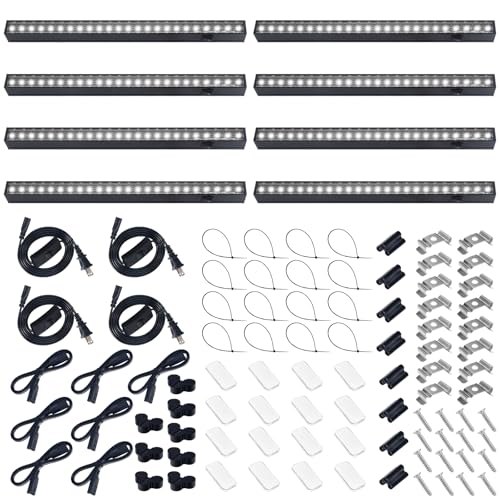
Finding the best led grow light strips comes down to matching a flexible, adhesive-mount fixture to a space where a bulky panel light simply won't fit. Strip lights are built for shelving units, cabinet grow spaces, and multi-tier seed-starting racks, where every inch of clearance counts. Unlike standalone grow lamps, strips mount flush against the underside of a shelf or the back wall of a cabinet, run on low-profile cords, and often link together so one power source feeds several tiers at once. Before you buy, you need to understand spectrum, output, sizing, and how these fixtures actually get used day to day. This guide walks through what separates a strip that keeps herbs and seedlings thriving from one that just adds ambient glow.
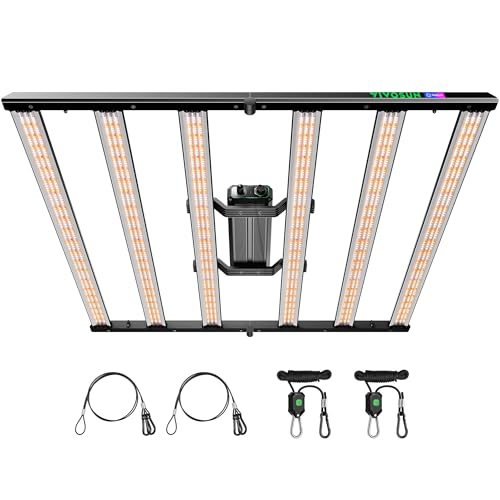
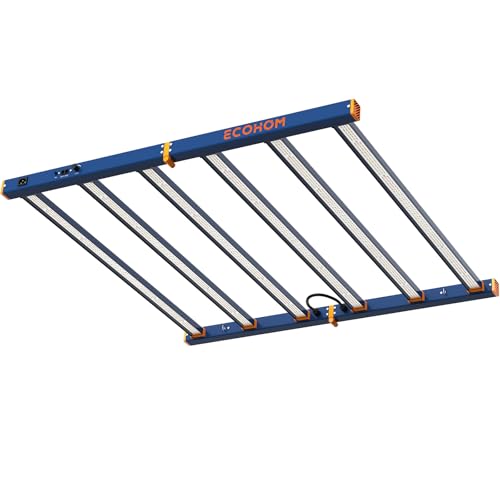
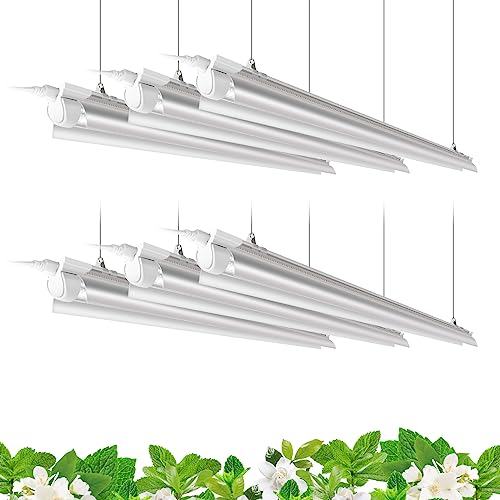
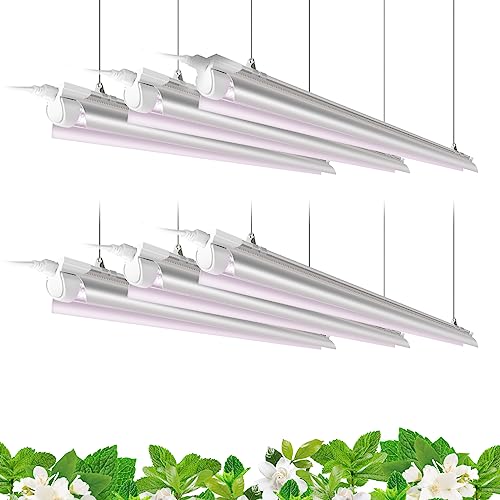


Spectrum and Light Output That Actually Feed Plants
Not every strip labeled "grow light" delivers usable light for plants. The spectrum and intensity matter far more than wattage printed on the box, and a cheap strip can look bright to your eyes while barely nudging a seedling toward healthy growth.
Full Spectrum White Versus Red-Blue Only
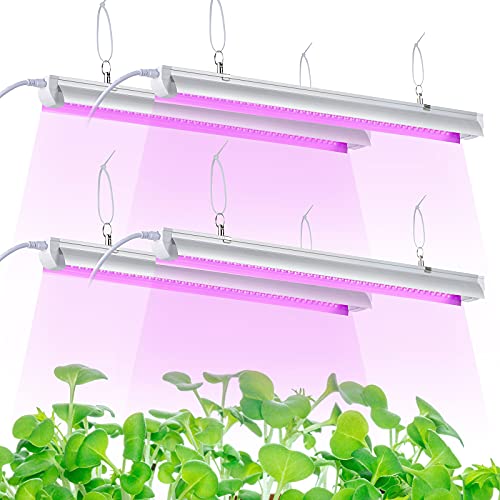
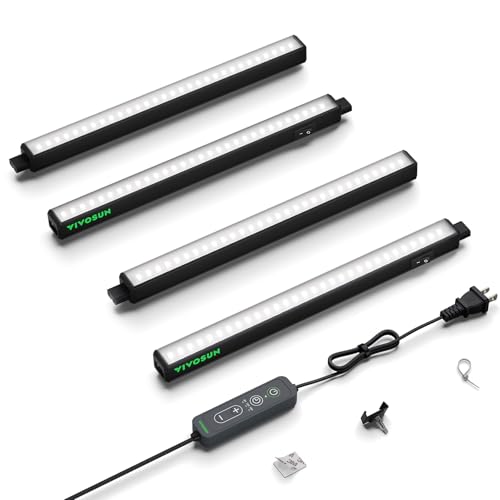
Full spectrum white LEDs, generally in the 4000K to 6500K range, work for nearly every situation because they support the whole growth cycle and look natural in a living space. Strips built with only red and blue diodes produce that familiar purple-pink glow, which can be efficient for pure vegetative growth but looks jarring on an open shelf in a kitchen or living room. If the strip will sit somewhere you also spend time, a white-chip full spectrum design is almost always the better fit.
Reading PPFD Instead of Just Watts
PPFD, or photosynthetic photon flux density, tells you how much usable light actually reaches the leaf surface at a given distance. Two strips with identical wattage can produce very different PPFD readings depending on diode efficiency and lens design. When a listing skips PPFD entirely and only advertises wattage or lumens, treat that as a sign the output hasn't been tested for plant growth specifically.
Why Strip Format Wins in Shelves, Racks, and Cabinets
Panel fixtures and clip-on grow lamps need clearance above the canopy, a stable base, and usually their own bracket or stand. That works fine on an open table but fails fast inside a bookcase, a glass-front cabinet, or a narrow wire shelving unit where the gap between tiers is often four to eight inches.
Strips solve that problem by being thin, flexible, and low profile. Most mount with adhesive backing, magnetic strips, or small clips, so you attach the fixture directly to the underside of the shelf above and aim light straight down onto the tier below. There's no stand to knock over and no bulky housing eating into your vertical space. For anyone running a compact multi-tier setup, pairing shelf strips with a properly sized enclosure makes a real difference, and it's worth comparing options like an indoor grow tent if you want fully enclosed, light-sealed tiers rather than open shelving.
Sizing a Strip to Your Shelf or Grow Rack
Measure the shelf width before you shop, not after. Strips typically come in one-foot to four-foot lengths, and buying one that's too short leaves dark edges where plants stretch toward the light instead of growing upright.
- Measure the usable width of each shelf tier, then choose a strip length that covers at least 80 to 90 percent of it.
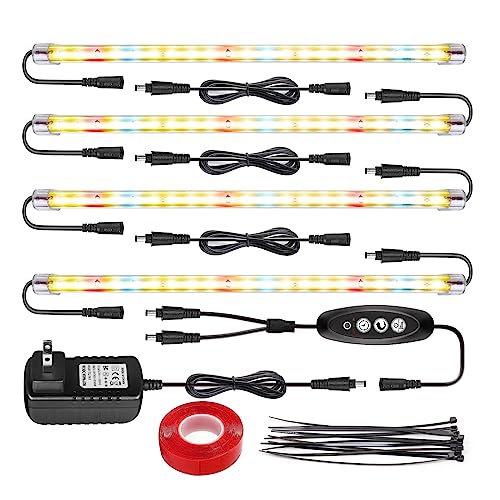
- For rack systems with more than two tiers, look for strips that daisy-chain from one connector into the next, since running a separate outlet to each shelf gets unwieldy fast.
- Overlap coverage slightly at the edges rather than leaving gaps; plants at the rim of a shelf are usually the first to show uneven growth.
If you're outfitting an entire rack rather than a single shelf, it's worth reading up on the best led grow light strips alongside broader fixture options, since a taller unit with more vertical space might do better with a mix of strips on lower shelves and a compact panel on top, similar to what's covered in a general grow light buying guide.
Timers and Dimming for Hands-Off Light Cycles
Consistency matters more than raw brightness for most houseplants and seedlings. Plants respond to a predictable light and dark cycle, and manually flipping a switch every morning and night is the easiest habit to forget.
Look for strips with a built-in timer or one that pairs easily with an inline plug timer, so you can set a 12 to 16 hour on cycle and stop thinking about it. Dimmable strips add another layer of control, letting you run lower intensity for fresh seedlings and step up brightness as plants mature into the vegetative stage. Some models offer preset modes for different growth phases, which is convenient, but a simple dimmer knob or app control works just as well if you understand roughly what intensity your plants need at each stage.
Everyday Uses: Seed Starting, Herb Shelves, and Small Apartments
Strip lights shine in situations where a big fixture would be overkill or simply wouldn't fit. Seed-starting trays under a wire rack are a classic use case, since a strip mounted to the shelf above delivers even coverage across a full tray of cell packs.
Kitchen herb shelves benefit the same way, keeping basil, mint, and chives compact and productive through the darker months without a lamp taking up counter space. Apartment growers with limited floor space often rely on strips inside a closet, bookcase, or repurposed cabinet, since the format tucks into places a standing grow light never could. In all of these cases, the appeal is the same: usable light in a footprint that disappears once it's installed.
Frequently Asked Questions
Can I use LED grow light strips for flowering plants, or just seedlings?
Full spectrum strips with strong PPFD output can support flowering plants, but check the manufacturer's coverage specs first. Lower-output strips are usually better suited to seedlings, herbs, and foliage than to fruiting or flowering crops that need more intense light.
How close should the strip be to the plant canopy?
Most full spectrum strips work best mounted six to twelve inches above the canopy. Lower-output strips may need to sit closer, while higher-intensity strips should stay farther back to avoid leaf bleaching or heat stress.
Do grow light strips use a lot of electricity?
Most shelf-length strips draw well under 30 watts each, so running several on a 12 to 16 hour daily cycle adds a modest amount to a monthly power bill. Efficiency varies by diode quality, so compare wattage against PPFD rather than wattage alone.
Can strips be cut to a custom length?
Some strips include marked cut lines for trimming to a shorter length, but many grow-specific strips cannot be cut without damaging the circuit. Check the product specs before assuming a strip is trimmable.
Will the adhesive backing damage my shelving?
Quality adhesive strips are designed to release cleanly from painted wood, laminate, and metal, though very old or unsealed surfaces can be more sensitive. Testing a small hidden section first is a safe habit before committing to full-length placement.
Do I need a separate timer, or do most strips include one?
Coverage varies widely. Some strips include a built-in timer function, while others rely on a plain on/off switch and expect you to add an inline plug timer separately, so check the listed features before buying.
Is full spectrum white better than colored grow strips for a shared living space?
Yes, in most cases. Full spectrum white light looks closer to natural daylight and blends into a living room, kitchen, or office far better than the pink-purple tone of red-blue-only strips.
Getting the Most From a Small-Space Setup
The right strip comes down to matching spectrum and output to what you're actually growing, then sizing and mounting it so coverage is even across the shelf. Once the fixture is dialed in, a simple timer keeps the whole setup running without daily attention. That combination of fit, output, and automation is what makes the best led grow light strips worth the investment for tight, plant-filled corners of a home.