
Best LED Grow Lights: What to Know Before You Buy
Disclosure: We may earn a commission when you buy through links on this page, at no extra cost to you. As an Amazon Associate I earn from qualifying purchases. Learn more
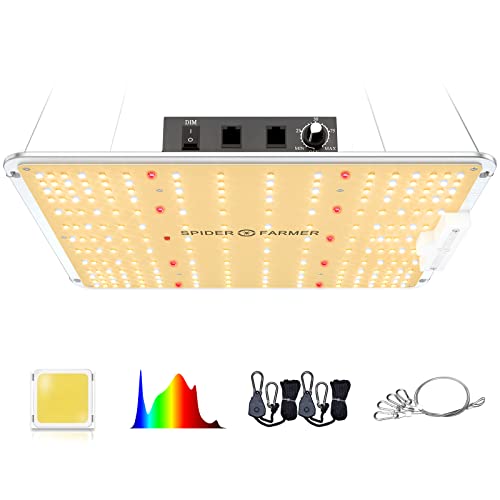
If your seedlings are stretching toward a window, your herbs stall out every winter, or your grow tent just isn't producing the way you hoped, the light is usually the problem. It's worth being clear about what kind of light solves that problem. Small adhesive strip lights are great for giving a shelf of houseplants or a few pots a gentle boost, but they aren't built to power real growth on their own. The best led grow lights for a dedicated grow space, whether that's a tent, a rack of seedlings, or a corner set up for herbs and leafy greens, need to put out enough usable light to be the plant's primary energy source, not just a supplement. This guide walks through the specs that actually matter, the fixture types you'll run into, what these lights cost to run, and how to set one up so your plants actually thrive.





The Specs That Actually Determine Whether Plants Grow
Grow light listings are full of numbers, and most of them are designed to catch your eye rather than tell you anything useful. Finding the best led grow lights for your space comes down to a handful of specs that genuinely predict whether a fixture will work. The rest is marketing noise you can mostly ignore.
Coverage Area vs. Your Actual Grow Space
Every fixture is rated for a footprint, often expressed as a tent size equivalent like 2x2, 2x4, or 4x4 feet. That number describes the area where the light stays strong enough to be useful, not just where you can technically see light landing. Measure your actual grow space first, then match the fixture's rated coverage to it. Buying a light sized for a smaller area than you actually have is one of the most common reasons growers end up disappointed with results at the edges of a tent or shelf.
PPFD and Wattage Per Square Foot (Not Just Wattage)
Wattage alone tells you almost nothing about how much usable light reaches your plants. What matters is PPFD, or photosynthetic photon flux density, which measures the actual light landing on the canopy. As a rough starting point, many growers aim for somewhere around 30 to 40 watts of real draw per square foot of canopy for typical indoor growing, though light-hungry flowering plants can want more. Be skeptical of "equivalent wattage" claims on the box. A fixture marketed as equivalent to a much larger old-style bulb often draws far less power in reality, and that gap directly affects output.
Full Spectrum for Both Veg and Flower Stages
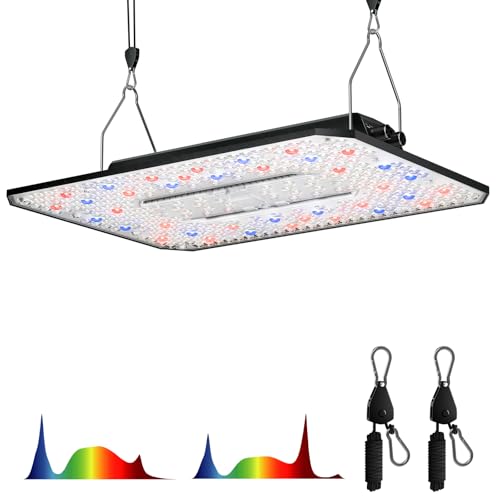
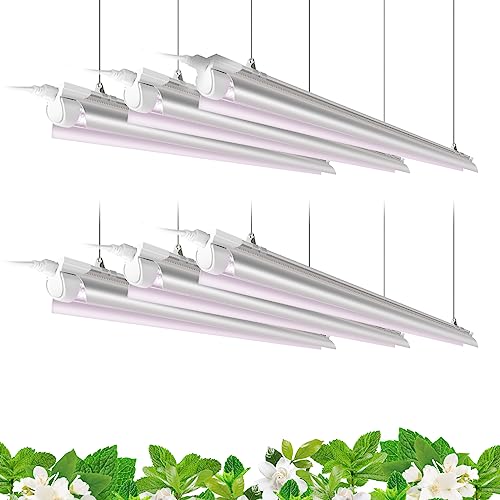
A full spectrum grow light blends blue-heavy wavelengths that support early vegetative growth with red-heavy wavelengths that support flowering, roughly mimicking natural daylight across a plant's life cycle. That means one fixture can typically carry a plant from seedling through maturity without swapping equipment. If you're only growing leafy greens or herbs that never flower, a narrower spectrum can work fine, but full spectrum is the safer default for most home setups since it covers more plant types without guesswork.
Heat Management and Cooling Design
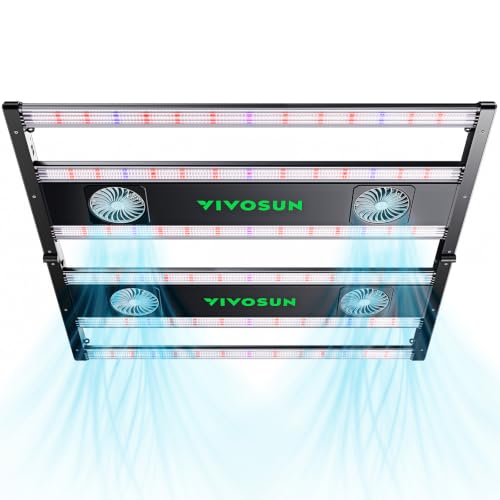
LEDs run cooler than older grow light technology, but "cooler" isn't the same as "cool," especially in an enclosed tent. Look at how the fixture handles heat, whether that's a passive heat sink or an active fan. Passive designs run silently and have no moving parts to wear out, but they need more airflow around them to stay efficient. Fan-cooled designs handle tighter, more enclosed spaces better, at the cost of a small amount of noise.
Panel, Bar, and Quantum Board: Picking the Right Fixture Type
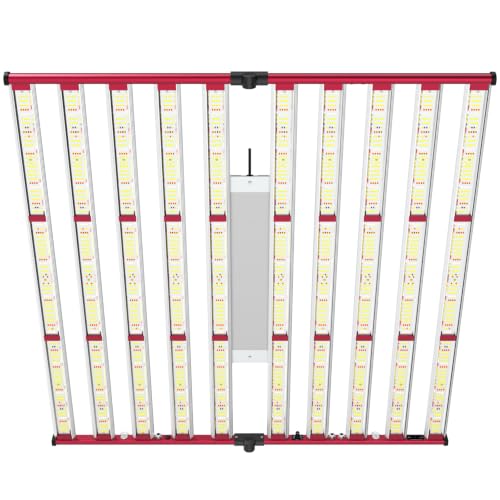
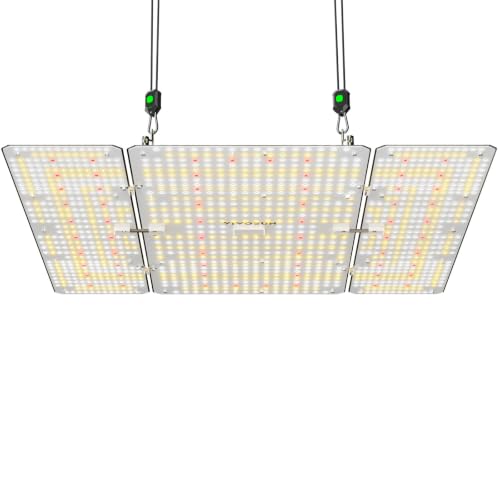
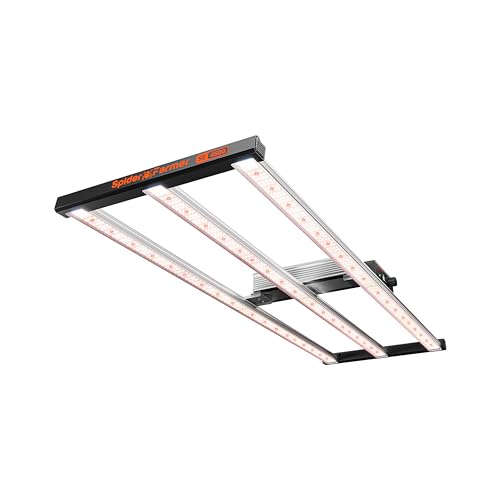
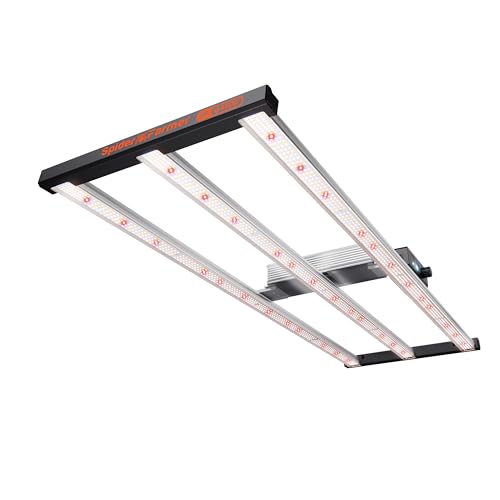
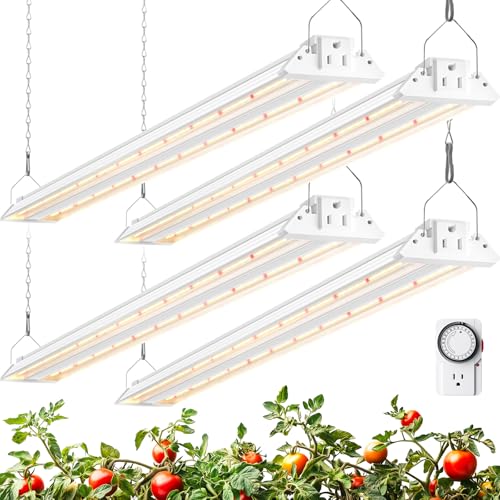
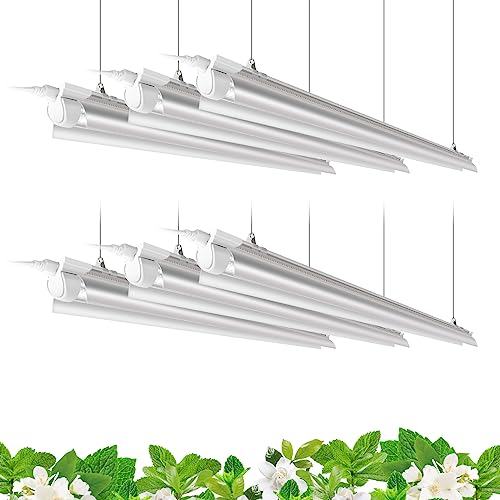
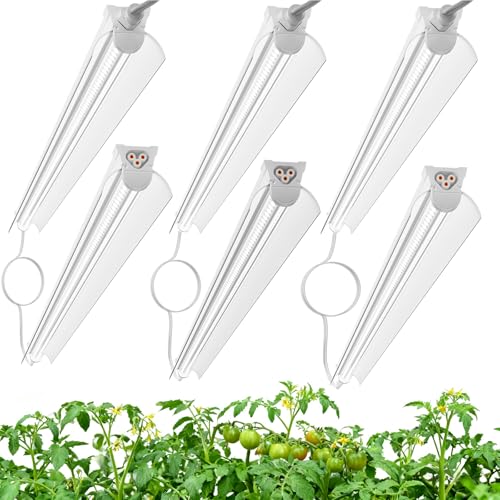
Grow lights aren't one uniform product category, and the physical form factor changes how well a fixture fits your space. Panel-style fixtures pack many small diodes into a flat rectangular housing and work well for grow tents or racks where you want broad, even coverage from a single hanging point. Bar-style fixtures spread several slim light bars across a frame instead of one solid panel, which improves light penetration into a dense canopy and reduces hot spots directly under the fixture. Quantum board designs use densely packed diode boards mounted close together for high output in a compact footprint, a common choice when you need strong PPFD in a smaller tent. None of these types is universally better. The right pick depends on the shape of your grow space, how tall your plants get, and whether you're prioritizing even spread or raw intensity in a tight area.
What LED Grow Lights Actually Cost to Run
Running cost is one of the first things people underestimate when they upgrade from a small clip light to a real fixture, and it's worth doing the math before you buy rather than after your first electric bill. The rough formula is straightforward: wattage multiplied by daily hours of use, multiplied by your local electricity rate, divided by 1,000 to convert to kilowatt-hours. A modest fixture running 12 hours a day typically costs somewhere in the range of a few dollars a month at average US electricity rates. Larger, higher-output fixtures running longer daily schedules, which flowering plants often need, can push that cost noticeably higher. This doesn't mean bigger is a bad choice, but it does mean the sticker price of the fixture isn't the whole cost story, and it's worth checking a light's actual power draw, not its equivalent wattage claim, before estimating what it will add to your bill.
Setting Up Your Light for Healthy Growth
Even a well-chosen fixture underperforms if it's positioned or scheduled wrong. Two adjustments make the biggest difference once the light is actually in place.
How Far to Hang It
Distance depends on the fixture's intensity, but a general range of 12 to 24 inches above the canopy works for most home setups, with higher-output fixtures needing to sit farther away to avoid stressing leaves. Seedlings and young plants generally want the light a bit farther off than mature, established plants. If leaves look bleached or curl at the edges, the light is usually too close. If growth looks stretched and thin, it's often too far.
How Many Hours a Day
Light needs vary by what you're growing. Many foliage houseplants do fine with 8 to 12 hours a day, seedlings often benefit from longer daily exposure in the 14 to 16 hour range, and fruiting or flowering plants frequently need extended schedules to perform well. Whatever the target, plants also need a real dark period to rest, so running a light around the clock isn't doing them a favor even if it seems like more should mean better growth.
Frequently Asked Questions
Do all indoor plants need a grow light?
Not necessarily. A plant sitting in a bright south-facing window may get enough natural light on its own. Grow lights matter most when natural light is limited, inconsistent, or entirely absent, such as in a windowless room, a basement, or during short winter days.
How far should an LED grow light be from plants?
Most home fixtures work well positioned 12 to 24 inches above the canopy, adjusted based on the light's intensity and the plant's growth stage. Watch the plant's response and move the light closer or farther as needed rather than fixating on one exact number.
How many hours a day should you run a grow light?
It depends on the plant. Many houseplants do well with 8 to 12 hours daily, seedlings often need 14 to 16 hours, and flowering or fruiting plants may need more. All plants still need a dark period, so continuous light isn't the goal.
What is the difference between full spectrum and regular LED light?
A full spectrum grow light is engineered to output the specific wavelengths plants use for photosynthesis and flowering, including blue and red ranges that a standard household LED bulb typically doesn't emphasize. A regular LED bulb is built for how a space looks to the human eye, not for plant growth.
How much does it cost to run an LED grow light?
Cost depends on the fixture's real wattage, how many hours a day it runs, and your local electricity rate. A smaller fixture run part of the day typically costs a modest amount monthly, while larger, higher-output setups running longer schedules cost more. Calculating actual draw before buying avoids surprises.
Can a grow light fully replace natural sunlight?
Yes, for most home growing purposes. A well-matched grow light can supply everything a plant needs for healthy growth in a windowless space, though outdoor sunlight still delivers more total intensity than most home fixtures can match.
What does PPFD mean and why does it matter?
PPFD measures how much usable light is actually reaching the plant's canopy, which is a far more reliable indicator of a fixture's real performance than its wattage rating alone. Two lights with the same wattage can have very different PPFD output depending on efficiency and design.
Making Your Decision
Choosing among the best led grow lights comes down to matching coverage, output, and spectrum to the space and plants you actually have, not chasing the highest wattage number on the box. If your needs are lighter, such as brightening a shelf of houseplants or seedlings rather than running a full grow space, a grow light strip may be a simpler and more affordable fit. For a compact, ready-to-go setup built specifically around herbs, an indoor herb garden kit can also be worth a look. Whatever you choose, checking real PPFD and power draw before buying will tell you far more than the marketing copy ever will.