
Best Indoor Grow Tents: A Complete Buying Guide for Growers
Disclosure: We may earn a commission when you buy through links on this page, at no extra cost to you. As an Amazon Associate I earn from qualifying purchases. Learn more
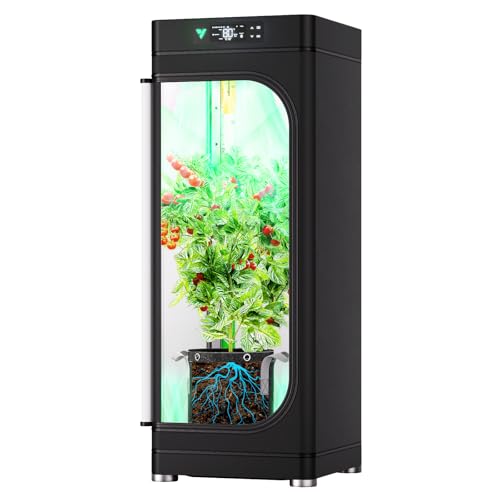
Picking the right grow tent shapes everything else about your indoor garden, from how evenly your light reaches the canopy to how well you control heat, humidity, and odor. The best indoor grow tents aren't defined by size alone; they come down to fabric quality, port placement, and frame strength working together as a system. A tent that looks identical to another online can perform very differently once you load it with a light, fans, and ducting. This guide breaks down the specs that actually matter, how to size a tent around your grow light and plant count, and the ventilation details growers tend to overlook until airflow becomes a problem. Whether you're setting up a small propagation space or a full-size flowering tent, the details below will help you compare options with more confidence.
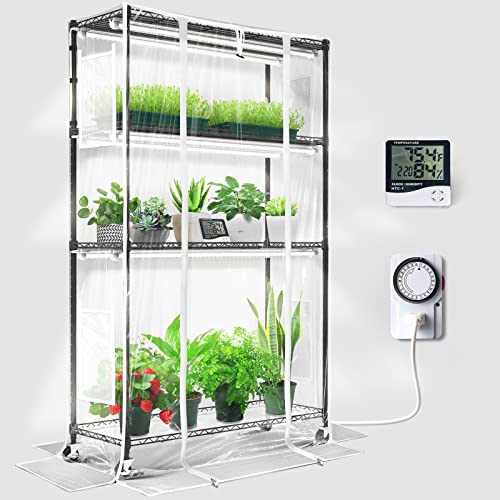
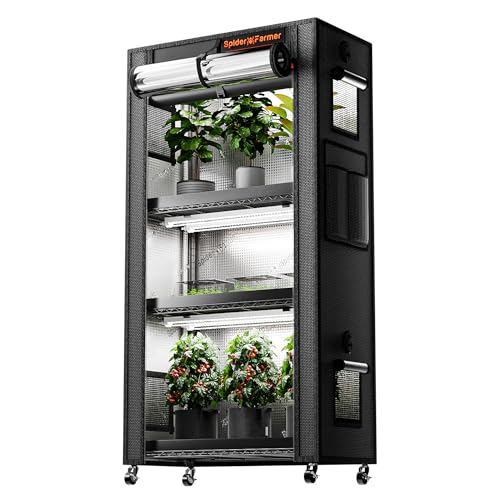
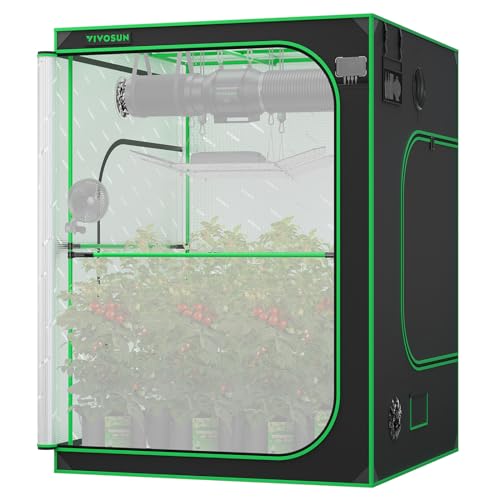
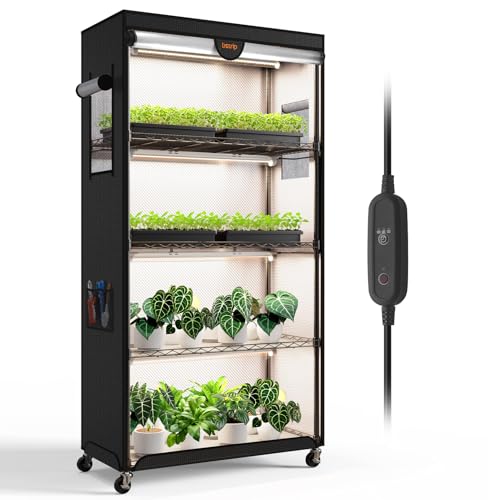
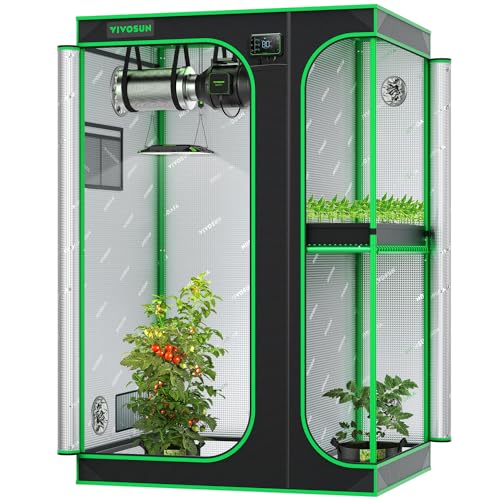

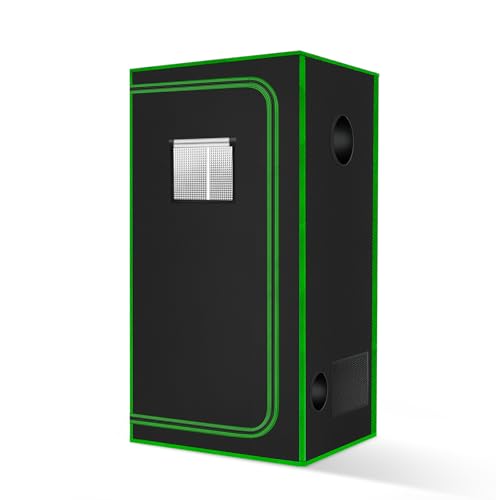
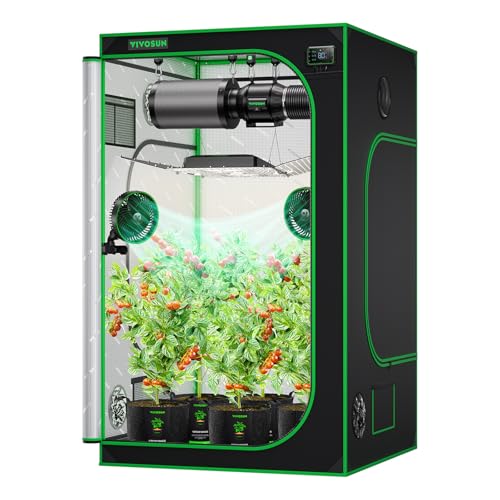
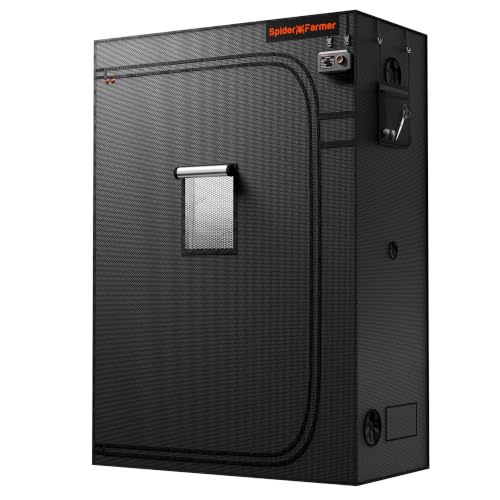
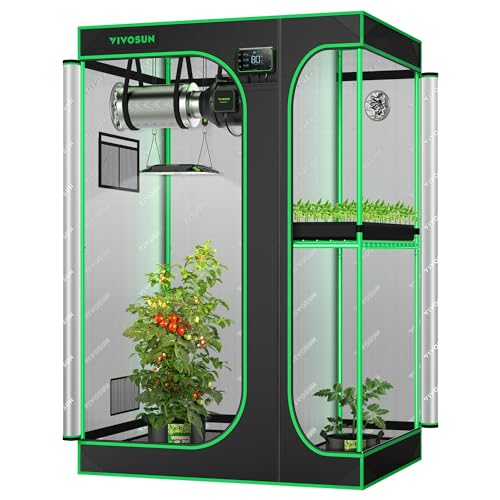
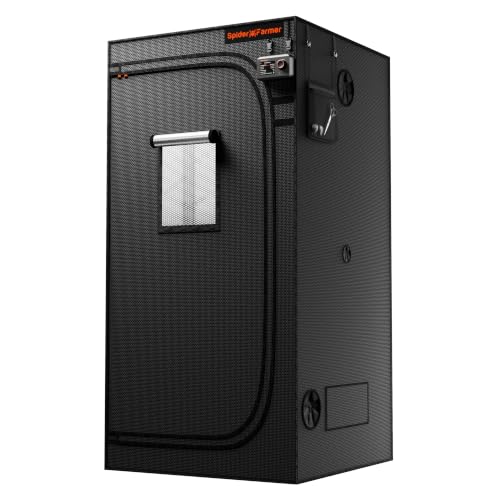
Reflective Interior Fabric and Light-Proofing
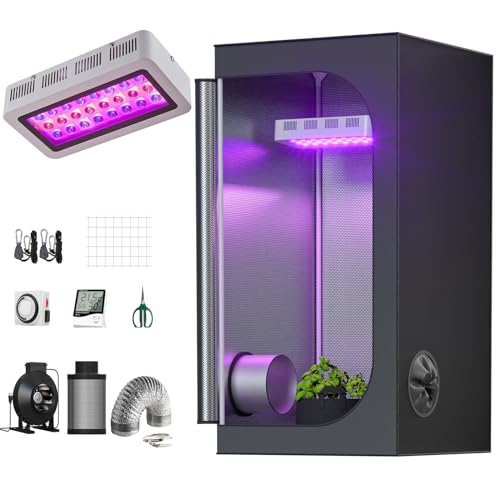
Every grow tent relies on its interior lining to bounce light back onto the plant canopy instead of losing it to dark corners. Most tents use a diamond-patterned mylar lining, which scatters light more evenly than a flat silver surface and helps reduce hot spots directly under the fixture. Cheaper linings look shiny in photos but can be thin enough to crease permanently, and those creases create dull patches that waste light.
Light-proofing matters just as much as reflectivity. Photoperiod plants need a genuinely dark rest cycle, and even small light leaks through seams or zippers can disrupt that cycle over time. The outer fabric's denier rating, essentially a measure of thread thickness, is a reliable predictor of how well a tent blocks stray light and resists tearing. Fabric in the 600 denier range is generally considered the minimum for a fully lightproof, tear-resistant build, while heavier fabric holds up better to repeated setup and teardown.
Double-Stitched Seams and Zip Flaps
Look closely at the seams and zipper flaps, since these are the most common spots for light to escape. Double-stitched seams with a fabric flap covering each zipper track block light far more effectively than a single layer of stitching.
Matching Tent Size to Your Grow Light and Plant Count
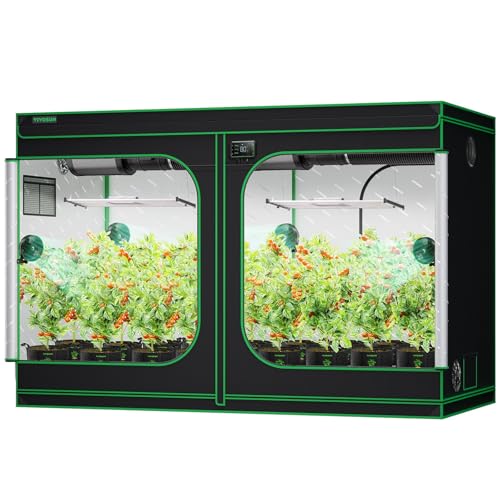
Tent size should follow your grow light and plant plans, not the other way around. A compact footprint suits one or two plants grown for propagation or a small personal harvest, while a larger footprint gives multiple plants room to spread their canopy without crowding. Many of the best indoor grow tents on the market share similar baseline specs at each size tier, so sizing is really where individual growing goals diverge.
Height deserves as much attention as floor space. You need enough vertical room for the plant's mature height, the light fixture and its hanging hardware, and a pot or tray at the base, plus a few inches of adjustment room so you can raise the light as the canopy grows. A tent that feels tall enough when empty often feels cramped once a fixture, ducting, and clip fans are installed.
Leaving Room to Move
Beyond the plants themselves, factor in space to walk around the tent for maintenance, and clearance above it for ducting to run to a window or exhaust point. A tent pushed right up against a wall or ceiling limits airflow and makes daily checks harder than they need to be.
Ventilation Ports and Airflow Setup
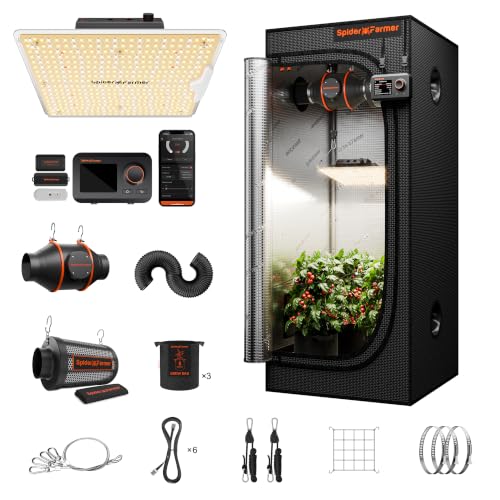
Ventilation is what keeps a sealed tent from turning into a hot, stagnant box. At minimum, you want one intake port and one exhaust port, positioned so an inline fan can pull fresh air in low and push warm, humid air out high. Larger tents benefit from extra ports for a carbon filter, a secondary fan, or simply more flexibility in routing ducting around obstacles in the room.
Port diameter needs to match your fan and ducting size, since a mismatch forces you to use adapters that restrict airflow. Check the following before you commit to a tent:
- One intake port and one exhaust port at minimum, more on larger tents
- Port diameter that matches your fan and ducting size
- Drawstring cinches or sleeves to seal unused openings tightly
- Mesh-covered passive vents near the base for extra intake
Planning for a Carbon Filter
If odor control matters for your setup, confirm the tent has enough interior height and a sturdy enough support bar to hang a carbon filter alongside the light. Filters add weight and length, and a tent with marginal height or a flimsy top bar will struggle to support both.
Frame Strength and Ease of Setup
The frame carries the full weight of your light, fans, filter, and ducting, so pole thickness and joint quality matter more than they might seem. Thicker, powder-coated steel poles resist bowing under a loaded top bar, while thinner poles can sag over months of continuous use. Metal corner connectors tend to hold up better than plastic ones, especially if you plan to break the tent down and rebuild it more than once.
Setup design affects how much patience the tent demands on day one and every time you need to access it afterward. Poles that snap together without extra tools, along with clearly labeled pieces, make first-time assembly far less frustrating. Roll-up mesh windows and low observation ports let you check on plants without opening the main flap and disturbing light or climate control.
Frequently Asked Questions
What size grow tent do I need for two plants?
A compact tent around 2x2 to 2x4 feet usually fits two plants comfortably, especially if you plan to prune for a shorter, bushier shape rather than letting them grow tall.
How thick should grow tent fabric be?
Look for fabric rated at least 600 denier. That thickness is generally enough to block light leaks and resist tearing through repeated setup and teardown.
Do I need a carbon filter with every tent?
Not always. A carbon filter mainly matters if odor control is a concern, such as growing in a shared living space, but ventilation itself is still necessary for temperature and humidity control.
How many ventilation ports should a grow tent have?
At minimum, one intake and one exhaust port. Larger tents benefit from four to six ports total to accommodate a filter, extra fans, and flexible ducting routes.
Can I use a grow tent in an apartment?
Yes, as long as you have a nearby outlet, a way to vent warm air, and enough floor space for the tent plus a bit of clearance around it for airflow and access.
How tall should a grow tent be for flowering plants?
Most flowering setups need at least 6 feet of interior height once you account for the plant's mature size, the hanging light fixture, and adjustment room as the canopy grows.
Do reflective mylar linings really improve yield?
A high-quality diamond mylar lining bounces more usable light back onto lower and side growth, which can meaningfully improve even coverage compared to a flat or dull interior surface.
Building a Grow Space That Actually Works
The details covered here, fabric denier, port placement, frame strength, matter more than overall size once you start running lights and fans continuously. In practice, the best indoor grow tents for your space are the ones that match your ventilation plan and grow light footprint, not simply the largest or shiniest option available.