Best Keyless Entry Door Locks: A Complete Buying Guide
Disclosure: We may earn a commission when you buy through links on this page, at no extra cost to you. As an Amazon Associate I earn from qualifying purchases. Learn more

Losing a house key, getting locked out after a long shift, or fumbling for keys with your arms full of groceries are the small daily frustrations that push people toward a keypad lock. Among the best keyless entry door locks, keypad models stand apart from app-connected smart locks because they skip the smartphone entirely. You punch in a code, the bolt turns, and that's the whole transaction. No pairing, no firmware updates, no account to manage. This guide focuses specifically on that simpler category: locks built around a physical keypad and a PIN code, designed for households that want to ditch the metal key without taking on a full smart home system.
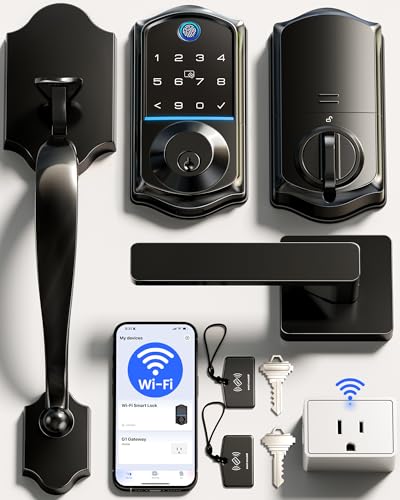
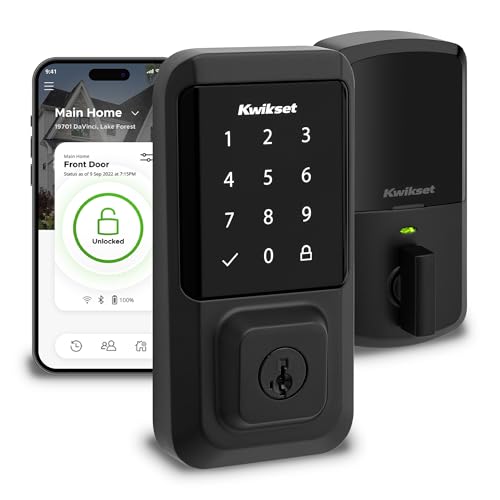
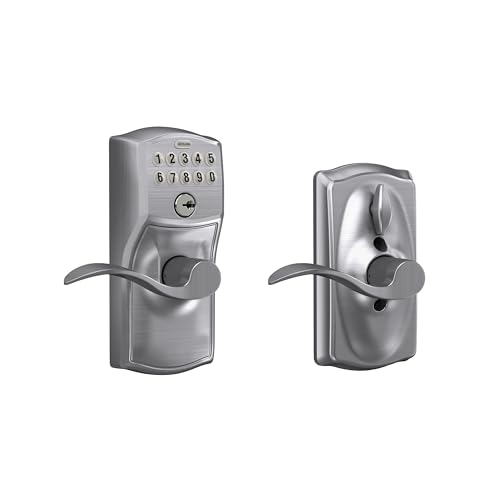
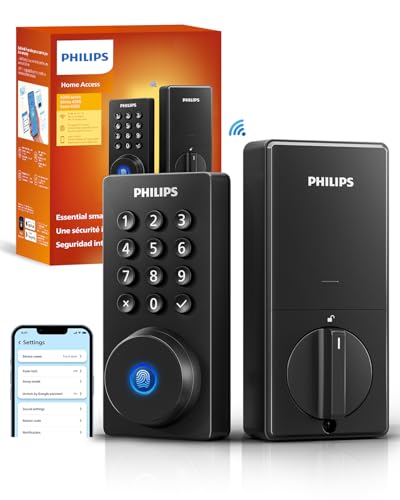
Core Features That Actually Matter
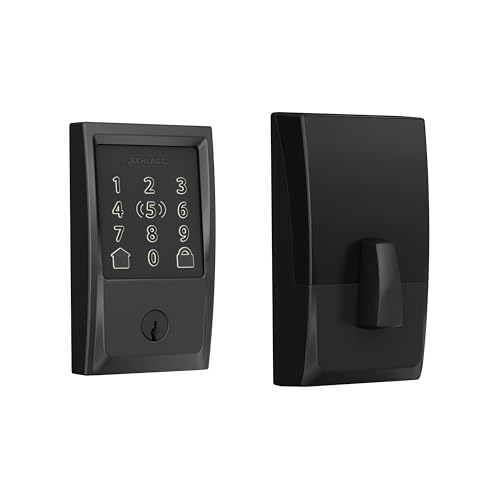
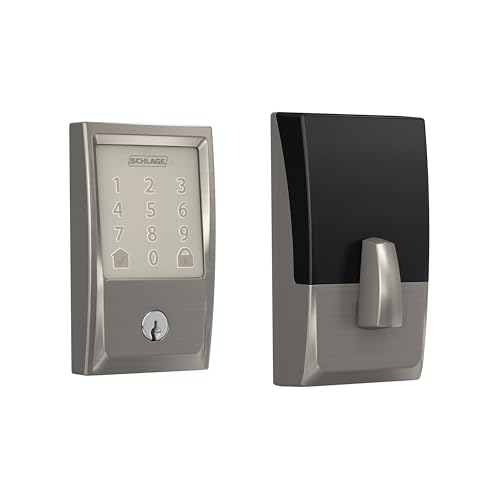
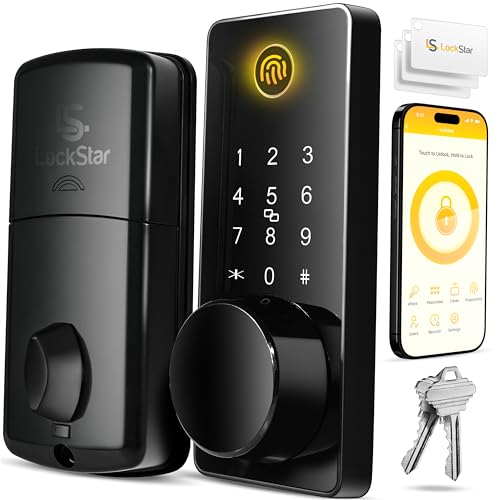
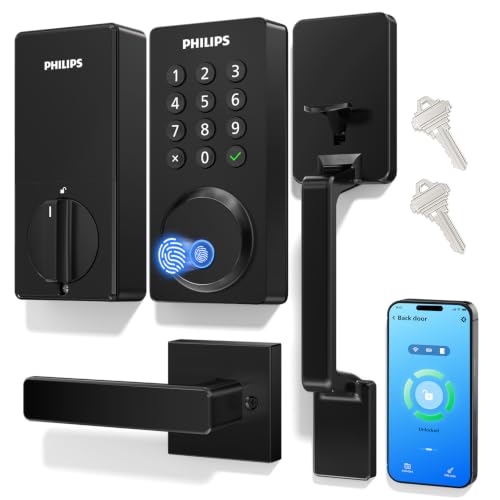
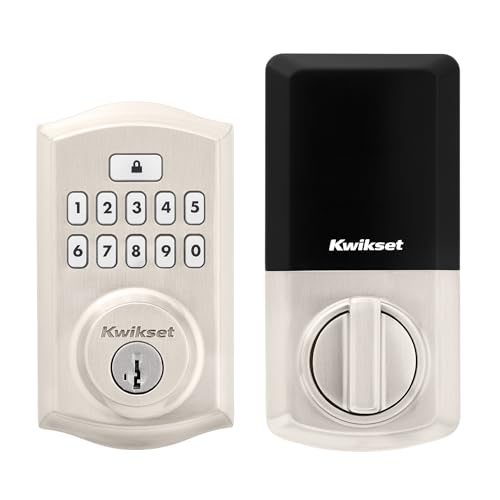
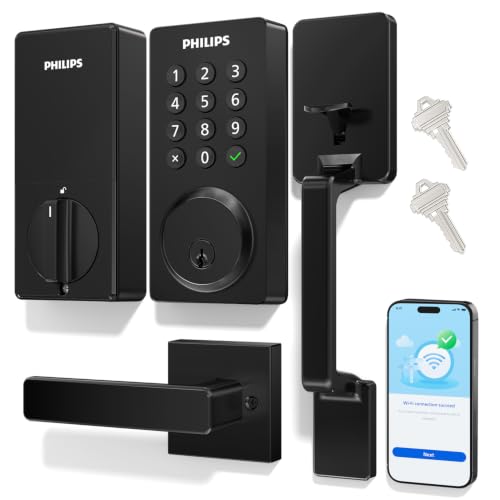
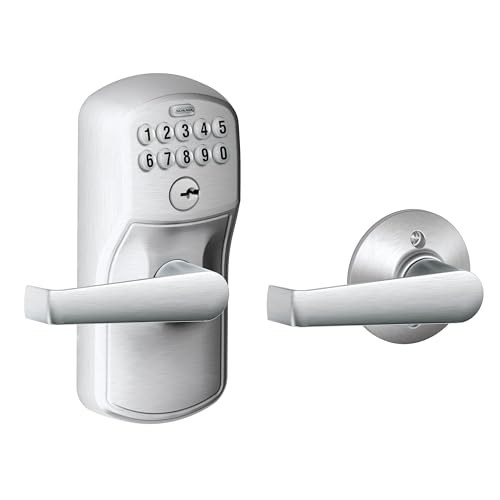
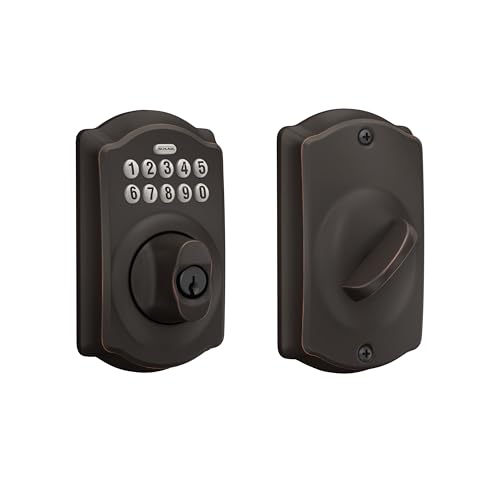
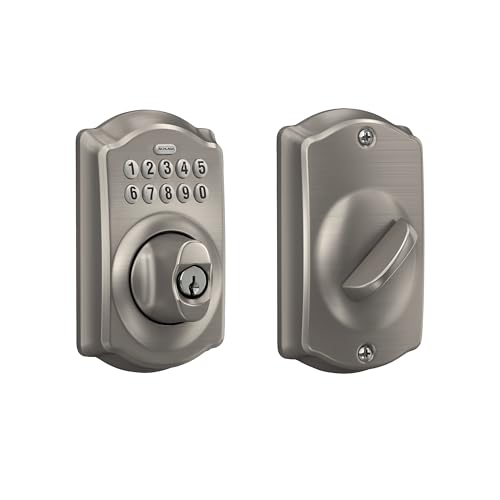
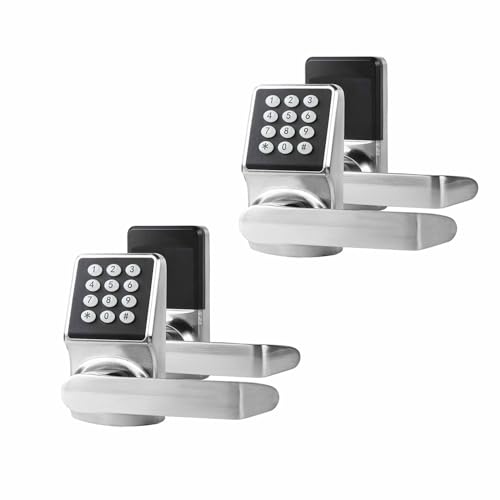
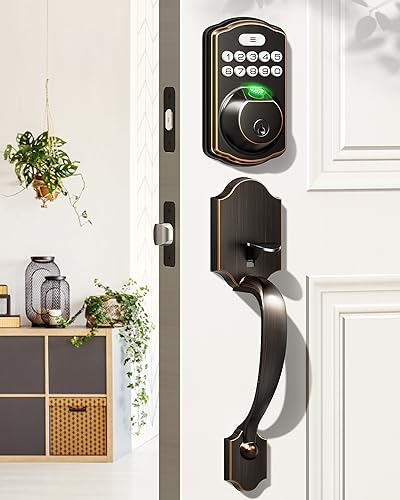
Not every keypad lock is built the same way, and the specs that matter most for the best keyless entry door locks are easy to overlook if you just compare photos. Start with code capacity. A lock that only stores four or five codes is fine for a small household, but a family with kids, a dog walker, and a cleaning service will run out of slots fast. Look for a model that supports at least a dozen separate codes so you can assign one per person instead of sharing a single code with everyone.
Battery type and battery life matter just as much. Most keypad locks run on four AA batteries and last anywhere from six months to two years depending on how often the door gets used. A lock that warns you with a beep or a blinking light well before the batteries die is worth more than one that simply stops working without notice.
Physical Key Backup
Even the best keypad lock should include a mechanical key override. Batteries fail, keypads get worn out by weather, and a backup key slot means you are never fully locked out. Treat this as a non-negotiable feature rather than a nice extra.
Why Skip the App and Go Keypad-Only
Smart locks that pair with a phone app offer remote access and activity logs, and that setup works well for some households. But plenty of buyers deliberately choose a keypad-only lock instead, and the reasons are practical rather than nostalgic. There is no app to install, no account to create, and no ongoing subscription fee for cloud features you may never use. If your Wi-Fi goes down or your phone battery dies, a standalone keypad lock keeps working exactly the same way.
This simplicity also matters for who actually uses the door. Kids can memorize a four-digit code long before they are trusted with a smartphone. Grandparents who find touchscreens frustrating can punch numbers on a keypad without a second thought. Guests do not need to download anything or grant Bluetooth permissions just to let themselves in. For households where ease of use outweighs remote monitoring, a keypad-only lock is often the more reliable choice, and it remains one of the best keyless entry door locks precisely because there is less to go wrong.
Managing Codes for Guests and Family
One of the real advantages of a keypad lock is how easily you can control who gets in and when, without touching a single wire. Most models let you create a temporary code for a house sitter, a contractor, or a visiting relative, then delete it the moment they no longer need access. That beats handing out a spare key you may never get back.
Changing Codes When Circumstances Change
After a breakup, a falling-out with a neighbor, or simply after selling a home, changing a keypad code takes a minute or two through the lock's programming menu. Compare that to rekeying a traditional lock, which usually means calling a locksmith. Set a habit of rotating your main code every few months, especially if service providers or short-term renters have had access.
Some models also support a one-time-use code that expires after a single entry, which is handy for a delivery or a repair visit when you would rather not share your everyday code at all.
Standing Up to Weather and Daily Wear
An exterior keypad takes more abuse than almost any other part of your door hardware. It gets rained on, baked by direct sun, and pressed dozens of times a day by fingers that are not always clean or dry. Look for a lock rated for outdoor use, ideally with a weather resistance rating listed in the product specs rather than just a vague claim of being "weatherproof."
Rubber-sealed buttons and a backlit keypad help on two fronts: sealed buttons resist moisture intrusion, and backlighting means you can still see the numbers on a dark porch in winter. Over time, the most frequently pressed digits on any keypad tend to wear down or fade faster than the rest. A metal keypad face holds up noticeably better than a plastic one exposed to years of sun and touch.
Fitting a Keypad Lock to Your Door
Most keypad deadbolts are designed as a retrofit, meaning they replace only the deadbolt cylinder while your existing door handle or knob stays in place. This is the simpler and cheaper route, and it is what most homeowners choose when upgrading an existing door. A full keyless entry set that replaces both the deadbolt and the handle offers a more uniform look but costs more and takes longer to install.
Before ordering, measure your door's thickness and backset (the distance from the door's edge to the center of the bolt hole). Standard residential doors range from about 1 3/8 to 1 3/4 inches thick, and most keypad locks list a compatible range on the packaging. Getting this measurement wrong is the most common reason a DIY installation stalls halfway through.
Frequently Asked Questions
Do keypad locks work without Wi-Fi or a smartphone?
Yes. Standalone keypad locks operate entirely offline using a PIN code entered on the keypad itself. No internet connection, app, or phone is required for daily use.
How many codes can a typical keypad lock store?
Most residential models hold between 10 and 30 codes, though some go higher. Check the listed capacity before buying if you plan to give unique codes to several family members or regular visitors.
What happens if the batteries die?
Almost every keypad lock includes a mechanical key override for exactly this situation. Many models also warn you with a low-battery indicator days or weeks before they stop working entirely.
Can someone see my code by watching the keypad wear pattern?
It is a real risk on cheap keypads, since the most-used digits can look more worn than the rest. Choosing a lock with evenly lit or randomized keypad entry, and wiping the buttons occasionally, reduces this concern.
Is a keypad lock as secure as a traditional deadbolt?
A quality keypad deadbolt uses the same bolt and strike plate hardware as a standard mechanical deadbolt, so physical security is comparable. Security depends more on the lock's build grade and installation quality than on whether it has a keypad.
Can I install a keypad lock myself?
Most retrofit keypad deadbolts are designed for DIY installation with basic tools in under an hour, provided your door thickness and backset match the lock's specifications.
How do I change the code after moving into a new home?
Nearly every keypad lock lets you reset the master code through a simple in-menu process, usually by holding a programming button and entering a new sequence. Always do this immediately after moving in.
Deciding If a Keypad Lock Fits Your Household
A keypad lock earns its place by doing one job well: getting you through the door without a physical key, with no app or subscription required. If your household values that straightforward reliability over remote monitoring and smartphone control, it is worth prioritizing code capacity, battery backup, and weather resistance over extra connected features. Match those basics to your door's measurements and you will end up with a lock that works quietly for years.