Best Home Smart Door Lock: A Complete Buying Guide
Disclosure: We may earn a commission when you buy through links on this page, at no extra cost to you. As an Amazon Associate I earn from qualifying purchases. Learn more

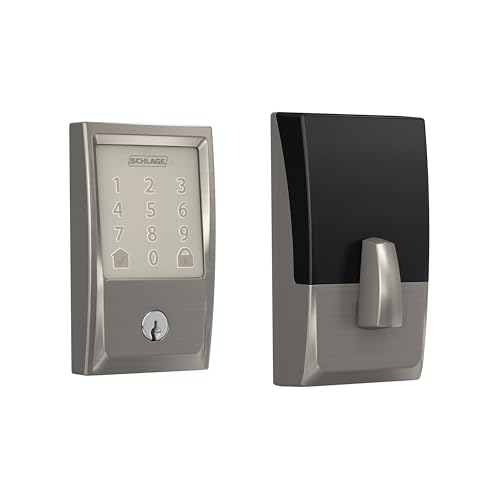
Finding the best home smart door lock for your household comes down to matching the entry method, connectivity, and installation style to how your family actually lives. Some homes need a simple keypad that works even when the internet is down. Others want full app control, remote guest codes, and a live tamper alert sent straight to a phone. There is no single lock that fits every door or every routine, so the right choice depends on your deadbolt type, your home network, and who needs access day to day. This guide breaks down the real tradeoffs, from entry methods and connectivity to installation and everyday use, so you can narrow the field with confidence before you buy.
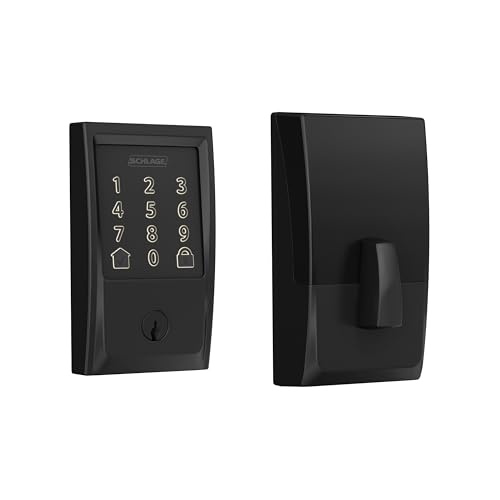
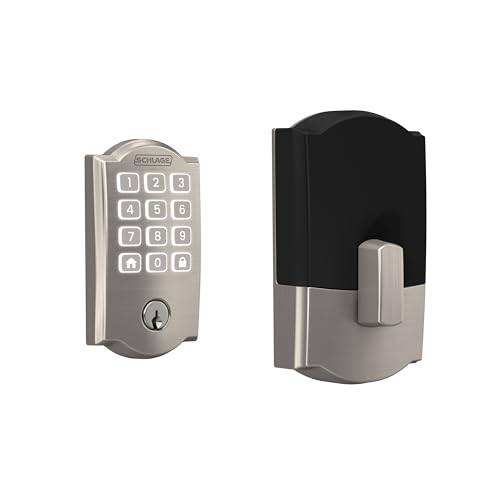
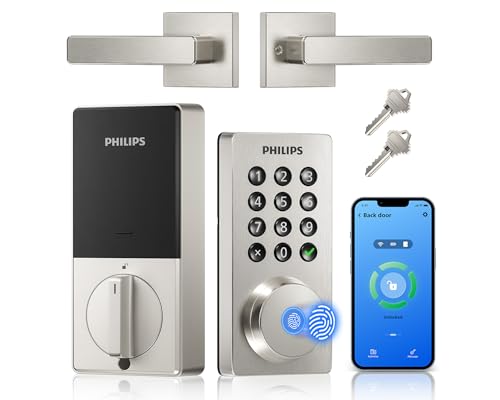
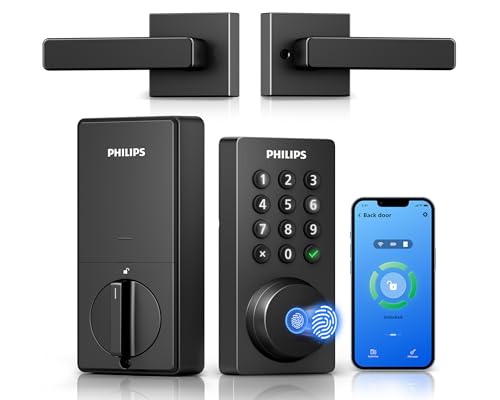
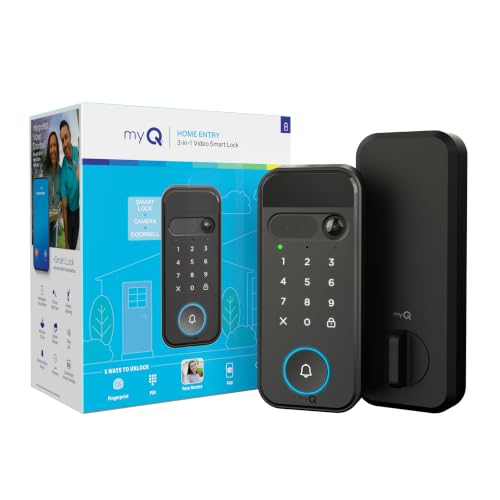

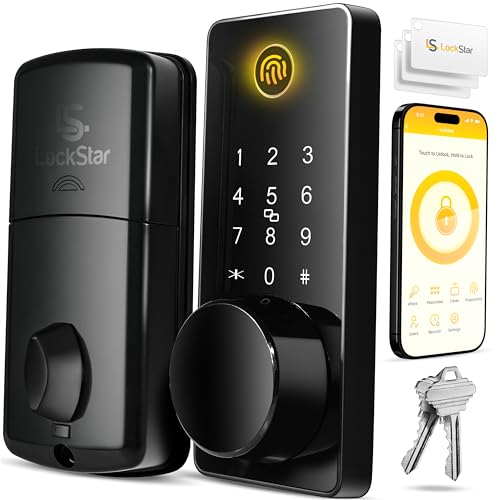
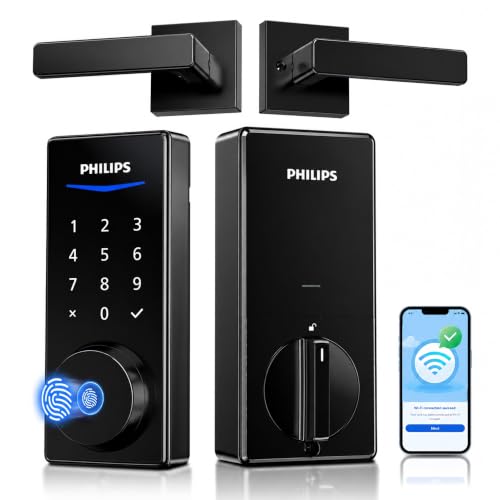
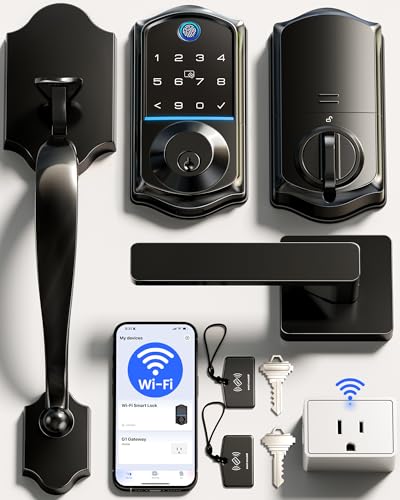
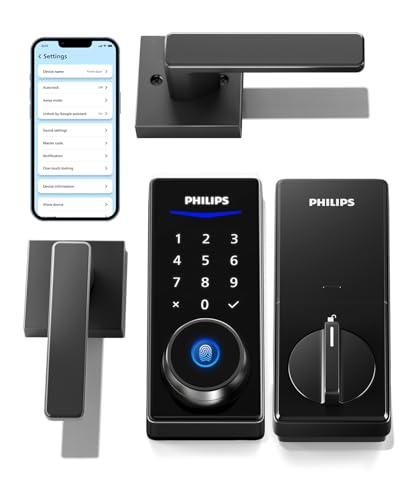
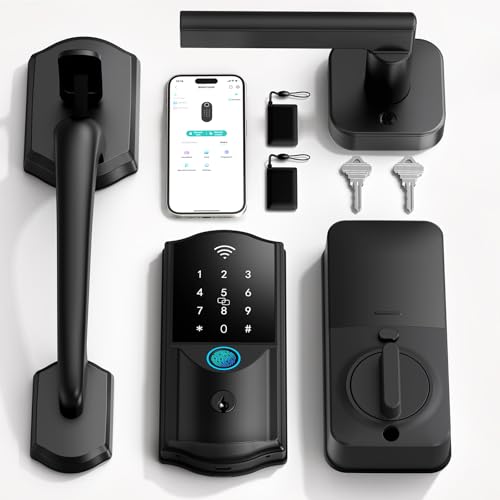
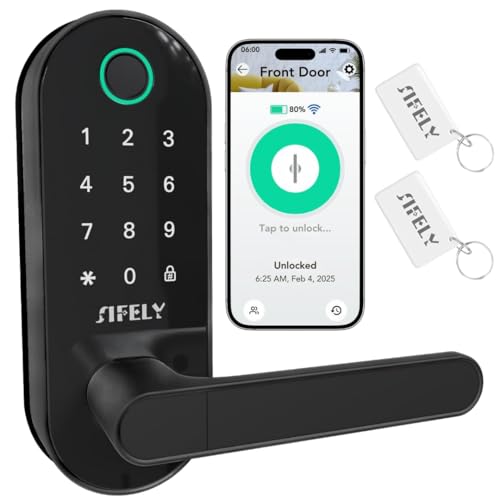
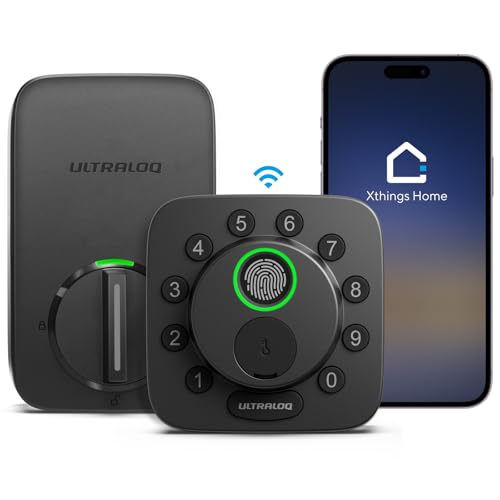
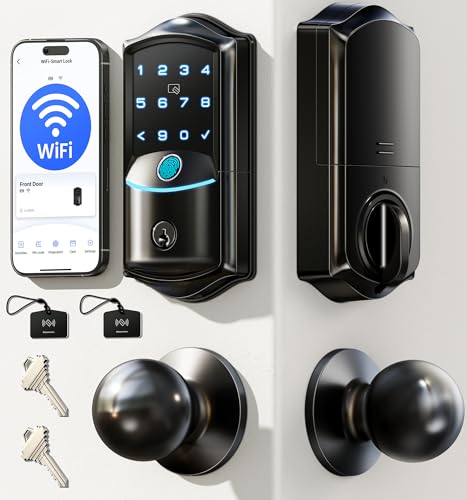
Choosing How You Unlock the Door: Keypad, App, or Fingerprint
Every smart lock offers at least one alternate way to get inside, and most combine two or three. A best home smart door lock for one household might lean on a keypad, while another relies almost entirely on a phone app. Each method has a different balance of speed, convenience, and battery drain.
Keypad entry
A numeric keypad is the most dependable option because it works without a phone, an app, or even a network connection in many models. Kids and guests can memorize a code in seconds. Keypads also tend to sip battery power since they are not constantly checking a wireless signal.
App-only access
App-based locks let you unlock from across the house or across the country, which is handy for letting in a dog walker while you are at work. The tradeoff is that a dead phone battery or a spotty connection can leave you standing outside, so app-only locks work best as a secondary method rather than your only one.
Fingerprint scanning
Fingerprint readers unlock in under a second and are especially useful for anyone whose hands are full of groceries or who has difficulty typing a code. They do draw more battery than a basic keypad, so check the manufacturer's estimated battery life, which typically runs from six months to over a year depending on how often the door is used.
Matching Connectivity to Your Home Network
How a lock talks to your phone and the internet affects both convenience and long-term reliability. Built-in Wi-Fi locks connect directly to your router, so you get remote access and push notifications without buying anything extra. That constant connection does shorten battery life compared with other options.
Bluetooth-only locks skip the internet entirely and just talk to your phone when you are within range. That saves battery and avoids any dependence on your router, but you lose the ability to check the lock status or send a guest code when you are away from home.
A third group uses a separate hub or bridge that plugs into your router and handles the Wi-Fi communication on the lock's behalf. This setup often delivers the best of both worlds: remote access plus longer battery life, since the lock itself only needs a short-range radio. Before buying, check whether the lock works with the smart home ecosystem you already use, since some models integrate more smoothly with voice assistants and existing automations than others.
Encryption, Backup Keys, and Tamper Alerts
Security is the whole point of a lock, so it deserves real scrutiny beyond the marketing copy. Look for a lock that uses current encryption standards for any wireless communication between the lock, the app, and your home network, rather than an older or proprietary protocol with no public security review.
A physical key backup matters more than it seems. Batteries die, electronics fail, and firmware updates occasionally go wrong, so a lock with a traditional keyway or an external power port to jump-start a dead battery keeps you from being locked out entirely. Tamper and forced-entry alerts are another feature worth prioritizing since they notify you the moment someone tries to pry, drill, or repeatedly guess a code at the door, giving you a chance to respond before real damage is done.
Finally, ask how the lock handles a lost or stolen phone. The best systems let you instantly revoke that device's access and rotate any shared codes without needing to reset the entire lock.
Retrofit or Full Replacement: Fitting the Lock to Your Door
Most smart locks fall into two installation categories, and picking the right one saves a lot of frustration. A retrofit model attaches to your existing deadbolt from the inside, leaving the exterior keyway untouched. Installation usually takes fifteen to thirty minutes with a screwdriver and no drilling.
A full replacement swaps out the entire deadbolt assembly, inside and out, which gives you more design and feature options but requires more precise measurements. Before ordering either type, measure your door's thickness and the backset, which is the distance from the edge of the door to the center of the existing bore hole. Standard doors and backsets fit the vast majority of locks, but older or custom doors sometimes need an adapter kit or professional installation.
Everyday Situations Where a Smart Lock Earns Its Keep
Beyond the basic pitch of not carrying keys, smart locks solve specific daily headaches. Families with kids who come home before a parent can set up a personal code for each child, so there is no spare key hidden under a mat. Parents can also see a log of exactly when each code was used. If you are weighing a smart lock alongside other connected devices, it pairs naturally with a broader home security setup that already tracks entry and motion around the property.
Temporary codes are another strong use case. Dog walkers, cleaners, and contractors can get a code that only works during specific hours or on specific days, then expires automatically without you having to track down a spare key afterward. For landlords and short-term rental hosts, this same feature means a new code for every guest and no rekeying between stays. Pairing the lock with a video doorbell at the front entry adds a visual record of who actually used each code, which many rental hosts find reassuring.
Frequently Asked Questions
Do smart locks work during a power outage?
Yes. Smart locks run on internal batteries, not household power, so a blackout does not affect the lock itself. Only your Wi-Fi router or hub may go offline, which can temporarily limit remote features.
What happens when the battery dies?
Most locks send low-battery warnings to your phone weeks in advance. Many models also include an external contact or a physical key so you are never locked out even if the battery dies unexpectedly.
Can I still use a physical key with a smart lock?
Most smart deadbolts include a traditional keyway as a backup, though some app-only or fingerprint-first models skip it entirely. Check this feature specifically if a physical backup matters to you.
Will a smart lock fit my existing door?
Most standard interior and exterior doors with a common backset work with the majority of smart locks. Measure your door thickness and backset before ordering, and look for models that explicitly list compatibility with your deadbolt style.
Are smart locks safe from hacking?
Locks that use current encryption standards, require two-factor authentication for the app, and receive regular firmware updates are considerably harder to compromise than older or unsupported models. Keeping the lock's firmware and your account password current is the biggest factor you control.
Do I need a hub to use a smart lock?
It depends on the model. Some locks connect directly to Wi-Fi with no extra hardware, others rely on Bluetooth alone, and some require a separate hub for remote access. Check the connectivity type before buying if remote access matters to you.
How many user codes can a typical lock support?
This varies by model, but many residential locks support anywhere from a handful of codes up to several dozen, which is generally enough for a family plus regular guests, cleaners, and service providers.
Bringing It All Together
The best home smart door lock is the one that matches your door, your household's habits, and how much remote control you actually want day to day. Once you have settled on an entry method, connectivity type, and installation style that fit your home, the rest of the decision becomes much easier to narrow down.