Best Single Serve Coffee Maker 2026: Top 19 Picks for American Homes
Disclosure: We may earn a commission when you buy through links on this page, at no extra cost to you. As an Amazon Associate I earn from qualifying purchases. Learn more
Looking for the best Best single serve coffee maker in 2026? We analyzed 19 options to help you find the right one for your needs and budget.
Finding a reliable best single serve coffee maker sounds simple until you realize just how many options are crowding the market right now. Whether you are tired of brewing a full pot only to dump half of it down the drain, or you are juggling different coffee preferences in the same household, a quality single serve machine can genuinely change your morning routine for the better. The challenge is that not every machine delivers on its promises, and with so many competing brands pushing similar specs, it is easy to end up with something that brews lukewarm coffee, clogs after a few weeks, or simply cannot handle ground coffee alongside pods.
That is exactly why we put this guide together. After comparing 19 of the most talked-about models available in 2026, our team analyzed everything from brew temperature consistency to compatibility with both K-Cup pods and loose grounds. We looked at real user feedback, evaluated brand reputations, and broke down the specs that actually matter versus the ones that are just marketing noise. Whether you are shopping on a tight budget or ready to invest in a premium brewer, this guide covers what you need to know before spending a single dollar.







Best Single Serve Coffee Maker Buying Guide: What to Look for
Compatibility with Pods and Ground Coffee
One of the most important factors to consider is whether the machine supports both K-Cup pods and loose ground coffee. Many entry-level brewers lock you into one format, which limits your flexibility and long-term cost savings. A good single serve coffee maker should include a reusable filter basket or a dual-input system so you can switch between pods and fresh grounds without buying extra accessories. For everyday users who want variety without hassle, this dual compatibility is a feature worth prioritizing from the start.
Brew Temperature and Consistency
Brew temperature is one of the most overlooked specs in this category, yet it directly affects flavor extraction. Coffee brewed below 195 degrees Fahrenheit tends to taste flat and under-extracted, while anything above 205 degrees can scorch the grounds and produce bitterness. Look for machines that specify a brewing range between 195 and 205 degrees and maintain that temperature consistently across multiple cups. Our research shows that machines with a built-in thermal heating system rather than a basic coil heater tend to perform more reliably over time.
Cup Size Options and Brew Strength
Flexibility in cup sizing matters more than most buyers realize before they actually start using the machine daily. A machine that only brews a single 8-ounce cup will frustrate anyone who wants a travel mug topped off or a smaller, stronger espresso-style shot. The best options in 2026 offer at least three brew sizes, typically 6, 8, and 12 ounces, along with a brew strength selector for regular and bold settings. If you frequently make iced coffee drinks, look specifically for a machine that includes a concentrated brew mode designed for pouring over ice.
Brewing Speed
Nobody wants to stand in front of a coffee maker for five minutes at 6 a.m. waiting for a single cup to finish. Brew time for a single serve machine should ideally fall between 60 and 90 seconds for a standard 8-ounce cup once the machine has warmed up. Machines with a fast auto-heat function that reaches operating temperature in under 30 seconds are especially valuable for busy mornings. Based on our analysis, slower machines are often cheaper upfront but create daily frustration that outweighs any initial savings.
Water Reservoir Size and Removability
The water reservoir on a single serve brewer might seem like a minor detail, but it significantly affects how convenient the machine is to use daily. A reservoir that holds at least 40 ounces means you will not be refilling it every single morning, which adds up to a lot of saved time over a year. Even more important is whether the reservoir is removable for easy filling at the sink, since fixed reservoirs are notoriously awkward to fill without making a mess. Look for reservoirs with a wide-mouth opening and a secure locking mechanism to prevent leaks during operation.
Build Quality and Ease of Cleaning
A single serve coffee maker that is difficult to clean will develop mold and mineral buildup faster than you might expect, which affects both taste and machine longevity. Descaling compatibility and dishwasher-safe components are strong indicators of a machine designed for real-world use rather than just impressive box specs. Machines with a removable drip tray, accessible needle for pod puncturing, and a clear descaling indicator light make routine maintenance far less of a chore. Our research shows that machines rated highly for long-term durability almost always feature tool-free cleaning access and straightforward descaling instructions.
How We Selected Our Top Picks
Our selection process for the best single serve coffee maker options started with a pool of 19 models evaluated during October 2026. We began by analyzing detailed product specifications, focusing on brew temperature range, cup size flexibility, reservoir capacity, and compatibility with both pod and ground coffee formats. We cross-referenced manufacturer claims against verified user feedback from thousands of reviews across major retail platforms, filtering out outlier reviews and focusing on patterns that pointed to consistent performance or recurring issues. Brand reputation and after-sales support were also factored in, since a great machine backed by poor customer service creates headaches down the line.
From there, we assessed overall value by comparing feature sets against price points across budget, mid-range, and premium tiers. We weighted criteria based on what real users consistently cited as their top priorities, including brew speed, ease of cleaning, and dual-format compatibility. Products that scored well across multiple categories and demonstrated strong long-term user satisfaction were elevated to our final shortlist. The result is a curated set of recommendations designed to serve a wide range of coffee drinkers, from minimalists who want a fast morning cup to enthusiasts who want more control over their brew.
Tips for Getting the Most from Your Best Single Serve Coffee Maker
Use Filtered Water for Better Flavor and Longevity
Tap water contains minerals and chlorine that directly affect how your coffee tastes and how quickly scale builds up inside your machine. Using filtered water or bottled water with a neutral mineral profile produces noticeably cleaner, brighter flavor from the same pod or grounds you have always used. Beyond taste, filtered water significantly slows the rate of calcium and limescale buildup inside the heating element, which is one of the leading causes of reduced brew temperature and eventual machine failure. If your tap water is particularly hard, consider running a descaling cycle every four to six weeks instead of the standard three-month recommendation.
Preheat Your Cup Before Brewing
One of the most common complaints about single serve coffee makers is that the coffee cools down too quickly, and in many cases the cup itself is the culprit. A cold ceramic mug can drop your brew temperature by as much as 10 to 15 degrees the moment coffee hits the bottom. Before you brew, run a quick rinse of hot water into your mug, let it sit for 30 seconds, then dump it out before placing it under the spout. This simple habit keeps your coffee at the ideal drinking temperature longer without changing anything about the machine itself.
Store Your Pods and Ground Coffee Properly
Even the best single serve coffee maker cannot save stale coffee, and improper storage is one of the most common reasons a cup tastes flat or off. K-Cup pods should be stored at room temperature away from direct sunlight and humidity, not in the refrigerator where condensation can compromise the foil seal. If you use a reusable filter with ground coffee, buy smaller quantities more frequently rather than storing a large bag for weeks, since ground coffee begins losing its aromatic compounds within days of opening. An airtight canister kept in a cool, dark cabinet is the simplest upgrade you can make to your daily brew quality.
Run a Monthly Cleaning Cycle Even If the Light Has Not Come on
Most single serve brewers include a descaling indicator, but waiting for that light to appear before cleaning means you are already dealing with some degree of buildup affecting your brew. Running a monthly rinse cycle with a diluted descaling solution, even on a machine that shows no warning, keeps internal components clear and maintains consistent water flow through the brew needle and heating chamber. Additionally, wipe down the pod holder and drip tray weekly with a damp cloth to prevent coffee oil residue from developing an off-putting smell. Machines that are cleaned proactively consistently outperform neglected ones in long-term user satisfaction surveys.
Frequently Asked Questions About Best Single Serve Coffee Maker
Can a Single Serve Coffee Maker Use Regular Ground Coffee?
Yes, most modern single serve coffee makers are designed to work with both K-Cup pods and regular ground coffee through a reusable filter cup. The key is to check whether the machine includes a reusable filter basket in the box or sells one as a compatible accessory. When using ground coffee, a medium grind works best for most machines since a grind that is too fine can clog the needle and restrict water flow. Using your own grounds is also a great way to reduce per-cup costs and experiment with specialty roasts that are not available in pod format.
How Long Does a Single Serve Coffee Maker Typically Last?
With proper maintenance, a quality single serve coffee maker should last between three and five years under daily use, and many well-built models exceed that range. The biggest factors affecting lifespan are descaling frequency, water quality, and how often the machine is used at maximum brew capacity. Brands that use stainless steel internal components and offer replaceable parts tend to last longer than those built primarily with plastic internals. Based on our research in 2026, machines in the mid-range and premium price tiers consistently receive higher long-term durability ratings from verified buyers.
Is a Single Serve Coffee Maker Worth it Compared to a Drip Machine?
For households with one or two coffee drinkers who prefer different roasts or brew strengths, a single serve coffee maker almost always makes more practical sense than a traditional drip machine. You eliminate wasted coffee, reduce cleanup time, and gain the flexibility to brew everything from a light morning cup to a concentrated iced coffee base. The tradeoff is that per-cup cost with pods is higher than bulk ground coffee used in a drip machine, though using a reusable filter with your own grounds closes that gap considerably. For larger households where everyone drinks the same coffee, a drip machine may still be the more economical choice.
What is the Difference Between Hot and Iced Brew Modes?
An iced brew mode on a single serve coffee maker brews a smaller, more concentrated volume of coffee designed to be poured directly over a glass full of ice without becoming watered down. Standard hot brew modes extract at a normal ratio, which dilutes significantly when poured over ice and results in a flat, weak drink. Machines with a dedicated iced coffee setting adjust both the water volume and extraction intensity to compensate for ice dilution. If you drink iced coffee regularly, this feature is worth seeking out specifically rather than trying to improvise with a hot brew setting.
How Often Should I Descale My Single Serve Coffee Maker?
Most manufacturers recommend descaling every three months under average use, but the actual frequency depends heavily on your local water hardness and how many cups you brew per day. If your machine starts brewing more slowly, producing less steam, or if the coffee tastes increasingly bitter or flat, those are signs that mineral buildup is affecting performance before the indicator light appears. Using a manufacturer-approved descaling solution rather than a generic vinegar rinse is generally recommended since vinegar can leave a residual odor that affects flavor. Keeping a simple monthly reminder on your phone is an easy way to stay ahead of buildup without waiting for visible symptoms.
Final Verdict
Choosing the right single serve coffee maker comes down to matching the machine's strengths to your actual daily habits. The best models in 2026 offer dual compatibility with pods and grounds, fast brew times, and straightforward cleaning, but the right pick depends on whether you are prioritizing budget, everyday reliability, or premium performance.
- Best Overall: KIDISLE Single Serve Coffee Maker for K Cup and Ground Coffee, which earns its top spot by delivering consistent brew temperature, genuine dual-format flexibility, and a build quality that holds up to daily use without constant maintenance.
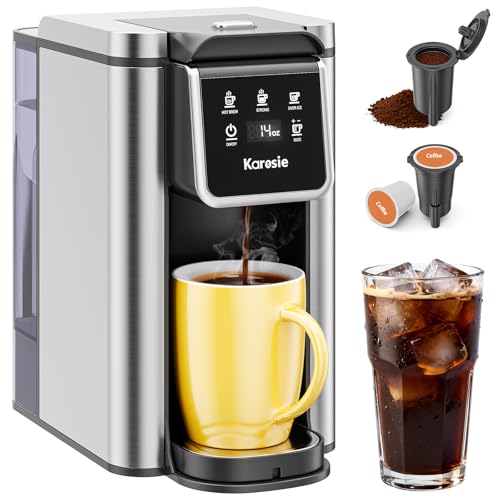
- Best Value: Hot and Iced Single Serve Coffee Maker for K Pod and Grounds by Karosie, which stands out for offering both hot and iced brew modes at a price point that makes it accessible without sacrificing the features that matter most.
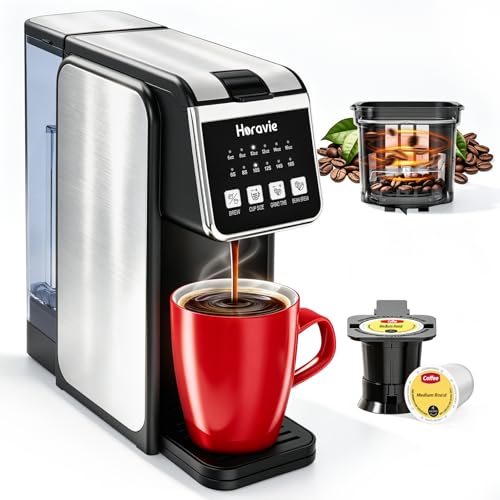
- Best Premium: Horavie Single Serve Coffee Maker for K-Cup Pod and Ground, which justifies its premium positioning with refined brewing performance, polished design, and reliable temperature control across every cup size.
No matter where you land on the budget spectrum, this guide gives you the framework to make a confident, well-informed purchase. Use the buying criteria above to narrow your options and match the machine to your actual lifestyle rather than just the highest rating.