Best InSinkErator Garbage Disposal: Complete Buying Guide
Disclosure: We may earn a commission when you buy through links on this page, at no extra cost to you. As an Amazon Associate I earn from qualifying purchases. Learn more

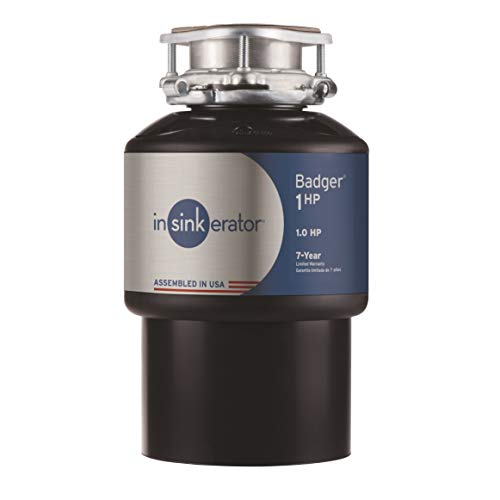
A garbage disposal that struggles with everyday scraps, rattles loudly every time you run it, or jams up during a busy dinner prep can turn a simple kitchen chore into a headache. If your current unit is on its last legs or you are outfitting a new kitchen, finding the best InSinkErator garbage disposal for your household comes down to matching a few key specs, motor horsepower, grind stages, feed type, and noise insulation, to how you actually cook and how your home's plumbing is set up. This guide walks you through everything you need to know before you buy, so you can choose confidently from InSinkErator's lineup without getting lost in marketing jargon.
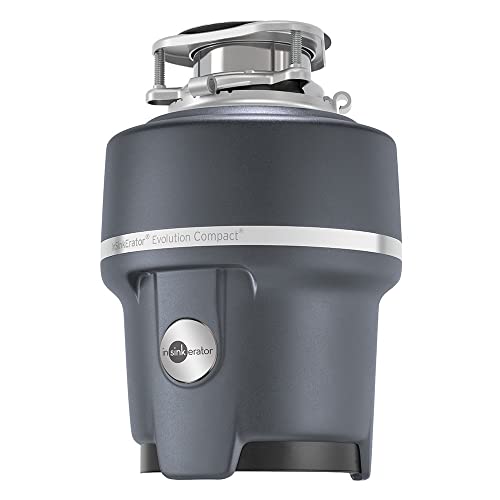

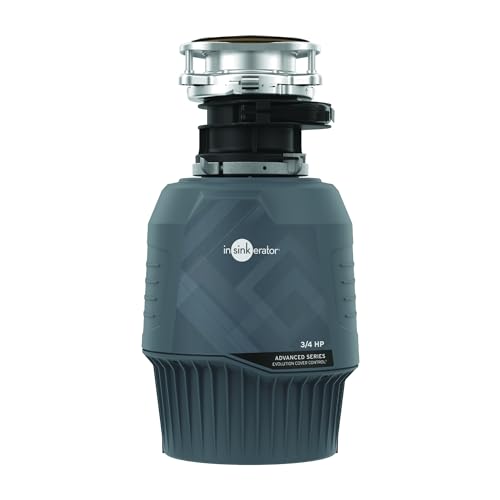
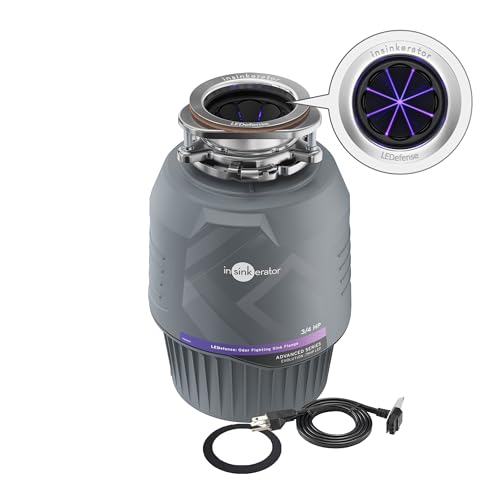
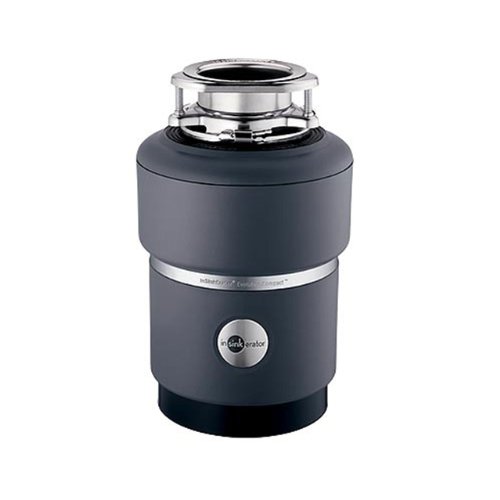
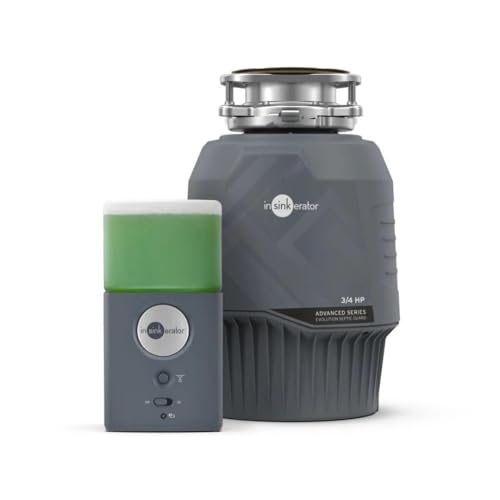

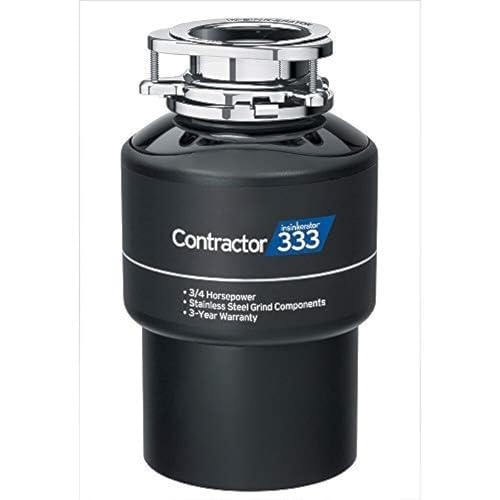
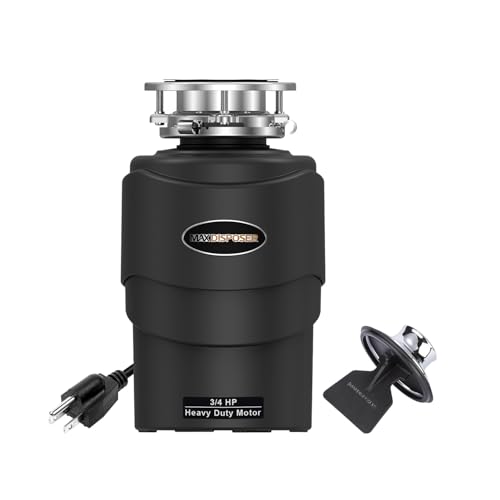


What to Look for When Choosing an InSinkErator Garbage Disposal
InSinkErator has built its reputation on durable, American-designed disposals, but the lineup spans several tiers of power and features. Before you compare options, it helps to understand what actually separates a basic unit from a premium one. If you want a broader look at the category beyond a single brand, our garbage disposal buying guide covers the same core specs in more depth.
Motor Horsepower and Grind Capacity
Horsepower determines how much torque the motor can deliver to the grind chamber, which directly affects how well a disposal handles tough scraps like celery strings, potato peels, or small bones. Light users who mostly rinse plates and process soft food waste can get by with a 1/3 to 1/2 HP motor. Households that cook daily, especially larger families, tend to do better with 3/4 HP or higher, since a stronger motor grinds faster, jams less often, and puts less strain on itself over time.
Number of Grind Stages
Grind stages refer to how many times food waste passes through the grinding mechanism before it exits into the drain line. A single-stage disposal grinds once and sends waste on its way, which works fine for light, non-fibrous scraps. A multi-stage disposal, InSinkErator garbage disposal models with two or three stages, breaks food down more thoroughly, which means fewer clogs, smoother flow through your pipes, and better performance with harder items like fruit pits or fibrous vegetable stalks.
Continuous Feed vs. Batch Feed
Continuous feed disposals turn on with a wall switch and let you keep adding scraps while the motor runs and water flows. They are the more common style, generally more affordable, and easier to use for quick daily cleanup. Batch feed disposals require you to load waste into the chamber first, then cover it with a stopper that acts as the on switch. They cost a bit more but are quieter and safer around curious hands, which makes them a popular pick for households with young kids.
Noise Insulation
Sound insulation is one of the most noticeable differences between entry-level and premium disposals. Basic units often have little more than the outer housing between the grind chamber and your ears, while higher-tier models add sound-dampening padding, isolation mounts, or a sealed shroud around the motor. If your kitchen opens onto a living or dining area, or you simply want to run the disposal without interrupting conversation, prioritize a model built with noise reduction in mind.
Septic-Safe Design
If your home relies on a septic system, look for an InSinkErator garbage disposal labeled septic safe. These units typically use finer, multi-stage grinding so less solid material reaches the tank, and some include enzyme-friendly components that will not disrupt the bacterial balance your septic system depends on. Even with a septic-safe unit, using a garbage disposal regularly still adds to your tank's solids, so factor that into your pumping schedule.
Build Materials and Corrosion Resistance
Grind components made from stainless steel resist corrosion and hold their edge longer than galvanized steel, which matters most if you live somewhere with hard water or plan to keep the unit for many years. Stainless components also tend to handle acidic food waste, like citrus peels or tomato scraps, without breaking down as quickly.
Understanding InSinkErator's Lineup by Tier
Rather than get hung up on individual model names, it is more useful to think of InSinkErator's garbage disposal options in three general tiers.
Entry-Level Tier
An entry-level InSinkErator garbage disposal is typically a compact, continuous-feed unit with modest horsepower and a single grind stage. This tier suits renters, small households, or anyone who wants a reliable replacement without paying for features they will not use.
Mid-Range Tier
Stepping up gets you more horsepower, two-stage grinding, and often better corrosion-resistant components. This tier fits most families who cook regularly and want a noticeable jump in grinding power and reliability over a basic model.
Premium Tier
At the top of the lineup you will find three-stage grinding, the strongest motors, and the most advanced sound insulation InSinkErator offers. These units are built for heavy daily use, larger households, and kitchens where quiet operation is a priority.
How to Match a Disposal to Your Household
Once you understand the specs, the next step in choosing an InSinkErator garbage disposal is thinking about how your kitchen actually gets used day to day.
Small Households and Light Cooking
If you live alone, as a couple, or mostly cook simple meals, an entry-level or mid-range continuous feed model with a single or two-stage grind will usually cover your needs without overspending.
Large Families and Frequent Meal Prep
Bigger households generate more food waste and put more daily wear on a disposal. A higher horsepower motor with two or three grind stages will keep up better, jam less, and last longer under that kind of consistent use.
Homes on Septic Systems
Look specifically for septic-safe labeling and prioritize multi-stage grinding, since finer waste particles are easier on your tank and drainfield over the long run.
Open-Concept and Noise-Sensitive Kitchens
If your kitchen is open to a living space, or you simply dislike the roar of a typical disposal, spend the extra money on sound insulation. It is one of the few upgrades you will notice every single time you flip the switch.
Installation and Maintenance Basics
Most InSinkErator disposals mount using a quick-lock style system that lines up with the same sink flange and dishwasher inlet used across the lineup, which makes swapping an old unit for a new one relatively straightforward for anyone comfortable with basic plumbing. That said, if your kitchen is also due for other plumbing upgrades, it is worth handling them together rather than making separate trips under the sink. A worn or leaky kitchen faucet often gets replaced around the same time as a disposal, since both jobs mean shutting off the same water supply lines.
The disposal's discharge tube also connects directly to your dishwasher drain line, so it is worth checking that connection while you are already under the sink. If your dishwasher is aging or was never draining quite right, this is a natural point to address it instead of revisiting the plumbing again later.
Once installed, a few habits go a long way toward extending the life of any disposal. Always run cold water, not hot, while grinding, since cold water helps solidify grease so it gets chopped up rather than coating the chamber. Avoid pouring fibrous scraps like celery, corn husks, or onion skins down in large amounts, and never use a disposal as a trash can for bones, grease, or non-food items. A quick monthly rinse with ice cubes and a bit of dish soap helps knock loose buildup and keeps blades sharp.
Common Mistakes to Avoid
Shopping for an InSinkErator garbage disposal is straightforward once you know what matters, but a few avoidable missteps trip up first-time buyers.
- Choosing horsepower based on price alone instead of how often you actually cook
- Ignoring noise insulation and being surprised by how loud the unit runs once installed
- Skipping the septic-safe check if your home is not on municipal sewer
- Assuming all continuous feed units are equally safe around kids, when a batch feed model may fit better
- Overlooking corrosion resistance in homes with hard or acidic water
- Forgetting to confirm the unit fits your existing sink flange and dishwasher connection before buying
Frequently Asked Questions
What horsepower do I need for a garbage disposal?
For light use, 1/3 to 1/2 HP is usually enough. If you cook daily or have a larger household, 3/4 HP or higher will grind faster and hold up better over time.
Is a two-stage or three-stage grind better?
Three-stage grinding produces a finer result and handles tougher scraps with fewer clogs, but two-stage models still perform well for typical household cooking and cost less.
Is an InSinkErator garbage disposal septic safe?
Many models in the lineup are labeled septic safe and use finer, multi-stage grinding designed to be gentler on a septic tank. Check the product listing for septic-safe certification before buying.
How loud are garbage disposals?
Noise varies widely by tier. Entry-level units can be quite loud, while premium models with sound insulation run noticeably quieter, sometimes dramatically so.
Continuous feed or batch feed, which is safer?
Batch feed disposals are generally considered safer because the stopper acts as a physical barrier and switch, which reduces the risk of accidental contact while the unit runs.
How long does a garbage disposal typically last?
With regular care, most units last around seven to fifteen years, with higher-tier models on the longer end of that range thanks to sturdier components.
Do I need a plumber to install a garbage disposal?
Many homeowners with basic plumbing experience can install a disposal themselves, especially with a quick-lock mounting system. If your setup involves rewiring, unusual pipe configurations, or you are simply not comfortable working under the sink, hiring a plumber is a safer bet.
Final Thoughts
The best InSinkErator garbage disposal for your kitchen is the one that matches your household's cooking habits, plumbing setup, and tolerance for noise, not necessarily the most powerful or most expensive option on the shelf. Focus on horsepower, grind stages, feed type, and insulation, and you will land on a unit that handles daily use without giving you problems down the road.