
Best Heat Transfer Printers (2026 Buying Guide)
Disclosure: We may earn a commission when you buy through links on this page, at no extra cost to you. As an Amazon Associate I earn from qualifying purchases. Learn more
"Heat transfer printer" covers a few genuinely different technologies once you start shopping, and picking the wrong one for your project type is the single most common frustration first-time buyers run into. A printer set up for sublimation won't work the same way as one set up for iron-on transfer paper, and a dedicated DTF (direct-to-film) printer is a different category entirely; each suits different fabrics, materials, and order volumes.
This guide walks through the real differences between sublimation, iron-on transfer, and DTF printing, plus what to check before buying so the printer you pick actually matches the products you want to make: t-shirts, mugs, tumblers, or something else entirely.
Sublimation vs. Iron-On Transfer Paper: Know the Difference First
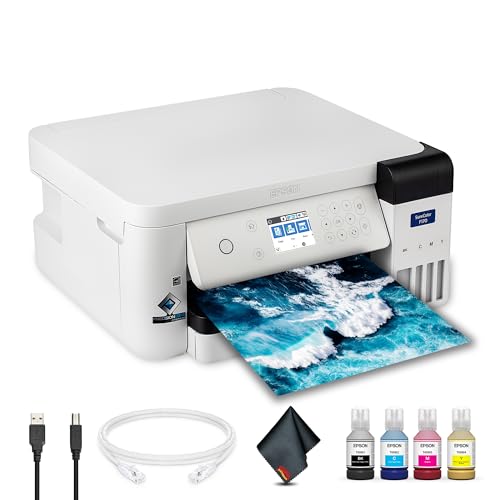
Sublimation printing uses special sublimation ink that turns to gas under heat and bonds permanently into polyester fabric or polymer-coated hard goods (mugs, tumblers, phone cases). It requires a printer converted or built for sublimation ink; you can't just print sublimation designs on a regular inkjet printer with regular ink. Iron-on transfer paper, by contrast, works with any standard inkjet or laser printer; you print onto special transfer paper, then iron or heat-press it onto cotton or blended fabric. Sublimation gives a permanent, fully integrated result but only works on polyester and specially-coated blanks; iron-on works on cotton and more fabric types, but the print sits on top of the fabric rather than bonding into it, so it can crack or fade with repeated washing.
What Is DTF (Direct-to-Film) Printing?
DTF is a newer process where designs print onto a special PET film with a powder adhesive, then get heat-pressed onto virtually any fabric type: cotton, polyester, blends, even dark fabrics without needing a white base layer the way some other methods require. DTF printers cost significantly more than sublimation or iron-on setups but offer the widest fabric compatibility and are increasingly the choice for anyone doing higher-volume custom apparel work rather than occasional personal projects.

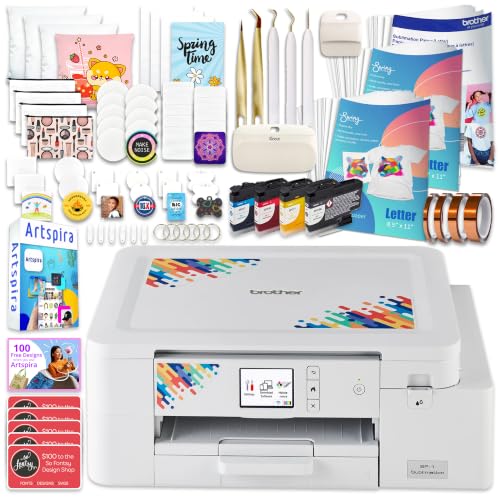
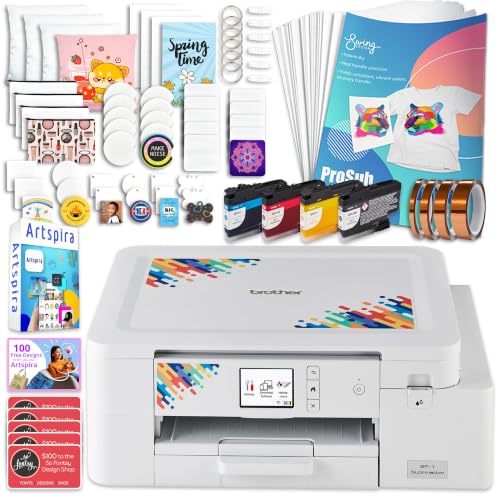
The Brother SP-1 Sublimation Printer Deluxe Bundle is purpose-built for sublimation from the box rather than being a converted general-purpose printer it comes with a full ink set and a stack of sublimation paper, which removes a lot of the setup guesswork that trips up first-time sublimation buyers converting a standard printer themselves.
Converted Inkjet vs. Purpose-Built Sublimation Printers
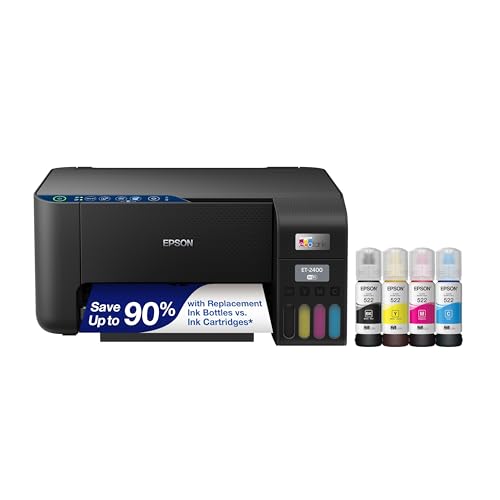
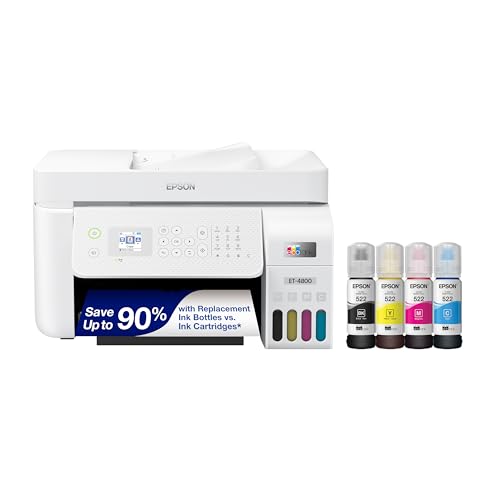
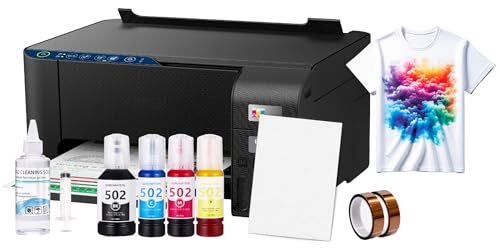
A common budget path into sublimation is converting a standard EcoTank-style inkjet printer (refillable ink tank models) with third-party sublimation ink instead of the manufacturer's regular ink. This is significantly cheaper upfront, and works well for hobbyists, but it typically voids the printer's warranty, and results can be less consistent than a printer designed and sold specifically for sublimation from the manufacturer. Purpose-built sublimation printers cost more but come warrantied for that exact use and typically ship with correctly profiled ink and color settings out of the box.

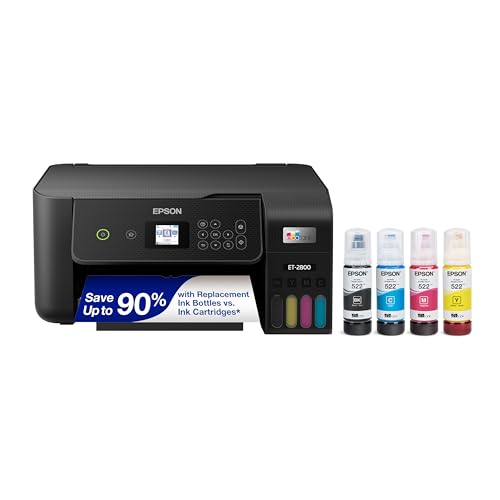
The Epson EcoTank ET-2800 is the most common starting point for the convert-your-own-sublimation-setup route, thanks to its refillable ink tanks and wide compatibility with third-party sublimation ink kits sold separately. It's worth noting this printer ships with regular ink for standard document/photo printing; converting it to sublimation is a separate step you'll need to research and do yourself, and it does affect the manufacturer warranty.
Print Size and What You're Actually Making
Standard desktop sublimation and iron-on printers handle letter/A4-size prints (8.5x11 or larger with A3 models), which covers most t-shirt designs, mug wraps, and small home goods. If you're planning larger designs, full-front hoodie graphics, large tumbler wraps, or blanket panels, check specifically for A3 or wide-format support, since not every model handles anything beyond letter size.

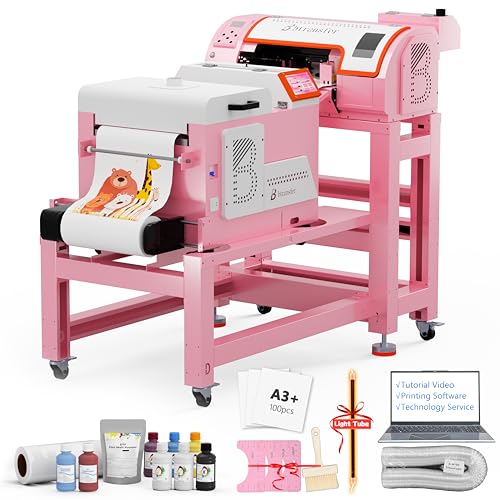
The A3 M1630 Pro DTF Printer Bundle sits at the professional end of this category: A3-size DTF printing with white ink capability (needed for printing on dark fabrics without a separate white base step), aimed at buyers running an actual small-batch apparel business rather than occasional personal projects. The price reflects that it's genuinely commercial-grade equipment, not a hobbyist upgrade.
Don't Forget the Heat Press
A printer alone doesn't finish the product; sublimation, iron-on, and DTF transfers all still need a heat press (or at minimum a household iron for small iron-on jobs) to actually bond the design onto the final material at the correct temperature and pressure. Some bundles include a heat press or starter heat-application tool; if yours doesn't, budget for one separately, since inconsistent heat and pressure are one of the most common causes of transfers peeling or fading prematurely.
Ink Costs and Ongoing Expenses
Refillable tank-style printers (EcoTank and similar) have meaningfully lower per-print ink costs than cartridge-based models, which matters a lot if you're printing regularly rather than occasionally. Sublimation and DTF inks specifically also tend to cost more per milliliter than standard document ink, so factor ongoing ink cost into the total budget, not just the printer's upfront price.
Design Software and File Compatibility
Most sublimation and DTF printers work through standard design software (Photoshop, Canva, or dedicated craft programs like Cricut Design Space) rather than requiring proprietary tools, but color management does matter; sublimation ink often renders colors differently than what's shown on screen, and getting accurate color matching usually takes some trial-and-error test prints, or downloading the printer manufacturer's ICC color profile if one is provided. DTF setups sometimes bundle RIP (Raster Image Processor) software specifically for controlling white ink layering on dark fabrics, which is worth checking for if you're buying a DTF-specific bundle rather than assembling one piece at a time.
FAQs
Can I use a regular printer for sublimation?
Not with regular ink; you need either a printer purpose-built for sublimation or a compatible printer converted with third-party sublimation ink cartridges/tanks. Using standard ink on sublimation paper won't produce a usable transfer.
What fabric works best with each method?
Sublimation requires polyester or poly-coated materials (100% cotton won't hold sublimation ink well). Iron-on transfer paper works on cotton and cotton-blend fabrics. DTF works on the widest range of fabric types, including cotton, polyester, and blends.
How much does it cost to get started with heat transfer printing?
A basic converted-inkjet sublimation setup (printer plus third-party ink and paper) can start under $250. Purpose-built sublimation bundles with a heat press commonly run $400-700. Professional DTF setups start in the $1,000+ range and can go well beyond that for commercial-volume equipment.
Do these printers work for both personal projects and a small business?
Entry-level converted or purpose-built sublimation printers work fine for personal projects and even a small side business at modest volume. If you're printing daily at real volume, a purpose-built or DTF printer designed for commercial use will hold up better and produce more consistent results than a converted consumer printer under heavy use.
Conclusion
Start by identifying what you're actually making and what fabric or material it's on; that decision alone rules out most of the wrong options. Sublimation suits polyester apparel and hard-goods blanks; iron-on transfer paper is the simplest entry point for cotton t-shirts; DTF is the most versatile but priciest option for serious or commercial-volume apparel work. Whichever you choose, budget for a proper heat press alongside the printer; it's just as important to final print quality as the printer itself.
