Best Handheld Electric Can Opener: A Complete Buying Guide
Disclosure: We may earn a commission when you buy through links on this page, at no extra cost to you. As an Amazon Associate I earn from qualifying purchases. Learn more
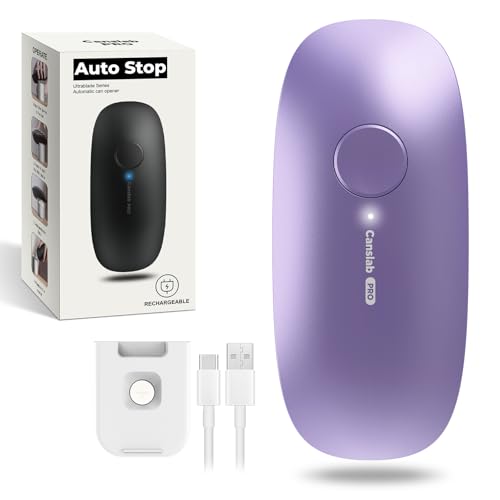
Choosing the best handheld electric can opener is less about brand hype and more about matching the tool to your hands, your pantry, and how often you cook from cans. A handheld electric opener trades the countertop footprint of a full-size unit for something you can grab from a drawer, run with one press, and stash away in seconds. The two things that separate a genuinely useful model from a frustrating one are the cutting method and the amount of hand effort it actually removes. Some units still ask you to squeeze a lever the entire time the blade works, which defeats the purpose if sore joints or weak grip strength are the reason you switched from a manual opener in the first place. This guide walks through what actually matters when you're picking one out, who gets the most benefit, and the questions people ask most before buying.


Smooth-Edge Cutting Versus Standard Blade Design
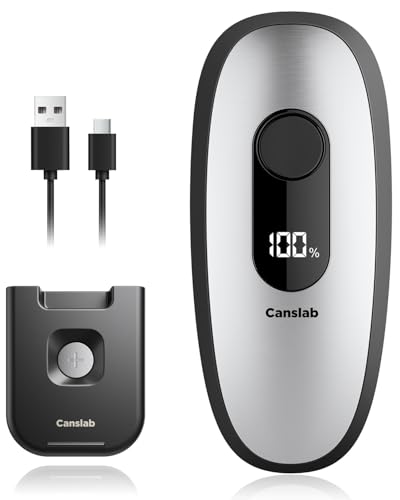
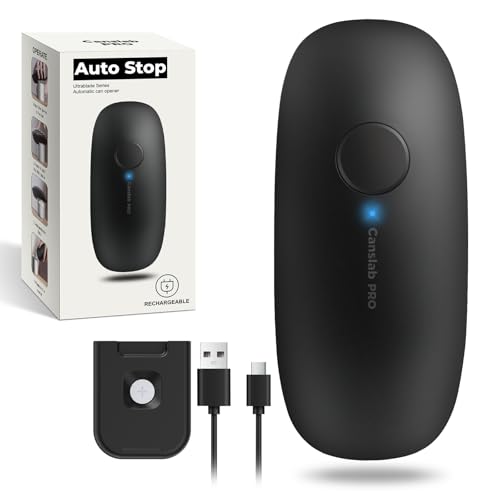
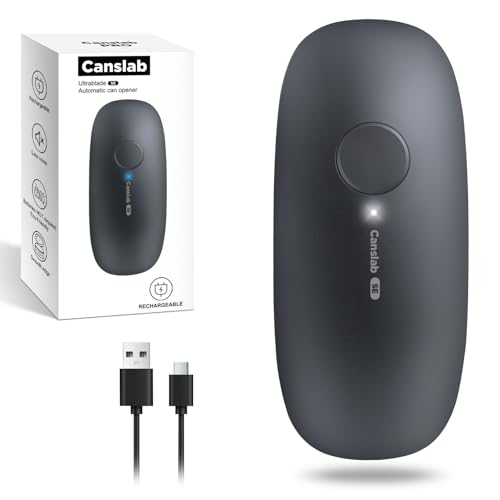
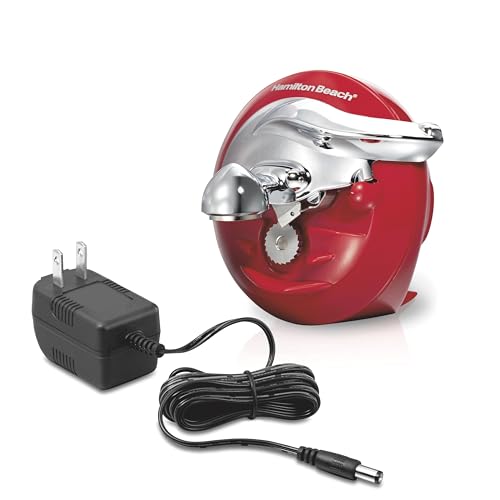
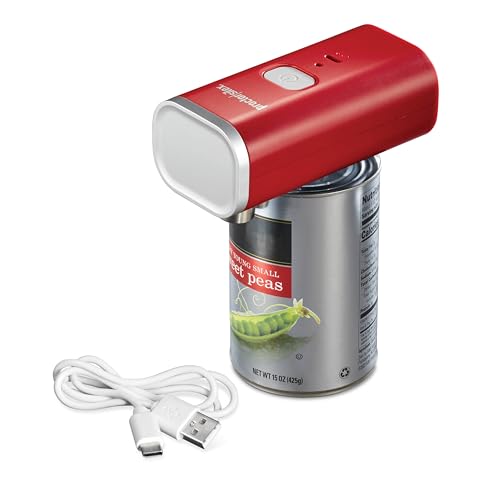
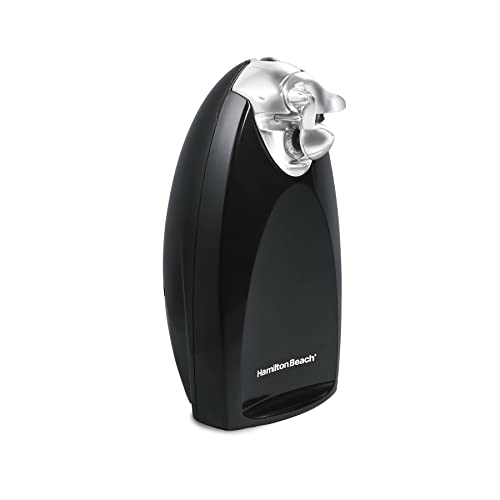
The single biggest difference between handheld electric openers is how the blade meets the can. Standard blade models pierce the top of the lid and cut downward through the metal, which leaves a sharp, slightly jagged edge on both the lid and the rim of the can. Smooth-edge models, sometimes called side-cut openers, grip the outer rim instead and cut along the side seam, so the lid pops free with a rounded edge and no exposed metal burr.
Why the Cutting Method Matters More Than Speed
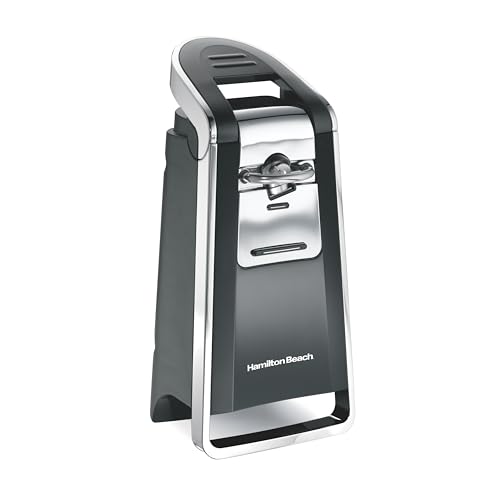
A faster opener isn't worth much if it leaves you nursing a cut finger while transferring food out of the can. Side-cut, smooth-edge designs also let the lid drop back onto the can cleanly, which is handy if you're storing leftovers in the original tin. Standard blade openers still show up in budget lineups because they're cheaper to manufacture, but most kitchens are better served by the smooth-edge version. If you want a broader comparison that includes larger countertop units alongside handheld ones, our guide to electric can openers built for busy kitchens breaks down that trade-off in more detail.
Who Benefits Most from a Handheld Electric Opener
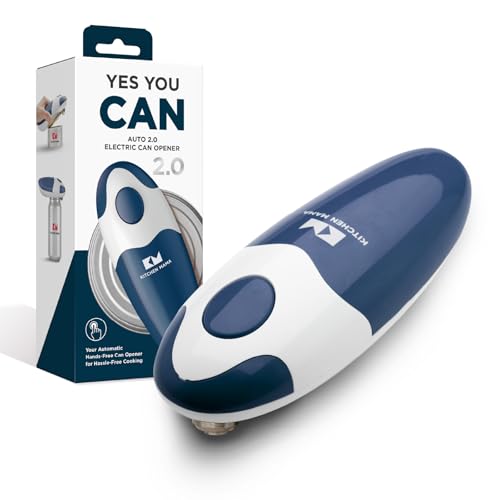
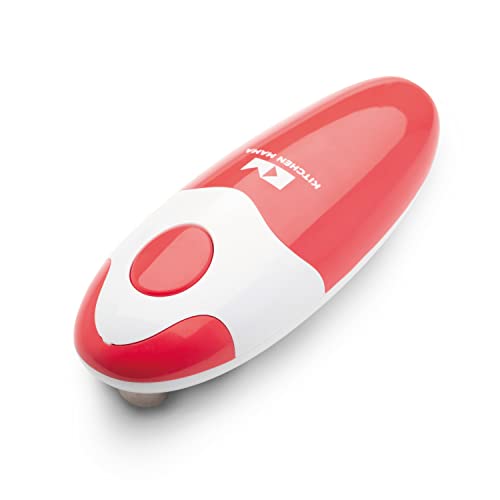
Anyone dealing with arthritis, tendonitis, or general hand weakness tends to notice the difference immediately. Manual openers demand a steady squeeze-and-crank motion that gets harder the longer it lasts, while a one-touch electric model does the rotating and cutting on its own once you clamp it onto the can. You just hold it in place and let the motor do the work.
Seniors living alone or anyone managing a chronic hand or wrist condition often find that a lightweight handheld unit restores independence in the kitchen without needing to ask for help opening dinner. Parents who let kids assist with meal prep also lean toward smooth-edge electric models, since there's no exposed blade edge to worry about mid-task. Even people with no hand issues at all appreciate the speed: a handheld opener typically finishes a standard can in under ten seconds, which adds up if you're prepping soups, beans, or pet food daily.
Battery Power: Rechargeable Versus Disposable Models
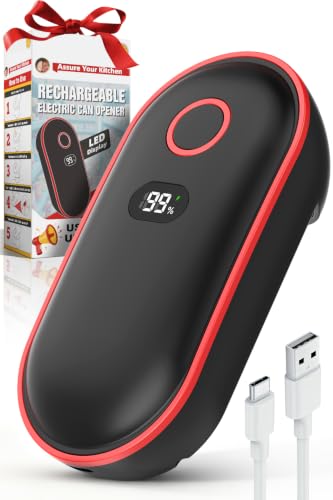
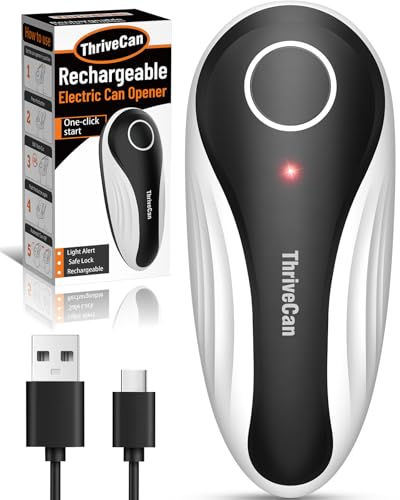
Most handheld electric openers run on either replaceable AA batteries or a built-in rechargeable cell you top up through a USB cable. Disposable battery models are convenient in a pinch since you can swap batteries anywhere, but the ongoing cost adds up if you open cans daily. Rechargeable models cost a bit more upfront and need occasional charging, but they typically hold enough power to open well over a hundred cans between charges, and you avoid buying batteries altogether.
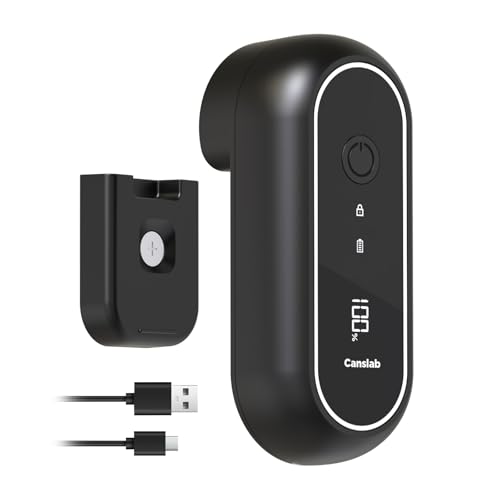
Charge time and battery indicator lights matter more than raw capacity for everyday use. A model with a visible charge light saves you from discovering a dead opener mid-recipe. If your household opens cans only occasionally, disposable batteries that last months without attention might actually be the simpler choice. Frequent cooks, on the other hand, usually prefer setting a rechargeable unit on a charging dock the same way they would a cordless phone.
Can Sizes and Shapes These Openers Can Handle
Not every handheld model clamps onto every can shape. Standard soup and vegetable cans are universally supported, but taller cans, oddly shaped pet food tins, and cans with unusually thick rims can trip up a jaw that isn't wide enough or a motor that isn't strong enough. Check the stated can-size range before buying if your pantry includes larger cans like coffee tins or family-size tomato sauce containers.
Pop-top cans generally don't need an opener at all, but some handheld models are designed to assist with stubborn pop-tops too, which is worth checking if hand strength is the main concern rather than can type. A wider jaw opening also makes the unit easier to position one-handed, which matters if you're bracing the can against a counter rather than holding it steady in your other hand. Once you line up cutting method, battery type, and can-size range side by side, spotting the best handheld electric can opener for your own pantry gets a lot easier.
Keeping the Cutting Head Clean and Hygienic
Food residue on the cutting mechanism is the most common complaint with electric can openers, especially with sticky contents like tomato sauce or syrup-packed fruit. Look for a model with a removable cutting head or gear assembly that you can rinse separately from the motor housing, since the housing itself usually can't be submerged.
Wipe the blade area after every use rather than letting residue dry and harden, which makes buildup much easier to remove and keeps the motor from working harder than it needs to. A small cleaning brush, often included with better models, helps clear residue from tight gear teeth that a sponge can't reach. Skipping this step doesn't just affect hygiene; a gummed-up mechanism is also the most common reason handheld openers stop cutting cleanly over time.
Frequently Asked Questions
Are handheld electric can openers actually better for arthritis than manual ones?
Yes, for most people. A one-touch electric model removes the repetitive squeezing and cranking motion that aggravates sore joints, replacing it with a single light press to start the cycle.
How long does the battery last on a handheld electric can opener?
It varies by model, but rechargeable units commonly open well over a hundred cans per full charge. Disposable battery models depend on battery quality, though light home use often lasts several weeks.
Can a handheld electric opener handle large cans like coffee tins?
Some can, but not all. Jaw width and clamp strength vary between models, so check the manufacturer's stated can-size range before assuming a larger container will fit.
Do smooth-edge openers really eliminate sharp edges completely?
They come very close. Side-cut blades leave a rounded rim rather than a jagged one, which is far safer for handling and storing leftovers, though you should still handle any freshly opened lid with care.
Is a handheld model better than a full-size countertop electric opener?
It depends on your kitchen. Handheld models save counter and drawer space and work well for smaller households, while countertop units often handle a wider range of can sizes with less manual positioning.
How do I clean an electric can opener without damaging the motor?
Remove the cutting head if it detaches and rinse it separately. Wipe the motor housing with a damp cloth only, since submerging it can damage the internal electronics.
Do handheld electric openers work on pop-top cans?
Many do, though it's worth confirming before buying if you regularly stock pop-top cans and want one tool that handles both styles without extra effort.
Making the Right Choice for Your Kitchen
The best handheld electric can opener for you is simply the one that matches how you cook, how many cans you open each week, and how much hand strength you want to save. Prioritize smooth-edge cutting and easy cleaning first, then let battery type and can-size range narrow the field based on your specific pantry.