Best Hand Vacuums: A Complete Buying Guide
Disclosure: We may earn a commission when you buy through links on this page, at no extra cost to you. As an Amazon Associate we earn from qualifying purchases. Learn more

Choosing among the best hand vacuums starts with admitting what these compact tools are actually for. A hand vacuum is not a shrunken stick vacuum, and it will never replace a full-size machine for whole-room carpet cleaning. Instead, it exists for the messes that happen between cleaning sessions: cracker crumbs on a car seat, sand tracked onto the entry mat, cat hair on a couch cushion. Because it is built around a single body with no floor head or long wand, everything about its design revolves around being grabbed in one hand and used in seconds. This guide walks through what separates a genuinely useful hand vacuum from one that ends up forgotten in a drawer.

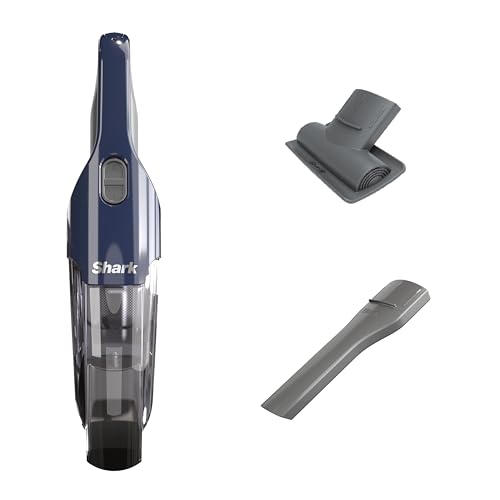
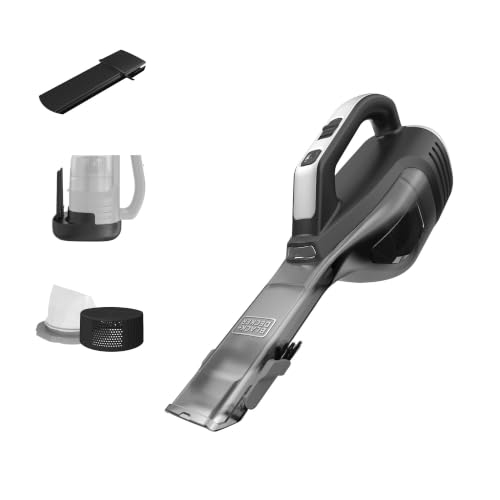
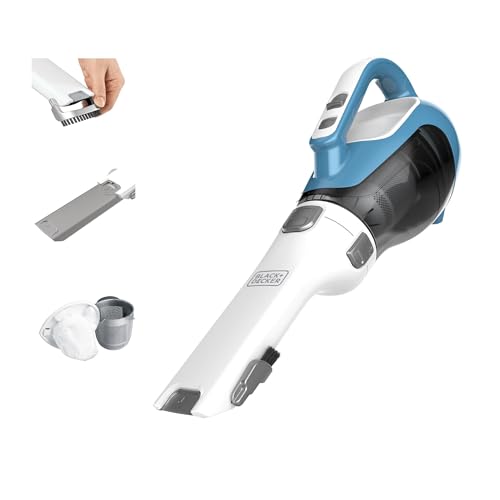
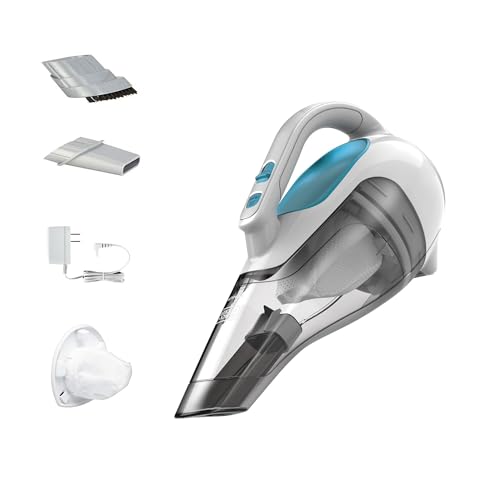

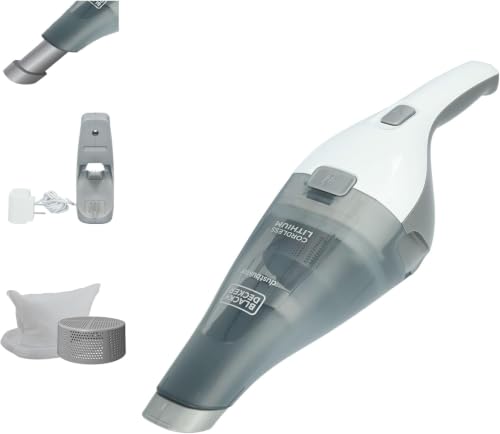
Where a Hand Vacuum Actually Earns Its Keep
The clearest sign you need a hand vacuum is a mess that a full-size machine cannot reach or is not worth dragging out for. Car interiors are the classic case: seat seams, cupholders, door pockets, and floor mats trap crumbs and grit that a stick or upright simply cannot access. Stairs are another spot where a hand vacuum wins, since carrying a heavier machine up and down each step is awkward compared to holding a light unit and working step by step.
Upholstery is a third category worth calling out. Couch cushions, dining chairs, car seats, and pet beds all pick up crumbs, hair, and dust that sit on the surface rather than deep in a carpet pile, and a small nozzle handles that better than a wide floor head. Pet owners often reach for a hand vacuum daily just to clean up shedding from a favorite chair or blanket without pulling out the full vacuum.
What a hand vacuum is not built for is routine floor cleaning across an entire home. If most of your mess is on carpet or hard flooring in every room, a cordless stick vacuum is the better primary tool, with a hand vacuum kept alongside it for the spots the bigger machine cannot reach.
Suction, Runtime, and Dust Cup Size: The Numbers That Matter
Corded hand vacuums plug into an outlet and deliver steady power for as long as you need, which suits garages, workshops, or anyone who wants to avoid battery upkeep entirely. Cordless models trade that convenience for freedom of movement, and battery life becomes the deciding spec. Most cordless hand vacuums run 10 to 20 minutes on a normal setting, with that number dropping noticeably on a higher power mode. A few higher-capacity models stretch past 30 minutes, which matters if you plan to detail a full car interior in one session rather than just a quick pass.
Charge time varies widely, from an hour on fast-charging models to four or five hours on basic ones. If the vacuum lives in a car or garage for regular car interior cleanup, check that the charging dock or cable fits your storage spot before buying.
Among the best hand vacuums, the ones that hold up over time tend to balance runtime against weight rather than maximizing either one. Dust cup size is a real tradeoff, not just a spec to maximize. A larger cup means fewer stops to empty it during a big job, but it also adds bulk and weight to a tool that is supposed to stay light. For quick spills and weekly touch-ups, a smaller cup is fine. For regular pet hair pickup or full car detailing, look for a larger cup and confirm the vacuum lists strong suction, since pet hair clings to fabric and needs real airflow to lift.
The Attachments Worth Keeping On Hand
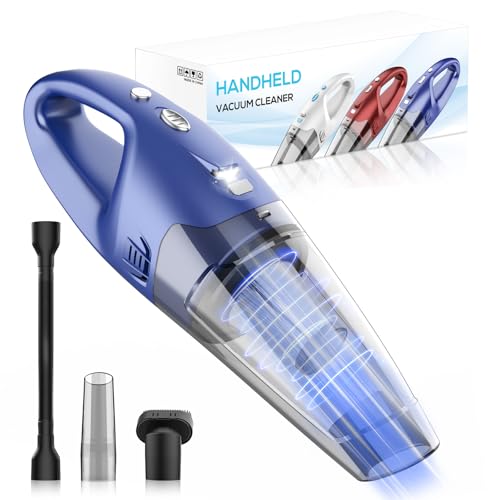
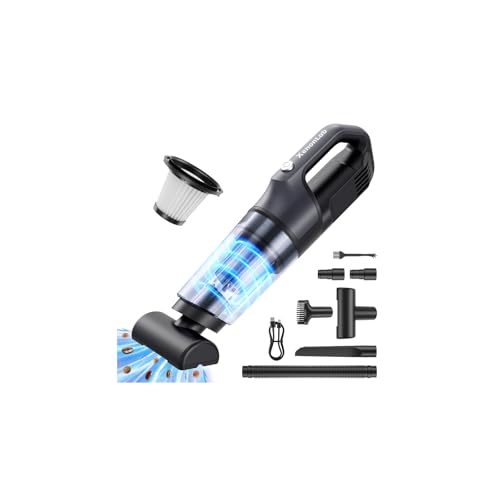
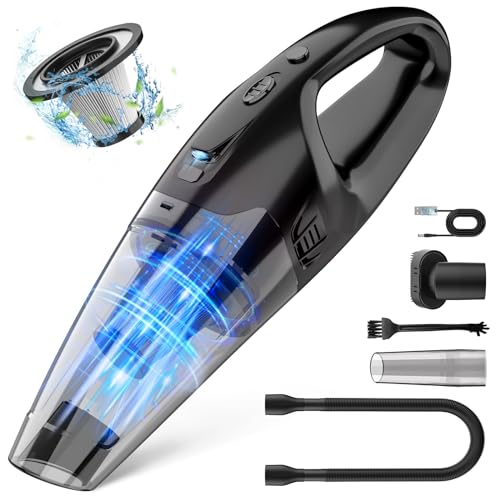
A hand vacuum earns its usefulness through its attachments as much as its motor. The crevice tool is the one to check first, since it is what gets into seat seams, vents, and tight corners where most car and furniture debris collects. A narrow, rigid crevice tool reaches farther and holds its shape better than a flimsy one that flexes under pressure.
Upholstery and dusting brushes
A soft brush attachment protects fabric surfaces like couch cushions and car upholstery from scratching while still loosening embedded dust and crumbs. Some kits include a separate dusting brush for blinds, vents, and electronics, which is a nice extra but not essential if the upholstery brush is well made.
Motorized pet hair tools
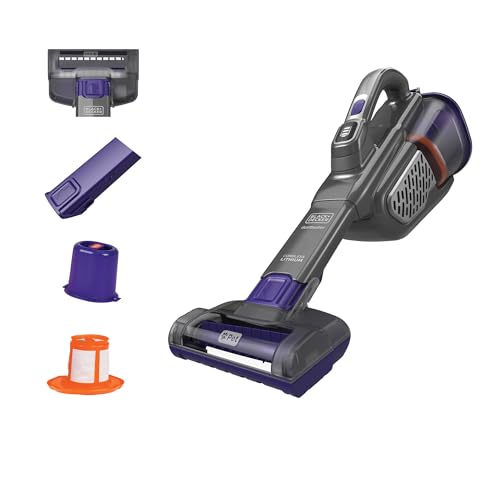
If pet hair is a regular problem, a small motorized brush head makes a real difference. Standard suction alone often just pushes hair around on fabric instead of lifting it, while a spinning brush agitates the fibers and pulls hair free. This one attachment is often the difference between a hand vacuum that actually solves the pet hair problem and one that leaves you picking hair off by hand afterward.
Weight and One-Hand Handling
Weight matters more here than on almost any other vacuum type, because a hand vacuum is meant to be held aloft in one hand for the entire cleaning session rather than pushed along the floor. Most models fall between one and three pounds, and that difference is very noticeable after a few minutes of reaching under a car seat or across a wide couch. A vacuum that feels fine on a countertop can feel heavy fast once your arm is extended and angled.
Balance is just as important as raw weight. A motor and battery placed too far from the grip makes the vacuum feel front-heavy or tail-heavy, which tires your wrist even if the total weight is low. Look for a grip that sits close to the vacuum's center of gravity, with a trigger or button that does not require constant hard pressure to keep the motor running.
Storage is worth thinking through before buying, too. A wall-mounted charging dock keeps the vacuum visible and ready near the door or garage, while a car-based unit needs to fit a glove box, console, or trunk pocket without being crushed by other items. A hand vacuum that is annoying to store tends to get used far less often, no matter how good its suction is.
Frequently Asked Questions
How long does a charge actually last?
Most cordless hand vacuums run 10 to 20 minutes on normal power, often half that on a boosted setting. Runtime drops as the battery ages, so a vacuum that once lasted 15 minutes may only manage 8 to 10 after a year or two of regular use.
Is a corded or cordless model better?
Corded models offer unlimited runtime and steady suction, which suits a garage or workshop near an outlet. Cordless models trade that for portability, making them the better pick for cars, stairs, and anywhere you need to move around freely.
Can a hand vacuum replace my regular vacuum?
No. A hand vacuum is built for spot cleaning small areas like car seats, stairs, and upholstery, not for covering carpet or hard flooring across a whole home. It works best as a companion to a full-size or stick vacuum.
How often should the filter be cleaned?
Rinse or tap out a washable filter every few uses, and let it dry fully before putting it back in. A dirty filter is the most common cause of weakening suction over time, so keeping it clean matters more than almost any other maintenance step.
What dust cup size do I actually need?
For quick spills and light weekly use, a small cup keeps the vacuum lighter and easier to handle. For frequent pet hair pickup or full car interior jobs, a larger cup avoids stopping mid-task to empty it.
Are hand vacuums effective on pet hair?
They can be, but plain suction often struggles on fabric. A model with a small motorized brush head agitates embedded hair so it can actually be lifted, which makes a noticeable difference on couches, car seats, and pet beds.
Why does suction seem to drop partway through cleaning?
A clogged filter or full dust cup is almost always the cause. Emptying the cup and cleaning the filter as you go, rather than waiting until the vacuum feels weak, keeps suction consistent through longer cleaning sessions.
Keeping One Within Reach
Among the best hand vacuums, the right one is the one you actually reach for instead of ignoring a mess until it piles up. Matching runtime and dust cup size to how you plan to use it, whether that is quick countertop spills or full car detailing, matters more than chasing the highest suction number on a spec sheet. Kept charged and stored somewhere convenient, a well-matched hand vacuum earns its spot far more often than a bulkier machine ever could for these small jobs.