Best Hammock with Wood Stand: A Complete Buying Guide
Disclosure: We may earn a commission when you buy through links on this page, at no extra cost to you. As an Amazon Associate I earn from qualifying purchases. Learn more

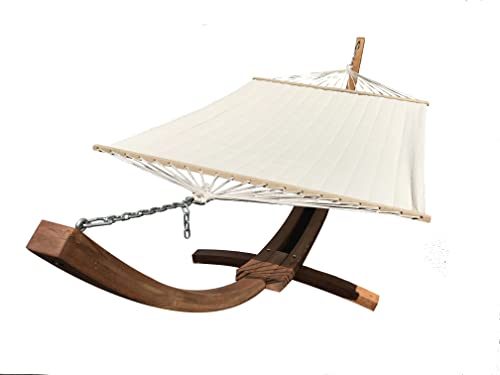
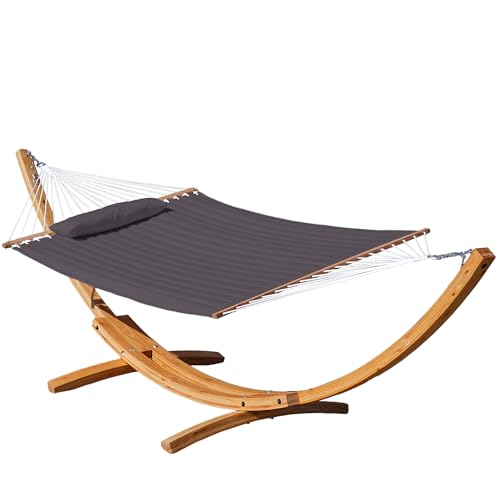
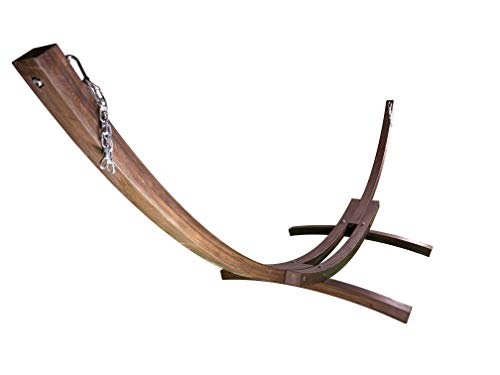
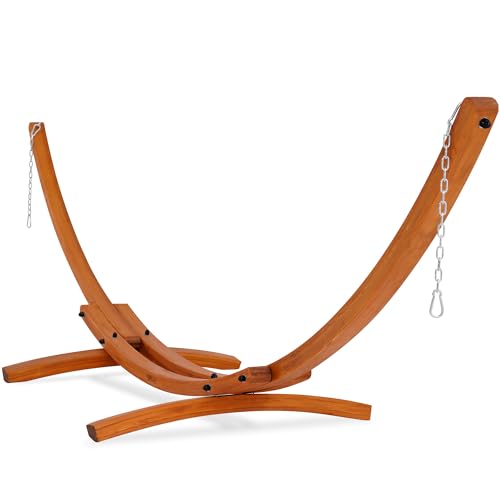
Shopping for the best hammock with wood stand design comes down to matching the material to your climate and your patience for upkeep. Wood stands bring a warm, natural look that steel frames rarely match, turning a simple hammock into a backyard focal point rather than just gear. But timber reacts to sun, rain, and humidity in ways metal doesn't, so the species you pick and how you care for it will decide whether the stand lasts five years or twenty. This guide breaks down which woods hold up best outdoors, how to size a stand to your hammock correctly, what sealing and maintenance actually involve, and when a wood frame makes more sense than a steel one.
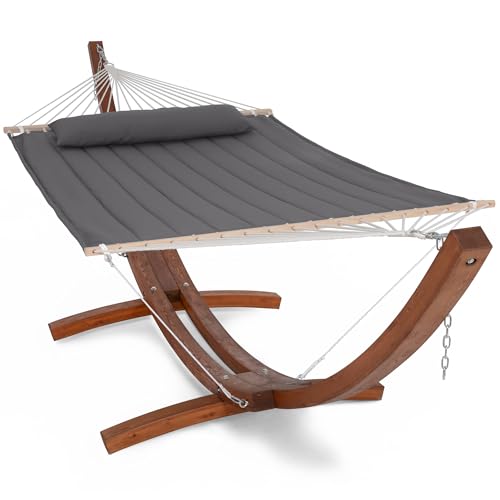
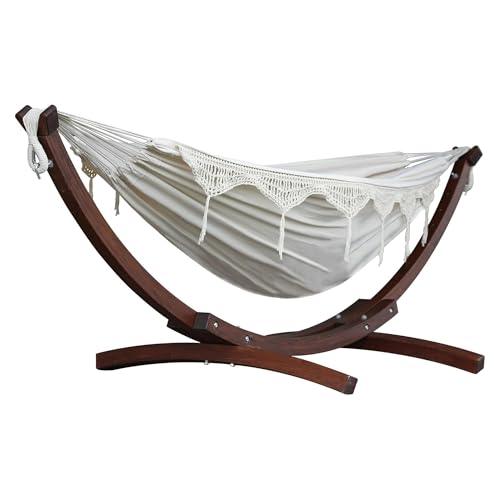
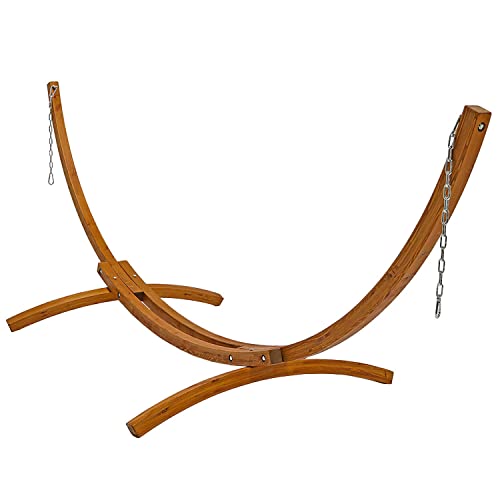
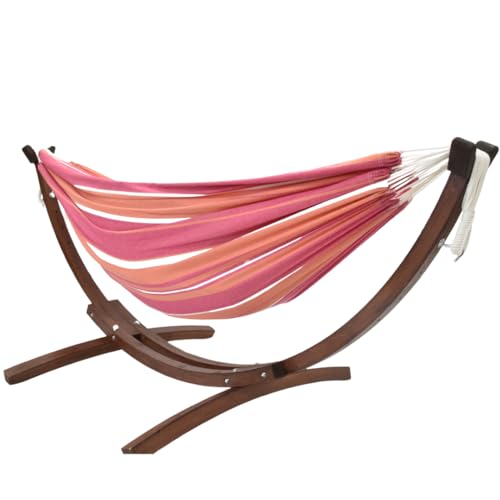
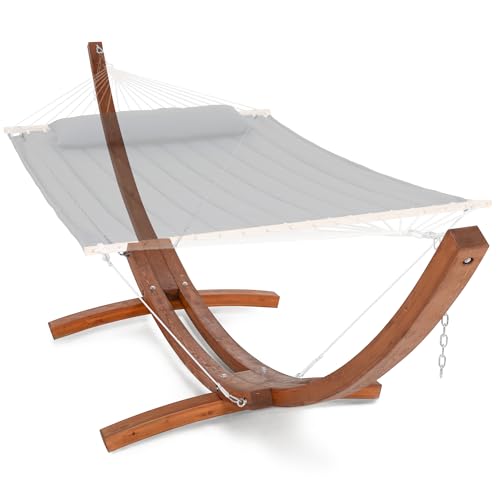
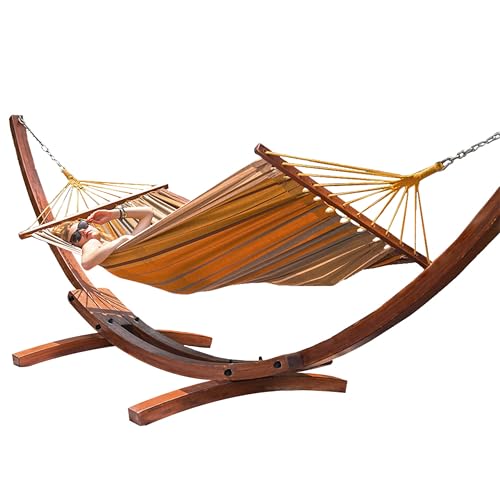
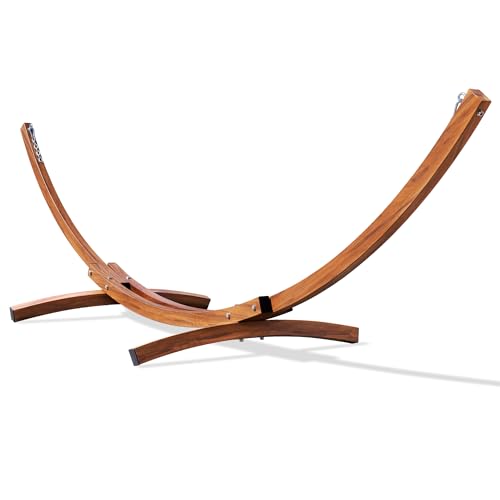
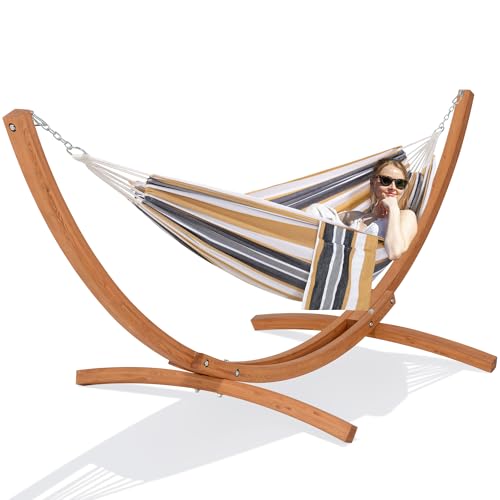
Choosing the Right Wood, Weight Capacity, and Hardware
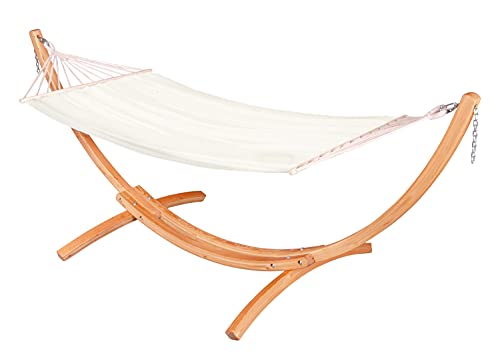
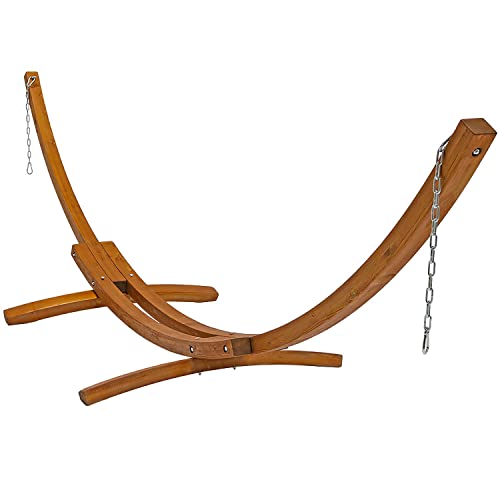
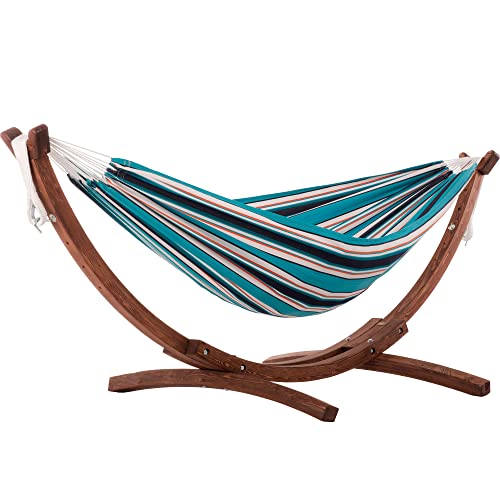
Not every wood species handles outdoor exposure the same way, and that difference matters more for a stand than for almost any other piece of yard furniture. Cedar is the most common choice because its natural oils resist rot and insects without chemical treatment, and it holds up well through humid summers and damp winters alike. Pine is more affordable and takes stain well, but it's softer and needs a more diligent sealing schedule to avoid warping. Fir splits the difference: dense and strong, though it usually needs pressure treatment or a protective coating to match cedar's natural resistance.
Weight Capacity and Joint Strength
Look past the total weight rating printed on the box and check how the frame is joined. Mortise-and-tenon or bolted joints distribute stress far better than simple screws driven into end grain, which tend to loosen and split over time. A stand rated for a high weight capacity with weak joinery will fail sooner than a lower-rated stand with solid mortise joints. Stainless steel or galvanized hardware is worth the extra cost, since standard bolts rust and stain the wood around them within a season or two outdoors.
Why a Wood Frame Might Suit Your Yard Better Than Steel
If you're torn between materials, the choice usually comes down to look versus convenience. Wood stands have real visual weight and pair naturally with garden landscaping, wood decks, and patio furniture in a way that tubular steel frames don't attempt to match. That same mass also means a wood stand sits more solidly on grass or uneven ground, resisting the rocking or shifting that lighter frames can develop under a swinging load.
The tradeoff is portability. Steel stands are lighter, foldable, and easier to move between the patio and the garage before a storm, while a wood frame is meant to stay put once it's assembled. If moving the stand seasonally or packing it away matters more to you than curb appeal, comparing options in a steel-frame hammock stand guide is worth doing before committing to timber. For a yard where the hammock is a permanent fixture rather than something stored away each winter, wood's extra heft is an asset rather than a drawback.
Protecting Your Investment: Sealing, Staining, and Weather Care
Bare wood left outdoors starts graying and checking within a single season, so sealing isn't optional if you want the stand to last. A penetrating oil finish, like boiled linseed or teak oil, soaks into the grain and is easy to reapply, though it needs refreshing every year or so. Film-forming products such as exterior polyurethane or marine varnish last longer between coats but eventually crack and require sanding before recoating.
A Simple Seasonal Routine
Plan on inspecting the stand each spring and fall. Check the joints for looseness, look for standing water trapped where boards meet, and wipe down the frame after heavy rain rather than letting it air dry slowly. Reapply sealant or stain as soon as water stops beading on the surface, since that's the clearest sign the old coat has worn through. A breathable cover helps during long stretches of rain, but it needs to come off once the wood dries out, or trapped moisture will encourage mildew faster than leaving the stand uncovered.
Matching Stand Length to Your Hammock, and Choosing Where It Lives
A wood stand needs to be sized to the hammock, not the other way around. Most double-layer or spreader-bar hammocks specify a stand length range, typically a few feet longer than the hammock's body, that keeps the fabric hanging with a comfortable sag instead of pulling taut like a plank. A stand that's too short strains the fabric and hardware, while one that's too long leaves the hammock swinging with too little tension to feel secure.
Because wood stands are heavier and bulkier to move than steel, choosing the best hammock with wood stand setup for your space is largely a one-time decision. Pick level, well-drained ground, ideally with some shade to slow how fast sun bleaches the finish, and leave clearance on both sides for the hammock to swing without hitting a fence, wall, or planting bed. If you're outfitting the stand with a wider or two-person hammock, checking sizing details in a guide to double hammocks built for two can help you land on a stand length before buying either piece separately.
Frequently Asked Questions
How long does a wood hammock stand actually last outdoors?
With yearly sealing and a covered or shaded spot, a cedar or well-treated pine stand typically lasts ten to twenty years. Skipping maintenance cuts that lifespan roughly in half, since sun and moisture attack unsealed wood quickly.
Is cedar really worth the extra cost over pine?
Usually yes for outdoor use. Cedar's natural oils resist rot and insects without extra treatment, while pine needs more frequent sealing to match that same durability over several seasons.
Can a wood hammock stand stay outside all winter?
It can if it's sealed well and drains properly, but standing snow or ice at the joints accelerates rot. A breathable cover or moving it under an eave during harsh winters extends its life.
How do I know if my hammock will fit a given stand length?
Check the hammock's total length and compare it to the stand's rated range, usually printed by the manufacturer. A gap of a few feet between hammock and stand length is typical.
Do wood stands need a concrete base or anchoring?
Most freestanding wood stands don't require anchoring on solid, level ground, but sandy or soft soil can let the legs sink or shift over time. Paver feet or a leveling pad help.
What's the difference in weight capacity between wood and steel stands?
It depends more on joint design than material. A well-built wood stand can match or exceed steel capacity, though steel tends to hold higher ratings at a lighter overall weight.
Making the Right Call for Your Yard
Between wood species, hardware quality, and a realistic maintenance routine, choosing the best hammock with wood stand for you comes down to matching those factors to your climate and how much upkeep you want to take on. A well-sealed cedar frame in a shaded, level spot can outlast a steel stand while adding real visual character to the yard. Whichever wood you choose, treating the sealing schedule as a yearly habit rather than an afterthought is what keeps the frame solid for the long run.