Best Gazebo Under $2000: A Complete Buying Guide
Disclosure: We may earn a commission when you buy through links on this page, at no extra cost to you. As an Amazon Associate I earn from qualifying purchases. Learn more
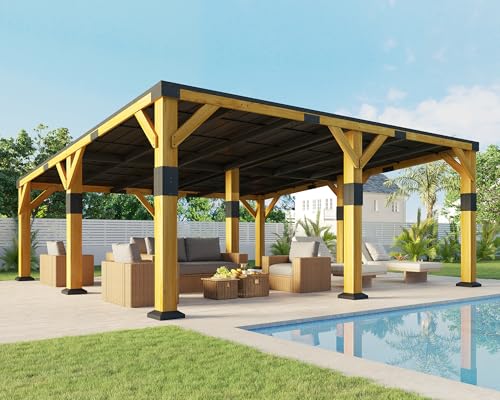
Shopping for the best gazebo under $2000 puts you at a real turning point in outdoor structures. Below this line, most gazebos rely on soft-top canopies that fade, rip, and need seasonal storage every year. At the $2000 mark, hardtop options finally become realistic: polycarbonate panels or galvanized steel roofing that shrug off rain, snow, and years of sun without a single fabric replacement. You also step into larger standard footprints, think 10x12 or 12x14, rather than the compact 8x8 pop-ups that dominate cheaper tiers. This guide walks through what that upgrade actually buys you, where the tradeoffs still show up, and how to size, place, and anchor a structure built to stay put for years to come.
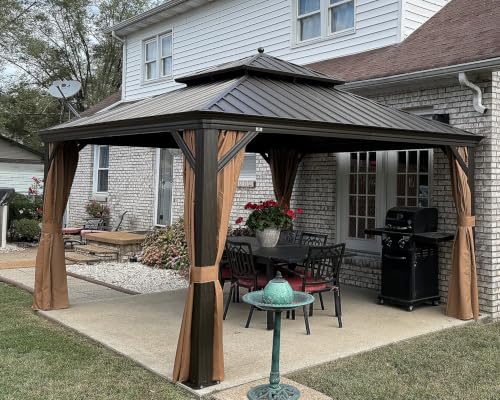
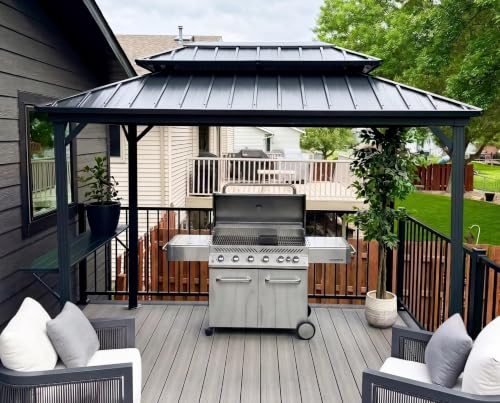
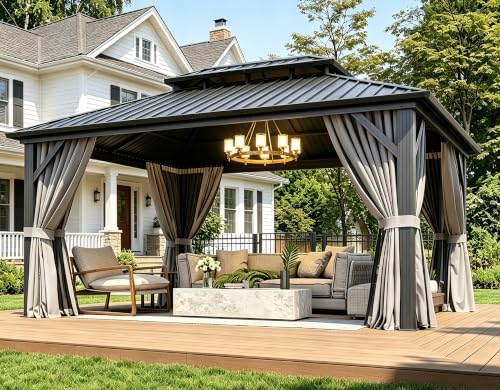
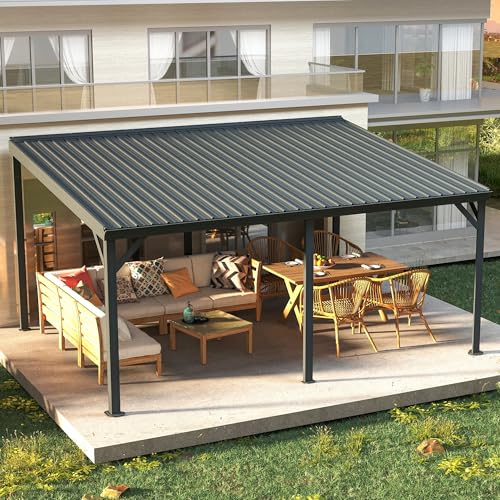
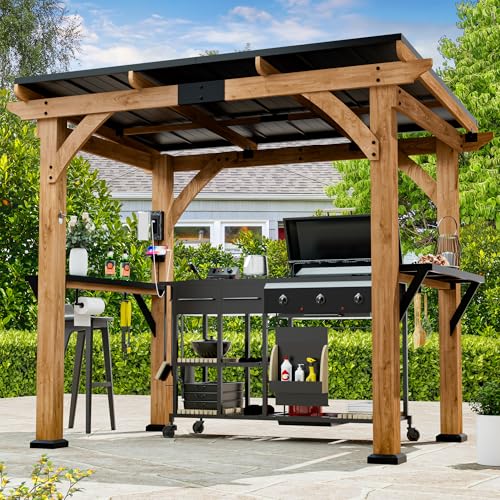
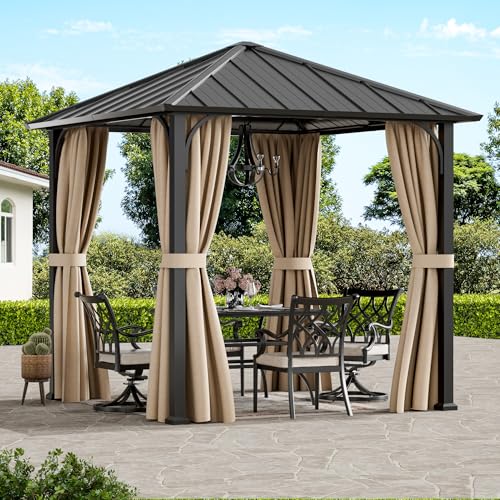
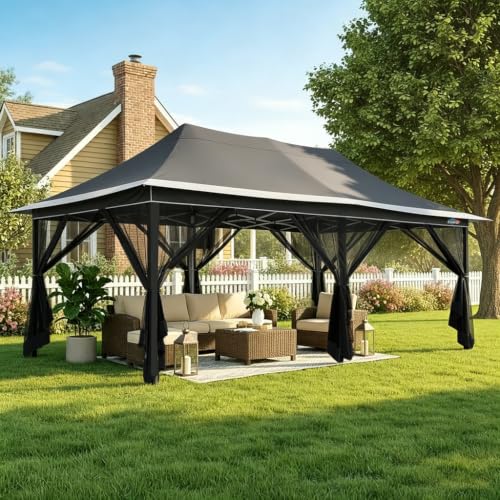
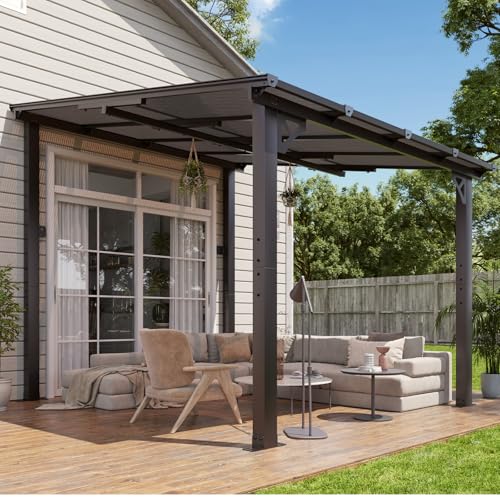
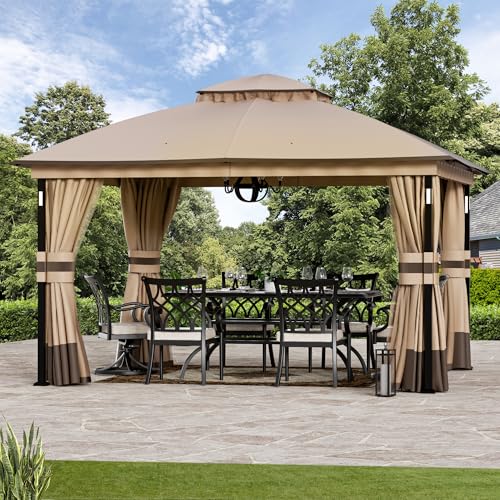
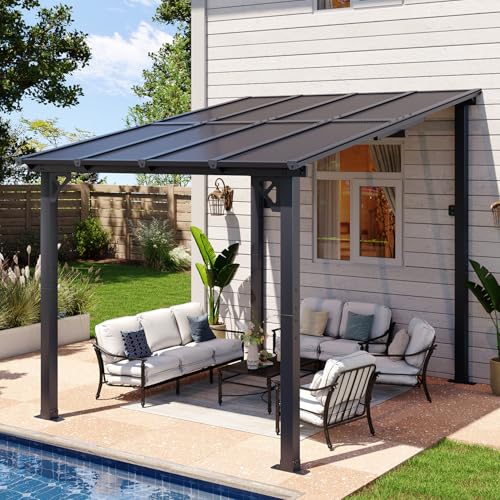
Where a $2000 Budget Lands You: Real Hardtop Territory
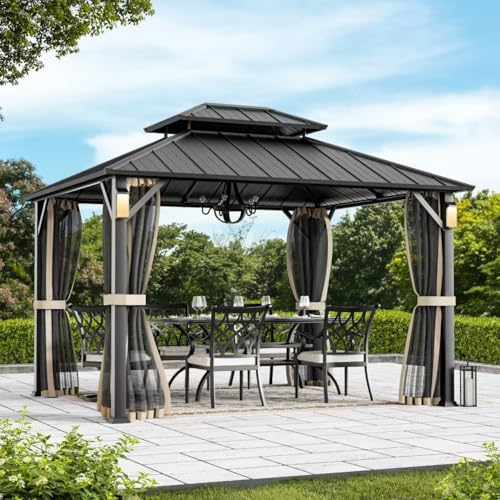
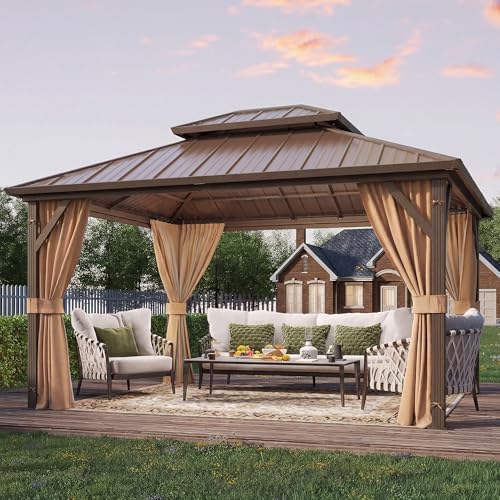
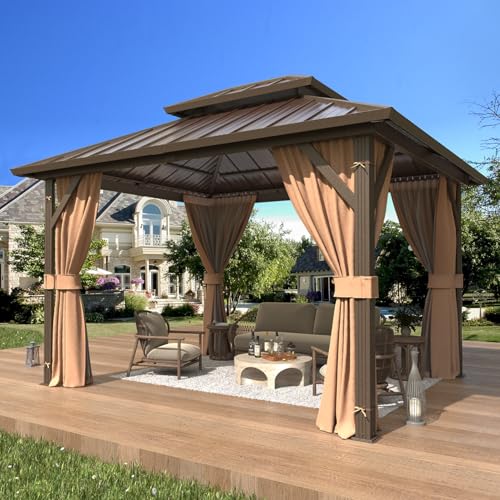
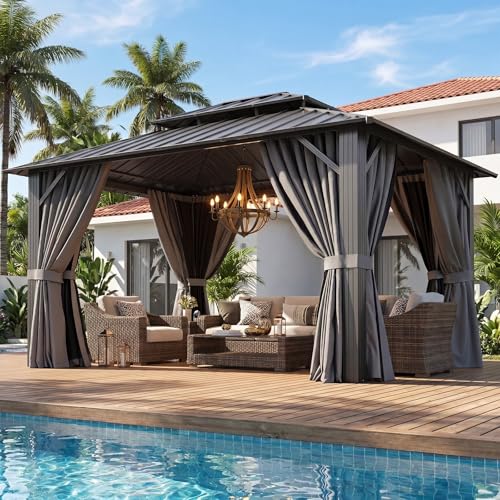
At this price, a rigid roof stops being a luxury feature and becomes the baseline expectation. You can reasonably shop for a double-tier polycarbonate or galvanized steel roof, a powder-coated aluminum or steel frame, and hardware rated for real wind loads rather than backyard-party breezes. That matters because fabric canopies, even good ones, rarely survive more than a few seasons of full sun and storms before they need replacing.
You also gain room to breathe. Frames in this range commonly support 10x12 and 12x14 footprints, which comfortably fit a dining set, a lounge area, or both. Ventilation improves too, since most hardtop designs use a two-tier roof with a gap between layers that lets hot air escape instead of pooling under the canopy. Screens or curtains are often available as add-ons, giving you a semi-enclosed space without committing to full walls. Some models even offer optional LED lighting kits or ceiling fans that mount directly to the frame, extending usable hours into the evening without running separate wiring.
Polycarbonate or Galvanized Steel: Picking Your Roof Material
The single biggest decision at this tier is roof material, and it shapes everything from weight to warmth underneath.
Polycarbonate panels
Polycarbonate is lightweight, lets daylight filter through, and resists impact far better than glass. Tinted or frosted panels cut glare while keeping the space bright. The tradeoff is thermal expansion: panels can flex with temperature swings, which puts stress on fasteners over time and occasionally leads to small leaks at the seams if installation isn't precise.
Galvanized steel panels
Steel roofing handles heavy snow loads and high wind gusts with less flex, and a well-finished coating resists rust for many years. It's opaque, so the space underneath stays shadier, but it also absorbs heat on sunny afternoons, which can make the interior noticeably warmer than a polycarbonate roof would. Steel frames are also heavier, so anchoring needs to be solid from day one.
Matching Footprint and Roof Style to Your Patio
Most people searching for the best gazebo under $2000 start with square footage, but roof style deserves equal attention. Before comparing specs, measure your actual space. A 10x12 footprint needs clearance on all sides for airflow and maintenance access, not just enough room for the frame itself. If your patio or deck is smaller, stepping down to a mid-size steel-frame gazebo in a lower price bracket might fit better than forcing a 12x14 structure into a tight corner.
Roof style matters as much as size. Two-tier designs improve airflow and suit most residential yards, while steeper hip roofs shed rain and snow more aggressively and hold up better in windier regions. Gable-style roofs split the difference, offering a taller peak and a more traditional look. Whichever style you choose, confirm the eave height clears any furniture, grills, or hot tubs you plan to place underneath, since hardtop structures don't flex the way fabric canopies do.
Footings, Anchoring, and Permit Considerations at This Size
Hardtop gazebos in this range are heavier and sturdier, which means installation looks different than staking a pop-up canopy into the lawn. Most manufacturers recommend anchoring into a concrete pad, paver base, or existing deck with lag bolts rather than relying on ground stakes alone. Skipping this step is the most common reason a hardtop structure shifts or leans after a storm.
Size and foundation type also determine whether you need local approval. Many municipalities require a permit once a structure crosses roughly 120 square feet or includes a permanent footing, concrete piers, or electrical wiring. A 10x12 or 12x14 hardtop gazebo often lands right at that threshold, so it's worth a call to your local building department before you order. Professional installation is common at this tier, both for the permit paperwork and because assembling a full hardtop frame solo is a multi-day project for most homeowners.
What's Still Out of Reach at This Price Point
A gazebo under $2000 gets you genuine hardtop protection, but it's not the same as a custom-built pavilion or a fully engineered outdoor room. Size and style options are still limited to a handful of standard footprints and roof shapes rather than a made-to-order design. Foundation requirements stay basic too: you're working with a pad or anchor kit, not poured footings engineered to local frost lines.
Customization is another gap. Built-in lighting, integrated screens, mosquito netting tracks, and matching furniture packages typically cost extra or aren't offered at all in this range. If those features matter more than staying under budget, a higher-tier hardtop model usually closes that gap with more finished detailing and broader size choices.
Frequently Asked Questions
Is a hardtop gazebo worth it over a fabric-roof model?
If you want a structure that lasts many seasons without replacing a canopy, yes. Hardtop roofs cost more upfront but avoid the recurring expense and hassle of fabric replacement.
Do I need a permit to install one?
Often, yes. Structures over roughly 120 square feet, or those with a concrete footing or electrical hookup, typically require a permit. Check with your local building department first.
Can I install a hardtop gazebo myself?
It's possible with two or more people and a full day or two, but many owners hire a crew. The frame is heavier and more precise than pop-up or steel-frame models.
Which roof material handles snow better?
Galvanized steel generally holds up better under heavy snow loads and high wind gusts. Polycarbonate performs well too, but multiwall panels can sag if snow accumulates and isn't cleared.
What size footprint fits most backyards?
A 10x12 layout is the most common sweet spot, offering room for seating and dining without overwhelming a mid-size patio. Measure clearance on all sides before choosing.
Does a hardtop gazebo need a permanent foundation?
Not always. Many are anchored to an existing paver patio, deck, or a poured pad rather than dedicated footings, though local codes may still require a permit either way.
Will the roof material affect the temperature underneath?
Yes. Steel roofs absorb and radiate heat on sunny days, while polycarbonate allows more light through and can feel cooler with tinted panels, though both still provide real shade.
Deciding If a Hardtop Gazebo Fits Your Backyard
Choosing the best gazebo under $2000 comes down to matching roof material, footprint, and installation effort to how you actually plan to use the space. If genuine weather resistance and a larger footprint matter more than custom styling, this budget tier delivers a structure that can realistically outlast a decade of backyard seasons.