Best Gazebo Under $3000: Complete Buying Guide
Disclosure: We may earn a commission when you buy through links on this page, at no extra cost to you. As an Amazon Associate I earn from qualifying purchases. Learn more

Shopping for the best gazebo under $3000 puts you in a different category than budget canopy tents or basic steel-frame kits. At this price point, you are looking at hardtop structures built from cedar or powder-coated aluminum, engineered to function more like a permanent addition to your yard than seasonal furniture. Larger footprints, insulated roof panels, and finish details that match your home's exterior all become realistic expectations rather than upgrades you have to hunt for. This guide walks through what separates top-tier gazebos from mid-range hardtop models, when the extra spend actually pays off, and what to plan for beyond the purchase price itself, including foundation work and local permitting.
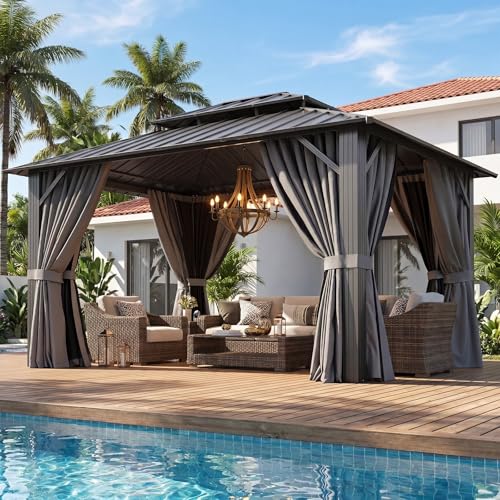
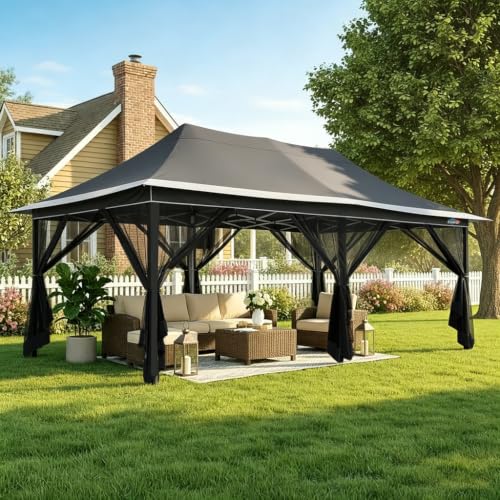
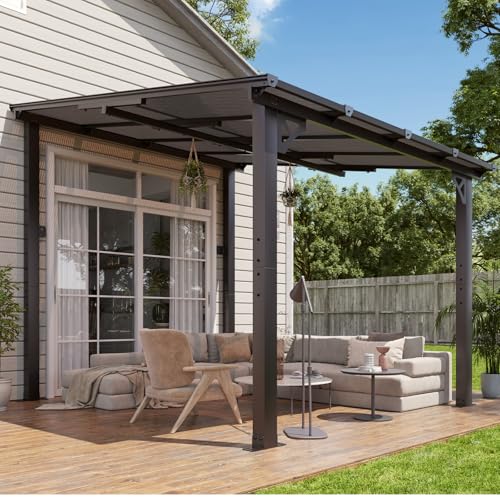
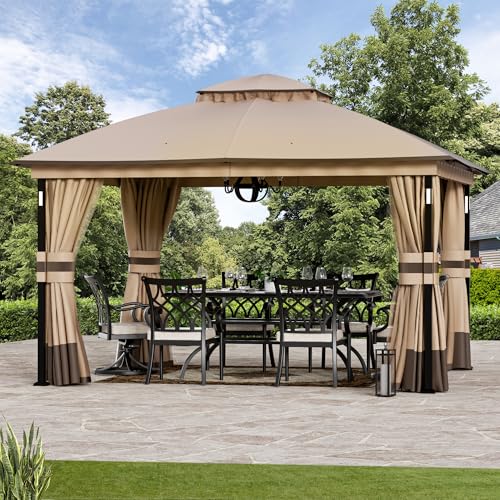
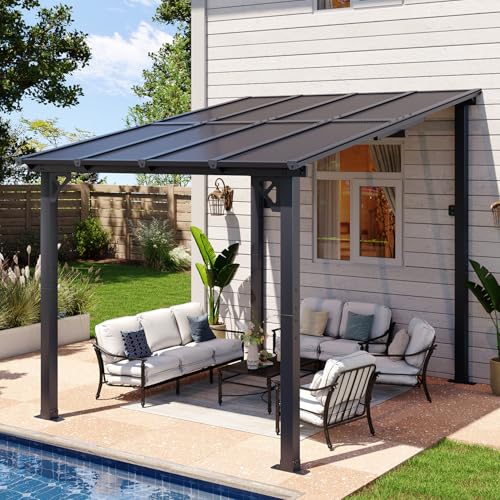
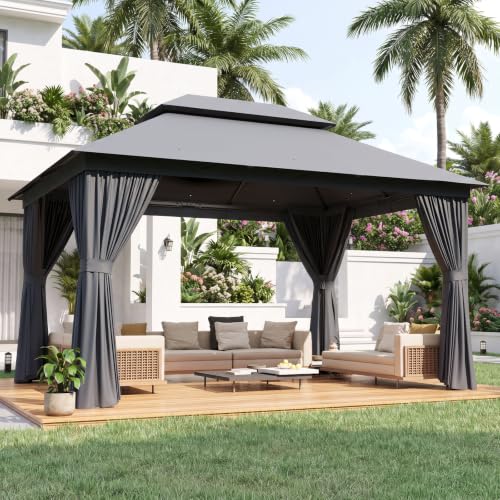
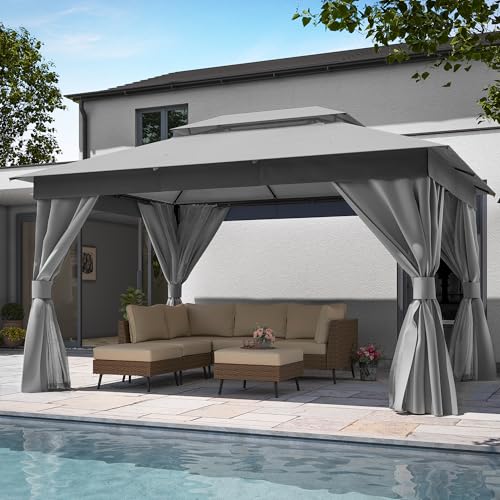
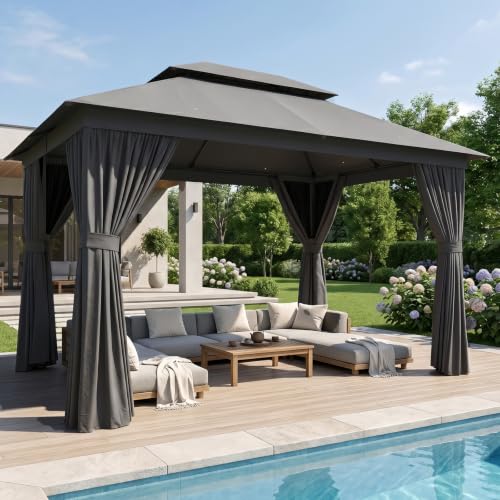
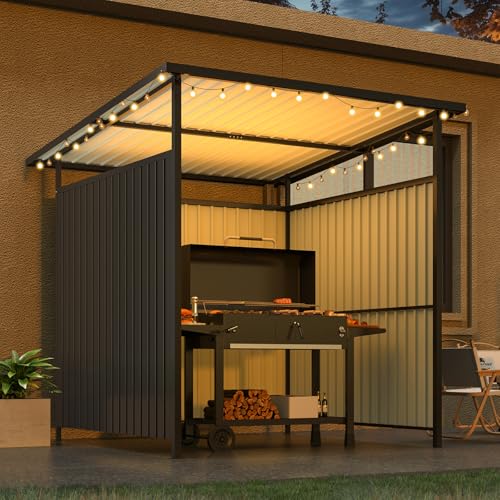
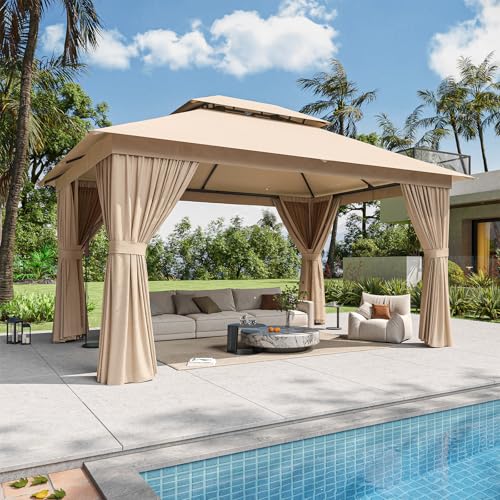
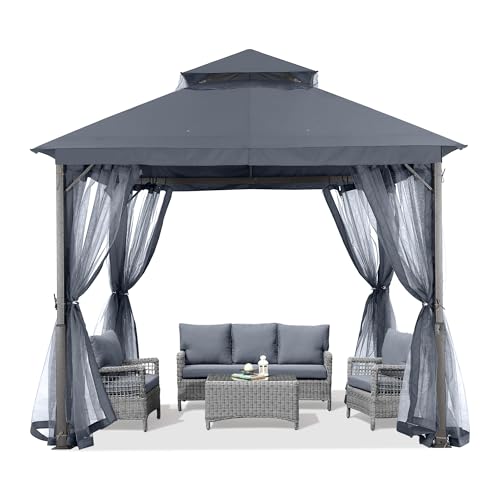
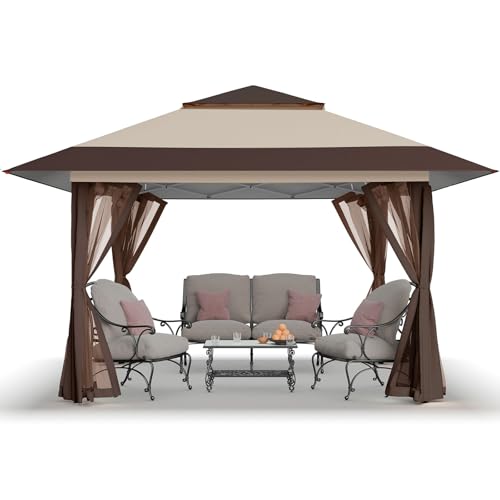
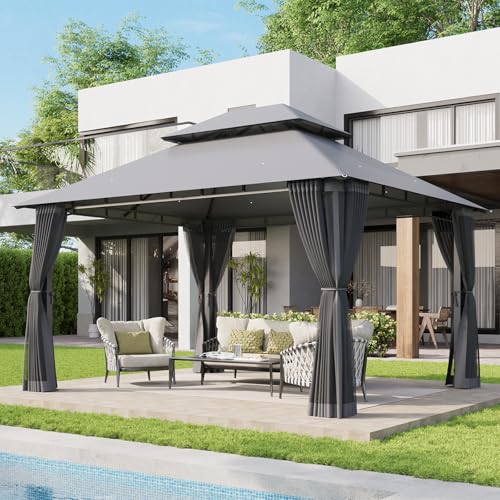
Premium Materials: Cedar, Aluminum, and Insulated Roof Construction
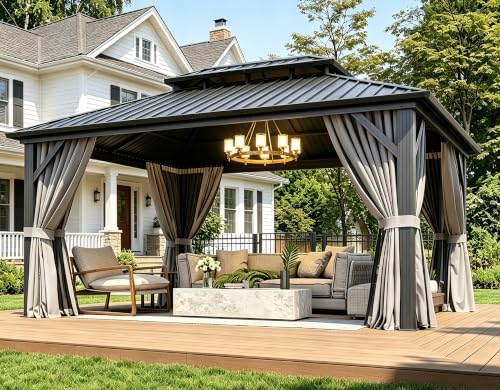
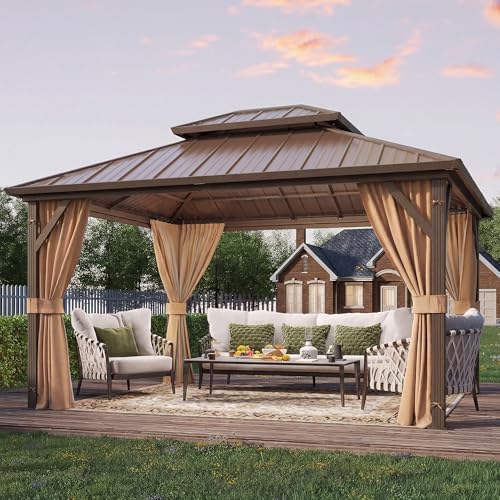
At the top of the hardtop category, frame material stops being a compromise. Solid cedar or redwood posts bring natural rot resistance and a warm, architectural look that blends into a finished backyard rather than sitting on top of it like an accessory. Powder-coated aluminum is the other common route, and it trades the wood look for lighter weight, zero staining maintenance, and strong resistance to rust in humid or coastal climates.
Roof construction matters just as much as the posts holding it up. Look for double-layer or insulated roof panels rather than a single sheet of galvanized steel. Insulated panels reduce heat transfer underneath the structure, cut down rain noise, and hold up better against hail and heavy snow load in colder regions. Standard sizes also jump up at this tier, with 12x14 and larger footprints becoming common instead of the compact 10x10 or 10x12 units you see at lower price points.
Frame gauge and hardware
Thicker gauge steel or aluminum tubing, stainless or coated hardware, and reinforced corner brackets are the details that separate a structure meant to stay up for a decade from one that starts loosening after a couple of storm seasons.
What This Price Tier Actually Buys You
The jump in price is not just about bigger dimensions. Near-permanent structural quality is the real product here: frames engineered to handle real wind and snow loads without swaying, roof seams sealed against driving rain, and footings designed to be anchored rather than staked. Manufacturers backing this tier also tend to offer longer, more comprehensive warranty coverage on the frame and roof, sometimes separating structural coverage from finish coverage.
Fit and finish is the other piece. Powder coating in architectural colors, trim details on the roof edges, and hardware that stays hidden rather than exposed all contribute to a structure that reads as part of your home's design rather than a piece of outdoor furniture. If you have compared an entry-level hardtop gazebo against something at this level side by side, the difference usually shows up fastest in how solid the roof feels underfoot when you're up on a ladder cleaning it, and how tight the panel seams look after a season outdoors. Shoppers researching the best gazebo under $3000 usually notice this fit-and-finish gap before they notice any difference in raw square footage.
Is the Jump From a Lower-Tier Hardtop Worth It?
Not every yard needs the top of the hardtop lineup. If you host occasionally, live somewhere with mild weather, or want shade for a smaller patio, a well-built mid-range hardtop can cover your needs without the added cost. The extra investment tends to pay off in a few specific situations instead.
- You want the structure to function as a year-round outdoor room, not just summer shade
- Your climate sees regular heavy snow, high wind, or intense UV exposure
- You plan to add lighting, ceiling fans, or heaters and want a frame rated to support them
- The gazebo needs to visually match a higher-end patio, pool, or home exterior
If none of those apply, spending less on a solid mid-tier hardtop and putting the difference toward furniture or landscaping is often the more practical call. But for a backyard meant to double as an outdoor living room, the best gazebo under $3000 is usually the tier where durability, looks, and function finally line up together.
Foundation Work and Permit Requirements for Larger Structures
Structures in this size and weight class are usually meant to be anchored, not staked into turf. A poured concrete pad or a paver base built to spec is the standard foundation, and it needs to be level and properly drained before the frame goes up. Skipping this step is one of the fastest ways to undermine an otherwise well-built structure, since an uneven base puts stress on the frame joints over time.
Because these gazebos are larger and often permanently anchored, many municipalities treat them like an accessory structure rather than temporary shade, which can mean a building permit is required. Rules vary widely by location and typically depend on square footage, whether the structure is attached to a concrete footing, and whether electrical work is involved. Check with your local building department before you order concrete or schedule installation, since retrofitting a permit after the fact is far more of a headache than pulling one up front.
Customization Options Worth Considering
Once you are spending toward the top of the hardtop market, it is worth thinking about how the gazebo will actually be used before you finalize a configuration. Removable or zip-up screen panels keep bugs out during summer evenings without turning the structure into an enclosed room. Some frames come with pre-wired channels or conduit for lighting and outlets, which saves you from surface-mounting cords later.
Optional solid or louvered side panels are another consideration if you want partial wind or privacy protection on one or two sides without fully enclosing the space. None of these additions are required, but planning for them at purchase is usually cheaper and cleaner than retrofitting a finished structure a year later.
Frequently Asked Questions
What size gazebo can I get for this budget?
Most premium hardtop gazebos in this range fall between 12x14 and 14x16 feet, though exact sizing varies by frame material and roof style. Larger footprints generally cost more per square foot due to added structural bracing.
Do I need a permit to install one?
Often, yes, especially if the structure is anchored to a concrete pad or exceeds your local accessory structure size threshold. Requirements vary by city and county, so check before ordering materials.
Is cedar or aluminum better for long-term durability?
Both hold up well when properly finished. Cedar needs occasional resealing to maintain its look, while powder-coated aluminum stays low-maintenance but can show wear if the coating is scratched. Climate and personal maintenance preference usually decide it.
Can this size gazebo handle heavy snow load?
Structures built for this tier are generally rated for higher snow and wind loads than entry-level hardtops, but always check the manufacturer's specific load rating for your region rather than assuming coverage.
Does a concrete pad add significantly to the total cost?
Yes, foundation work is a separate cost from the gazebo itself. A poured pad sized to the structure typically adds a meaningful amount to your overall project budget, so factor it in early rather than as an afterthought.
Will this style of gazebo increase home value?
A well-built, permanently anchored structure can be viewed as a backyard improvement by future buyers, though the impact varies by market and how well it is integrated with the rest of the landscaping.
How long does installation typically take?
Beyond foundation curing time, assembly of the structure itself usually takes a full weekend with two or more people, longer for larger footprints or added features like screens and lighting.
Planning Your Backyard Investment
A gazebo at this level is closer to a home improvement project than a seasonal purchase, so treat it that way from the start. Line up your foundation, permit, and customization decisions before the structure arrives, and you'll end up with a space that holds its value and looks intentional for years to come.