Best Gazebo Under $1500: A Complete Buying Guide
Disclosure: We may earn a commission when you buy through links on this page, at no extra cost to you. As an Amazon Associate I earn from qualifying purchases. Learn more

Stepping up from a basic pop-up canopy usually means one thing: you want a gazebo that survives more than one windy afternoon. A best gazebo under $1500 typically trades flimsy folding hardware for a heavier steel or aluminum frame, tougher canopy fabric, and a footprint built for real backyard living rather than a weekend market booth. This budget lands in an interesting middle zone. You get noticeably better wind resistance, thicker fabric with a real UV rating, and hardware sturdy enough to stay anchored for a full season. You still won't get the permanence of a hardtop roof, but for most homeowners this tier hits a solid balance between price and everyday durability. Here's what actually changes at this price point, and what to check before you commit.
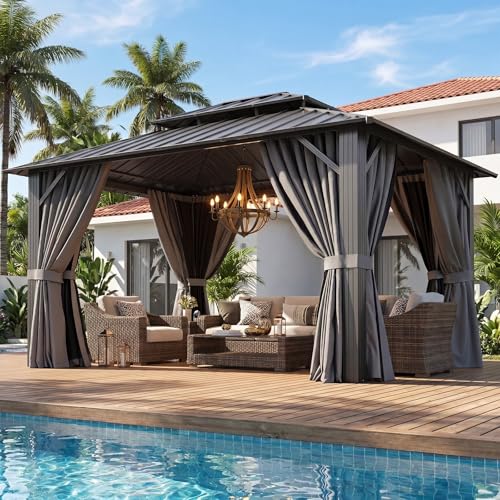
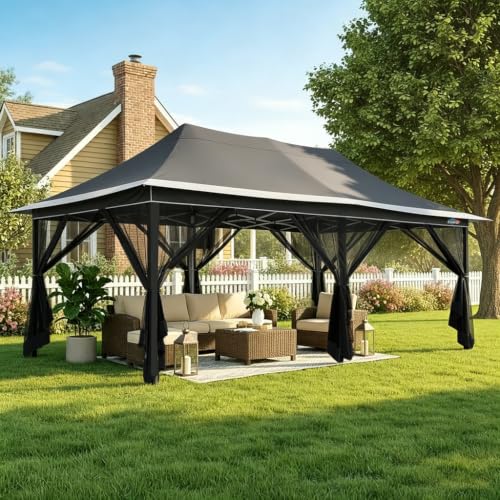
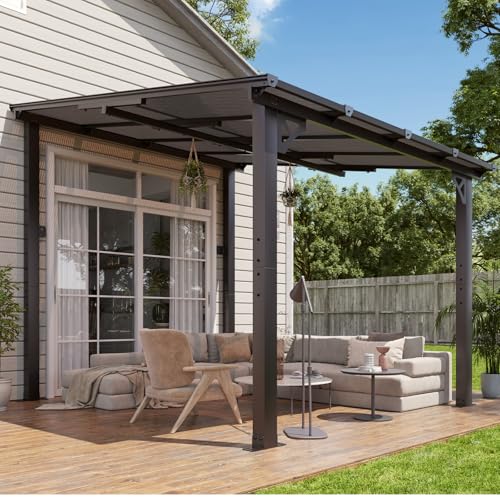
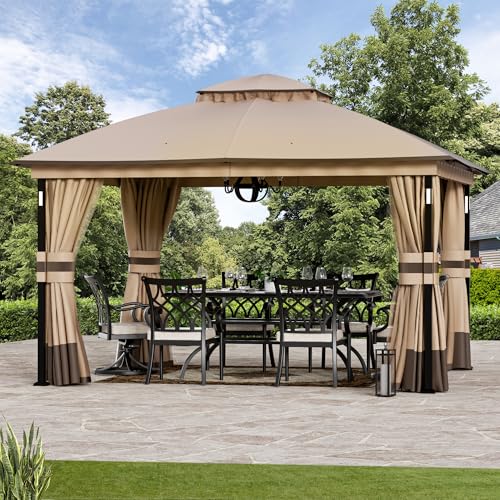
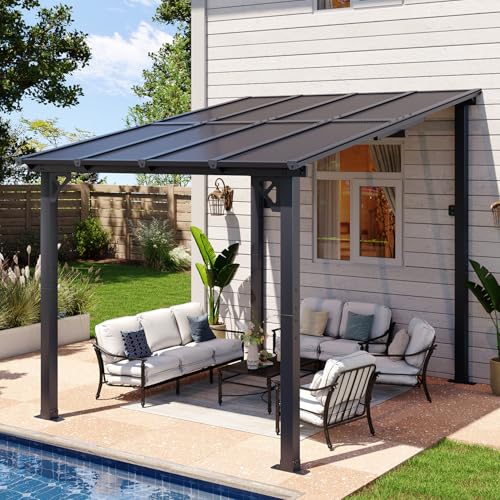
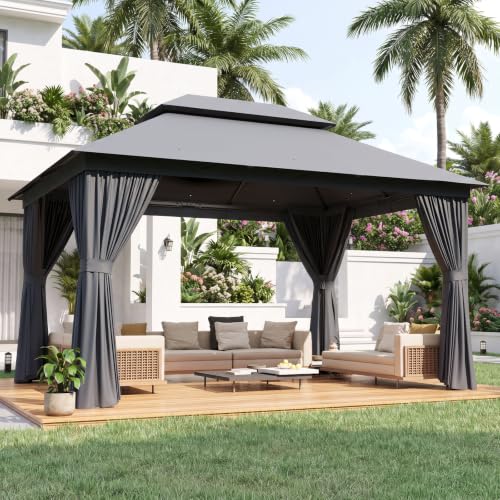
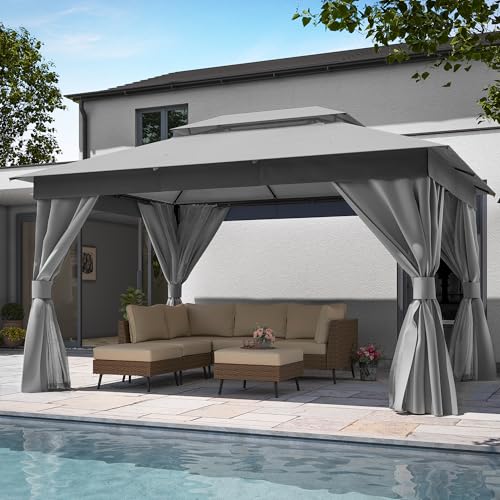
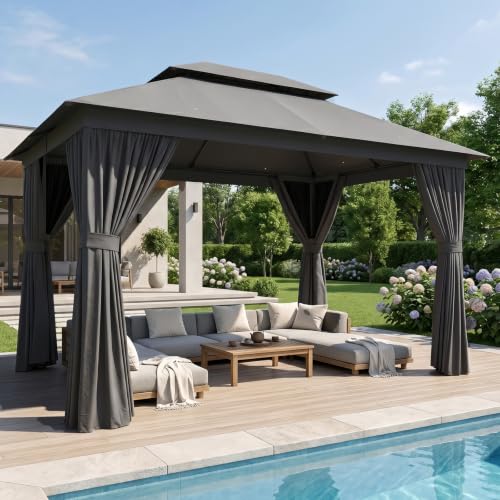
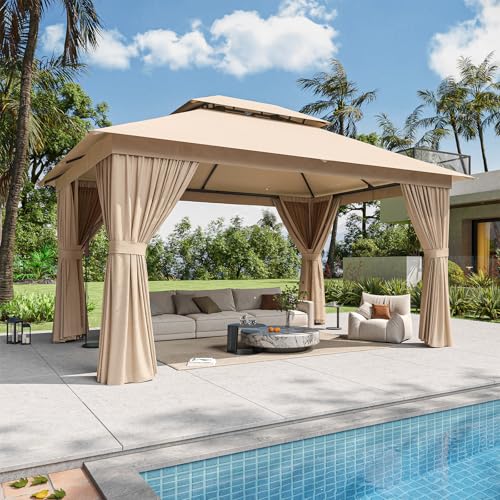
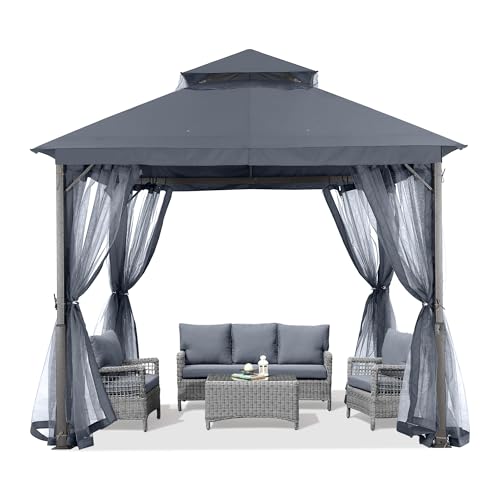
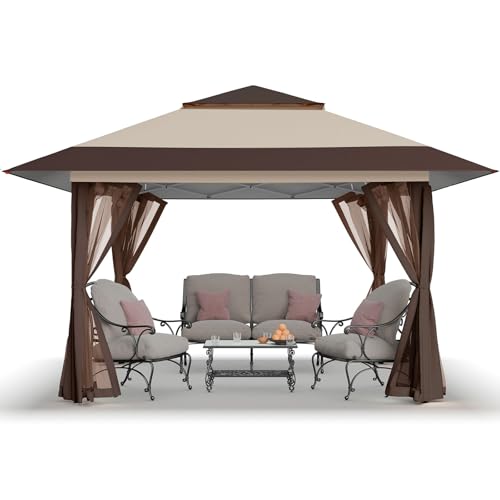
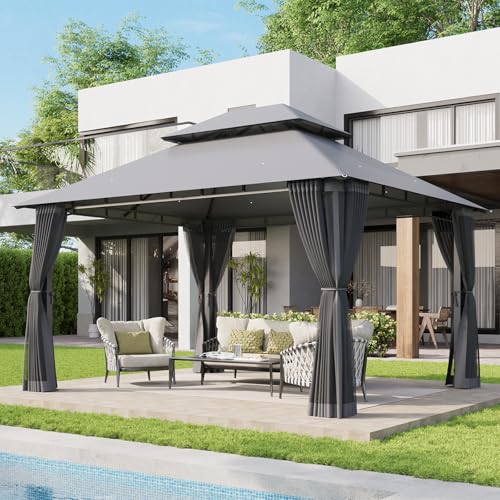
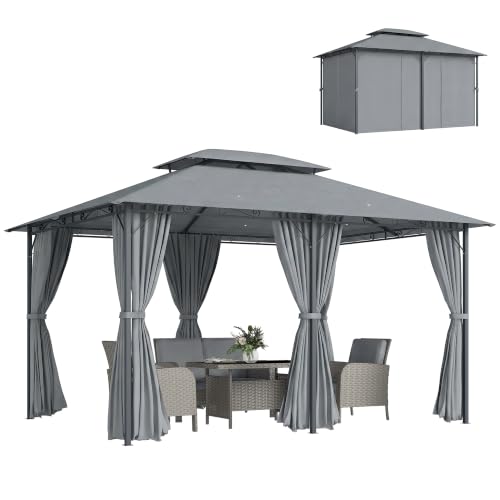
The Frame and Fabric Upgrades This Budget Buys You
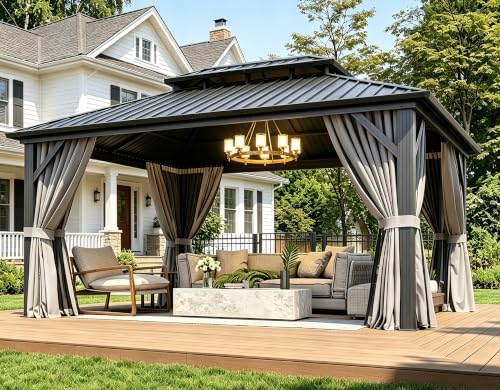
At this price point, the frame is where your money goes first. Instead of the thin, folding aluminum tubing found on entry-level pop-ups, you start seeing powder-coated steel posts or thicker-gauge aluminum with welded or bolted joints. That extra mass matters more than it sounds like it should, since a heavier frame resists flexing and rattling in gusty conditions far better than a lightweight kit.
Frame material and coating
Steel frames generally out-muscle aluminum in raw strength and cost less, but they need a powder coat or galvanized finish to resist rust over years of rain exposure. Aluminum frames at this tier cost a bit more but shrug off corrosion entirely, which matters near coastal air or sprinkler overspray. Either way, check the post gauge and look for cross bracing at the corners rather than a single center pole holding everything up.
Canopy fabric and UV protection
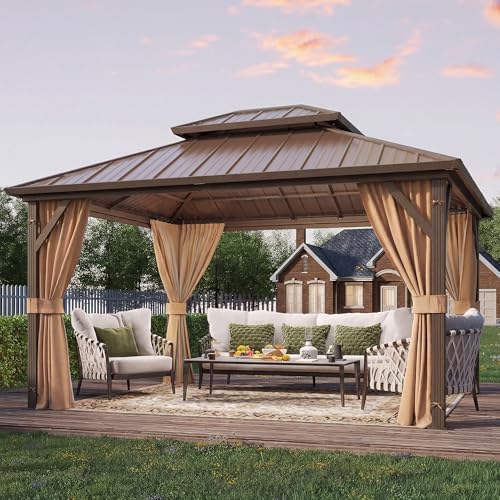
Fabric quality separates this tier from cheaper canopies almost as much as the frame does. Look for polyester or polyester-blend canopies rated in the 150 to 250 denier range, treated with a water-resistant coating and a UPF rating of 50 or higher. A double-tier roof vents hot air through a gap between two fabric layers, which reduces billowing in wind and keeps the space noticeably cooler underneath.
What Changes Compared With an Entry-Level Pop-Up
If you've priced out an entry-level pop-up gazebo before moving into this range, the differences show up fast. Ground stakes and simple weight bags get replaced with real anchoring hardware such as auger-style ground anchors or bolt-down base plates, which keep the whole structure from lifting in a stiff breeze. Many kits in this range also bundle privacy curtains or mosquito netting instead of selling them as pricey add-ons.
Assembly hardware improves too. Instead of snap-together fiberglass ribs, you're usually working with bolted steel connectors and a roof that's tensioned with straps or clips rather than a simple pull-and-hope fit. The practical upshot is a structure that can stay set up through an entire outdoor season rather than getting folded away after every use, which is exactly what shoppers comparing a best gazebo under $1500 to a cheaper pop-up are hoping to gain.
Where a Soft-Top Structure Still Falls Short of a Hardtop
It helps to be clear-eyed about the ceiling of this budget. Even the best-built fabric-roof gazebo in this range is not a permanent structure, and the canopy itself is a wear item. Sun exposure breaks down fabric fibers over time, so expect to replace the roof panel every few years even if the frame itself lasts much longer.
Hardtop and polycarbonate-roof gazebos, which typically start well above this budget, skip that replacement cycle entirely and often handle snow load far better. They also tend to ship with pre-engineered wind ratings suitable for permanent installation, something soft-top kits rarely offer without extra reinforcement. If you live somewhere with heavy snow or want something you'll genuinely never think about again, that's the gap this budget doesn't close.
Matching the Footprint to Your Patio or Deck
Sizing mistakes are one of the most common regrets buyers report after the fact. Standard sizes in this range run from around 10x12 up to 12x14 or 12x16, and a bigger footprint doesn't automatically mean a better fit. Measure your patio or deck first, then leave at least a couple of feet of clearance on every side for walking room and for the roof overhang, which often extends past the post line.
Ceiling height matters just as much as floor space, especially if you're planning to fit a dining set or a hanging swing underneath. Most gazebos in this tier offer a peak height in the nine to eleven foot range, but usable clearance under the crossbeams is usually a foot or more lower than that number suggests. If you're comparing options and want a sense of how much larger structures cost, a guide like this gazebo buying guide for the next price tier up breaks down where the extra headroom and footprint come from.
What Setup and Seasonal Takedown Actually Involve
Structures at this budget are heavier and more involved to assemble than a pop-up, and that's by design. Plan on a half day of work with at least two people, since steel posts and a tensioned roof are awkward for one person to manage safely. A cordless drill and a rubber mallet make the bolted connections and anchor stakes go much faster than hand tools alone.
Because these are meant to stay up for a season rather than a single afternoon, think through your climate before you finalize a purchase. In regions with real winter weather, the fabric roof and curtains should come down before heavy snow accumulates, since sustained weight on a soft top can stress the frame joints. The steel or aluminum skeleton can typically stay outdoors year-round, but planning one seasonal teardown of the fabric components will meaningfully extend how long the whole structure lasts.
Frequently Asked Questions
Is a steel frame or aluminum frame better at this price point?
Steel offers more raw strength for the money and handles wind gusts well, but needs a rust-resistant coating. Aluminum costs a little more but never corrodes, which is worth it in humid or coastal climates.
How long does the canopy fabric typically last?
Expect three to five years of daily sun exposure before fading and fabric fatigue set in, depending on climate and UV intensity. Storing or covering the roof during off-season months extends that lifespan noticeably.
Can this size gazebo handle strong wind or storms?
Most models in this range are rated for moderate wind when properly staked or bolted down, but none are storm-proof. Taking down the canopy fabric ahead of severe weather protects both the roof and the frame.
Do I need a permit to install one of these?
Many municipalities exempt freestanding, non-permanent gazebos under a certain square footage, but rules vary widely by city and HOA. Check local codes before purchase, especially if you plan to anchor it into concrete.
How many people are needed for assembly?
Plan on two adults minimum for a safe, efficient build. The roof panels and steel posts are heavy and unwieldy enough that solo assembly risks both injury and a crooked frame.
Is it worth adding curtains or netting if they're not included?
Yes, if bugs or afternoon sun are a concern where you live. Aftermarket panels are widely available and usually attach with the same hook-and-loop or grommet system as factory-included ones.
What's the biggest upgrade over a $1000 gazebo?
Mainly frame gauge, anchoring hardware, and fabric denier. Moving up from an entry-level gazebo around the $1000 mark usually buys noticeably less flex in the frame during wind.
Making the Right Call for Your Outdoor Space
A well-chosen best gazebo under $1500 rewards buyers who want real durability without paying hardtop prices. Focus on frame gauge, fabric denier, and anchoring hardware first, since those three factors determine how well the structure survives its first storm season. Get the sizing right for your space and plan for a seasonal fabric teardown, and a gazebo in this range should serve you well for years.