Best Gazebo Under $1000: A Complete Buying Guide
Disclosure: We may earn a commission when you buy through links on this page, at no extra cost to you. As an Amazon Associate I earn from qualifying purchases. Learn more
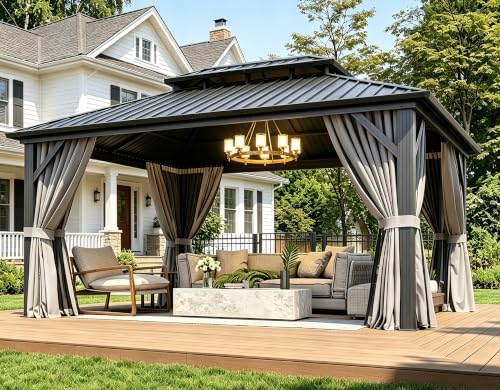
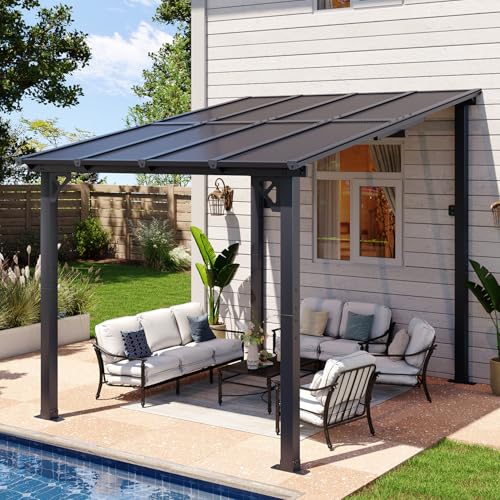
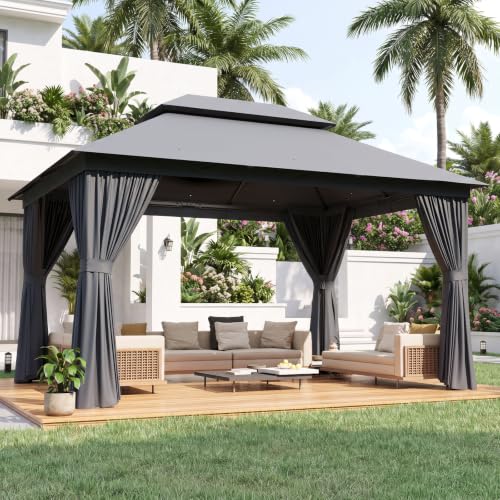
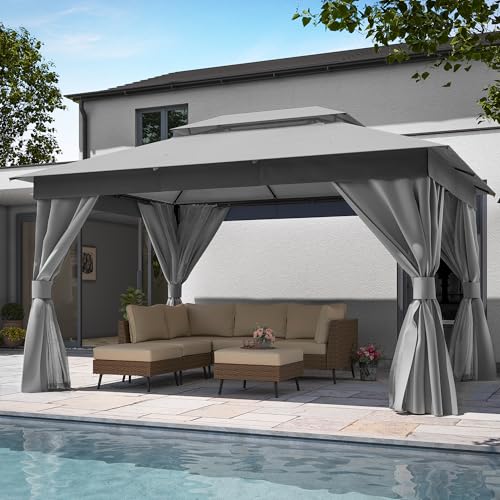
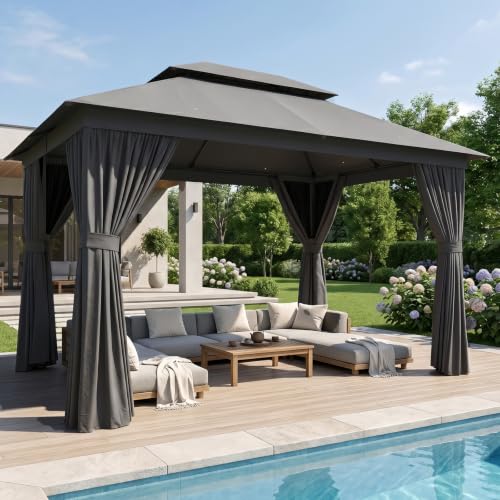
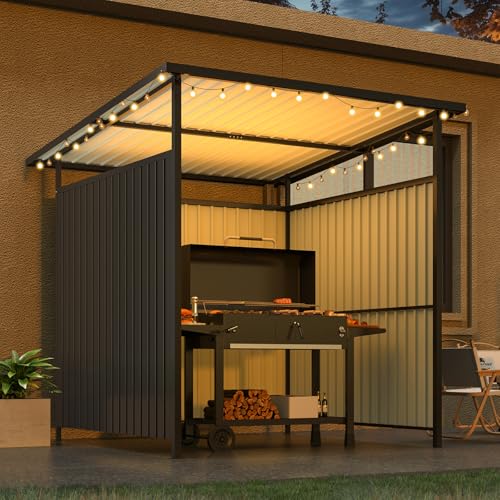
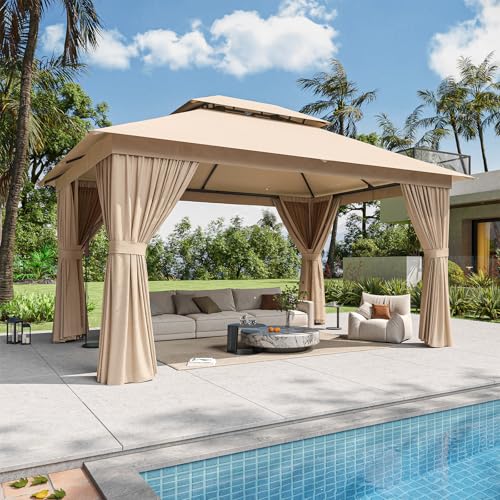
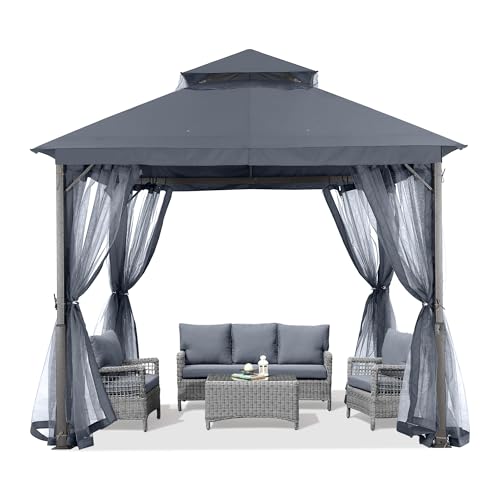
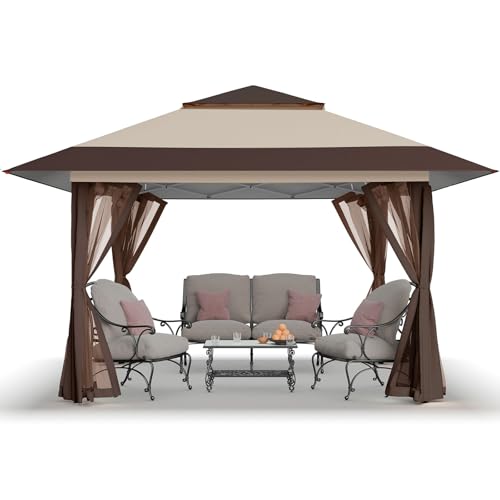
If you're shopping for the best gazebo under $1000, you're working with a real advantage over the cheapest tents on the market, but you're still well below what steel-frame or hardtop structures cost. At this price, you're mostly looking at 10x10 to 10x12 pop-up canopies and basic steel-pole gazebos, not permanent backyard fixtures. That's not automatically a downside once you know what you're buying. A soft-top gazebo in this range can block sun, shed a light shower, and go up in minutes without tools. The catch is durability: thinner fabric, lighter frames, and a shorter working life than pricier tiers. This guide covers what a sub-$1000 budget realistically buys, where it comes up short against higher tiers, and how to stretch the seasons you get out of it.
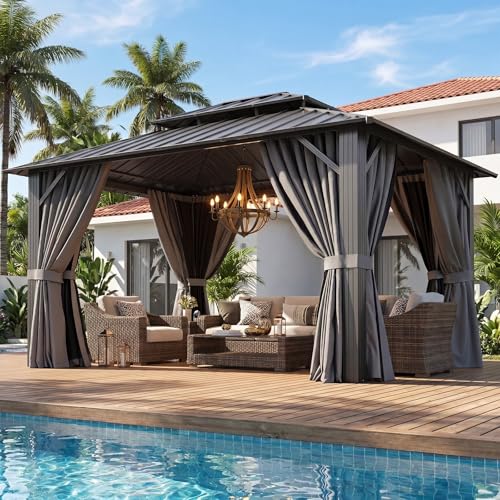
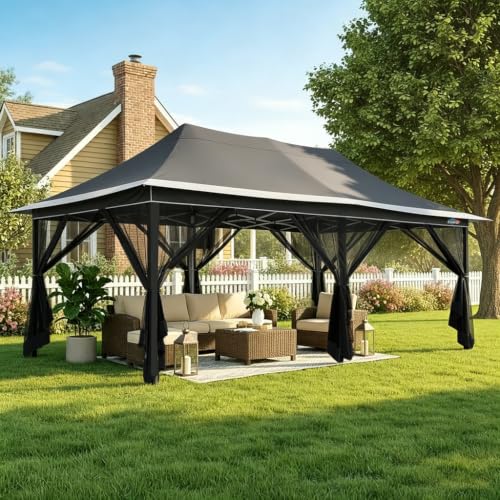
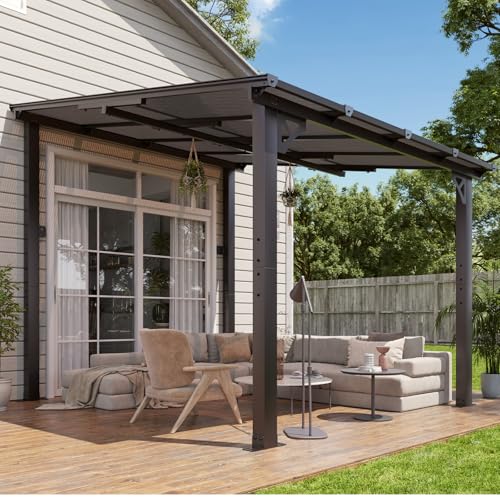
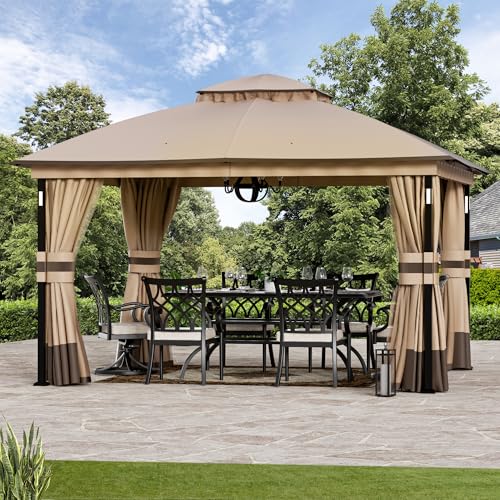
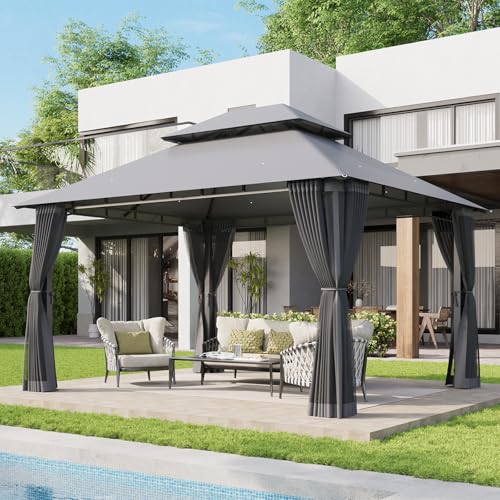
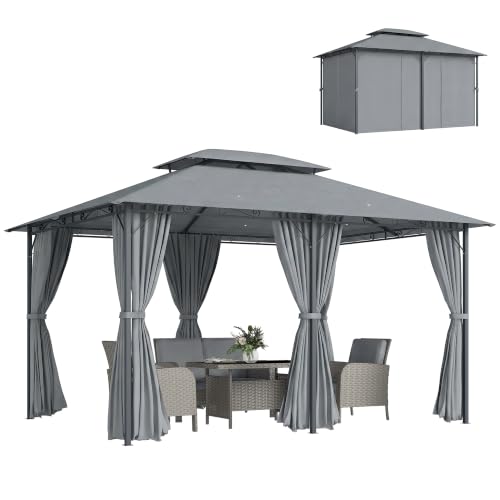
What a Sub-$1000 Budget Actually Buys
At this price point, you're choosing between two main categories: pop-up canopy gazebos and entry-level steel-frame gazebos with a fabric top. Pop-ups dominate the lower half of this range. They fold flat on a set of accordion legs, pop open in a minute or two, and pack into a rolling bag. Steel-frame models cost more of your budget on the frame itself, so the canopy tends to be simpler, often a straight pitched roof rather than a domed or double-tier design.
Sizes cluster around 10x10 feet, with some 10x12 and a handful of 12x12 options if you shop the upper end of the range. That's enough room for a small dining set or a cluster of lounge chairs, but not much extra. Expect single-tier canopies rather than the vented, two-layer roofs found on pricier gazebos, and expect basic stake-and-guyline anchoring rather than built-in weight ports or bolted footings.
Frame, Fabric, and Footprint: What Actually Matters Here
Steel vs Aluminum Poles
Most gazebos in this bracket use steel poles because steel is cheaper per pound than aluminum. Steel holds up fine in calm conditions but adds weight and can bend under a hard gust rather than flexing back. A handful of models mix in aluminum legs to shave weight for easier transport, usually at the cost of a slightly higher price within the same budget.
Canopy Fabric and UV Rating
Fabric weight is measured in denier, and anything under 150D wears thin fast. Look for 150D to 300D polyester with a UPF rating printed on the tag; UPF 50 blocks the large majority of UV rays and matters more than most shoppers expect if the gazebo sits in direct sun most of the day. Coated or laminated fabric sheds light rain better than plain woven polyester.
Footprint for Your Space
Measure your patio or yard space before you shop, including clearance for the legs to splay outward during setup. A 10x10 canopy needs roughly 12x12 of clear ground once the frame is staked, so a tight side yard may only fit the smaller end of this size range.
Where This Tier Falls Short of Pricier Gazebos
The honest comparison matters here. Gazebos priced higher up the ladder generally add a hardtop or double-layer roof, thicker steel or powder-coated aluminum framing, and a wind rating that holds up in genuinely gusty weather. A sub-$1000 soft-top is rated for light to moderate wind, often in the 20 to 30 mph range under ideal anchoring, and manufacturer claims above that usually assume heavier weights than the bag of sand included in the box.
Fabric at this price also ages faster. A budget canopy exposed to regular sun and weather may need replacing within a few seasons, while heavier fabric on pricier models often lasts a decade with care. If your yard sees frequent storms, strong coastal wind, or heavy snow load in winter, it's worth reading through our gazebo options in the next price tier before committing, since the added frame strength and roof design there address exactly those conditions.
Setup and Portability: What to Expect
Pop-up mechanisms are the main selling point of this budget. Most open with a push-and-pull motion on the center hub, similar to a large umbrella, and one person can usually manage it alone, though a second set of hands makes leveling the legs faster. Steel-frame models without a pop-up hub take longer, typically 20 to 40 minutes with two people connecting poles and stretching the canopy over the frame.
Weight ranges from about 40 to 90 pounds depending on frame material and size, and most come with a wheeled carry bag. That portability is a real advantage if you move the gazebo between the patio and storage regularly, or if you're setting up for events in different spots. If portability matters more to you than square footage, a smaller and lighter entry-level gazebo built for frequent moving is often a better fit than stretching your budget toward the largest size available.
Getting More Seasons Out of a Budget Gazebo
Anchoring is the single biggest factor in how long a sub-$1000 gazebo survives. Stakes alone rarely hold in open, windy yards; pair them with the included weight bags filled to capacity, or add sandbags at each leg for anything beyond a still, calm setting. Never leave a pop-up gazebo assembled and unattended during a storm watch, since wind is what damages these frames far more often than rain or sun.
Seasonal storage extends fabric life more than almost any other habit. Fold and store the canopy dry, since packing it away damp encourages mildew that weakens the fibers within a season. A loose canvas cover over the folded frame protects the fabric from UV exposure during the months it sits unused, which matters most in climates with long, sunny summers.
Frequently Asked Questions
Can a gazebo under $1000 handle real wind?
It can handle light to moderate gusts, generally up to around 20 to 30 mph, when properly staked and weighted. Beyond that, soft-top frames at this price are prone to bending or lifting, so take the canopy down ahead of any forecasted storm.
Is a pop-up or steel-frame gazebo the better buy at this price?
Pop-ups win on setup speed and portability, while steel-frame models tend to feel sturdier once assembled. Choose based on how often you'll move it; frequent movers should lean pop-up, while a semi-permanent spot favors the steel frame.
How long does a budget gazebo canopy actually last?
Expect two to four seasons of regular outdoor use before the fabric fades or weakens noticeably. Storing it properly between uses and avoiding constant sun exposure can push that closer to five seasons.
What size should I get for a small patio?
A 10x10 footprint is the most common and fits most standard patios, but measure your actual clear space first since the legs splay outward during setup. If space is tight, look for the smallest size offered rather than assuming every model scales down.
Do I need sidewalls at this budget?
Sidewalls are often sold separately and can add a meaningful chunk to your total cost. If bugs or wind-blown rain are a concern, budget for at least mesh panels rather than skipping walls entirely.
Can I leave it up all summer?
You can, but check the anchoring weekly and take it down ahead of any strong storm forecast. Constant sun exposure over a full season is also what shortens fabric life the fastest, so a removable canopy is worth the extra effort.
Is it worth stretching the budget past $1000?
If your yard gets frequent wind or you want the gazebo to last closer to a decade, moving into a steel-frame or hardtop model in the next tier up is usually worth it. If you mainly need occasional shade for a few seasons, this tier does the job without overspending.
Matching This Tier to Your Yard
A gazebo under $1000 makes the most sense for anyone who wants shade and light rain cover without committing to a permanent structure. It suits patios, rentals, and yards where portability or occasional use matters more than year-round durability. Weigh how often you'll set it up, how exposed your yard is to wind, and how many seasons you actually need it to last before deciding if this budget is the right fit.