Best Automotive Seat Brackets: A Buyer's Guide
Disclosure: We may earn a commission when you buy through links on this page, at no extra cost to you. As an Amazon Associate we earn from qualifying purchases. Learn more
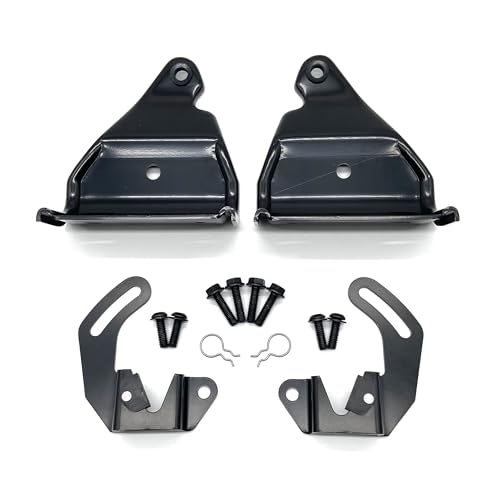
Swapping in a new driver's seat sounds simple until you get under the vehicle and realize the factory mounting points don't line up with anything you just bought. That mismatch is exactly why best automotive seat brackets matter more than the seat itself in a lot of installs. A bracket bridges the gap between your vehicle's factory bolt pattern and the seat's base, and if it's built wrong, undersized, or matched to the wrong model year, you end up with a seat that shifts, rattles, or fails to hold in a collision. This guide walks through how bolt patterns, slider mechanisms, steel gauge, and hardware grade all factor into a safe, solid seat swap, plus the mistakes that trip up most first-time installers.

![Stationary Pedestal Seat Mount [Tilt & Height Adjustable] | 16-Gauge Steel, Finish:](https://images-na.ssl-images-amazon.com/images/I/31O-353psqL.jpg)
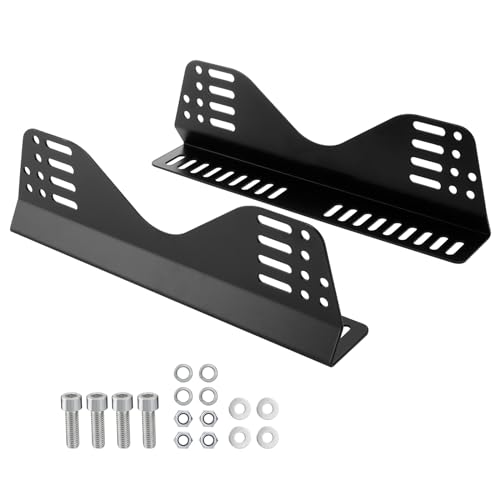
Why Bolt Pattern Matching Comes Before Anything Else
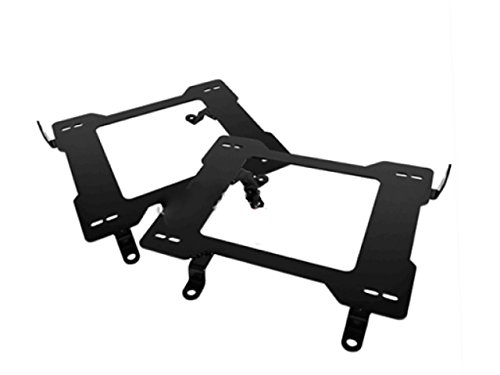
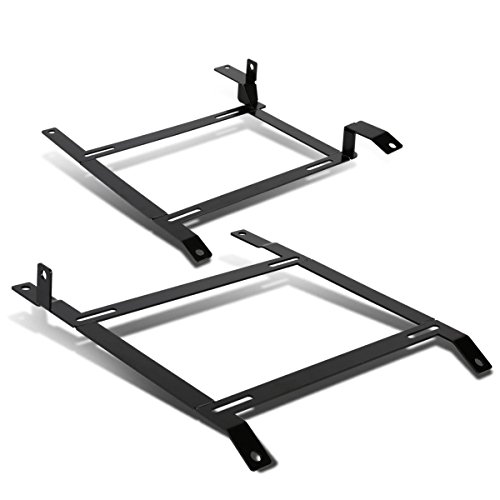
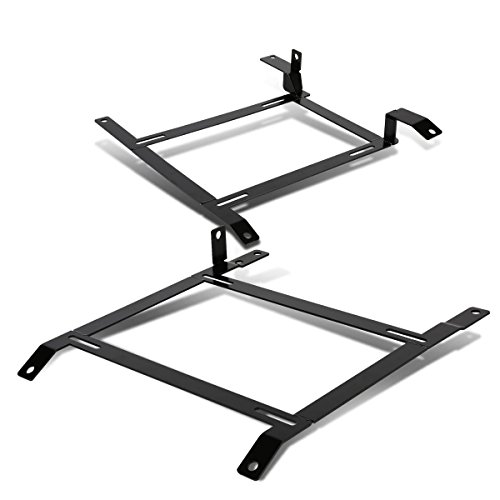
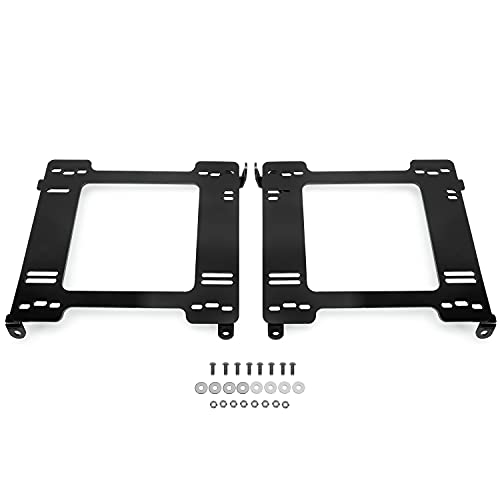
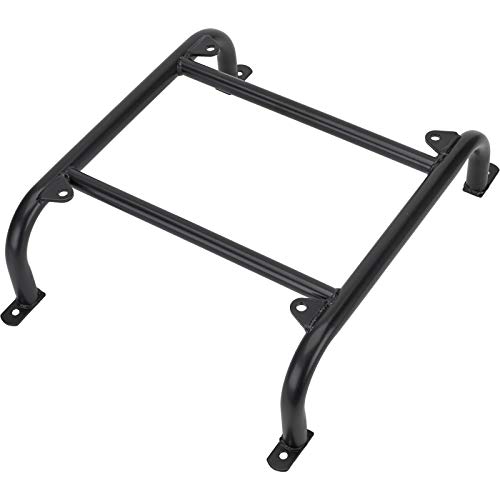
Every vehicle has its own factory bolt pattern built into the floor pan, and that pattern rarely matches the bolt spacing on an aftermarket seat's base. A bracket exists specifically to translate one pattern into the other, so choosing among the best automotive seat brackets isn't really about which one looks the sturdiest on a shelf. It's about which bracket was actually designed around your vehicle's year, make, and model.
Generic "universal" brackets can work, but only when you verify the hole spacing, offset, and height against your specific floor pan measurements rather than trusting the word "universal" on the box. A bracket that's a close fit but not exact often forces you to drill new holes in the floor pan, which weakens the structure and can undercut the seat's intended crash performance entirely.
If you're not confident measuring bolt spacing yourself, pull your vehicle's service documentation or ask a shop that specializes in seat swaps to confirm compatibility before you buy. That extra step costs a few minutes and saves you from returning a bracket that never should have fit in the first place.
Sliders, Adapters, and Locking Mechanisms: Choosing the Right Type
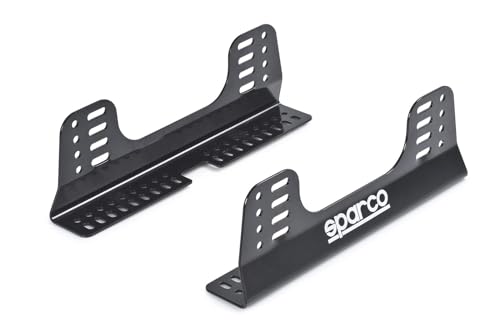
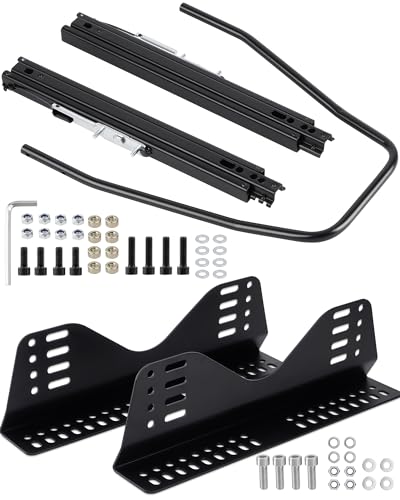
Most seat bracket kits include a slider, the rail system that lets the seat move forward and back. Sliders vary a lot in build quality, and the locking mechanism that holds the seat in position is where budget kits usually cut corners first.
Look for a slider with a positive double-locking mechanism, meaning it locks on both rails independently rather than relying on a single latch. A single-point lock can fail under hard braking or in a crash, letting the seat slide forward exactly when you need it to stay put.
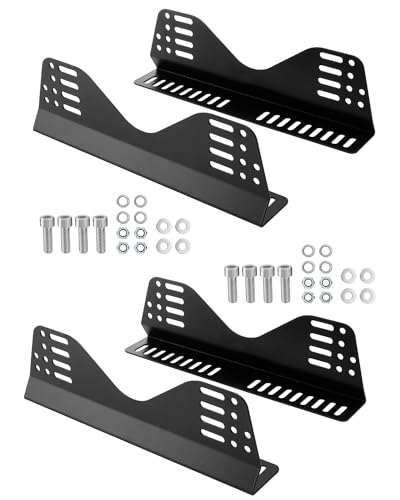
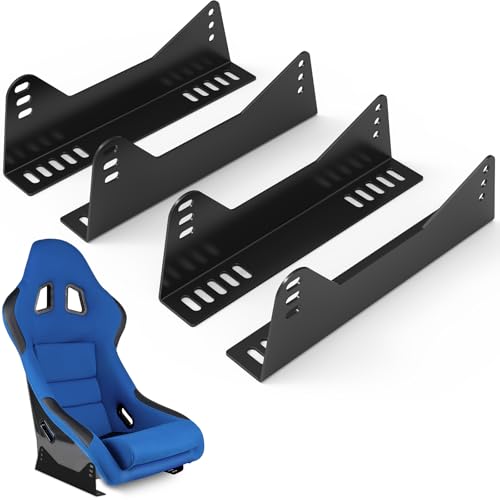
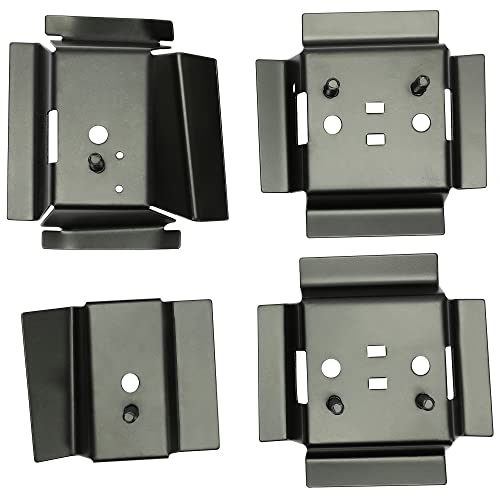
Adapter plates, the flat pieces that sit between the slider and the seat base, need to match the seat's own bolt spacing just as precisely as the bracket needs to match your floor pan. Two mismatched measurements, one at the floor and one at the seat, is a common reason installs end up wobbly even when each individual part seemed fine on its own.
Steel Gauge, Weld Quality, and Hardware Grade That Actually Hold Up
A bracket's steel gauge determines how much load it can carry before it bends or cracks, and this matters more in a seat bracket than in almost any other interior part. Thicker gauge steel with clean, continuous welds resists the twisting and shearing forces that happen in even a moderate-speed impact.
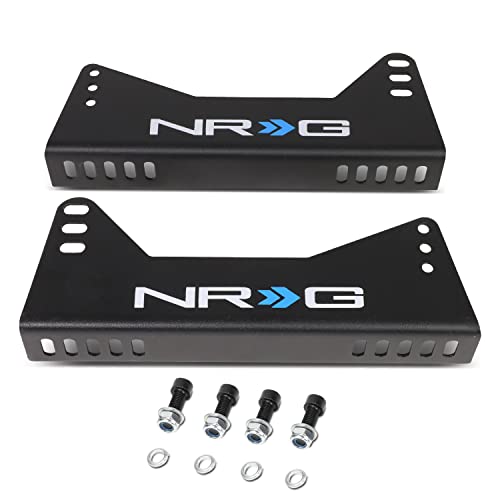
Hardware grade matters just as much as the bracket itself. Fasteners rated at a high tensile grade, not the mild bolts sometimes bundled with budget kits, are what keep the bracket attached under real-world crash forces. Reusing whatever bolts happen to be sitting in your garage is one of the fastest ways to undo an otherwise solid bracket choice.
Look for brackets with visible, continuous welds and a manufacturer that publishes load ratings rather than vague marketing language. A seller who can't tell you how much force the bracket is rated to withstand usually can't tell you because it has never been tested.
How Aftermarket Brackets Interact With Airbags, Sensors, and Seatbelt Geometry
Many vehicles built from the mid-2010s onward have seat-mounted side airbags, seat position sensors, or occupant classification sensors built into the factory seat and its mounting hardware. Swapping to an aftermarket seat and bracket on one of these vehicles can disconnect those systems entirely, which often triggers a dashboard warning light and, more importantly, removes a layer of crash protection the factory design was built around.
Bracket height also changes how your seatbelt lines up across your chest and hips. A bracket that sits too low or too high shifts that geometry enough to reduce how well the belt does its job in a crash, even when the seat itself is well built.
Older vehicles without seat-integrated airbags and sensors are generally far more forgiving for this kind of swap. If your vehicle is newer, it's worth checking whether the bracket kit accounts for your factory sensors before you commit to the install.
Mistakes That Turn a Simple Swap Into a Safety Risk
- Buying a universal bracket without confirming exact hole spacing for your specific vehicle
- Skipping the torque spec on mounting bolts and just tightening until it feels solid
- Ignoring seat-mounted airbags or sensors that the new bracket doesn't accommodate
- Choosing a slider based on price alone instead of its locking mechanism
- Reusing old, corroded, or mismatched hardware instead of the fasteners specified for the bracket
Most bracket failures trace back to one of these shortcuts rather than a defective part. Slowing down during installation, and rechecking torque after the first few weeks of driving as parts settle, prevents nearly all of them.
Frequently Asked Questions
Do I need brackets made for my specific vehicle, or will a universal bracket work?
A universal bracket can work if you verify its exact hole spacing, offset, and height against your vehicle's floor pan first. Vehicle-specific brackets remove that guesswork since they're designed around one exact bolt pattern. If you can't confirm the measurements yourself, a vehicle-specific option is the safer bet.
Are aftermarket seat brackets as safe as the factory mounts?
They can be, but only when the steel gauge, weld quality, and hardware grade match or exceed factory specifications. A well-built bracket rated for real load figures holds up fine. A budget bracket with no published rating is a genuine unknown in a crash.
What is the difference between a seat bracket and a seat slider?
The bracket is the base plate that bolts to your vehicle's floor and matches its bolt pattern. The slider sits on top of the bracket and lets the seat move forward and back, and its locking mechanism is what keeps the seat from shifting once you've set your position.
Will installing an aftermarket seat and bracket trigger a warning light?
On many vehicles built from the mid-2010s onward, yes. Factory seats often contain airbags or sensors that connect through the mounting hardware, and disconnecting them when you swap seats commonly triggers a dashboard warning. Older vehicles without seat-integrated electronics are usually unaffected.
Can I install seat brackets myself, or do I need a professional?
Many enthusiasts install brackets themselves with basic hand tools, a torque wrench, and their vehicle's factory floor pan measurements. If your vehicle has seat-mounted airbags or sensors, or you're not confident measuring bolt patterns accurately, having a shop handle the install is worth the cost.
How often should I check the torque on seat mounting bolts?
Check torque again after the first week of driving, since new hardware tends to settle slightly under regular use. After that, a quick check every few months, or whenever you notice any movement in the seat, keeps the mounting hardware doing its job.
Do seat brackets change how high or how far back I can sit?
Yes, bracket height and slider length both affect your final seating position, sometimes more than the seat itself does. It's worth checking a bracket's mounting height against your current seating position before buying, especially if legroom or visibility over the dash is already tight.
Making the Right Call on Seat Brackets
The right seat bracket isn't the one with the most attractive price tag, it's the one matched precisely to your vehicle's bolt pattern, built from steel and hardware that can absorb real crash forces, and installed with the torque checks that keep it that way. Take the time to verify fit and ratings before you buy, and the best automotive seat brackets for your vehicle will earn their keep for years of driving.