Best Foot Spa Machine: What to Know Before You Buy
After a long shift on your feet, a workout, or a day spent chasing kids around, few things feel as good as sinking your feet into warm, bubbling water. That's the appeal of a best foot spa machine, and it's why these countertop soakers have become one of the most popular at-home relaxation buys. But not every model delivers the same experience, and some features that sound impressive on a product page barely matter once you're actually using one. This guide walks you through how these machines work, what size and safety details to check, and how to keep one clean, so you know exactly what to look for before you buy.

What Makes a Foot Spa Machine Actually Work
Most shoppers assume every model on the market works the same way, but there's a real mechanical difference between a true foot spa and a plain foot massager, and it changes how the machine feels in use.
Heated Water vs. Just a Warm Soak
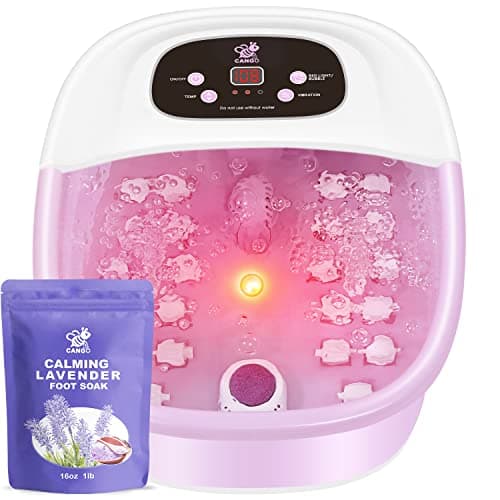
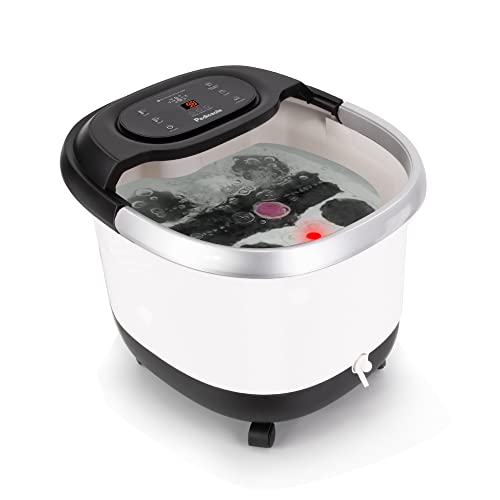
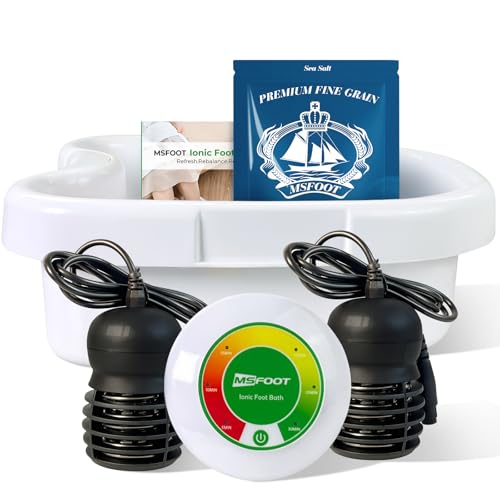
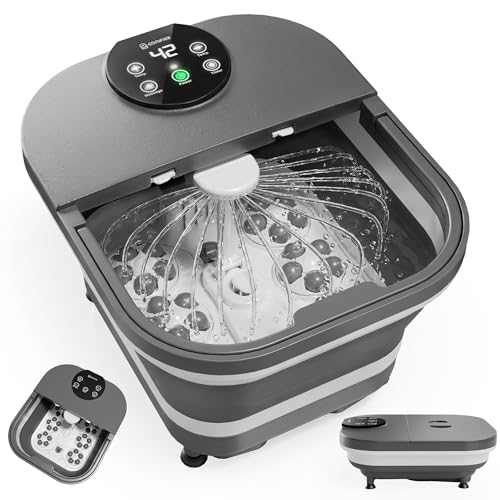
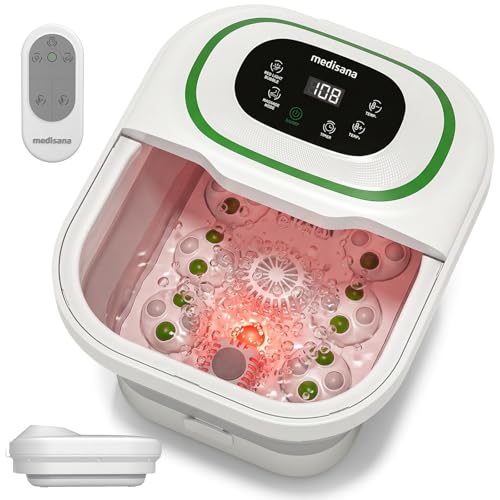
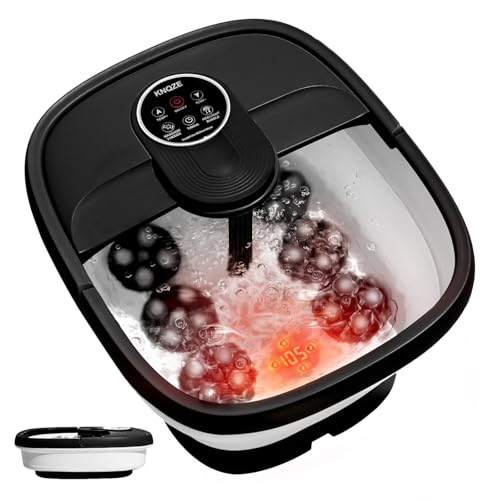
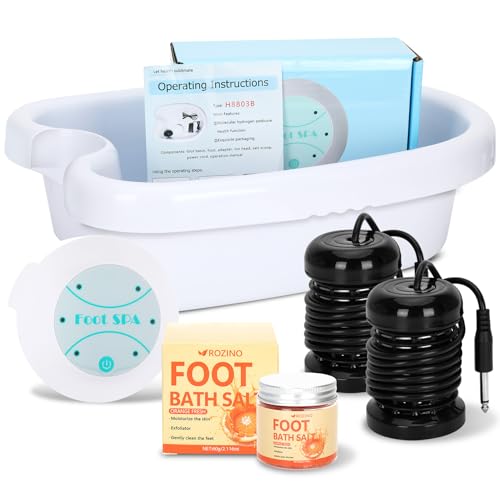
A genuine foot spa machine heats water and holds that temperature for the length of your soak, rather than just letting hot tap water cool off. Look for a unit with an active heating element and a temperature display or indicator light, not just an insulated basin. Models without active heating will feel noticeably lukewarm within ten or fifteen minutes, which defeats the point of a longer soak.
Massage Rollers, Shiatsu Nodes, and Bubble Jets
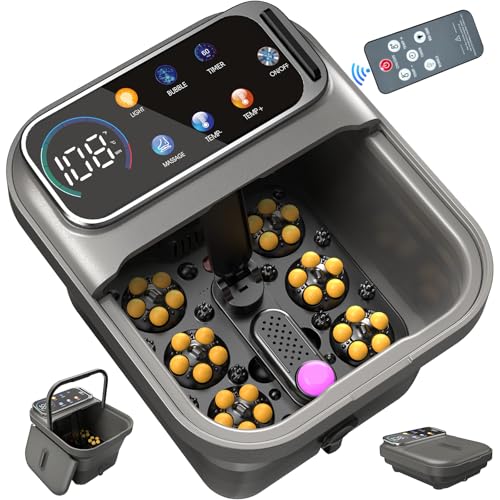
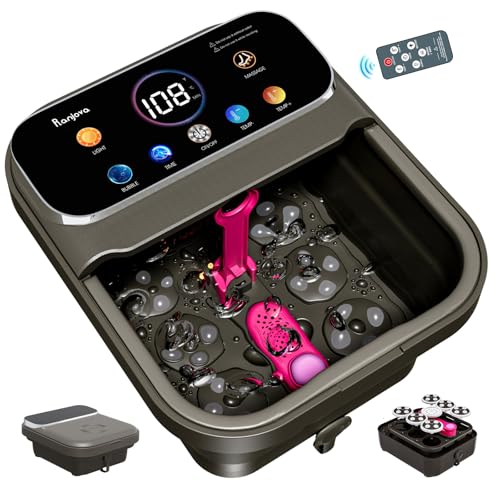
This is where a foot spa earns its name over a simple basin of water. Rollers built into the floor of the tub let you roll the arch of your foot back and forth for targeted pressure, while shiatsu nodes vibrate or pulse against the sole. Bubble jets add a gentler, whole-foot sensation and also help keep the water circulating so heat distributes evenly. If circulation and muscle relief matter more to you than a simple soak, the same kind of node-based technology shows up in devices like the best back massagers, so it's worth comparing how firm or gentle the massage feels before you commit to one style.
Finding the Right Size and Water Capacity
Size is one of the most overlooked details when shopping for a best foot spa machine, and it's a common source of buyer's remorse.
Basin Depth and Width for Larger Feet
Basins vary more than you'd expect. Some are shallow and narrow, built mainly for average shoe sizes, while others are deep and wide enough to comfortably fit larger feet, sometimes up to men's size 13. If you or the person using the spa has larger feet, check the listed interior dimensions rather than assuming "one size fits all," since a cramped basin makes the rollers and jets far less effective.
How Much Water You'll Actually Need
Capacity matters too. A shallow fill only covers the sole of your foot, while a deeper basin can submerge your feet up to the ankle for a more complete soak. Higher-capacity models take longer to heat and use more water per session, so weigh that against how often you plan to use it and where you'll store it between soaks.
Is a Foot Spa Safe for Your Feet
Heat and massage feel great for most people, but a foot spa isn't automatically safe for everyone, and this is worth understanding before you buy one.
Special Care If You Have Diabetes or Reduced Sensation
If you have diabetes, neuropathy, or any condition that reduces feeling in your feet, hot water combined with reduced sensation is a documented burn risk, since you may not notice water that's too hot until damage is already done. Talk to your doctor or podiatrist before regular use, keep the temperature on the lower end, and always check the water with your hand first rather than relying on the display alone.
When to Skip the Soak
Skip the soak entirely if you have open wounds, cuts, active infections, or foot ulcers, since warm water and massage can spread bacteria or slow healing in these cases. A foot spa is meant for everyday relaxation and mild circulation support, not as a treatment for an existing foot injury.
Keeping Your Foot Spa Clean and Mold-Free
A foot spa sits full of warm water, which is exactly the kind of environment mold and bacteria thrive in if you don't dry it out properly between uses.
A Simple After-Use Routine
Empty the basin right after each use rather than letting water sit, rinse it with clean water, and wipe down the jets, rollers, and corners where residue tends to collect. Once a week or so, run a mix of water and a small amount of vinegar through the unit for a few minutes, then rinse thoroughly, since harsh bleach or detergent can damage plastic components and rubber seals over time.
Storing It Between Uses
Dry the interior completely with a soft cloth before putting it away, paying attention to grooves around the control panel where moisture likes to hide. Store the unit in a dry, ventilated spot rather than a damp bathroom cabinet, and coil the cord loosely so it doesn't kink or fray near the plug. If your bathroom already tends to stay humid, running one of the best dehumidifiers for bathrooms nearby can help keep mold from creeping back in between soaks.
What Extra Features Are Worth Paying For
Once you've covered the basics, a few extra features can make a real difference in day-to-day convenience, while others are mostly marketing.
Controls and Convenience
A remote control or toe-touch buttons let you adjust heat, bubbles, and massage settings without bending down, which matters more than it sounds like once you're mid-soak. A visible splash guard or lip around the basin also cuts down on spilled water and makes cleanup faster.
Add-Ons That Make a Real Difference
Some models include a removable pumice stone or brush attachment for light exfoliation, which is genuinely useful if you also want to smooth rough skin during your soak. Removable massage rollers are handy too, since you can take them out entirely if you prefer a plain, gentle soak on some days. If you're building a broader home relaxation setup, pairing a foot spa with something like a bath pillow for your upper body can round out the experience without adding much cost.
Frequently Asked Questions
Are foot spas safe for people with diabetes?
They can be, but only with caution. Reduced sensation raises the risk of burns from water that feels cooler than it actually is, so check the temperature manually, keep it moderate, and talk to your doctor before making it a regular habit.
What is the difference between a foot spa and a foot massager?
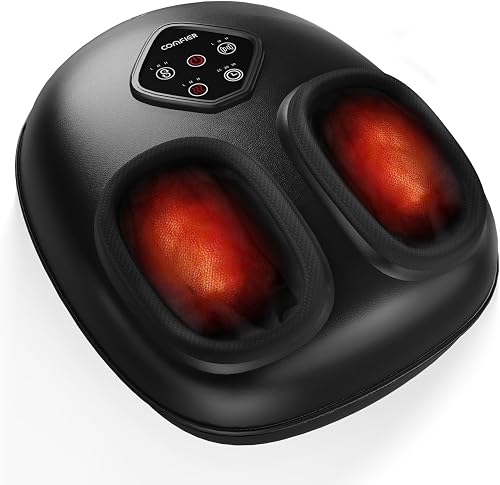
A foot spa uses warm water, bubbles, and rollers for a wet soak, while a foot massager works dry, using motion, pressure, or air compression against your feet with no water involved. Foot spas are better for warmth and relaxation, while massagers are often more targeted for deep muscle relief.
How do you clean a foot spa machine?
Empty and rinse it after every use, then do a deeper clean weekly with a diluted vinegar solution run through the jets. Dry it completely before storing to prevent mold and odor from building up inside.
Can you put Epsom salt in a foot spa?
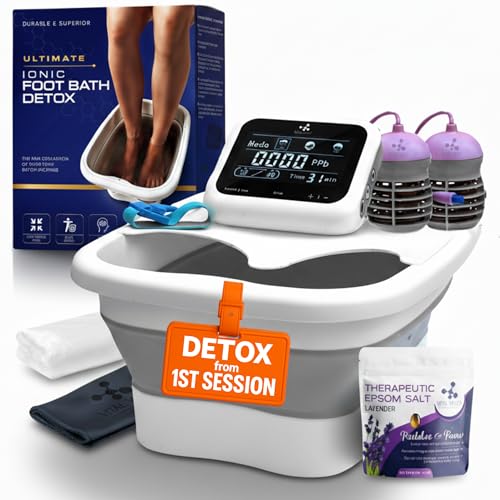
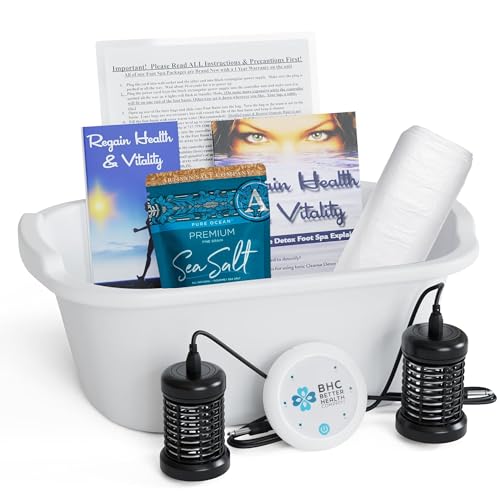
Check your manual first, since salt and mineral flakes can clog bubble jets on some models. If salt use isn't recommended, gentler additives like a few drops of essential oil are usually a safer alternative.
How long should you soak your feet in a foot spa?
Fifteen to twenty minutes is typically enough to feel the benefits without over-softening the skin or overtaxing the heating element. Longer sessions rarely add much extra benefit and use more water and power.
What size feet can a foot spa fit?
It depends on the model. Compact basins are built for average shoe sizes, while larger units are designed to comfortably fit bigger feet, sometimes up to men's size 13, so check the interior dimensions if sizing is a concern.
Do foot spas help with foot odor?
Warm water and gentle massage can help reduce odor by improving hygiene and circulation, and some people add a few drops of tea tree oil for its natural antibacterial properties. A foot spa isn't a medical treatment for persistent odor or fungal issues, though, so see a podiatrist if the problem doesn't improve.
Making Your Decision
The right foot spa machine comes down to matching real features, like active heating, a basin sized for your feet, and easy-to-clean materials, against how you actually plan to use it. Skip the models that pile on gimmicky extras and focus on the fundamentals covered here. Once you know what to check, finding a machine that fits your routine and your feet becomes a much easier call.