Best Clipper Sets 2026: Types Compared and How to Choose
Disclosure: We may earn a commission when you buy through links on this page, at no extra cost to you. As an Amazon Associate I earn from qualifying purchases. Learn more

Compare hair, nail, and barber clipper sets by blade type, power, and kit contents so you choose a set that matches the cuts you actually do at home.
Choosing the best clipper sets can feel confusing when every option claims to be the right fit. This guide cuts through that noise with clear checks you can use in a shop or at home. The comparison table below shows the main types side by side, so you can see trade offs before you spend money.
Use this guide for home grooming and trimming. It explains what matters, what to skip, and how to match features to your real routine. By the end, you should know which type suits you and which details deserve a closer look.





Who Should Buy Which Type?
Home users who cut their own hair or family hair benefit most from a mid range set with the right combs. Barbers and frequent users need stronger motors and easier blade care. Occasional trimmers can stay simple, provided the blade still cuts cleanly without pulling.
Key Features Explained
Blade Type and Cutting Length
Stainless blades stay sharp with basic care, while ceramic blades often run cooler during longer cuts. Adjustable blades and guide combs decide how many lengths one set can cover. Check that the shortest and longest settings match the styles you cut most often.
Power and Battery Life
Corded sets never run flat mid cut, which suits thick hair and long sessions. Cordless sets give freedom around the head but need charging discipline. Look at run time on a full charge and whether the set also works while plugged in.
Kit Contents
A useful kit includes the combs you will actually use, blade oil, a cleaning brush, and a storage case. Extra combs you never touch add cost without value. Count the pieces against your routine, not against the box count.
Cleaning and Care
Detachable blades are easier to brush clean and oil. Sets that trap hair around the blade need more attention after every cut. Simple care keeps cutting smooth and helps blades last longer.
Types Compared
| Type | Best For | Key Trade Off |
|---|---|---|
| Hair Clipper Sets | Home haircuts, fades and tidy ups for the family | Comb count can hide a weak motor |
| Barber Style Sets | Frequent cutting and closer control | Heavier, louder and more costly than home kits |
| Nail Clipper Sets | Household nail care and travel kits | Cannot stand in for a hair clipper |
Hair Clipper Sets
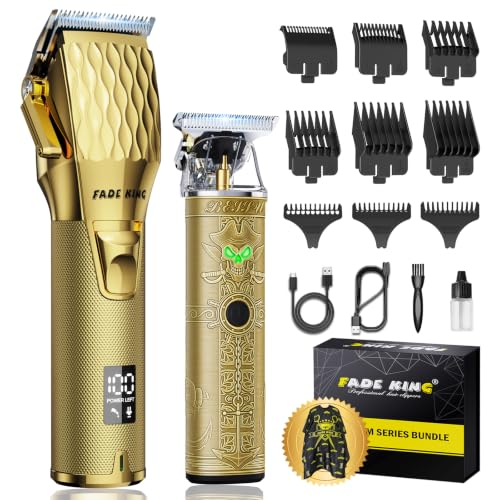
Hair sets focus on head hair, with combs for fades, tapers, and even lengths. They suit home haircuts and family use. They are not the right tool for fine nail work.
Barber Style Sets
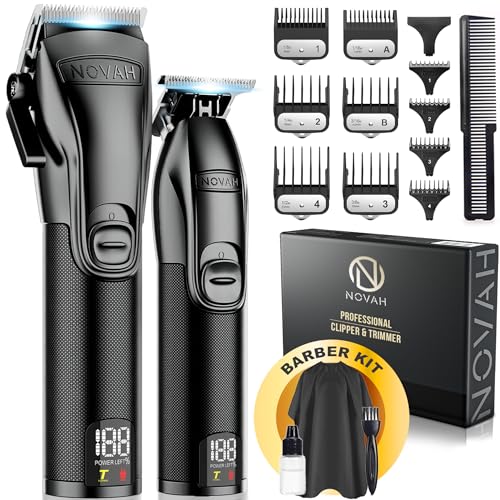
Barber style sets add finer adjustments and sturdier motors for frequent use. They suit people who cut hair often or want closer control. They cost more, so casual users may not need the extra power. If you cut hair for a living, our guide to the best clipper sets for barbers goes deeper on motors, zero gapping and shift long comfort.
Nail Clipper Sets
Nail sets focus on safe, controlled trimming with smaller blades and files. They suit household nail care and travel kits. They cannot replace a hair clipper, so keep the two jobs separate. For that category on its own, see our guide to the best nail clipper sets.
Common Mistakes to Avoid
The most common mistake is buying the largest kit instead of the right combs. A set with twenty attachments sounds generous, but only the lengths you use matter. Match combs to real haircuts first, then look at the rest of the kit.
A second mistake is judging a cordless set by its headline run time alone. Many cheap sets lose blade speed as the battery drains, so the last cut of the evening pulls hair even though the clipper still runs. Look for a set that holds a steady speed or that also runs on the cord, and treat a stated run time as an optimistic figure.
A third is skipping the taper lever. A fixed blade with combs can do even cuts, but blending a fade without a lever means swapping combs constantly and still leaving lines. If anyone in the house wants a fade, a lever that moves smoothly between lengths is worth more than extra combs.
How to Cut at Home With a Clipper Set
Start on clean, dry hair, since wet hair clogs most home clippers and hides the true length. Pick a longer comb than you think you need for the first pass, work against the direction of growth, and keep the clipper flat against the head with slow, overlapping strokes. Drop one comb length at a time around the sides and back, then blend the line between lengths with the taper lever open or a half step comb. A hand mirror and a second person for the back of the head prevent most home haircut regrets.
For a tidy up between barber visits, use the clipper with a long comb to even out the sides and a trimmer or the bare blade to clean the neckline. Stop when it looks right rather than chasing perfect symmetry, because every extra pass takes more hair off and nothing puts it back.
Noise, Weight and Comfort
A home clipper that rattles makes children squirm and tires your wrist on a long cut. Rotary and brushless motors run quieter and smoother than cheap magnetic motors, which buzz loudly and vibrate through the handle. Weight matters less at home than in a shop, but a very heavy clipper feels clumsy around the ears, and a very light one can feel flimsy. Hold the clipper in the shop if you can, or check that the maker lists the weight with the comb and battery included.
Blade heat is the other comfort point. Steel blades warm up after a few minutes of cutting, and ceramic cutting blades stay cooler, so a ceramic blade suits longer family cutting sessions. A light coat of oil before each session reduces friction and heat on either material.
Budget, Mid Range and Premium Home Sets
Budget sets around $20 to $40 usually offer a magnetic or basic rotary motor, plastic combs and a short warranty. They cut fine hair cleanly and suit occasional trims, but thick hair bogs them down and the combs flex over time. Mid range sets around $40 to $90 add stronger motors, steadier cordless power, a taper lever and sturdier combs, which is where most families get the best value.
Premium home sets above about $90 borrow barber features such as metal combs, brushless motors and premium blades. They make sense when you cut several heads a month or want a fade at home, and less sense for a quarterly tidy up.
Keeping a Clipper Set Working for Years
Brush the hair out of the blade after every cut, add one drop of oil to the teeth while the clipper runs, and wipe the body before it goes back in the case. Store combs clean and dry so they do not warp, and keep the blade guard on in the drawer to protect the teeth. Charge cordless sets fully before storing them for a few weeks, and top them up monthly, because a battery left flat for a season often will not recover.
When cutting starts to drag or pull even after cleaning and oiling, the blade is dull or out of alignment. Many home sets accept replacement blades for less than the price of a new clipper, so check the maker site before you replace the set. Keep the receipt and the manual together in the case for warranty questions.
Frequently Asked Questions
How often should clipper blades be oiled?
Oil blades after a few cuts, or whenever cutting starts to drag or sound rough. A single drop spread across the blade is usually enough, and excess oil should be wiped away. Regular oiling keeps cuts smooth and protects the motor.
Are cordless clippers strong enough for thick hair?
Many are, but run time and motor strength vary a lot between models. Thick or coarse hair needs a stronger motor and a full charge before you start. Corded sets remain the safer pick for very long or very thick cuts.
What combs do most home users actually need?
Most home cuts use three or four lengths, not a full range. A short, a medium, and a longer comb cover fades, even cuts, and tidy ups. Extra combs are only useful if you already know you will use them.
Can one set cover hair and nails?
No, because hair blades and nail tools are built for different jobs and different safety needs. Using a hair clipper on nails risks injury and dulls the blade. Keep a separate small nail set for nail care.
How do I keep a clipper set in good shape?
Brush hair from the blade after each cut, oil on schedule, and store the set dry in its case. Dull blades pull hair instead of cutting it, which is a sign to clean, oil, or replace the blade. Good care extends the life of the whole set.
Final Thoughts
The right choice among the best clipper sets is the one that fits your routine, your space, and your budget without forcing painful compromises. Match the combs to the cuts you actually do, favor a steady motor and a smooth taper lever over a tall comb count, and keep the blades clean and oiled. Use the checks in this guide, compare the product table above, and choose the type you will enjoy using every few weeks.