Best Compressed Towels of 2026: Complete Buying Guide
Disclosure: We may earn a commission when you buy through links on this page, at no extra cost to you. As an Amazon Associate I earn from qualifying purchases. Learn more

Compare the best compressed towels by fiber, expanded size, thickness and pack count, with storage tips and clear advice for travel and home use.
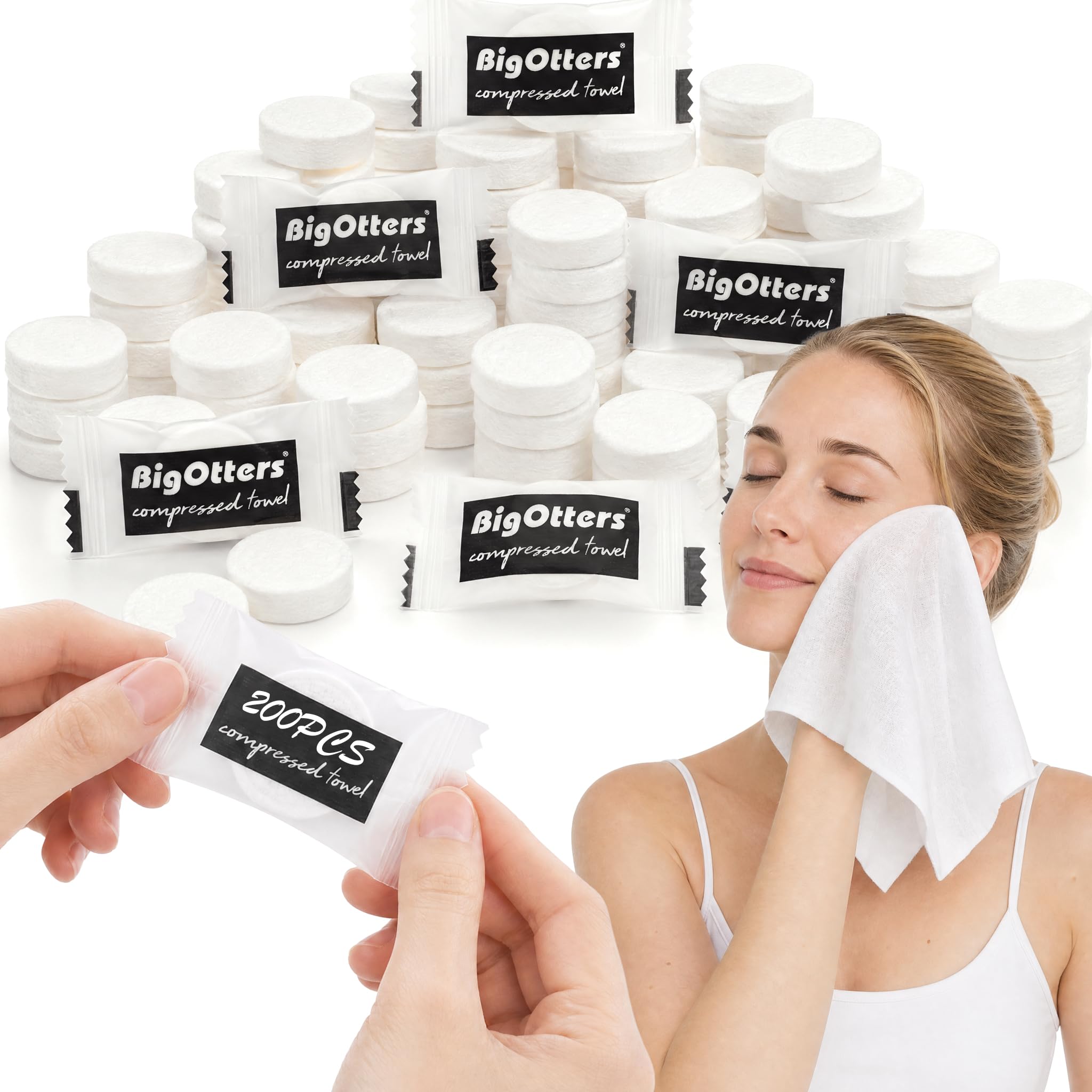
A compressed towel starts as a small dry disc and opens into a usable cloth once you add water. That simple idea solves real packing problems, but packs differ a lot in fiber, size and strength once wet. The best compressed towels for you depend on where you will use them, so use the comparison table below to check the details that matter most.
Think about your main use first. A face cloth for a flight, a body towel for camping and a cleanup cloth for a car kit all ask for different sizes and thicknesses. The sections below match each use to fiber, expanded size, pack count and storage, so you can buy one pack that fits your routine.




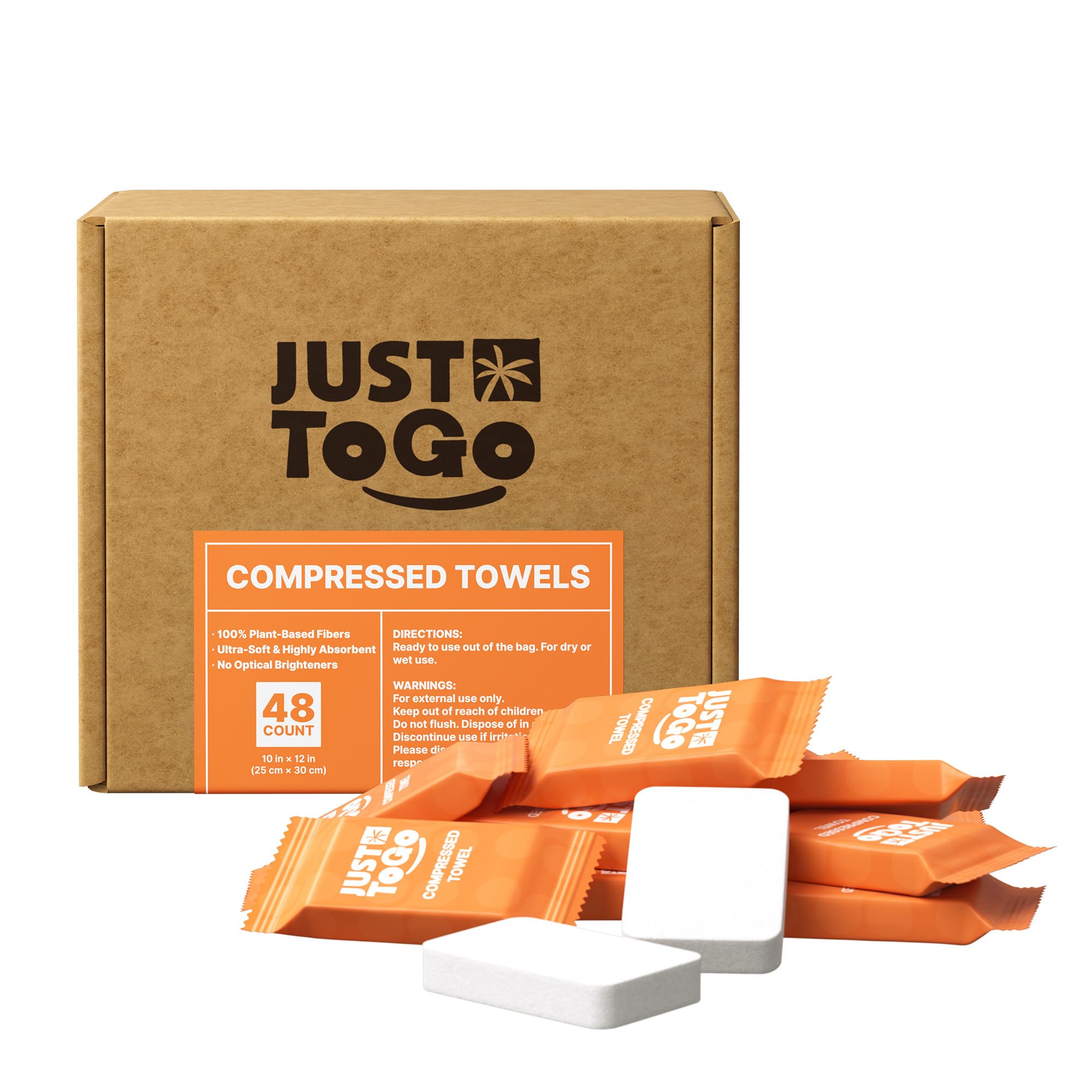
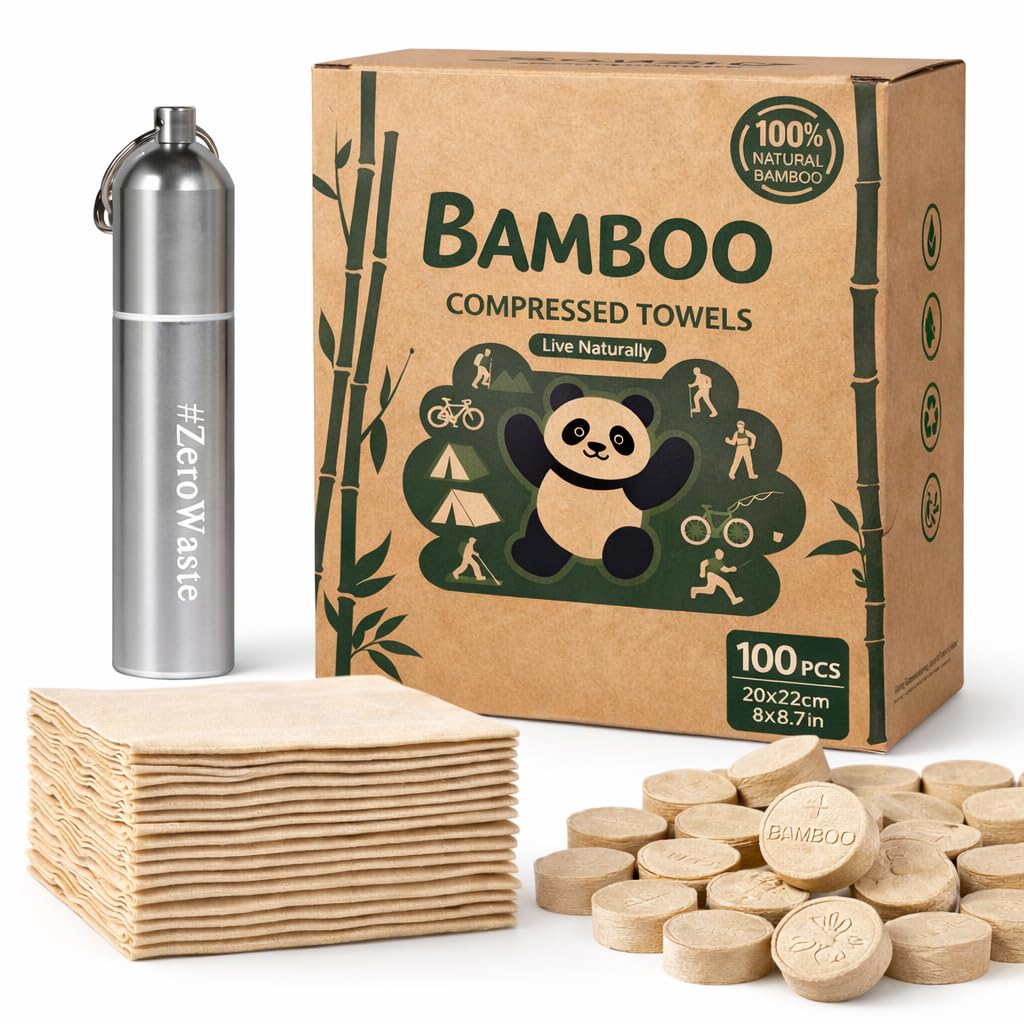
Who Should Buy Compressed Towels?
Buyers fall into clear groups, and each group should weight size, thickness and pack count differently.
Travelers and Campers Who Pack Light
You carry everything yourself, so saved space and low weight matter on every trip. Choose small or medium discs that open to face and hand size, and keep a few in a sealed pocket of your bag. A thicker cloth is worth its tiny extra space if you will wash your whole body at a camp sink, because a thin cloth can tear during that job.
Drivers, Hosts and Anyone Stocking a Spare Kit
You want a towel ready for spills, guests or a roadside cleanup, even after months in a drawer or glove box. Choose a mid size pack with a sturdy outer pouch that keeps discs dry and clean. If you need daily drying at home, see our guide to the best bathroom towels for that separate job.
Parents, Coaches and Cleanup Crews
You deal with muddy hands, spilled drinks and quick face wipes after games or meals. Choose plain unscented towels in a larger count pack, since you will reach for them often and scent can bother young users. Keep packs in the car, the sports bag and the kitchen drawer, so a clean cloth is close when a mess happens.
Key Features to Compare
When you shop for best compressed towels, compare the six factors below in order, because a low pack price means little if the cloth opens too small or falls apart when wet.
Fiber and Feel on Skin
Most discs use viscose made from plant pulp, while others use cotton or bamboo fiber. Viscose feels smooth and opens fast, cotton feels familiar and a little firmer, and bamboo fiber is often chosen for its soft hand feel. Fiber also affects how the cloth holds together when wet. If you are comparing everyday fabric quality as well, see our guide to the best quality towels for standard towel fibers.
Compressed Size and Expanded Size
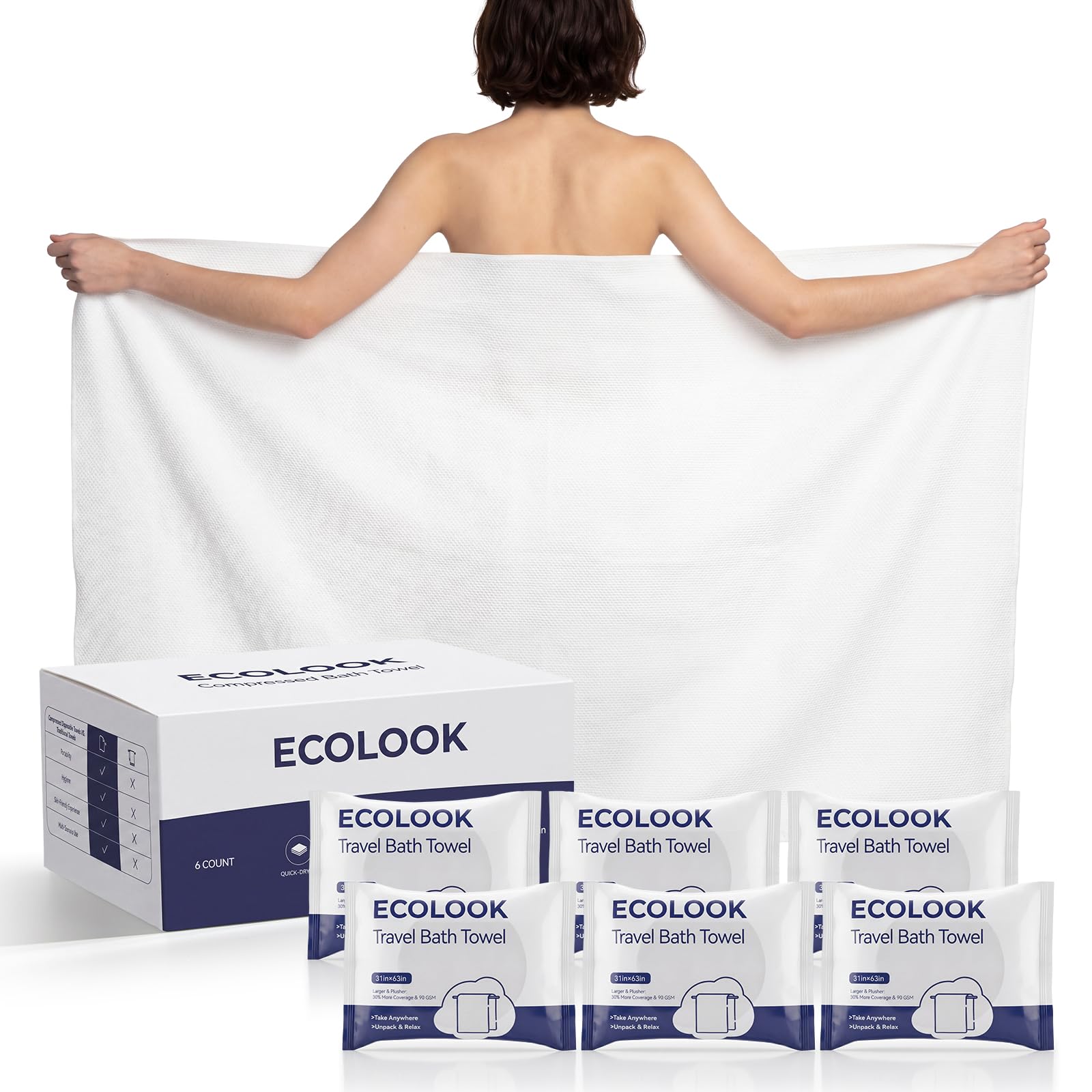
A typical small disc is about 1 inch across and opens to about 10 by 12 inches, which suits faces and hands. Larger discs open to about 20 by 28 inches or more, giving you a body size cloth for camping or guest use. Always judge a pack by its expanded size, not its tiny dry size. Buyers who need full body coverage should skip face size packs, because two thin cloths are awkward in use.
Thickness, Wet Strength and Absorbency
Thickness decides whether a cloth survives wiping shoes, scrubbing a table or washing your body. Thin cloths suit one gentle face wipe, while thicker cloths absorb more water and resist tearing when you wring them out. Makers do not always list GSM for this product, so dry weight for each towel is a useful clue. Choose the thicker option for repeated wiping, and save thin packs for light tasks.
Water Needed and Ease of Opening
A disc needs only a small splash of clean water, often about 1 to 2 tablespoons, and it softens within seconds. Unroll it gently with your fingers rather than pulling hard at the center, which can tear a partly dry core. This matters when water is limited on a trail or flight, so practice with one disc at home first.
Pack Count, Packaging and Cost Per Towel
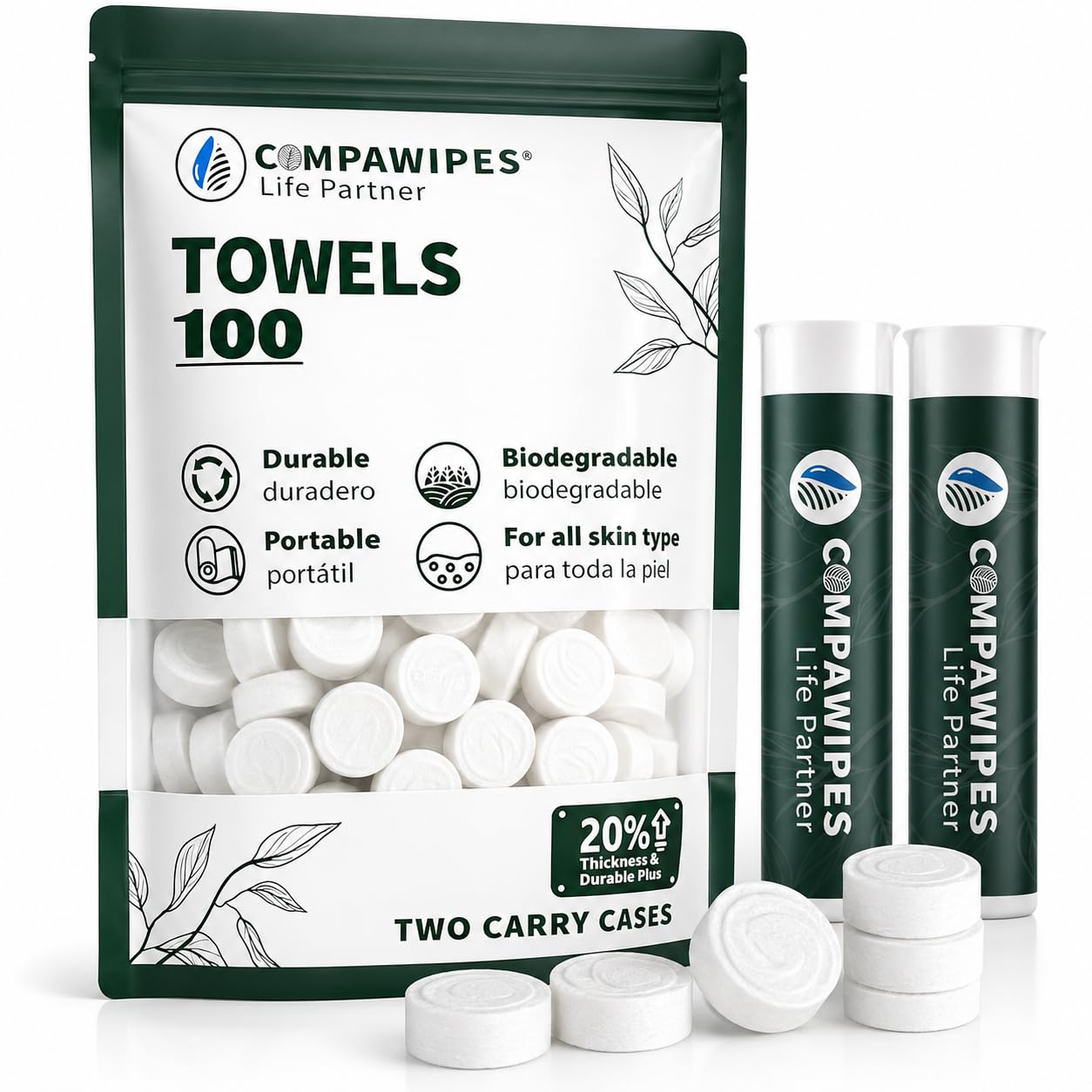
Packs range from a handful of discs to bulk bags of 100 or more, and the fair comparison is cost for each towel rather than cost for each pack. Small sealed tubes suit a purse or pocket, while flat bulk bags suit a home drawer. Packaging should reseal or stay closed, because loose discs collect dust and moisture. Buy a count that matches your use rate.
Scent, Additives and Skin Safety Labels
Plain unscented towels are the safest default for faces, children and frequent use, while scented versions are better kept for hands and surfaces. Some packs carry an OEKO TEX label, which means the cloth was tested for harmful substances under that standard. Stop using a towel if it causes itching or a rash, rinse your skin, and seek medical advice if irritation spreads or does not settle.
Types of Compressed Towels Compared
Most packs fit one of three patterns. Match the pattern to your use.
Everyday Value Packs for Hands and Faces
These are thin to medium cloths sold in larger counts at a low cost for each towel. They suit hand drying, face wiping and small spills, and they are the sensible choice for cars, offices and sports bags. Their limit is wet strength, so do not expect one cloth to handle heavy scrubbing.
Thicker Premium Packs for Body Use
These cloths use more fiber in each disc, so they open larger, absorb more and feel closer to a normal washcloth. They suit camping showers, guest kits and travel where you still want a comfortable wash. If that comfort matters every day at home, see our guide to the best quality bath towels for full size options. Reserve them for body use, since they cost more for each towel.
Plant Fiber Packs for Lower Waste Routines
These packs use cotton, bamboo fiber or plain viscose without added scent, and many buyers choose them to avoid plastic based cloths. Check the label for the exact fiber and for disposal guidance, because claims vary by maker. Plain plant fiber cloths still belong in the trash after use in most places, not in a home compost bin. Choose them when fiber source matters to you.
Common Mistakes to Avoid
Most regrets with this product come from a few simple buying errors.
- Judging a pack by its tiny disc size leaves you with a face cloth when you needed body coverage.
- Buying the thinnest pack for heavy cleanup leads to tearing halfway through the job.
- Choosing scented towels for young children can cause complaints about smell and skin feel.
- Storing loose discs in a damp bathroom softens them early and ruins their clean, ready state.
- Paying for a bulk bag you rarely use ties up money while the open pack gathers dust.
- Using river or puddle water to open a face towel puts dirty water directly on your skin.
Storage, Use and Care for Compressed Towels
Store packs in a dry place away from sinks, showers and car heat, and keep the outer bag or tube closed between uses. Moisture is the main enemy, because a disc that absorbs damp air can swell and pick up odor before you need it. Check emergency packs every few months, replace any that smell musty, and rotate older packs to the front.
To use a towel, place the disc in your palm or a clean cup, add a small splash of clean water, and let it soften fully before you unroll it. Use the cloth gently, since hard pulling on a partly dry center can start a tear. Most discs are made for single use, although a thicker one can be rinsed and used once more for hands or surfaces, not for faces.
FAQ
Are thicker compressed towels worth the extra cost?
Yes, thicker compressed towels are worth the extra cost when you wash your body or clean a large spill. The added fiber gives you more absorbency and a cloth that survives wringing. For a single hand wipe after a meal, that extra fiber brings little benefit. Keep one premium pack for trips and a value pack for daily small jobs.
How do you keep compressed towels fresh during long storage?
You keep compressed towels fresh by storing each pack sealed, dry and away from bathroom steam. Write the month you opened the pack on its bag with a marker, so you know which pack to finish first. A small dry box also keeps discs from being crushed by heavier gear. If a disc smells musty when opened, throw it away.
What fabric weight is best for a compressed towel?
The best fabric weight for a compressed towel depends on the job, with heavier discs suiting body use and lighter discs suiting faces. Since GSM is rarely listed for this product, compare the dry weight of each disc when the pack page gives it. A heavier disc of the same expanded size almost always feels sturdier.
Can you wash and reuse a compressed towel?
You can rinse and reuse a thicker compressed towel once for hands or a counter, but you should not treat it as a normal washable towel. Fibers in most discs are bonded for short use, so machine washing usually leaves them limp or torn. Hang a rinsed cloth fully open to dry, and retire it when the edges fray. For faces, always start fresh.
How much water does a compressed towel need to open?
A compressed towel needs very little water to open, often just a splash that covers the disc. In a dry camp or aircraft seat, drip water from a bottle cap a little at a time until the disc softens. Adding too much water at once only leaves the cloth dripping. Carry an opened disc in a small sealed bag if you need it soon.
Our Verdict
Start with expanded size, then choose thickness for your hardest task, and only then compare pack counts and cost for each towel. Plain fiber and sound packaging will serve you better than scent or fancy claims. Use the product table above to confirm size and count.
Chosen with those points in mind, best compressed towels turn a tiny disc into a clean, ready cloth wherever water is available. Keep a small pack in every place you tend to need one.