Best Clipper Sets for Barbers 2026: Complete Buying Guide
Disclosure: We may earn a commission when you buy through links on this page, at no extra cost to you. As an Amazon Associate I earn from qualifying purchases. Learn more

Clipper sets for barbers must cut cleanly through a full day of clients, with power, blade choice, and comfort to match. Learn motors and blades first.
A barber clipper has a harder life than any home grooming tool. It runs for eight hours, meets every hair texture that walks through the door, gets dropped on tile, and still has to leave a clean fade at the end of the day. The best clipper sets for barbers are built around that workload: a motor that does not bog down in thick hair, blades that adjust and zero gap cleanly, and a kit that covers bulk cutting, blending and lineups without a trip to the supply shop.
This guide explains what separates a shop grade set from a bathroom kit, which motor and blade types suit different chairs, and how to judge a kit list so you pay for pieces you will use every day. The comparison table below gives a quick overview of the sets worth comparing.



Who Should Buy Clipper Sets for Barbers
Three buyers gain the most from a professional set. A barber setting up a first station needs a complete kit: clipper, trimmer, a full run of guards, oil, brush and a case, because buying those pieces one by one costs more and leaves gaps on opening day. An experienced barber replacing a daily workhorse usually knows the motor and blade style that suits their cuts, and shops for a set that matches those habits with fresher battery life and better balance in the hand. A mobile barber cutting at homes, care facilities or events needs cordless power that lasts a full round of clients and a case that survives a car trunk.
Home users who cut family hair every few weeks do not need this level of tool. A professional set costs more, weighs more and runs louder than a consumer kit, and the extra power only shows when you cut several heads in a row. If that describes you, our guide to the best clipper sets covers the home category, and the wider roundup of best hair clipper sets compares both levels side by side.
Types of Barber Clipper Sets Compared
Barber sets fall into three broad groups, and the right group depends on your chair count, your shop layout and whether you move between locations. The table below sums up the trade offs, and the notes that follow explain how each type feels during a working day.
| Type | Best For | Typical Price |
|---|---|---|
| Corded clipper sets | Busy shops with a fixed station and steady, uninterrupted power | about $80 to $200 |
| Cordless clipper sets | Freedom to move around the chair and mobile barbering | about $100 to $250 |
| Clipper and trimmer combos | Fades, tapers and lineups from one matched kit | about $120 to $300 |
Corded sets deliver constant power from the first client to the last, never need charging and tend to use heavier, stronger motors because weight matters less when the tool stays at one station. The cord is the compromise: it tangles around the chair, limits how far you can step back to check a fade, and a frayed cord is the most common failure on an aging corded clipper. Many barbers keep a corded set as the bulk cutting tool and a cordless trimmer for detail work.
Cordless sets free your hands and your footwork around the chair, which speeds up a fade and makes mobile work possible. The questions to ask are run time, charge time and whether the clipper also runs while plugged in. A battery that fades mid shift costs you a client, so look for a stated run time well beyond your longest day and a charging stand that lives on the station. Battery packs are a wear item and a brand that sells replacements saves the whole tool later.
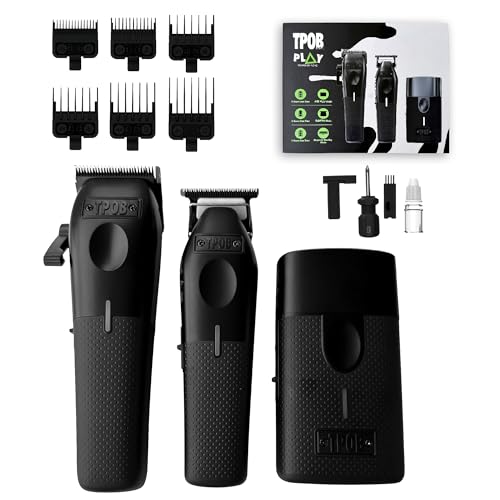
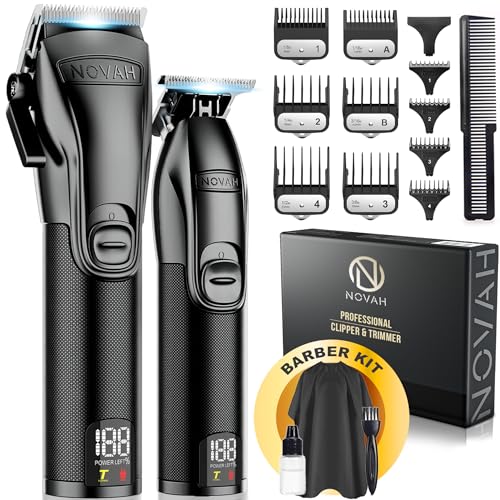
Clipper and trimmer combos pair a full size clipper for bulk work and blending with a T blade trimmer for edges, necklines and beard lines. Buying both from one maker means matching finishes, one style of charger and guards that behave consistently. The combo makes sense for a barber who cuts a lot of fades and lineups, which is most of them. Check that the trimmer blade can be zero gapped and that the clipper taper lever moves smoothly, since those two adjustments decide how clean your blends look.
Motors: Rotary, Magnetic and Pivot
The motor decides whether the clipper cuts or pulls when it meets thick, coarse or wet hair. Rotary motors drive the blade with a spinning shaft and keep speed under load, which is why they dominate professional sets. They run cooler over long sessions and handle every texture, at the cost of a little weight.
Magnetic motors are light and fast but lose speed when the blade loads up, so they suit fine hair and quick trims more than all day bulk work. Pivot motors sit between the two, with more torque than magnetic and less speed, and they work well for wet hair and clipper over comb.
Many cordless professional clippers now use brushless rotary motors with electronic speed control that holds the blade at a steady rate as the battery drains. A clipper that slows as the charge drops leaves uneven fades at the end of a shift, so a steady speed claim is worth paying for. Listen to noise levels too, because a loud motor wears on you and your clients across a full day.
Blades, Guards and Adjustability
Barber blades are usually stainless steel, carbon steel or ceramic. Steel blades are durable and easy to sharpen, carbon steel holds a very sharp edge but needs oil to prevent rust, and ceramic cutting blades stay cooler during long sessions but can chip if dropped. Many professional sets use a steel stationary blade with a ceramic or coated cutting blade to balance those traits. Whatever the material, the blade should be easy to remove for cleaning and replaceable at a sensible price.
A taper lever lets you change cutting length without swapping guards, which is essential for blending fades. Zero gapping, where the cutting blade is aligned flush with the stationary blade, gives the closest possible cut for bald fades and lineups, and it should be possible with a screwdriver in a few minutes. Guards matter more than their count suggests: a set that covers 0.5 to 8 in half steps for the short lengths is more useful than twenty guards with gaps in the range you cut most. Metal clip guards hold their shape longer than thin plastic ones.
Comfort and Handling Through a Full Shift
You will hold the clipper for hours, so weight, balance and grip decide how your wrist feels by closing time. A slim body with a textured grip gives better control for detail work, while a heavier body feels planted for bulk cutting. Try to picture the clipper in your hand with the guard on and the cord or battery in place, because the published weight rarely includes those parts.
Heat is the other comfort issue. Blades warm up during long cuts, and a clipper that runs hot needs cooling spray breaks that slow your day. Rotary motors and ceramic cutting blades run cooler, and a quick spray and oil between clients keeps temperatures down. Vibration matters too, since a buzzy clipper tires your hand faster and makes fine blending harder to feel.
Kit Contents Worth Checking
- Guards covering the short lengths in half steps, plus a left and right taper guard for fades.
- Blade oil, a cleaning brush and a blade guard to protect the teeth in transit.
- A charging stand or dock that holds the clipper upright on the station.
- A hard case for mobile barbers, or a station mat for fixed shops.
- A neck duster, cape and comb are useful extras but should not decide the purchase.
- A spare battery or an easy way to buy one, since batteries wear before motors do.
Common Mistakes to Avoid
The most expensive mistake is buying a consumer grade kit for a shop because the box lists many pieces. The motor stalls in thick hair, the guards flex, and the clipper is back in the box within months. Judge by motor type, blade quality and warranty before you count guards.
Another mistake is ignoring the ecosystem. A clipper whose blades, batteries and guards are hard to find becomes a disposable tool, while a brand with ready spare parts keeps running for years. Finally, do not buy cordless and skip the corded backup. A cheap corded clipper on the shelf saves the day when a battery fails during a busy Saturday.
Care and Hygiene
Brush hair from the blade after every client, spray with a disinfectant made for barber tools, and add a drop of oil to the teeth before the next cut. Wipe the body and charging contacts at the end of the day and store guards clean and dry. Check blade alignment weekly, since a blade knocked out of line pulls hair and leaves lines in a fade, and have blades sharpened or replaced when they drag even after oiling.
Charge cordless clippers on their stand overnight rather than running them flat repeatedly, and follow the maker guidance on battery care. Keep a written note of the purchase date and warranty length, because a shop tool used daily reaches the end of its warranty faster than the calendar suggests.
What Your Money Gets
Sets around $80 to $130 usually include a solid corded or basic cordless rotary clipper, a plastic guard run and oil, and they can serve a new barber well while you learn your preferences. Sets around $130 to $220 add better batteries, metal guards, smoother taper levers and a matched trimmer, which is where most working barbers land. Above about $220 you pay for refined balance, premium blades, faster motors and finish options, which matter most to barbers cutting high volumes every day. Compare the same core points at each price rather than assuming the dearest set cuts best.
Frequently Asked Questions
Corded or cordless for barber work?
Corded clippers give steady power all day without charging breaks, which suits busy shops with fixed stations. Cordless clippers give freedom around the chair and suit mobile work, but they need charging and battery care. Many barbers keep a corded set as a backup even when they mainly use cordless tools.
Which blades matter most?
A fade blade suits blending and tapering, a standard blade suits bulk cutting, and a detail trimmer suits edges and lines. Check how blades adjust and whether replacements are easy to find. Sharp, well aligned blades cut cleanly, while dull blades pull hair and slow the cut.
How much power do I need?
Power needs depend on hair thickness and cut volume. Rotary and pivot motors handle thick hair well, while magnetic motors suit lighter daily use. If your chair sees many thick or coarse haircuts, choose a motor that holds speed under load rather than the lightest option.
How do I keep clippers hygienic?
Clean hair from blades after each client, brush and oil as the maker directs, and disinfect blades with a product made for barber tools. Store guards clean and dry, and replace worn blades promptly. Good hygiene protects clients and keeps cuts smooth.
What should a barber kit include?
A useful kit includes the clipper, guards for common lengths, a cleaning brush, oil, and a comb. A trimmer helps with edges, and a cape keeps clients comfortable. Start with the tools you use every day, then add specialty blades only when your cuts demand them.
Final Thoughts
Start with the motor, then the blades and taper lever, then the kit list, and let price settle the tie. A well chosen set among the best clipper sets for barbers should hold speed in thick hair, zero gap cleanly, sit comfortably in your hand for a full shift, and have spare parts you can actually buy. The product table above is a useful starting point, and the checks in this guide give you a clear way to judge each option against your own chair.