Best Folding Trampoline: A Complete Buying Guide for Families

A full-size trampoline can turn an ordinary backyard into the busiest spot in the neighborhood, but not every yard has room to leave one set up year-round. That's the appeal of a folding trampoline: the same large jumping surface your kids want, minus the permanent footprint. Instead of a trampoline you have to disassemble with a wrench or leave exposed to every storm, a folding design lets you collapse the frame down and roll or carry it out of the way.
This guide walks through what separates a sturdy folding trampoline from one that wobbles apart after a season, how to size one for a yard where multiple kids will be jumping at once, what safety features actually matter outdoors, and how the folding and storage process really works day to day, from the first fold out of the box to packing it away when the weather turns.
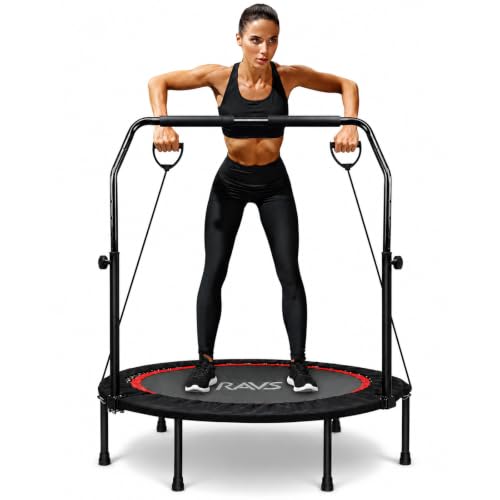
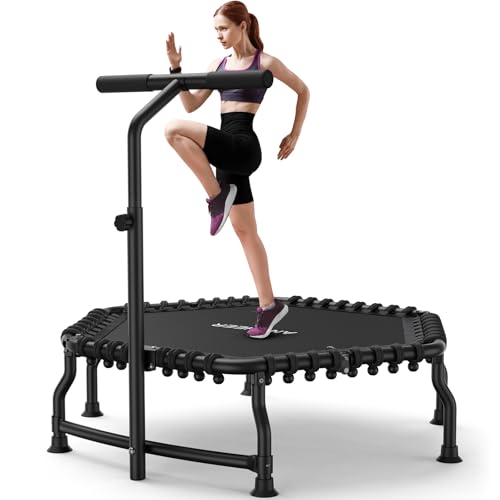
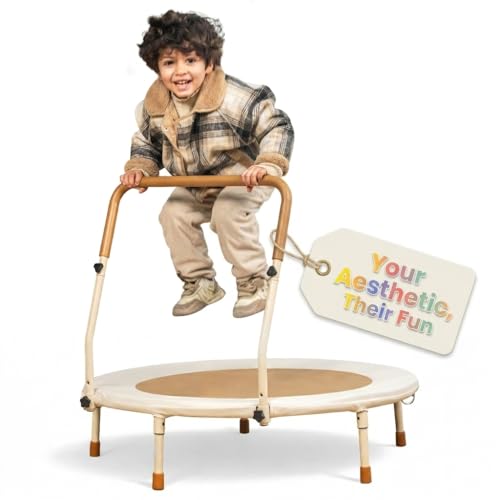
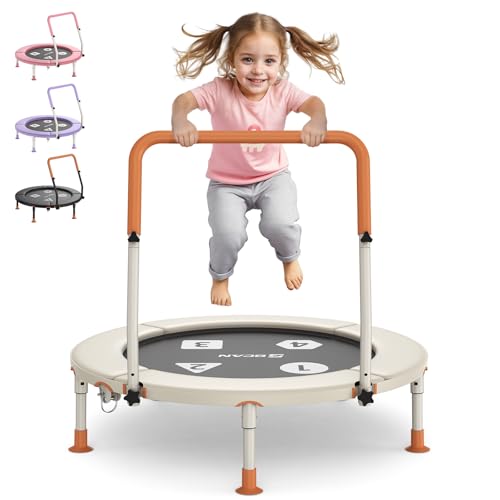
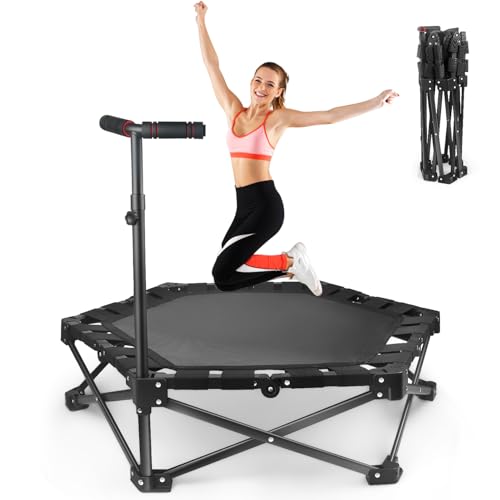
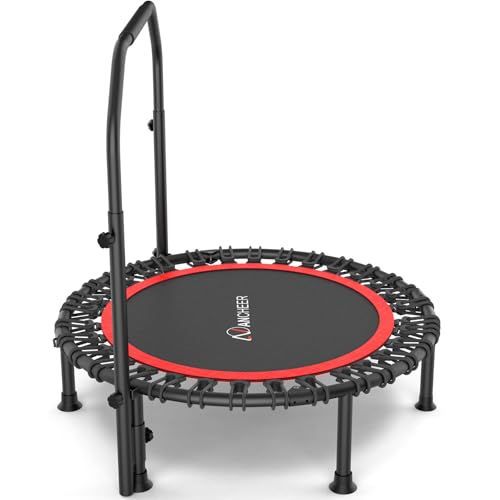
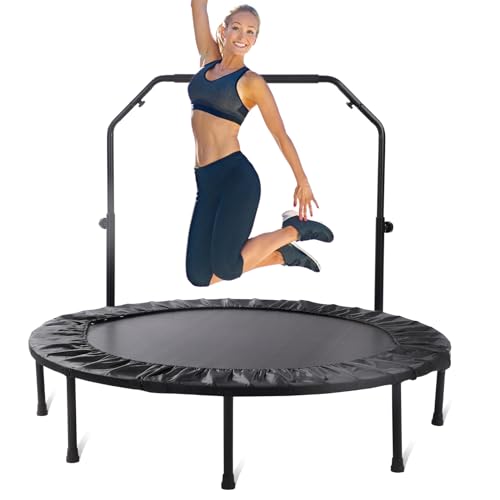
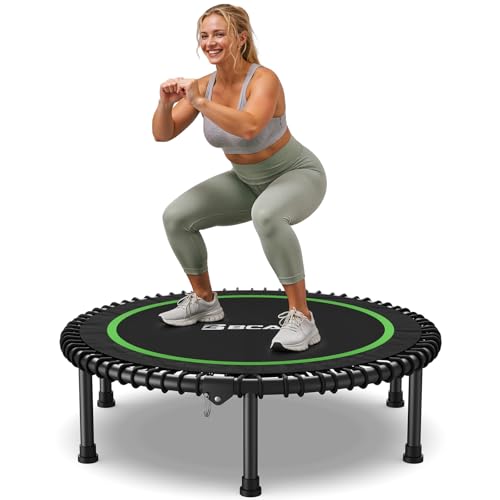
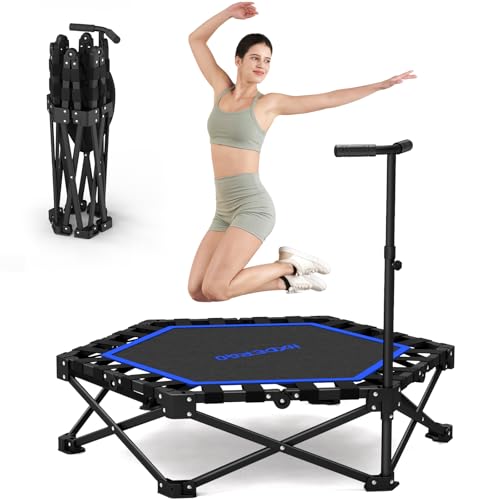

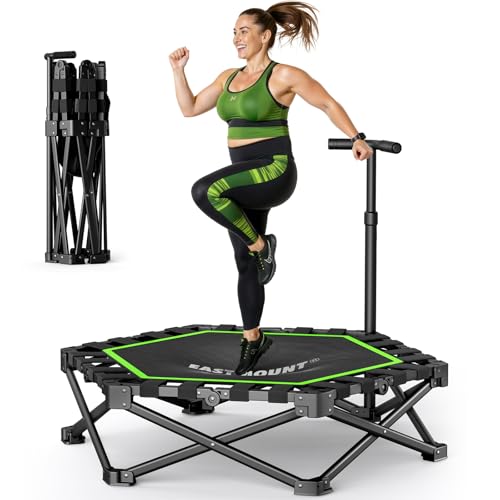
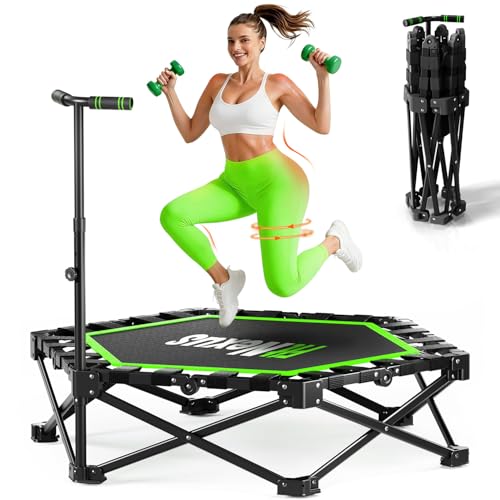
Why Frame and Hinge Quality Make or Break a Folding Trampoline
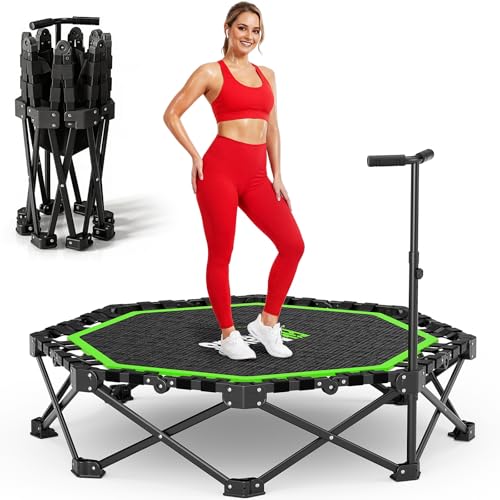
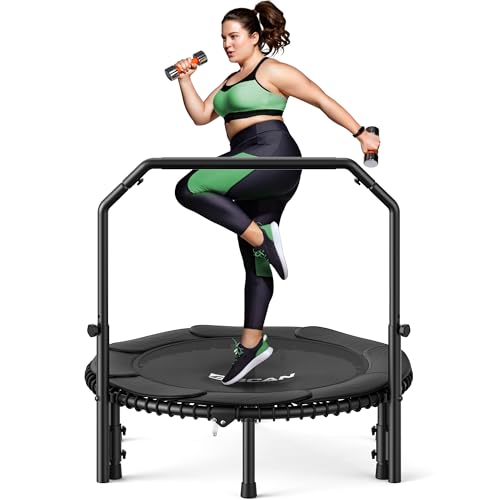
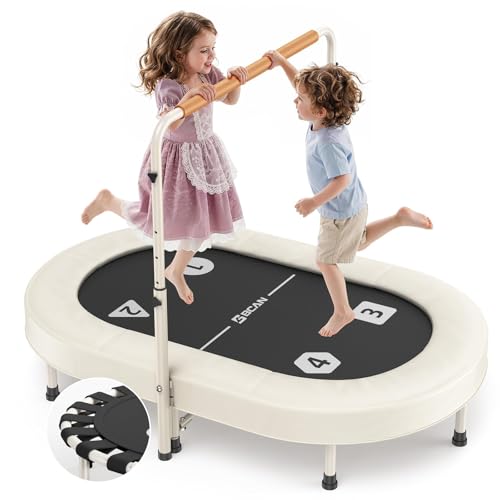
Every trampoline lives or dies by its frame, but a folding model has one more point of failure than a fixed one: the hinge or locking mechanism that lets the legs or platform collapse. A frame that flexes at the hinge under normal jumping will loosen faster than a welded, one-piece frame, so this is worth checking closely before anything else. Reading a handful of real owner reviews for tube diameter and leg count, rather than trusting a spec sheet alone, is often the fastest way to spot a frame that won't hold up.
Weight capacity for more than one jumper at a time
Manufacturers list a maximum weight capacity, but that number assumes ideal conditions, not three kids bouncing together. Look for a stated capacity comfortably above what your household actually needs, and treat the printed number as a ceiling rather than a target. Galvanized or powder-coated steel legs tend to hold that rating longer than thinner, unfinished tubing.
How the locking mechanism holds up over time
A quality folding trampoline uses a pin, clip, or lever lock that fully seats before use, with a distinct click or resistance you can feel. Mechanisms that rely only on friction or a loose sleeve tend to loosen with repeated folding and unfolding, which shows up as wobble at the legs within a season or two. If you can, test the lock in the store or check unboxing videos online. A mechanism that takes real effort to release usually means it isn't going to pop open on its own during use.
Rust resistance for equipment that lives outside
Because these trampolines spend most of their life outdoors between uses, the coating on the frame matters as much as the steel underneath it. Powder-coated or galvanized finishes shrug off sprinkler spray and rain far better than painted frames, which tend to chip at the hinge points first. Once a chip exposes bare metal, rust tends to spread along the seam, so a quick coat of matching paint at the first sign of a scratch can add years to the frame's life.
Sizing a Folding Trampoline for Your Yard and Family
Folding trampolines still need the same clearance as a fixed one while they're set up, so the fold-down feature doesn't excuse skipping the space math. A rough rule is at least three feet of clear ground on every side of the jumping surface, free of fences, patio furniture, or low branches.
Matching diameter to available yard space
Measure your actual usable yard area before shopping, not just the total lot size. Many families are also weighing a swing set or climbing structure for the same stretch of yard, and the two often end up competing for the same footprint, so it helps to plan the layout for both before buying either one.
Age range and who the trampoline is really for
A full-size folding trampoline is built for kids who are already coordinated enough to jump safely with others, generally school age and up. If you have a toddler who isn't there yet, a smaller indoor option like a mini trampoline for kids is usually the safer starting point, with a full-size backyard model coming later as they grow.
Netting, Padding, and Wind Safety When Multiple Kids Jump Together
Because folding trampolines are usually the large, backyard-sized kind rather than a compact fitness rebounder, they carry the same safety expectations as any fixed trampoline once they're set up, including an enclosure net and full spring padding.
Enclosure netting and pole padding
An enclosure net that zips or laces closed on all sides is standard on quality models, and the poles that hold it up should be padded or foam-wrapped rather than bare metal. Spring pads should fully cover the springs and frame edge, with no gaps a foot or hand could slip through during a group jumping session.
Anchoring against wind once it's set up
A large jumping surface acts like a sail in a strong gust, and folding trampolines are no exception once assembled. Ground anchors or stakes driven well into the soil at each leg keep the unit from shifting or tipping, and it's worth removing or securing the net during forecasted high winds rather than leaving it attached. If you're also setting aside a dedicated active zone in the yard, families often pair a trampoline with something like a backyard ninja course, which raises the same clearance and anchoring questions.
Folding, Moving, and Storing It Between Seasons
The entire reason to choose a folding trampoline over a fixed one is what happens when the season ends or you need the yard back for something else, so it's worth understanding the process before you buy rather than after.
What actually happens when you fold it down
Most folding designs release the net and legs, then hinge the frame in half or in quarters so the whole unit compresses into a much smaller footprint. Springs typically stay attached rather than needing to be removed each time, which is what makes the process quick enough to do more than once a season. Expect the first few folds to feel stiff until the hinges break in.
Where to store it during the off-season
A folded trampoline still takes up more room than most people expect, closer to a large door than a suitcase, so measure your garage, shed, or storage area before assuming it will tuck away easily. Families who also rotate other backyard equipment, like a backyard playset, in and out of storage each year often find it easiest to designate one covered spot for all of it rather than scattering pieces around the yard.
Frequently Asked Questions
Is a folding trampoline as sturdy as a fixed-frame one?
A well-built folding trampoline with a solid locking hinge can match a fixed frame's stability once it's assembled. The difference shows up over years of use, since the hinge is an extra wear point a fixed frame doesn't have. Regularly checking that the lock is fully seated before each use goes a long way toward closing that gap.
How long does it take to fold and set one up?
Most folding trampolines take a few minutes to collapse or unfold once you know the sequence, though the first attempt is usually slower. Full initial assembly out of the box still takes longer, similar to any fixed trampoline.
Can I leave a folding trampoline outside all winter?
You can, but the frame and mat will age faster from sun, rain, and freeze-thaw cycles than if you fold it down and store it under cover. If you do leave it out, a weatherproof cover helps protect the mat and springs.
How much weight can a folding trampoline hold?
Weight capacity varies widely by model and size, so check the manufacturer's listed maximum rather than assuming. Because kids often jump together, it's smart to look for a capacity with room to spare above what one person alone would need.
Do I still need a safety net if the trampoline folds down?
Yes. The folding mechanism only affects storage and setup, not how the trampoline performs once it's assembled and in use, so the same enclosure netting and padding recommendations apply.
What's the difference between spring and bungee suspension on a larger folding model?
Springs give a firmer, more energetic bounce and are common on larger backyard models, while bungee or elastic suspension is quieter and gentler on joints but more often found on smaller fitness-style units. Either can work on a folding frame, so this comes down to the kind of bounce your family prefers.
Does folding damage the trampoline mat over time?
Occasional folding for seasonal storage shouldn't hurt a quality mat, but folding at the same crease every single time can eventually weaken the fabric there. Rotating the fold direction slightly when you can helps spread out that wear.
Making the Right Call for Your Backyard
A folding trampoline earns its keep by solving a real problem, giving you full-size jumping fun without a permanent commitment of yard space. Pay closest attention to the frame and hinge quality, since that's what determines whether the fold-down feature still works smoothly five years from now. Get the sizing, netting, and anchoring right from the start, and a folding trampoline can be one of the easiest pieces of backyard gear to live with, up or down. Take a little time comparing frame construction and hinge design before you buy, since that one decision does more to determine how the next several years go than anything else on the spec sheet.