Best Mini Trampoline for Kids: A Complete Buying Guide
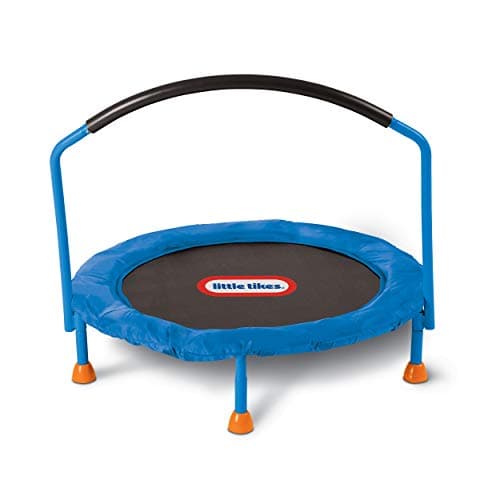
A mini trampoline looks like a simple purchase until you actually start comparing listings. Some are 24 inches across, some are 40. Some have a foam handlebar, some don't. Some use metal springs, others use elastic cords hidden under a padded cover. For a piece of equipment your child is going to bounce on indoors, often unsupervised for stretches at a time, those differences matter more than they look like they should. This guide focuses specifically on small indoor rebounders for kids, not the full-size backyard trampolines meant for a fenced-in yard and a safety net tall enough to stand under.

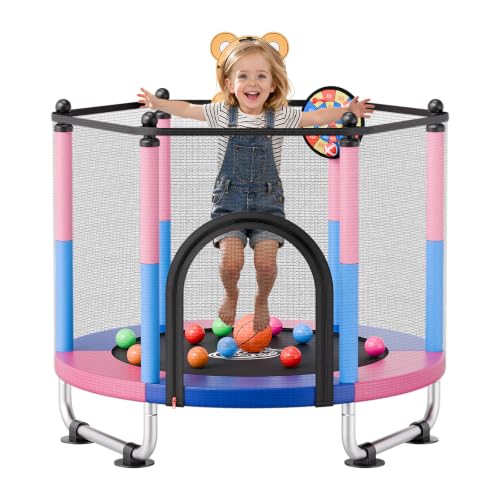
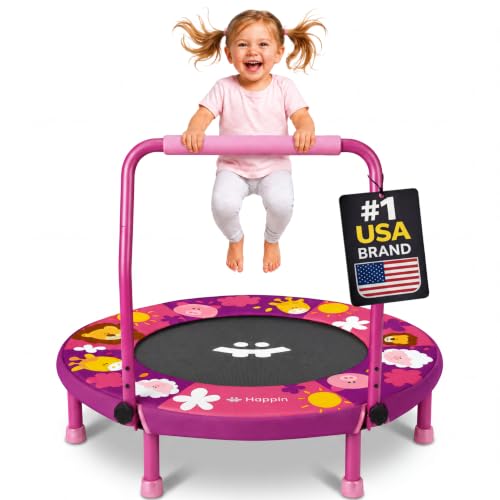
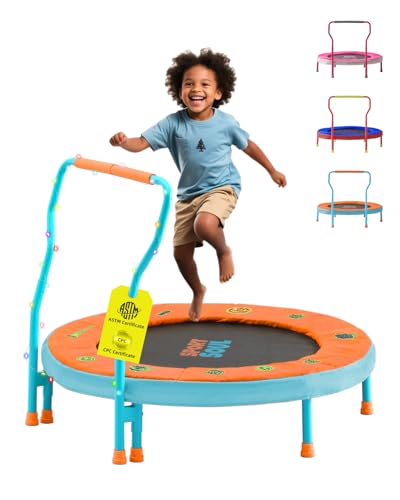
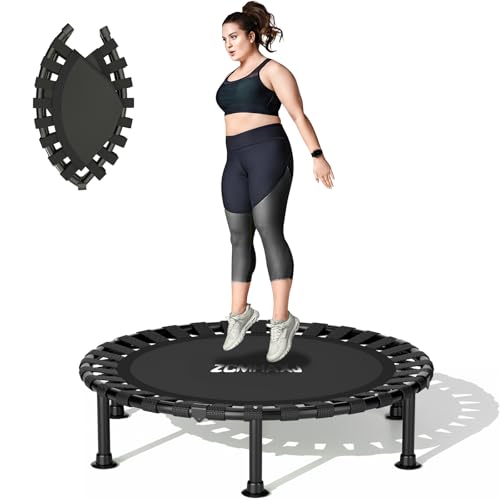
Is a Mini Trampoline the Right Fit for Your Child's Age?
Pediatric guidance on trampolines is more cautious than most parents expect. The American Academy of Pediatrics advises against trampoline use for children under 6, pointing to their developing bones and still-maturing coordination and reaction time. That guidance was written with full-size trampolines in mind, but the underlying reasoning still applies to a mini rebounder: a small child's body is more vulnerable to awkward landings, and their sense of balance is still catching up.
That doesn't mean a mini trampoline is off the table for a toddler. A low-height rebounder with a handlebar, used with an adult standing right next to it, is a very different risk profile than an unsupervised backyard trampoline. It does mean the "best" model for a 3-year-old and the "best" model for an 8-year-old are genuinely different products, not just different sizes of the same thing. If your child is younger than 6, look for the lowest bounce height available and plan on staying within arm's reach every time they're on it, not just for the first few sessions.
Getting the Size and Weight Limit Right for a Small Jumper
Kid-sized rebounders generally fall between 24 and 40 inches in diameter, and the size you pick should track your child's age and coordination rather than how much floor space you have to spare. A 36-inch mat is a common middle ground, comfortable for a wide age range roughly from preschool through the early elementary years. A larger 40-inch model gives an older kid, say 5 to 8, more room to find their footing, but that extra mat space isn't an advantage for a younger toddler who is still learning to jump in one spot. More room to move around on a bouncy surface usually just means more room to lose balance.
Weight limits deserve equal attention. Many kids' mini trampolines cap out around 220 pounds, which sounds generous until you remember that older siblings, cousins, and occasionally parents tend to end up on these things too. Check the stated limit against everyone in the house who's realistically going to use it, not just the child it was bought for. Also give some thought to what's underneath the unit. A cushioned surface under the trampoline, like a kids' area rug, adds a small extra buffer for a stumble off the mat and helps keep the legs from sliding on hard flooring.
Handlebar, Netting, and Padding: Which Safety Features Actually Matter
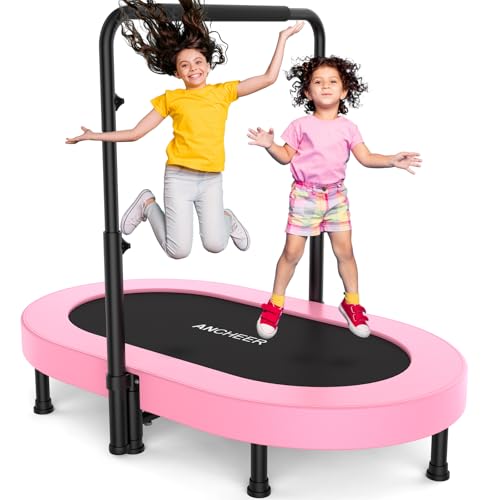
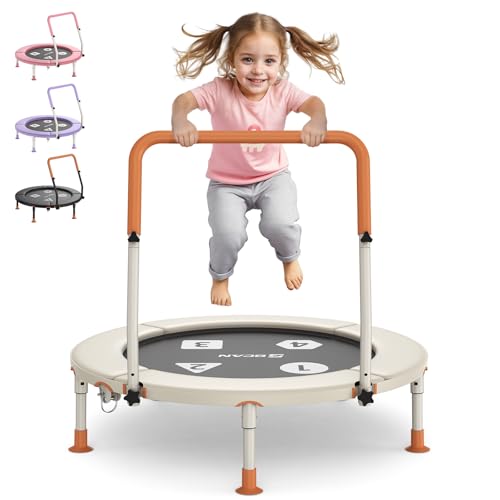
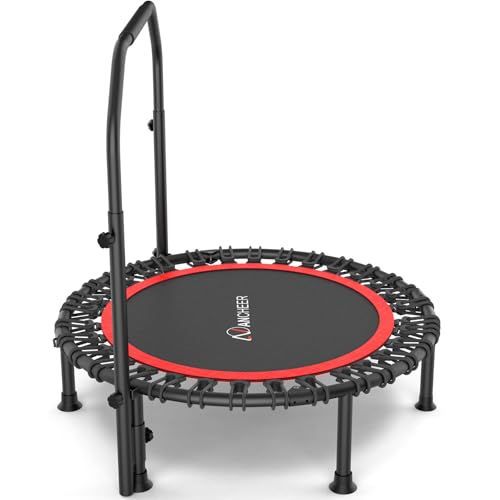
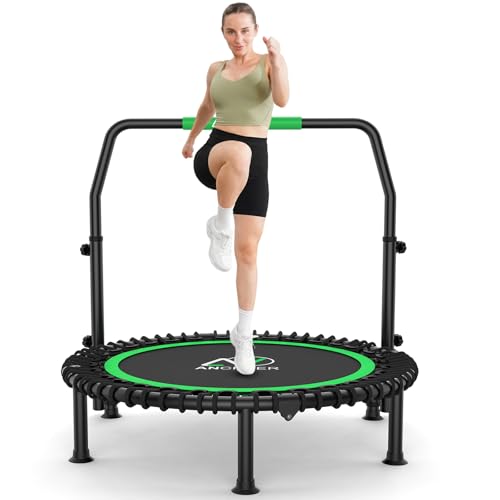
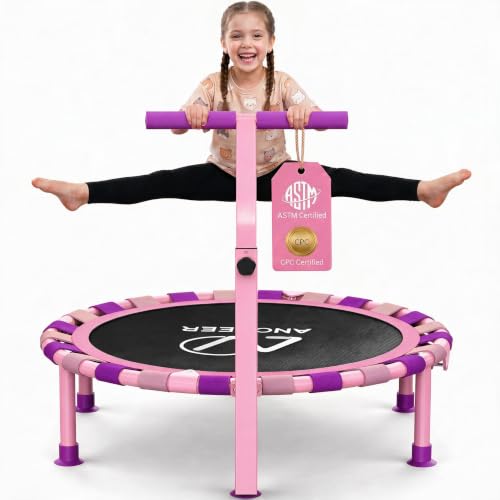
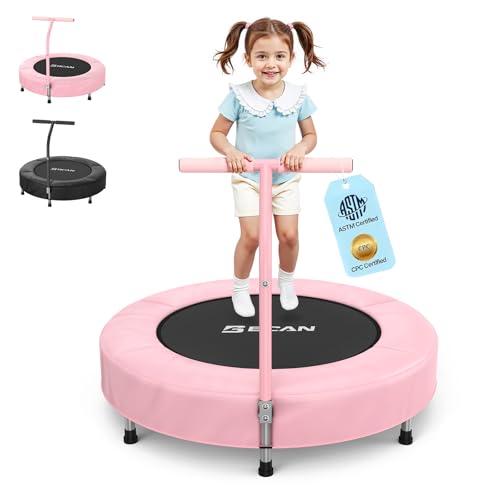
A foam-grip handlebar is one of the more genuinely useful add-ons on a kids' mini trampoline, not just marketing filler. For a younger or newer jumper, having something to hold onto while they find their rhythm makes a real difference in how steady they are, and it gives you a natural point to hold their hand during early sessions. If your child is older and already coordinated on a trampoline, a handlebar is less essential, though many parents keep it anyway as a habit-forming safety cue.
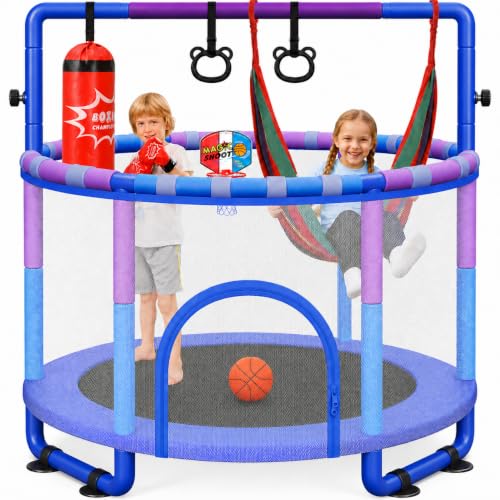
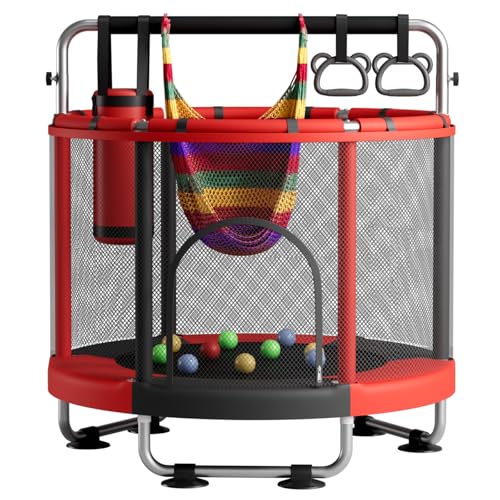
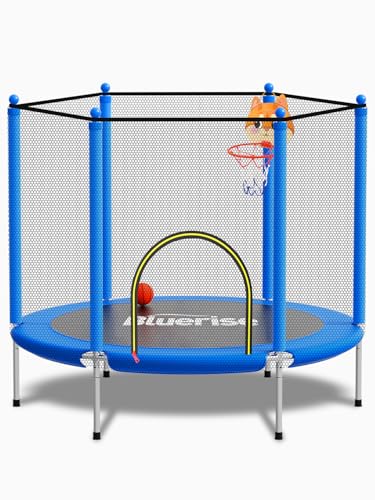
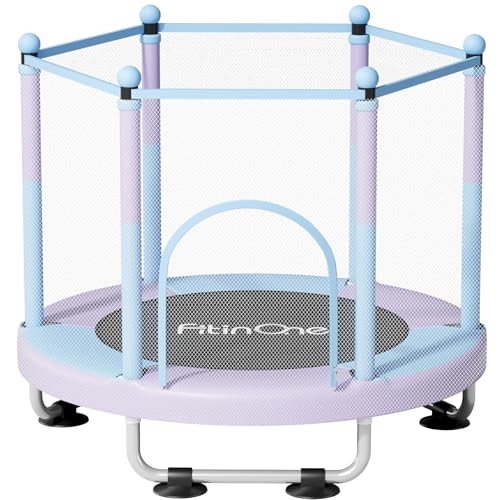
Enclosure netting is standard on most kid-marketed rebounders now, usually a 360-degree mesh net sewn directly to the padded base so there's no gap between the net and the mat. It's worth understanding what this net actually does on a mini trampoline versus a full-size one: because the bounce height is low, the net isn't protecting against a fall from several feet up. It's mainly there to stop a child from tumbling off the edge of the mat sideways, which is a more common mini-trampoline mishap than people expect. Padding over the frame and any exposed hardware matters just as much as the net itself, since a bare metal rim at ankle height is an easy thing for a small foot to catch on.
Springs or Bungee Cords: Bounce Feel and Noise Indoors
Underneath the padded cover, a mini trampoline uses either metal coil springs or elastic bungee cords, and the choice affects more than just how high your kid bounces. Bungee cords produce a softer, quieter landing and remove the pinch risk that comes with exposed metal coils, which matters when small fingers or toes tend to explore the edges of the mat. Metal springs are usually the more affordable option and give a firmer, more responsive bounce, but they tend to develop a squeak or click over months of use, and that sound carries.
This is where indoor use really diverges from a backyard setup. If the trampoline is going in an apartment, a room above a shared ceiling, or anywhere noise is a real consideration, a bungee-cord model with rubber-tipped legs is generally the quieter choice, and setting it on a rug or foam mat cuts down on floor and ceiling transfer even further. It's a small detail, but it's the kind of thing that decides whether the trampoline lives in the playroom for years or gets quietly put away after the first noise complaint from a downstairs neighbor. For families with a separate indoor play corner, a kids' play tent nearby can give the rebounder a defined, contained spot rather than letting it roam around an open room.
Ground Rules Every Family Should Set Before the First Bounce
Most of the safety research on trampoline injuries points to the same pattern: a large share of injuries happen when more than one person is jumping at the same time, and that holds true even on a small mat where it might seem like there's less room for things to go wrong. One jumper at a time is the single rule worth enforcing consistently, from the very first session, before it becomes a habit to break later. Siblings taking turns instead of jumping together is a small adjustment that meaningfully lowers the odds of a collision.
A few other habits are worth setting early: no jumping in socks on a fabric mat, since traction drops noticeably; no somersaults or flips, which are the source of a disproportionate share of serious injuries on any size trampoline; and a consistent adult-supervision rule for children under school age, even with a handlebar and full netting in place. As kids outgrow the mini trampoline's bounce and space, many families shift that active-play energy outdoors with something like a backyard swing set, which offers a similar physical outlet with a different kind of movement.
Frequently Asked Questions
What age is appropriate for a mini trampoline?
Most pediatric guidance treats age 6 as a rough starting point for independent trampoline use, though a supervised toddler on a low, handlebar-equipped rebounder is a different situation than an unsupervised child on a full-size trampoline. When in doubt, prioritize direct supervision over the number on the age label.
Do kids' mini trampolines really need a handlebar?
Not strictly, but they're genuinely useful for younger or less-coordinated jumpers, giving them something to hold while they learn balance and rhythm. Older, steadier kids can generally do without one.
Are bungee-cord trampolines actually quieter than spring ones?
In most comparisons, yes. Bungee cords produce a softer landing with less mechanical noise than metal springs, which tend to squeak as they age. Rubber leg caps and a rug underneath help regardless of which system you choose.
Is it safe for two kids to jump on a mini trampoline together?
It's not recommended. A large portion of trampoline-related injuries happen when multiple people jump at once, and that risk doesn't disappear just because the mat is smaller. Taking turns is the safer habit.
How long do kids typically use a mini trampoline before outgrowing it?
It varies by size and by the child, but many families find the mat's usefulness starts to shrink once a child's coordination and jump height outpace the low bounce ceiling, often somewhere in the early elementary years.