
Best Backyard Playsets: A Complete Buying Guide
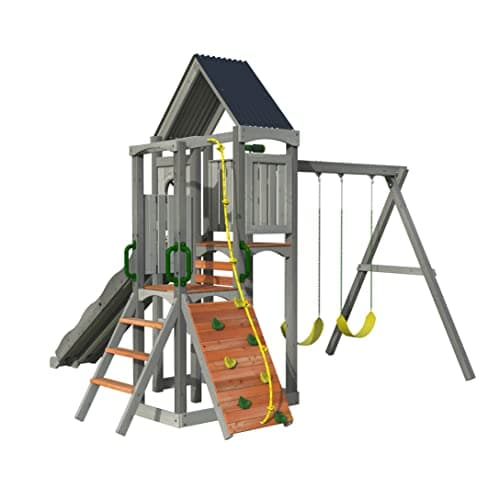
Watching your kids beg for "just five more minutes" on someone else's swing set is usually the moment parents start seriously shopping for their own. Choosing among the best backyard playsets means juggling more than looks, though. Material, footprint, age range, and how much upkeep you're willing to take on all shape which structure actually earns its keep over time. A set that looks perfect in a catalog photo can turn into a headache fast if it doesn't fit your yard or match how your kids actually play. This guide walks through what really matters, from picking a material to figuring out how much space you truly need, so you can shop with a plan instead of guesswork.


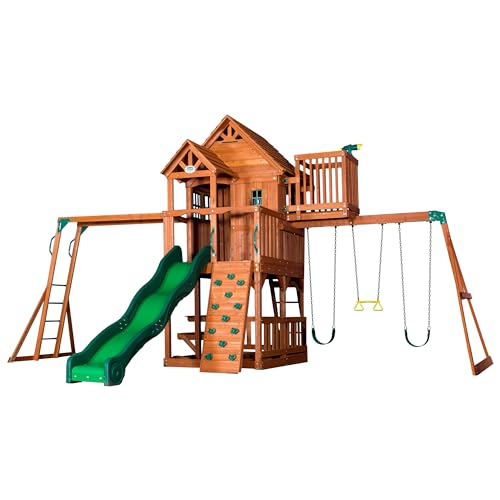
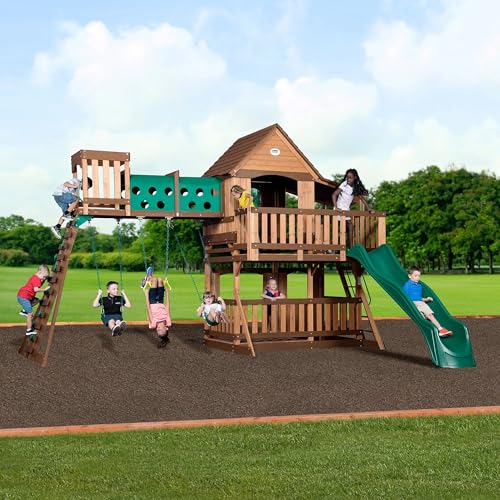
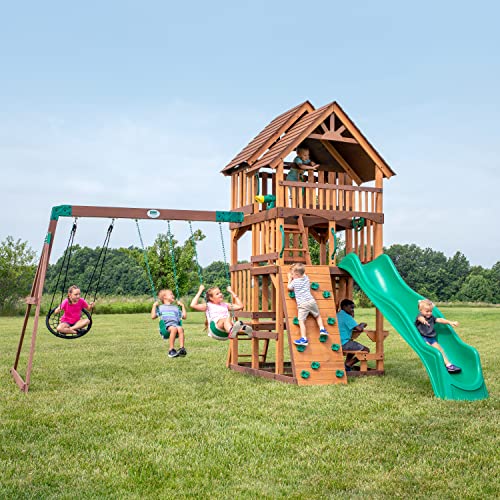
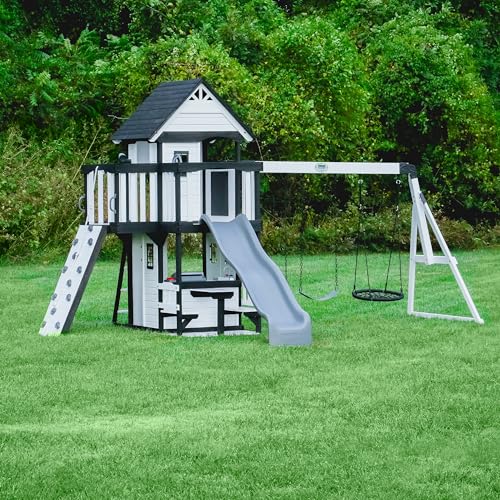
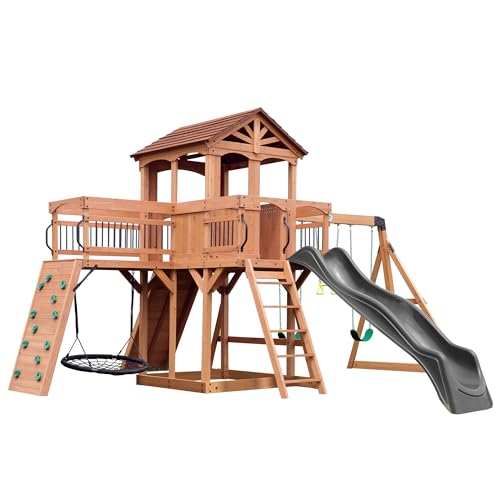
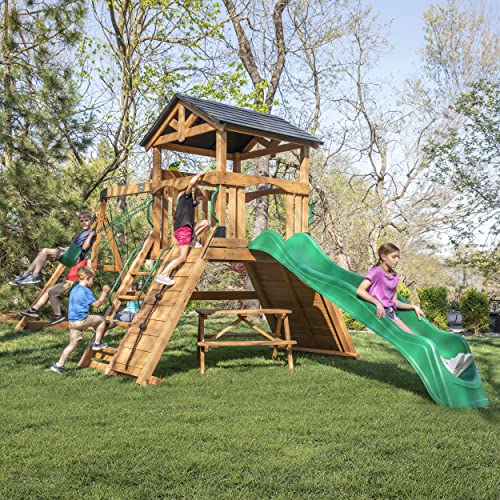
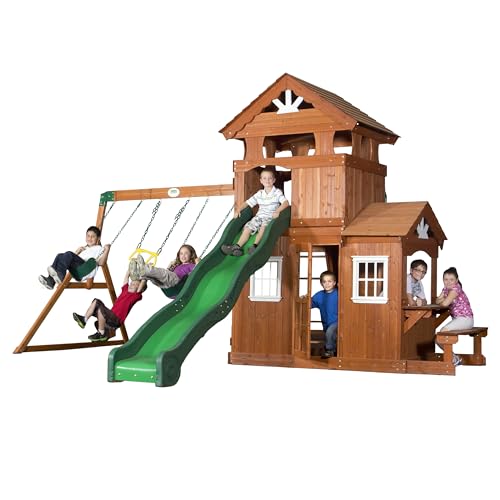
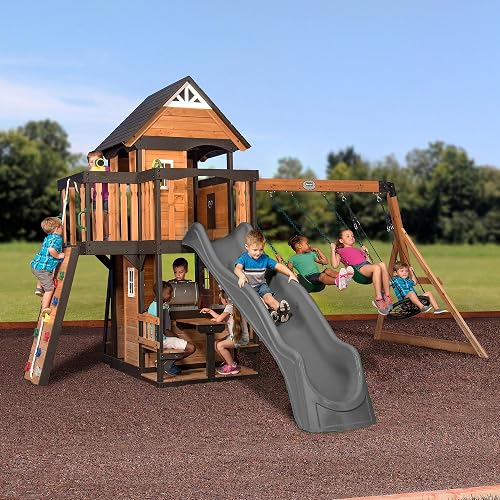


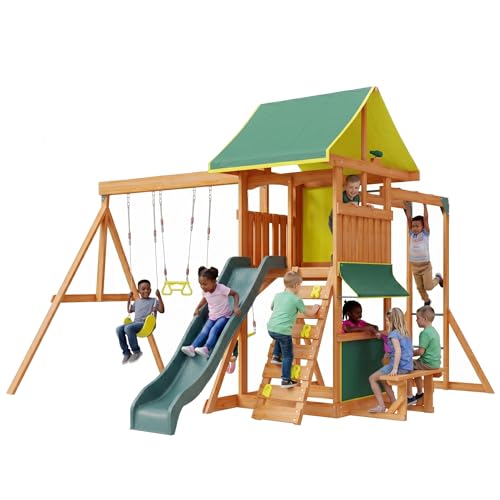
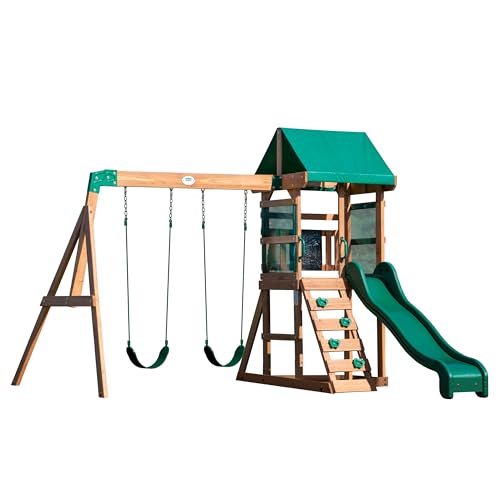
Wood, Metal, or Plastic: Which Material Fits Your Yard
Material is usually the first fork in the road, and it affects everything from how the set looks in five years to how much time you'll spend maintaining it. Each option makes a different trade-off between upfront effort, ongoing care, and how long the structure holds up outdoors.
Wood: Natural Look, More Upkeep
Cedar and redwood are the most common choices because they resist rot and insects better than softer woods, and they stay cooler to the touch than metal or plastic on hot afternoons. The trade-off is maintenance: a wood playset generally needs a water-repellent stain or sealant applied every year or two to keep it from graying, splintering, or absorbing moisture. Hardware also needs periodic checks since bolts can loosen as the wood expands and contracts with the seasons.
Metal: Low Maintenance, Runs Hot
Metal frames tend to hold up well against wind, rain, and snow without warping, and they don't need staining or sealing the way wood does. A quick wipe-down is usually all the cleaning they require. The downside is heat: dark-colored metal can get uncomfortably hot in direct sun, so shaded placement or covered components matter more here than with other materials. Rounded, capped edges are also worth checking for, since exposed metal seams can be sharp.
Plastic and HDPE: Budget Friendly, Shorter Lifespan
Plastic and HDPE structures never need painting and shrug off weather without rusting or rotting, which makes them appealing for families who want to skip maintenance almost entirely. They're often lighter-duty, though, with lower weight capacity and less resistance to fading or warping under years of sun exposure. For a family with mostly toddlers and preschoolers, a plastic set can be a smart transitional choice before upgrading to something more substantial.
How Much Yard Space a Backyard Playset Actually Needs
One of the most common surprises buyers run into is realizing the listed dimensions only describe the frame itself, not the space required to use it safely. A set with a frame footprint of roughly 8 by 21 feet can realistically need a clear use-zone closer to 28 by 33 feet once you account for swing arcs, slide run-out, and room for kids to move around without bumping into a fence or patio furniture. Measuring your actual yard before you fall in love with a specific set saves a lot of frustration later.
Measuring Your Real Play Zone, Not Just the Frame
Start by marking out the full footprint on your lawn with stakes or string, then add several feet of clearance on every side where there's active movement, like in front of swings and at the bottom of slides. Check for overhead obstructions too, since low tree branches or power lines can rule out an otherwise perfect spot.
Matching Size to Your Kids' Ages and Group Size
A compact, low-to-the-ground design with a small slide and a single swing works well for toddlers, while elementary-age kids and up generally get more use out of taller structures with climbing walls, monkey bars, or multiple swing bays. If you have siblings with a wide age gap, or expect neighborhood kids to join in, a larger set with more simultaneous activity points cuts down on the fights over turns.
Families in tighter yards sometimes look at lower-footprint alternatives instead of a full structure. A mini trampoline for kids can offer active play for younger children in a fraction of the space a full playset needs, and it's worth considering as a first step before committing to a bigger structure.
What to Know Before Installation Day
Good installation prep prevents most of the long-term problems people run into with backyard playsets. The area should be as flat and level as possible, with decent drainage so water doesn't pool around the base after rain. Clear away roots, large rocks, and any buried irrigation lines before digging post holes or anchors.
Some sets are straightforward enough for two adults with a weekend and basic tools, while larger multi-tower structures with several activity stations are heavy enough, and involve enough precise measuring, that many families opt for professional assembly instead. Either way, anchoring the structure securely to the ground, rather than just resting it on the surface, is not optional. Wind and active kids both put real lateral force on a playset over time.
Safety Surfacing and Fall Zones You Shouldn't Skip
What's underneath a playset matters as much as the structure itself. Grass alone doesn't absorb impact well enough for fall heights typical of climbing platforms and slide tops. Mulch, wood chips, sand, or rubber surfacing are the standard options, and most safety guidance calls for a depth in the range of 9 to 12 inches depending on the material, spread across the entire use-zone rather than just directly under the equipment.
It's also worth checking for entrapment hazards before buying, particularly gaps in railings, roof structures, or ladder rungs that could catch a child's head or clothing. Look for rounded edges, fully capped bolts, and adequate spacing between components like swing seats so kids using different parts of the set at once aren't at risk of colliding.
Keeping a Playset Sound Through Every Season
How you maintain a playset depends heavily on the material you chose. Wood structures benefit from an annual inspection for splinters, cracks, and loose hardware, plus a fresh coat of sealant every year or two to keep moisture out. Metal frames hold up with far less effort, but it's still worth checking joints and welds for rust, especially in humid climates or near sprinklers. Plastic components should be checked for fading, brittleness, or warping after extended heat exposure, since UV damage can make plastic crack unexpectedly under weight.
Across all materials, tightening hardware once or twice a year and inspecting swing chains or ropes for wear go a long way toward extending the life of the set. Families who want to add more active options as kids get older sometimes bring in a backyard ninja course alongside an existing playset, giving older, more coordinated kids a new challenge without replacing what's already working.
If a full playset feels like too much commitment right now, a folding trampoline is a popular way to get similar physical activity benefits with far less space and setup involved, and it can double as a bridge purchase while you plan a larger installation.
Frequently Asked Questions
How much space do I need for a backyard playset?
Plan for significantly more than the frame's listed dimensions. Once you account for swing arcs, slide run-out, and safe movement space, a compact set can need a clear zone closer to 25 to 30 feet in each direction.
What is the best material for a backyard playset?
There isn't a single best option. Wood offers a natural look but needs regular sealing, metal is low-maintenance but can get hot in the sun, and plastic is affordable and weatherproof but less durable for older, heavier kids.
How long do backyard playsets last?
A well-built, properly maintained wood or metal playset can last well over a decade. Lifespan depends heavily on material quality, climate exposure, and how consistently the structure is inspected and cared for.
What should go on the ground under a backyard playset?
Mulch, wood chips, sand, or rubber surfacing spread across the full use-zone at an adequate depth. Bare grass or hard-packed dirt doesn't absorb impact well enough for typical fall heights.
Can one playset work for kids of different ages?
Yes, especially larger sets with multiple activity stations, like a low platform for younger kids alongside a taller climbing section for older ones. Just make sure age-appropriate components are clearly separated.
Do backyard playsets need professional installation?
Smaller sets are often manageable for two adults with basic tools over a weekend. Larger multi-tower structures usually involve enough weight and precision that professional assembly is worth the added cost for many families.
How often should a playset be inspected or maintained?
A quick hardware and surfacing check every few months, plus a more thorough seasonal inspection, catches most problems early. Wood sets also need a fresh sealant coat every year or two to stay protected.
Finding the Playset That Actually Fits Your Family
The right backyard playset comes down to matching material, size, and safety features to your specific yard and kids rather than chasing the tallest or most feature-packed option available. Take real measurements, plan for proper surfacing, and pick a material you're genuinely willing to maintain. Do that, and you'll end up with a structure your kids actually use for years instead of one that gets abandoned after the novelty wears off.