Best Flower Fertilizers: What Actually Matters Before You Buy (2026)
Disclosure: We may earn a commission when you buy through links on this page, at no extra cost to you. As an Amazon Associate I earn from qualifying purchases. Learn more

How to choose flower fertilizer: NPK, form, release speed and value, with Espoma, Miracle-Gro and FoxFarm picks.
Walk down any garden aisle and you will find flower fertilizers in boxes, jugs, shakers and bags, with numbers like 3-4-5, 10-52-10 and 24-8-16 printed across the front. Buy the wrong one and you get leafy plants with few blooms, or worse, scorched roots. This guide to the best flower fertilizers lays out the criteria that matter, then names three picks that pass them.
We explain how we evaluate flower fertilizers, share three picks, give a quick buyer checklist and red flags and finish with care tips and common questions. Always follow label rates, wear gloves when handling fertilizer, wash hands afterward and store products out of reach of children and pets.






How We Evaluate the Best Flower Fertilizers
We score flower fertilizers on seven criteria using published labels, application rates and owner feedback. A product that pushes too much nitrogen for flowers or hides its analysis rarely makes our list.
Match the Product to Your Garden Size and Layout
Good fertilizers fit how your flowers grow. Large beds and borders suit granular products you scatter and water in, or water soluble feeds through a hose end feeder.
Containers and hanging baskets suit slow release granules plus liquid top ups, since watering flushes nutrients from potting mix. A few pots on a balcony need only a small bottle or shaker. We score higher when the label gives clear rates for beds and containers.
Performance Specs: NPK Ratio and Coverage
The NPK ratio is the core spec: nitrogen for leaves, phosphorus for roots and blooms, potassium for overall plant strength. Flowering plants usually do best when nitrogen is not the highest number.
Espoma Flower-tone runs 3-4-5, FoxFarm Tiger Bloom 2-8-4, Neptune's Harvest Rose and Flowering 2-6-4 and Jack's Classic Blossom Booster 10-30-20. All purpose feeds like Miracle-Gro's 24-8-16 suit leafy growth more than heavy flowering. Coverage matters too; Miracle-Gro's Water Soluble Bloom Booster feeds about 2,200 square feet per 5.5 pound container.
Material and Ingredient Quality
Ingredients decide how fast and how gently a fertilizer works. Organic blends like Espoma's Flower-tone use natural ingredients with added soil microbes and release slowly. FoxFarm Big Bloom combines earthworm castings and bat guano.
Neptune's Harvest uses fish and seaweed based ingredients. Synthetic water soluble feeds like Miracle-Gro and Jack's dissolve instantly and act within days. Added calcium, listed on Espoma's labels, supports sturdy stems. We look for clear ingredient lists and no fillers.
Safety: Organic, Pet and Family Considerations
No fertilizer should be eaten by people or pets, and all should be stored sealed. Organic products like Flower-tone and Bulb-tone are approved for organic gardening, but some contain bone meal or fish ingredients that attract dogs, so water them in well and keep pets away until the surface dries.
Synthetic salts can burn plants if overapplied. Avoid applying before heavy rain, which can wash fertilizer into storm drains and waterways. Products with clear safety directions score higher.
Value and Coverage per Dollar
Value means cost per feeding, not cost per bag. Concentrated liquids like FoxFarm Tiger Bloom, used at 2 to 3 teaspoons per gallon, stretch a pint across many feedings.
Jack's Blossom Booster costs around $61 for 10 pounds but makes hundreds of gallons. Granular shakers like Miracle-Gro Shake 'N Feed Rose and Bloom, around $15 for 4.5 pounds, feed up to 3 months per application. We compare coverage and feeding frequency to find real value.
Release Speed and Feeding Frequency
Release speed decides how often you feed. Water soluble products work immediately but need reapplying every 7 to 14 days, as Miracle-Gro directs for its Bloom Booster.
Slow release granules like Osmocote Smart-Release and Shake 'N Feed feed for months. Organic granulars like Flower-tone feed monthly through the season. The best choice is the one that matches the time you actually have.
Ease of Use and Storage
Ready to use granulars need no mixing; Espoma says Flower-tone is ready to use and should be applied around the drip line and watered in. Shaker containers make measuring easy. Liquids need measuring but suit watering cans and hose end feeders; FoxFarm Big Bloom works with hose end sprayers, siphon mixers and drip systems. Store granulars dry and sealed, and keep liquids from freezing.
3 Picks That Pass Our Checklist
These three flower fertilizers meet our criteria for most gardeners.
Best Overall: Espoma Organic Flower-tone 3-4-5
Espoma Flower-tone suits gardeners who want a dependable, low nitrogen organic feed for annuals, perennials, roses and cut flowers, at around $24 for two 4 pound bags. Espoma lists a 3-4-5 analysis with 5 percent calcium, natural and organic ingredients enhanced with its Bio-tone microbes and approval for organic gardening. Apply monthly around the drip line and water thoroughly; no mixing is needed.
Its strengths are a bloom friendly ratio and gentle, slow release that is hard to overdo.
The limitation is slower results than water soluble feeds, so it is not the fastest fix for struggling plants.

Best Value: Miracle-Gro Shake 'N Feed Rose and Bloom
Miracle-Gro Shake 'N Feed Rose and Bloom suits busy gardeners who want to feed once and forget it for months, at around $15 for 4.5 pounds. Miracle-Gro lists up to 3 months of feeding per application, natural ingredients that feed soil microbes and use on new and existing roses and flowering plants in the ground and in containers. The shaker lid makes measuring simple.
The appeal is low cost per month and very little effort.
The trade off is a synthetic base that some organic gardeners avoid.

Best Premium Pick: FoxFarm Big Bloom Liquid Plant Food
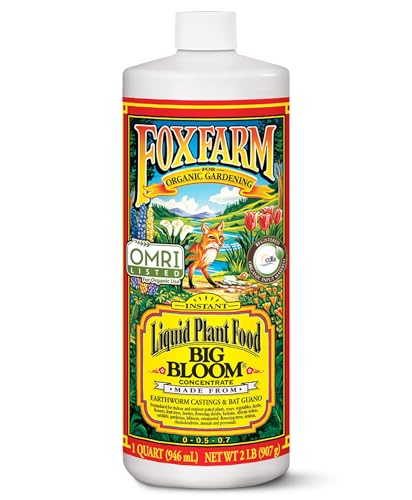
FoxFarm Big Bloom suits container gardeners and growers who want a gentle liquid feed with natural ingredients, at around $26 a quart. FoxFarm lists earthworm castings and bat guano, a mild 0-0.5-0.7 analysis, fast nutrient uptake and support for flowering and fruiting through the season. Mix 4 tablespoons per gallon every other watering, or apply through a hose end sprayer or drip system.
The appeal is gentle, frequent feeding that is safe for pots and sensitive plants.
The limitation is a low nutrient analysis, so heavy feeders may need a stronger bloom booster alongside it.

Quick Buyer Checklist
- NPK ratio: Choose a formula where nitrogen is not the highest number for flowering plants.
- Form: Granular for beds and slow feeding, liquid for pots and fast results.
- Release speed: Slow release for busy gardeners, water soluble if you can feed every 1 to 2 weeks.
- Organic or synthetic: Organic for soil health, synthetic for speed and precision.
- Coverage: Compare square feet or gallons per container, not just bag size.
- Directions: Clear rates for beds, containers and roses.
Red Flags to Watch For
- High nitrogen labeled as bloom food. Check the numbers; a formula like 24-8-16 favors leaves.
- Missing analysis. Reputable fertilizers print the guaranteed NPK on the label.
- Exaggerated claims. No fertilizer fixes poor light, bad drainage or the wrong plant for your zone.
- Overly frequent feeding instructions. More fertilizer can burn roots; follow labels and skip feeding in extreme heat.
- Damaged or clumped bags. Moisture damage can make granules hard to spread evenly.
Care and Maintenance Tips
Water plants before applying fertilizer so roots are not stressed, then water again to move nutrients into the soil. Feed during active growth from spring through late summer, and taper off in fall so perennials can harden before winter. Rinse leaves if granules land on them. Clean watering cans and hose end feeders after use, and store fertilizer in its original container, sealed and dry, away from children and pets.
Other Flower Fertilizers Worth Considering
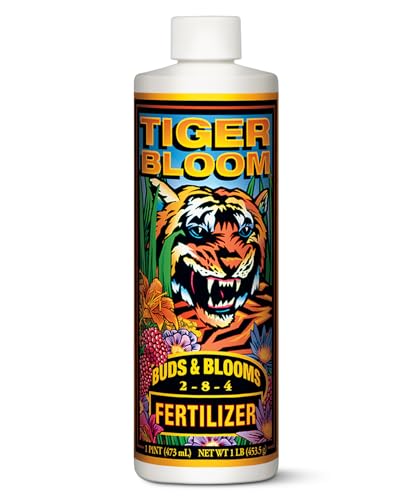
Several other products suit specific needs. Miracle-Gro Water Soluble Bloom Booster, around $34 for 5.5 pounds, starts working instantly, feeds about 2,200 square feet and is applied every 7 to 14 days. Jack's Classic 10-30-20 Blossom Booster, around $61 for 10 pounds, is a professional water soluble formula with a 1 to 3 to 2 ratio that feeds through roots and leaves. FoxFarm Tiger Bloom, around $19 a pint, is a 2-8-4 liquid for the flowering stage at 2 to 3 teaspoons per gallon.
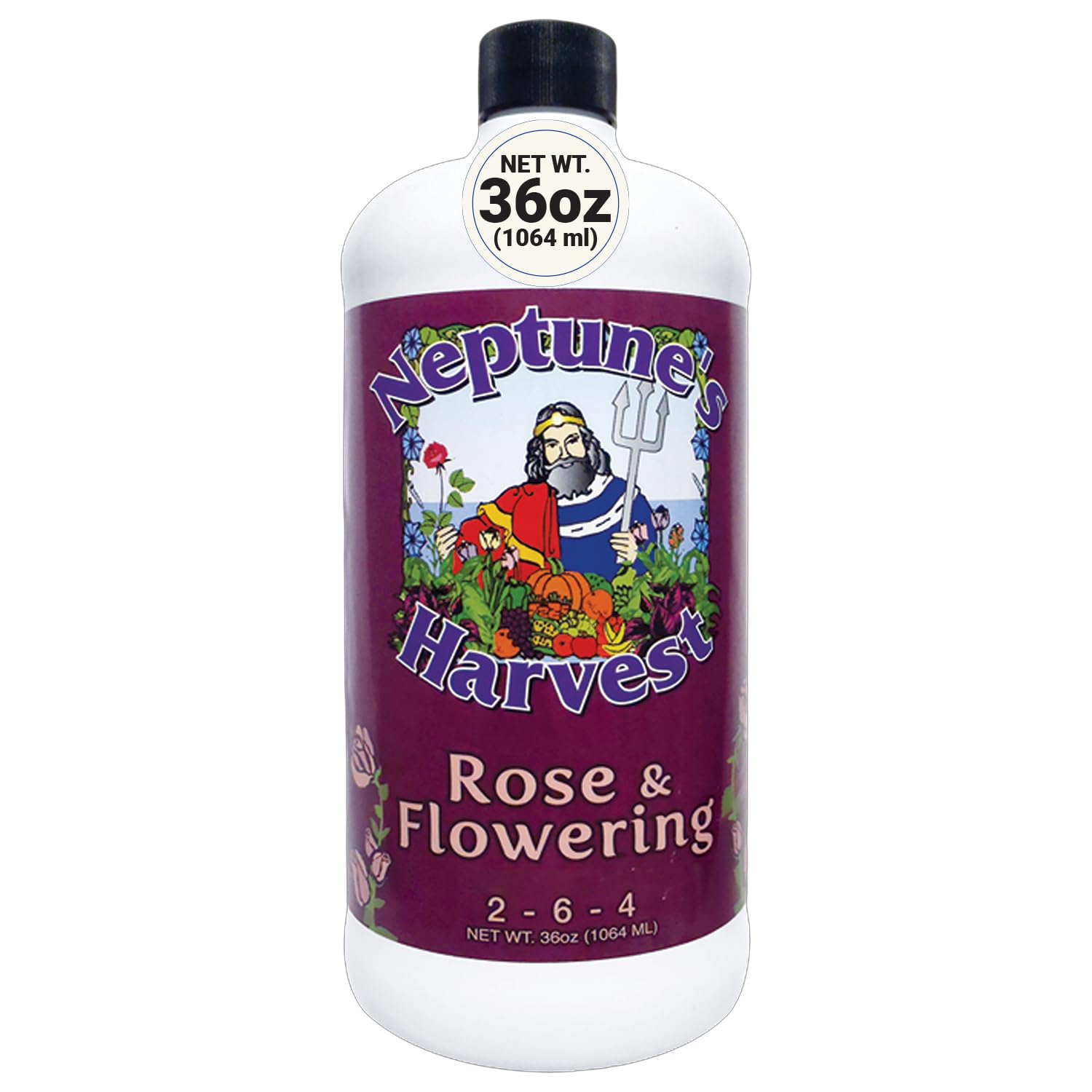
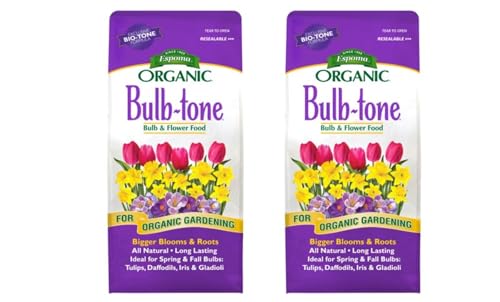
Organic gardeners can look at Neptune's Harvest Rose and Flowering 2-6-4, around $29 for 36 ounces, Jobe's Organics Granular Rose Fertilizer, around $14 for 4 pounds, and Espoma Bulb-tone 3-5-3 for bulbs. Container growers can mix Osmocote Smart-Release Flower and Vegetable, around $23 for 4.5 pounds, into potting mix at planting.
Flower Fertilizers: Your Questions Answered
What's the difference between garden soil and potting mix?
Garden soil is native ground soil, while potting mix is a light, fast draining blend made for containers. Potting mix holds fewer nutrients and loses them quickly with watering, so container flowers need more frequent feeding. In ground beds benefit from compost plus a slow release flower fertilizer.
How much fertilizer do I need for my garden?
Follow the label rate based on square footage or pot size. Miracle-Gro's Water Soluble Bloom Booster covers about 2,200 square feet per container, while a 4 pound bag of granular feeds a small to medium bed for a season. Measure carefully, since overfeeding damages plants.
Is organic fertilizer worth it?
Organic fertilizer is worth it for long term soil health and gentle feeding. Espoma, FoxFarm Big Bloom, Neptune's Harvest and Jobe's feed plants while supporting soil life. Synthetic water soluble feeds act faster and suit gardeners who want quick, precise results.
How often should I fertilize flowers?
Feed water soluble fertilizers every 1 to 2 weeks, organic granulars about monthly and slow release granules every few months. Annuals in containers are heavy feeders, while established perennials need less. Stop feeding perennials in late summer so they can prepare for winter.
Can I use the same fertilizer for all my flowers?
Yes, a balanced or bloom focused fertilizer works for most annuals and perennials. Acid loving plants like azaleas and hydrangeas may need a specialty feed, and bulbs benefit from bulb formulas like Bulb-tone. Roses do well with rose and bloom formulas.
Our Verdict
When choosing flower fertilizer, focus on three things: a bloom friendly NPK ratio, a form that fits how you garden and a feeding schedule you can keep. Espoma Flower-tone is the best overall, Miracle-Gro Shake 'N Feed Rose and Bloom is the best value and FoxFarm Big Bloom is the premium pick for containers. The best flower fertilizers keep beds and pots blooming all season.
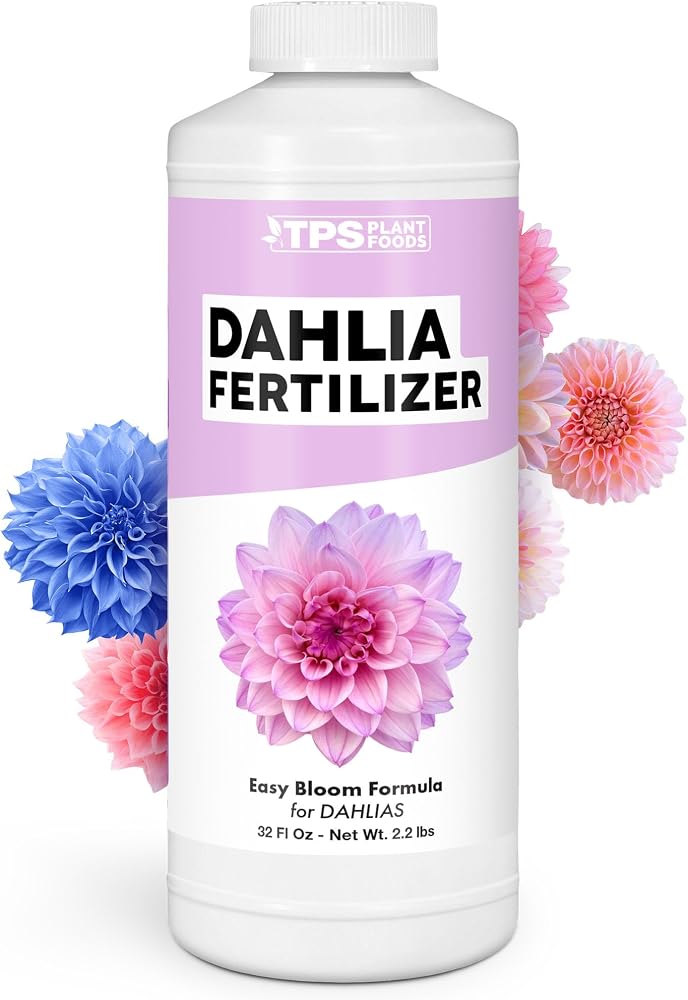
For more garden guides, see the best fertilizer for dahlias, the best fall fertilizer, the best raised garden beds and the best compost bin. Then compare current prices in the product table above.